

Training your puppy to use the toilet can feel like a big challenge, but it doesn’t have to be. Imagine a home where accidents are rare, and your furry friend knows exactly where to go.
Sounds great, right? You’re about to discover simple, effective tips that make toilet training easier and faster. Whether you’re a first-time puppy owner or need a refresher, this guide will help you create a clean, happy space for both you and your puppy.
Keep reading to unlock the secrets to stress-free toilet training!

Credit: hackersmind.net
Preparing For Training
Preparing for toilet training is the first step to success. It helps your puppy learn faster. Clear plans make the process smooth and less stressful. Your puppy will feel safe and confident with the right setup. Start by gathering supplies, choosing a toilet spot, and making a schedule.
Choosing The Right Supplies
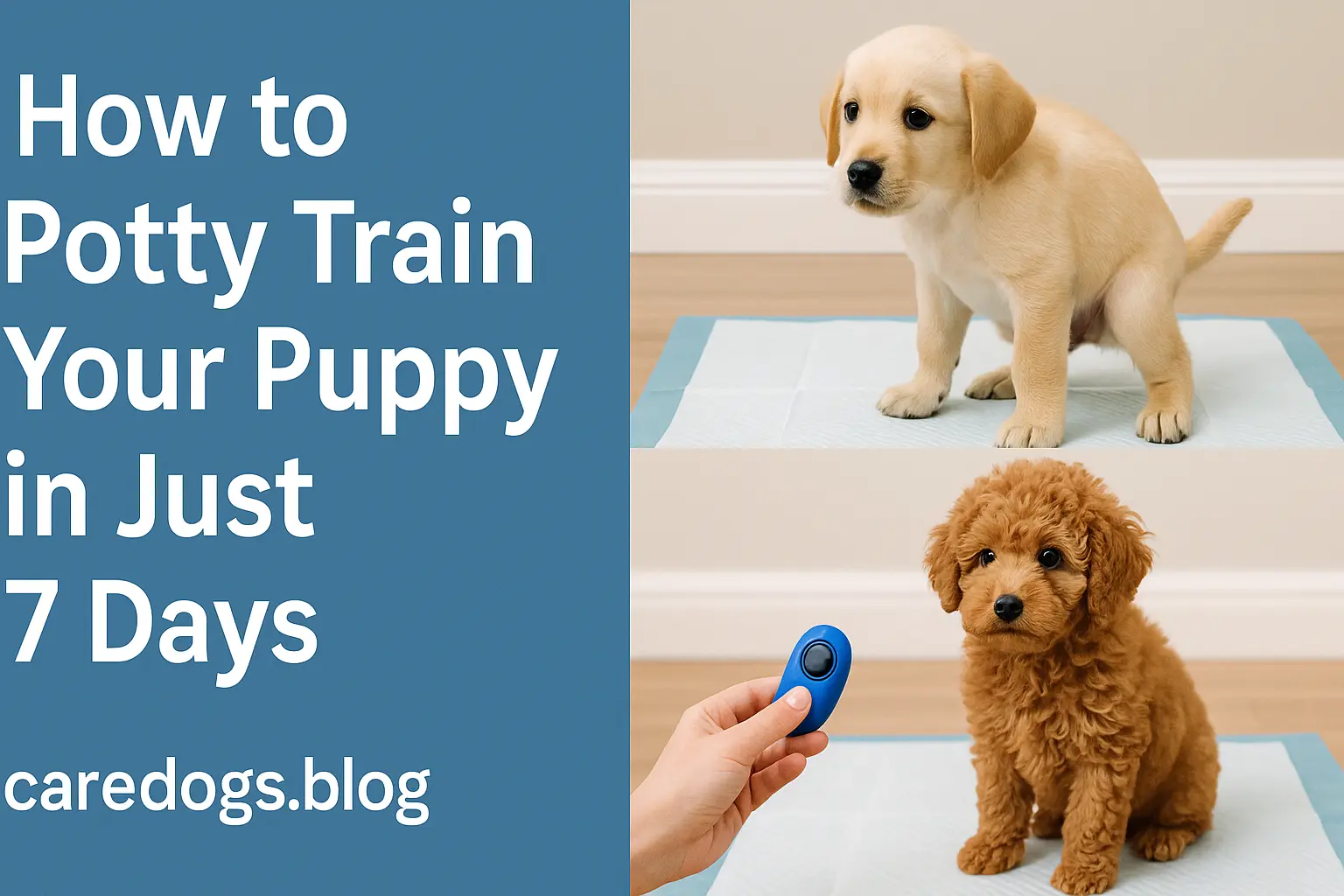
Select supplies that make training easier. Use puppy pads or newspapers to catch accidents. Have cleaning products ready for quick messes. A leash helps guide your puppy outside. Treats reward good behavior. Pick items that fit your space and budget.
Setting Up A Designated Toilet Area
Pick one spot for your puppy’s toilet needs. Keep this area clean and easy to reach. Outdoors, choose a quiet, low-traffic place. Indoors, use puppy pads in a corner. Consistency helps your puppy understand where to go. Avoid changing the spot often.
Establishing A Consistent Schedule
Feed your puppy at the same times daily. Take them to the toilet area after meals and naps. Regular bathroom breaks prevent accidents. Stick to a routine even on weekends. Consistency builds good habits and speeds up training.
Credit: caredogs.blog
Training Techniques
Training techniques are key to successful toilet training for puppies. Using the right methods helps your puppy learn faster and feel safe. Consistency and patience make the process easier. Here are some effective training techniques to try.
Using Positive Reinforcement
Positive reinforcement means rewarding your puppy for good behavior. Praise, treats, or petting work well. Give a reward right after your puppy goes outside. This helps them link the action with the reward. Avoid punishment as it can cause fear. Stay calm and encouraging at all times.
Recognizing Signs Of Needing To Go
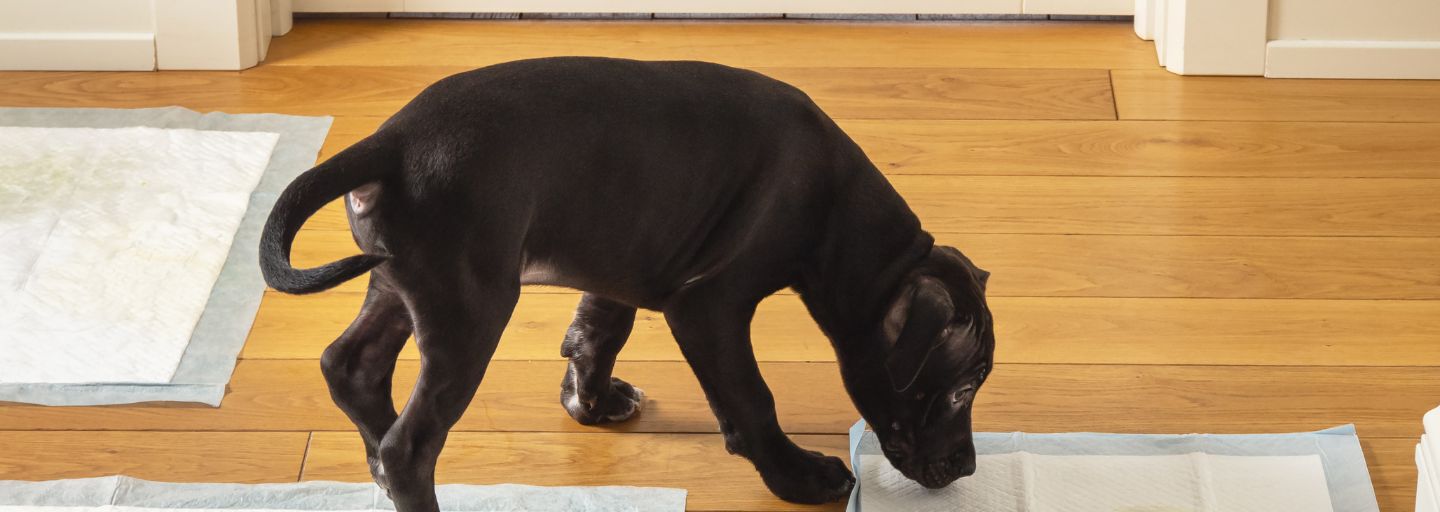
Watch your puppy closely for signs they need to go. Sniffing the floor, circling, or whining are common signals. Take your puppy outside immediately when you see these signs. Early action prevents accidents inside. Learning your puppy’s signals speeds up training.
Implementing Crate Training
Crate training helps control your puppy’s bathroom habits. Puppies dislike soiling their sleeping area. Use a crate that fits your puppy comfortably. Let your puppy out frequently to go outside. Never leave your puppy in the crate too long. Crate training builds good habits and safety.
Handling Accidents
Accidents are normal during puppy toilet training. Puppies are learning, and mistakes happen. How you handle these accidents affects your puppy’s learning and trust. Stay calm and patient. Your puppy needs your support to improve.
Cleaning Up Effectively
Clean accidents quickly to remove all smells. Use a pet-safe cleaner with enzymes. This stops puppies from returning to the same spot. Avoid strong cleaners like bleach. These can hurt your puppy or make smells worse. Always blot the area first. Then apply the cleaner and let it dry.
Avoiding Punishment
Never punish your puppy for accidents. Puppies do not connect punishment with the accident. Punishment can cause fear and confusion. Praise your puppy when they go outside. Positive actions teach better than punishment. Focus on rewarding good behavior. This helps your puppy learn faster.
Redirecting Behavior
Guide your puppy to the right spot gently. Watch for signs your puppy needs to go. Take them outside often, especially after eating or sleeping. Use a consistent command like “go potty.” Reward them immediately after they finish. This builds clear habits and encourages success.
Credit: www.purina.com.au
Adapting To Challenges
Toilet training puppies can bring many surprises. Challenges may arise that need quick changes to your plan. Adapting helps keep progress steady and reduces stress. Patience and flexibility make the process smoother for you and your puppy.
Managing Multiple Puppies
Training more than one puppy takes extra care. Each puppy learns at a different pace. Set separate potty schedules for each one. Watch closely to see who needs more breaks. Use clear signals so puppies understand when to go out. Clean accidents immediately to avoid confusion. Praise each puppy for good behavior to build confidence.
Dealing With Older Dogs
Older dogs may find new routines hard. They might not understand changes right away. Keep old habits in mind while training. Use gentle reminders and consistent commands. Patience is key to avoid frustration. Reward small steps to encourage success. Older dogs need time to adjust and learn.
Addressing Regression
Sometimes, puppies slip back to old habits. Stress, changes, or health issues can cause this. Stay calm and review your training steps. Increase potty breaks and watch for signals. Avoid punishment to keep trust strong. Reassure your puppy with kindness and routine. Consistency helps overcome setbacks quickly.
Maintaining Progress
Maintaining progress in toilet training is crucial for your puppy’s success. Consistency helps your puppy understand what is expected. It prevents accidents and builds good habits over time.
Staying patient and calm supports your puppy’s confidence. Keep routines steady and predictable. This creates a safe learning environment for your puppy.
Gradually Increasing Freedom
Start by giving your puppy small amounts of freedom. Let them explore one room at a time. Watch closely for signs they need to go outside. Slowly increase their access as they prove trustworthy. Avoid rushing this step to prevent accidents.
Reinforcing Good Habits
Always praise your puppy for going outside. Use treats and kind words to reward good behavior. Repeat the same commands each time for clarity. Avoid punishment, which can confuse and scare your puppy. Keep training sessions short and positive.
Monitoring Health Issues
Watch for changes in your puppy’s bathroom habits. Frequent accidents may signal health problems. Contact a vet if you notice unusual behavior. Early detection prevents serious issues. Healthy puppies learn toilet training faster and easier.
Frequently Asked Questions
How Long Does Puppy Toilet Training Usually Take?
Puppy toilet training typically takes 4 to 6 months. Consistency and patience speed up the process. Each puppy learns at its own pace, so stay calm and positive throughout training.
What Are The Best Tools For Puppy Toilet Training?
Use puppy pads, crates, and cleaning sprays for training. Crates help control accidents, while pads teach designated potty spots. Enzymatic cleaners remove odors to prevent repeat accidents.
How Often Should I Take My Puppy Outside?
Take your puppy outside every 1 to 2 hours. Frequent trips help prevent accidents and build good habits. Always praise your puppy immediately after they go outside.
Can I Toilet Train A Puppy Indoors?
Yes, indoor toilet training is possible using puppy pads. Gradually move the pads closer to the door. Eventually, transition your puppy to outdoor bathroom breaks.
Conclusion
Toilet training puppies takes time, patience, and consistency. Set a routine and stick to it every day. Praise your puppy for good behavior to encourage learning. Clean accidents quickly to avoid repeats. Remember, every puppy learns at their own pace.
Stay calm and positive throughout the process. Soon, your puppy will understand where to go. Enjoy the journey of raising a happy, well-trained dog. Small steps lead to big success in training. Keep trying, and you will see progress!


