

You want the best for your puppy, and that includes feeding them the right food. But now that your furry friend is 5 months old, you might be wondering: can your puppy eat adult dog food?
Making the wrong choice could affect their growth and health. Keep reading to discover what’s best for your puppy’s diet and how to make sure they get all the nutrients they need to thrive.
Puppy Vs Adult Dog Food
Puppy food and adult dog food serve different purposes. Puppies need more energy and nutrients to grow strong and healthy. Adult dog food focuses on maintaining health and weight. Understanding these differences helps you choose the best food for your 5-month-old puppy.
Nutritional Needs Of Puppies
Puppies require higher protein levels to build muscles and tissues. They also need more fat for energy during active growth. Vitamins and minerals support their developing bones and immune system. Puppy food is specially made to meet these needs every day.
Key Differences In Ingredients
Puppy food contains more calories than adult food. It often includes ingredients that are easy to digest. Fat and protein amounts are higher in puppy formulas. Adult dog food has fewer calories and less fat to prevent weight gain.
Growth And Development Requirements
Rapid growth happens in the first year of a dog’s life. Puppies need extra calcium and phosphorus for strong bones. Their brains and organs develop quickly, requiring balanced nutrition. Adult food lacks some nutrients essential for this fast growth.
Risks Of Feeding Adult Food To Puppies
Feeding adult dog food to a 5-month-old puppy carries some risks. Puppies need special nutrition to support their fast growth and development. Adult food often lacks the right balance of nutrients for young dogs. This can lead to health problems over time.
Understanding these risks helps you make better choices for your puppy’s diet. Here are some key issues to watch for.
Potential Nutritional Deficiencies
Adult dog food may not provide enough protein for puppies. Protein is essential for muscle and tissue growth. Puppies also need higher levels of fat for energy. Vitamins and minerals like calcium and phosphorus are crucial for strong bones. Without these, puppies can develop weak bones and poor muscle strength.
Impact On Growth And Health
Improper nutrition can slow a puppy’s growth. Their immune system may weaken, making them prone to illness. Puppies fed adult food might miss important fatty acids needed for brain development. This can affect their learning and behavior. The wrong diet can cause long-term health issues.
Digestive Issues To Watch For
Puppies may have trouble digesting adult food. It can cause upset stomach, diarrhea, or vomiting. Their digestive system is still developing and needs gentle food. Feeding adult food can lead to discomfort and poor nutrient absorption. Watch for signs like gas or loose stools after meals.
When Can Puppies Transition To Adult Food
Puppies need special food for healthy growth. Adult dog food has different nutrients than puppy food. Changing their diet too soon can affect their health. Knowing the right time to switch helps your puppy stay strong and happy.
Signs Your Puppy Is Ready
Your puppy shows signs when ready for adult food. Their growth slows down. They start to look less like a baby dog. Energy levels may change. Teeth become stronger and more permanent. Their appetite may also adjust. Watch for these clues before switching.
Recommended Age And Weight
Most puppies switch to adult food between 9 to 12 months. Small breeds may change earlier, around 9 months. Large breeds need more time, sometimes up to 18 months. Weight matters too. When your puppy reaches about 75% of their adult weight, it’s often time to change.
Gradual Transition Tips
Switch food slowly over 7 to 10 days. Start by mixing 25% adult food with 75% puppy food. Increase adult food each day. Watch for any upset stomach or changes in stool. Stop if your puppy shows discomfort. A slow switch helps avoid digestive problems.
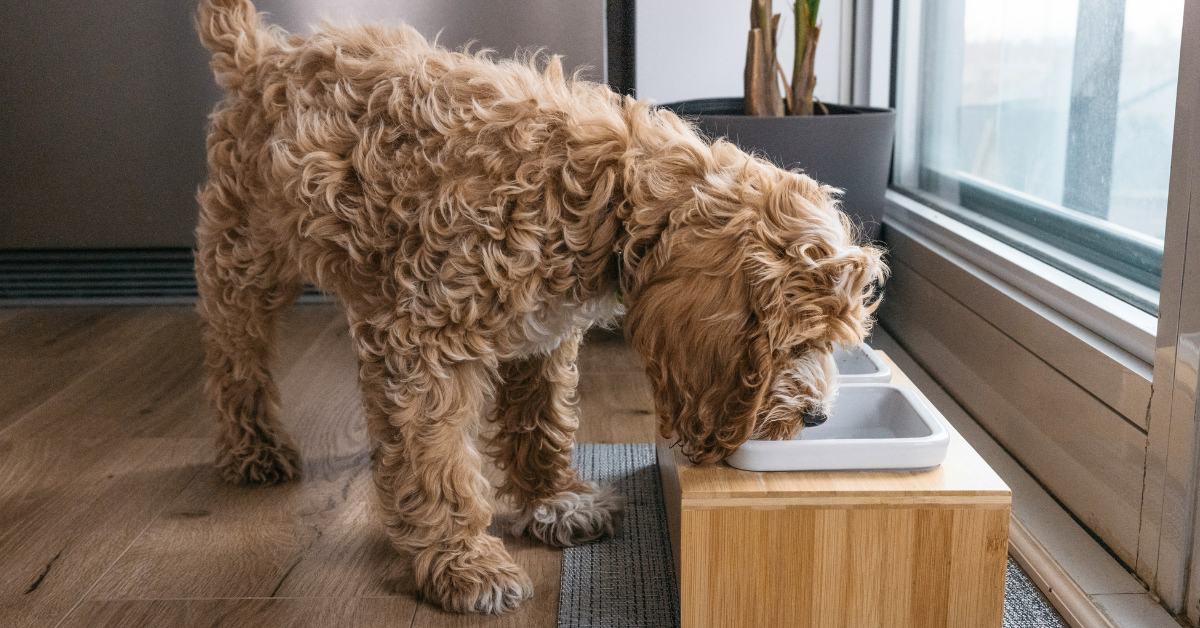
Credit: www.acanapetfoods.co.uk
Choosing The Right Food For Your Puppy
Choosing the right food for your 5-month-old puppy is very important. Puppies need special nutrients to grow strong and healthy. Adult dog food may not have the right balance of vitamins and minerals for young puppies. Feeding your puppy the correct food supports good development and keeps them energetic.
Understanding what to look for in dog food helps you make the best choice. Careful selection improves your puppy’s health and prevents future problems. Here are some key points to consider when choosing food for your puppy.
Reading Dog Food Labels
Check the label carefully. Look for the words “formulated for puppies” or “growth.” These mean the food meets puppy nutrition needs. Pay attention to the guaranteed analysis section. It shows protein, fat, fiber, and moisture amounts. Protein should be higher in puppy food than adult food. This helps build muscles and tissues.
Ingredients To Prioritize
Choose foods with real meat listed first. Chicken, beef, or fish are good protein sources. Whole grains and vegetables add fiber and vitamins. DHA, an omega-3 fatty acid, supports brain and eye growth. Foods rich in calcium and phosphorus help build strong bones. Avoid products with vague ingredients like “meat by-products.”
Avoiding Harmful Additives
Stay away from foods with artificial colors or flavors. These can irritate your puppy’s stomach. Avoid preservatives like BHA, BHT, and ethoxyquin. They may cause health issues over time. Choose foods with natural preservatives like vitamin E or rosemary extract. Simple, natural ingredients keep your puppy safe and healthy.
Expert Recommendations
Choosing the right food for a 5-month-old puppy can be tricky. Expert advice helps guide this important decision. Experts focus on health, growth, and nutritional needs of puppies. They share insights on feeding practices and food types. Understanding these tips ensures your puppy grows strong and healthy.
Veterinarian Advice
Veterinarians recommend puppy-specific food until at least 12 months old. Puppy food has more protein and fat for growth. Adult dog food lacks some nutrients puppies need. Switching too early can cause health problems. Always consult your vet before changing your puppy’s diet. They can provide advice tailored to your puppy’s needs.
Breed-specific Considerations
Different breeds grow at different rates. Large breeds need special diets to avoid bone problems. Small breeds may need more calories for energy. Breed size affects when to switch to adult food. Experts suggest following breed-specific feeding guides. This helps meet your puppy’s unique growth needs.
Supplementing Puppy Diets
Sometimes, adding supplements can support puppy health. Vitamins and minerals help fill nutritional gaps. Use supplements only after vet approval. Over-supplementing can harm your puppy. Balanced puppy food usually provides all needed nutrients. Supplements are for special cases or advice from experts.
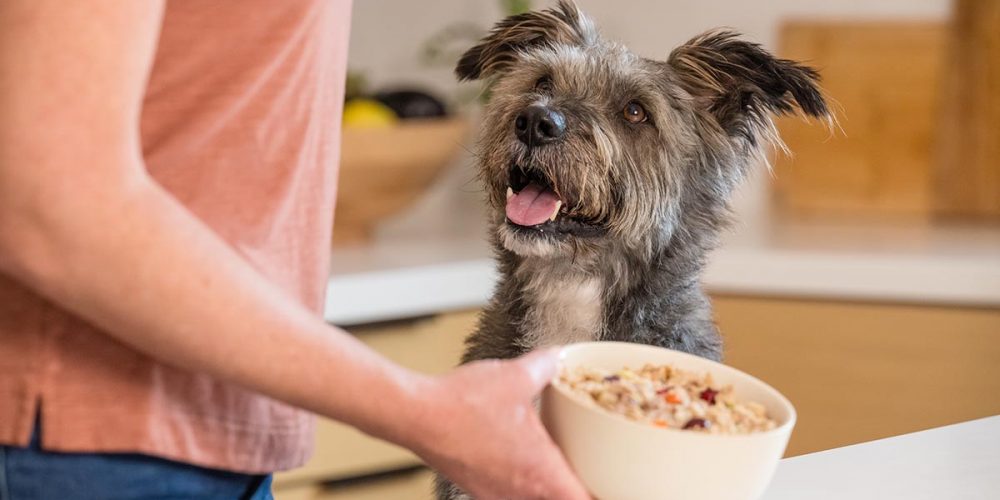
Credit: blog.justfoodfordogs.com
Monitoring Your Puppy’s Health
Monitoring your puppy’s health is very important when changing their diet. Puppies grow fast. Their nutritional needs change quickly. Careful watching helps avoid problems.
Switching a 5-month-old puppy to adult dog food needs close attention. You must check how your puppy reacts. Signs of good health or problems show if the diet fits well.
Signs Of Nutritional Imbalance
Watch for weight loss or poor coat condition. Dull fur or hair loss can be a sign. Low energy or frequent tiredness shows lack of nutrients. Digestive issues like diarrhea or vomiting also warn of problems.
Pay attention to your puppy’s stool. Hard or very loose stools mean diet might not suit. Always note changes in appetite or mood. These signs help catch imbalances early.
Adjusting Diet Based On Growth
Puppies grow unevenly. Their energy needs change fast. Adjust food amounts as they get bigger. Add more if your puppy seems hungry. Reduce if they gain too much weight.
Consider mixing adult food with puppy food at first. This helps the puppy adjust. Monitor growth with regular weigh-ins. Tailor the diet to support healthy development.
When To Consult A Vet
Seek veterinary advice if you see worrying signs. Weight loss, constant vomiting, or diarrhea need a vet visit. Sudden changes in behavior or appetite require help too.
The vet can suggest the best diet for your puppy’s age. Professional advice ensures your puppy stays healthy and strong. Don’t wait if problems appear.
:strip_icc()/Puppy-food-feeding-schedule-2804779-a35fb27f23bd427cbea6ed24236fee22.jpg)
Credit: www.thesprucepets.com
Frequently Asked Questions
Can A 5-month-old Puppy Eat Adult Dog Food?
A 5-month-old puppy can eat adult dog food, but it’s not ideal. Puppy food has more nutrients for growth. Adult food may lack essential vitamins and calories puppies need. Consult your vet before switching to adult food to ensure proper nutrition.
When Should I Switch My Puppy To Adult Dog Food?
Most puppies should switch to adult dog food between 9 to 12 months. Large breeds may take longer. Switching too early can affect growth. Always follow your vet’s advice on the best time to change food.
What Are The Risks Of Feeding Adult Food To Puppies?
Feeding adult food to puppies can cause nutrient deficiencies. Adult food has fewer calories and less protein. This can stunt growth and weaken the immune system. Puppies need nutrient-rich food for healthy development and energy.
Can Adult Dog Food Cause Digestive Issues In Puppies?
Yes, adult dog food may cause digestive issues in puppies. Puppies have sensitive stomachs needing specific nutrients. Adult food can lead to diarrhea or upset stomach. Gradual food transition and vet guidance can minimize these risks.
Conclusion
A 5-month-old puppy needs food made for growing dogs. Adult dog food lacks some important nutrients puppies need. Feeding adult food too soon can cause health problems. Always choose a puppy formula for proper growth and energy. Watch your puppy’s weight and energy levels closely.
Consult your vet before changing your puppy’s diet. Good nutrition now helps your dog stay strong and healthy later. Keep your puppy’s meals balanced and suited to its age. This care builds a happy and healthy dog for life.

