

Are you curious about what makes large dog breeds so special? Whether you’re thinking about adding a big furry friend to your family or just want to learn more, understanding these gentle giants can help you make the best choice.
Large dogs bring strength, loyalty, and a unique presence that can change your life. But they also come with their own needs and challenges. Keep reading to discover what defines large dog breeds and how they might fit perfectly into your home and heart.
Traits Of Large Dog Breeds
Large dog breeds have unique traits that set them apart. These dogs are known for their impressive size and strong build. They need special care and attention due to their size. Understanding their traits helps owners provide better care and a happy home.
Size And Weight Range
Large dog breeds vary in size but are generally over 50 pounds. Some can weigh up to 150 pounds or more. Their height usually ranges from 24 to 30 inches at the shoulder. These dogs have strong muscles and a sturdy frame. Their size requires spacious living areas and sturdy equipment like collars and beds.
Temperament And Behavior
Many large breeds are gentle giants with calm temperaments. They tend to be loyal, protective, and good with families. Some breeds have a natural guarding instinct. Training and socialization are important to manage their strength. They often enjoy being around people and other pets. Patience and consistency help bring out their best behavior.
Exercise Needs
Large dogs need regular exercise to stay healthy. Daily walks and playtime help burn their energy. Some breeds require more intense exercise like running or hiking. Lack of activity can lead to weight gain and health problems. Exercise also supports their mental well-being. Owners should tailor activity to the breed’s energy level and age.
Popular Giant Dog Breeds
Popular giant dog breeds attract many dog lovers. Their size and gentle nature make them special. These breeds often have calm and friendly personalities. They make great family pets and protectors. Below are some of the most popular giant dog breeds.
Great Dane
Great Danes are one of the tallest dog breeds. They can reach up to 32 inches tall. Despite their size, they are very gentle. They are often called “gentle giants.” Great Danes enjoy being close to their owners.
Saint Bernard
Saint Bernards are famous for rescue work in the mountains. They have thick fur that keeps them warm. These dogs are strong and very patient. Saint Bernards are good with children and other pets.
Mastiff
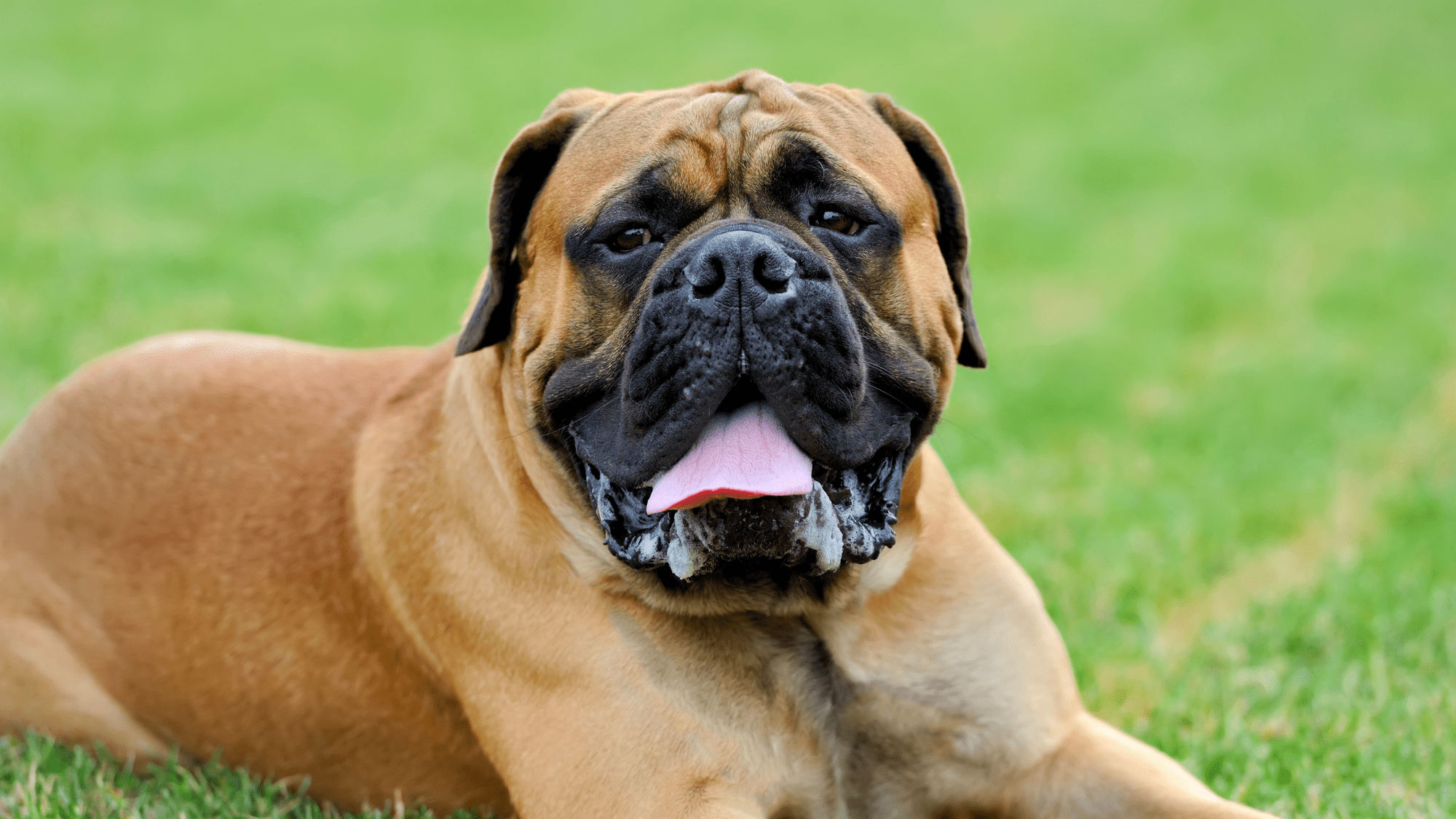
Mastiffs are large, muscular dogs. They are known for their loyalty and courage. Mastiffs protect their families without being aggressive. Their calm nature makes them good house dogs.
Newfoundland
Newfoundlands are strong swimmers with thick coats. They were bred to help fishermen. These dogs are gentle and love water. Newfoundlands are great companions and protectors.
Irish Wolfhound
Irish Wolfhounds are very tall and fast. They were once used in hunting large animals. These dogs are friendly and quiet. They enjoy calm walks and lots of rest.
Choosing The Right Giant Breed
Choosing the right giant dog breed takes careful thought. These dogs need space, care, and love. Not every large breed fits every home or family. Understanding key factors helps pick the best giant dog for your life.
Living Space Considerations
Big dogs need room to move freely. Apartments or small homes may feel tight for them. A large yard or open space suits giant breeds best. Without enough space, dogs can become restless or anxious. Think about your home’s size before choosing a large breed.
Family Compatibility
Giant dogs can be gentle or energetic. Some breeds get along well with children and other pets. Others may need more training to behave calmly. Consider your family’s activity level and needs. Choose a breed that matches your lifestyle and energy.
Health Factors
Large dogs often face unique health issues. Joint problems and heart conditions are common in giant breeds. They may need special diets and regular vet visits. Learn about the breed’s health risks before deciding. Proper care helps your dog live a longer life.
Credit: pethelpful.com
Care Tips For Large Dogs
Large dog breeds need special care to stay healthy and happy. Their size affects their diet, exercise, and health needs. Giving proper care helps them live longer and feel better. Learn important tips for taking care of big dogs.
Nutrition And Diet
Large dogs need food made for their size and age. Choose high-quality dog food with balanced nutrients. Protein helps build strong muscles. Avoid overfeeding to prevent obesity. Feed in measured portions two times a day. Fresh water must always be available.
Exercise And Training
Big dogs need daily exercise to stay fit and calm. Walks, playtime, and running help burn energy. Training helps them behave well and stay safe. Use positive rewards like treats and praise. Start training early to build good habits. Avoid too much jumping to protect their joints.
Health Maintenance
Regular vet visits keep large dogs healthy. Watch for joint problems like arthritis or hip dysplasia. Keep their teeth clean with brushing or dental treats. Vaccinate and use flea and tick prevention. Check their weight often to avoid health issues. Groom them regularly to keep skin and coat healthy.
Challenges Of Owning Giant Dogs
Owning a giant dog brings unique challenges. These large breeds need more care and attention than smaller dogs. Understanding these challenges helps prepare for a happy life with a big dog. Let’s explore the main issues that come with owning giant dogs.
Space Requirements
Giant dogs need plenty of room to move around. Small apartments or homes may feel cramped for them. Outdoor space like a big yard suits them best. Without enough space, dogs can feel stressed or restless. They need room to stretch, run, and play safely.
Cost Of Care
Large breeds cost more to feed and care for. They eat a lot more food each day. Vet visits, medicines, and grooming also cost more. Special beds and bigger toys add to expenses. Budgeting well helps avoid surprises with these costs.
Common Health Issues
Giant dogs face health problems more often than smaller dogs. Joint problems like hip dysplasia are common. Heart and bone diseases can also occur. Regular vet check-ups catch issues early. Good care and a healthy diet support their wellbeing.

Credit: www.goodhousekeeping.com

Credit: www.thepioneerwoman.com
Frequently Asked Questions
What Defines A Large Dog Breed?
Large dog breeds typically weigh over 50 pounds and stand taller than 22 inches. They have a robust build and require more space and exercise than smaller breeds.
Which Are The Most Popular Large Dog Breeds?
Popular large dog breeds include the Labrador Retriever, German Shepherd, Golden Retriever, and Great Dane. These breeds are known for their strength, loyalty, and family-friendly nature.
How Much Exercise Do Large Dog Breeds Need?
Large dog breeds need at least one to two hours of exercise daily. Regular activity keeps them healthy, prevents obesity, and reduces behavioral issues.
Are Large Dog Breeds Suitable For Families?
Yes, many large dog breeds are gentle, protective, and great with children. Proper training and socialization ensure they fit well in family environments.
Conclusion
Large dog breeds bring joy and strength to many homes. They need space, care, and gentle training. These dogs often form strong bonds with families. Their size can be a big responsibility but also a great reward. Choosing the right breed matters for your lifestyle.
Think about their needs, energy, and temperament. Big dogs can protect and comfort you well. They make loyal companions for many years. Consider all factors before bringing one home. A large dog can be a wonderful friend.


