

Are you unsure about how much food your adult dog really needs each day? Feeding your dog the right amount is more important than you might think.
Too little food can leave them hungry and weak, while too much can lead to weight gain and health problems. You’ll discover simple, clear guidelines to help you find the perfect daily portion for your furry friend. Keep reading to ensure your dog stays healthy, happy, and full of energy every single day.
Daily Calorie Needs
Adult dogs need the right amount of food to stay healthy and active. Their daily calorie needs depend on size, age, and activity level. Feeding the correct portion helps maintain a healthy weight.
Factors Affecting Calorie Requirements
Every adult dog needs a certain number of calories each day to stay healthy. This number depends on several factors. Size matters. Bigger dogs burn more calories than smaller ones. Age plays a role too. Older dogs tend to need fewer calories. Activity level is key. Active dogs require more energy than those who rest often.
Breed differences affect metabolism. Some breeds have faster metabolisms and need extra calories. Health status also counts. Dogs with health problems may need special diets and calorie adjustments. Spayed or neutered dogs usually have lower calorie needs. These factors together shape how much food your dog should eat daily.
Calculating Your Dog’s Energy Needs
Start by finding your dog’s ideal weight. Use this weight for calorie calculation. The Resting Energy Requirement (RER) is the base number. Calculate RER with this formula: 70 × (ideal weight in kg)0.75. This gives the calories needed for basic functions like breathing and digestion.
Next, multiply RER by an activity factor. For a sedentary dog, multiply by 1.2 to 1.4. For a moderately active dog, use 1.5 to 1.8. Very active dogs need 2.0 or more. This gives the Maintenance Energy Requirement (MER), or daily calorie need.
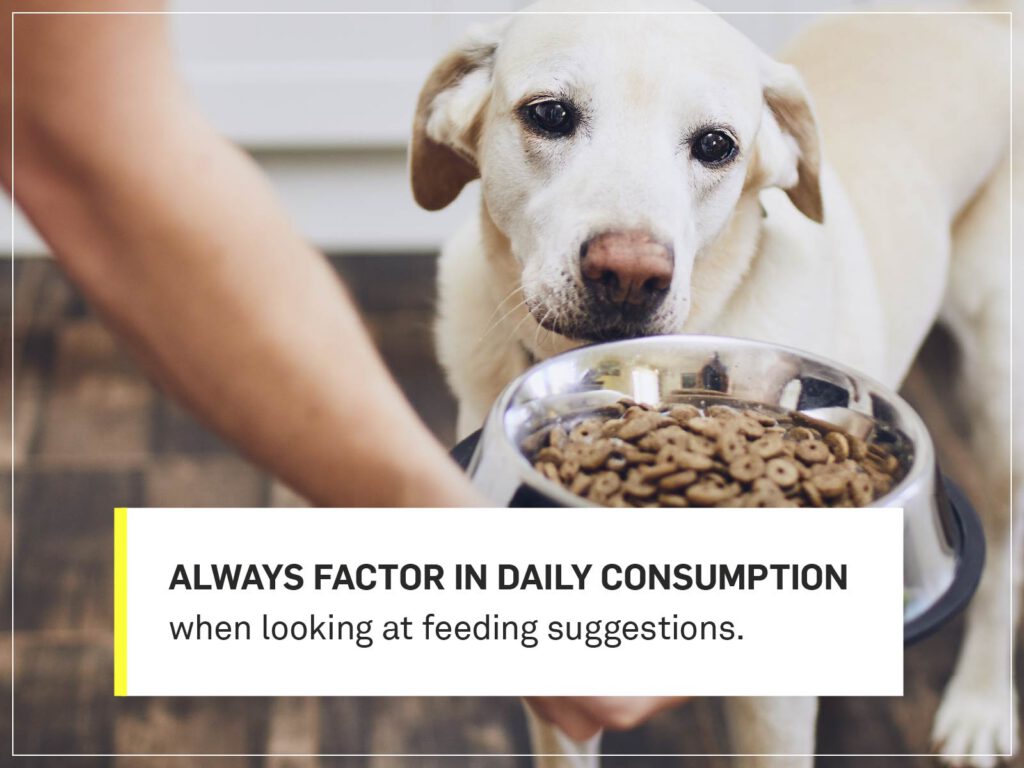
Adjust calories based on health and lifestyle. Always check your dog’s weight and condition. Change the food amount if your dog gains or loses weight. This method helps feed your dog just the right amount every day.
Credit: www.gallant.com
Portion Sizes By Weight
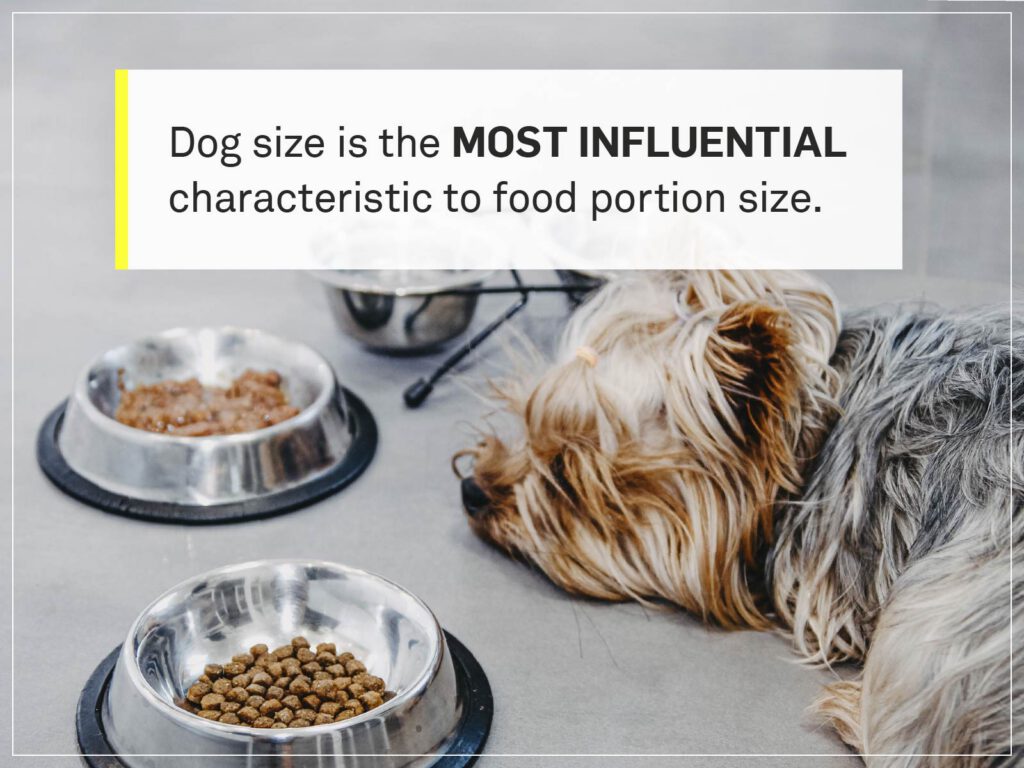
Portion sizes for adult dogs depend mainly on their weight. Feeding the right amount keeps dogs healthy and energetic. Too much food can cause weight gain. Too little may lead to malnutrition. Understanding portion sizes by weight helps owners feed their dogs properly.
Small Breeds
Small breed dogs usually weigh under 20 pounds. They need about ⅓ to ¾ cup of food daily. This depends on their activity level and age. Small dogs have faster metabolisms and burn calories quickly. Feeding small, frequent meals often suits them best.
Medium Breeds
Medium breeds weigh between 20 and 50 pounds. They require roughly 1 to 2 cups of food each day. Their energy needs vary by breed and lifestyle. Portion control helps avoid obesity, which is common in medium dogs. Measuring food accurately ensures balanced nutrition.
Large Breeds
Large dogs weigh more than 50 pounds. They need 2 to 4 cups of food daily. Large breeds grow slower and need controlled portions. Overfeeding can strain joints and cause health issues. Regularly checking weight helps adjust food amounts properly.
Food Types And Their Impact
Choosing the right food type affects how much your dog should eat daily. Different foods have different calorie levels and nutrient content. This impacts your dog’s energy and health. Understanding food types helps you feed your dog the right amount.
Dry Kibble
Dry kibble is the most common dog food type. It has less moisture and more calories per cup. Dogs often need less volume of kibble compared to wet food. Kibble helps keep teeth clean by reducing plaque buildup. It is easy to store and measure for daily feeding.
Wet Food
Wet food contains more water and fewer calories per serving. Dogs eating wet food usually need a larger portion to meet energy needs. It tastes good and can help dogs drink more water. Wet food spoils faster, so store it carefully after opening.
Raw Diets
Raw diets include uncooked meat, bones, and vegetables. This diet has natural nutrients and fewer processed ingredients. Raw food can be high in calories, so feeding amounts vary. It requires careful handling to avoid bacteria risks. Many owners choose raw diets for a natural feeding approach.
Adjusting Food Amounts
Adjusting the amount of food your adult dog eats is important for their health. Dogs have different needs based on many factors. Feeding the right amount helps keep your dog fit and happy. Watch your dog’s weight and energy to guide feeding amounts.
Age And Activity Level
Young adult dogs burn more energy. They need more calories than older dogs. Older dogs often move less. They require fewer calories to avoid weight gain. Active dogs that run or play a lot need more food. Less active dogs need less food to stay healthy.
Health Conditions
Dogs with health problems may need special diets. Some illnesses require more or less food. Check with your vet for the best feeding plan. Overweight dogs might need fewer calories. Dogs with some diseases may need more nutrients. Always follow your vet’s advice closely.
Pregnant Or Nursing Dogs
Pregnant dogs need more food to support their puppies. Their calorie needs increase as pregnancy progresses. Nursing dogs need the most food to produce milk. Feed these dogs more often and with higher quality food. Keep an eye on their weight and health during this time.
Feeding Frequency Tips
Feeding frequency plays a big role in your adult dog’s health and happiness. It helps keep their energy steady and digestion smooth. Knowing how often to feed your dog can prevent health problems and support good habits.
Meal Timing
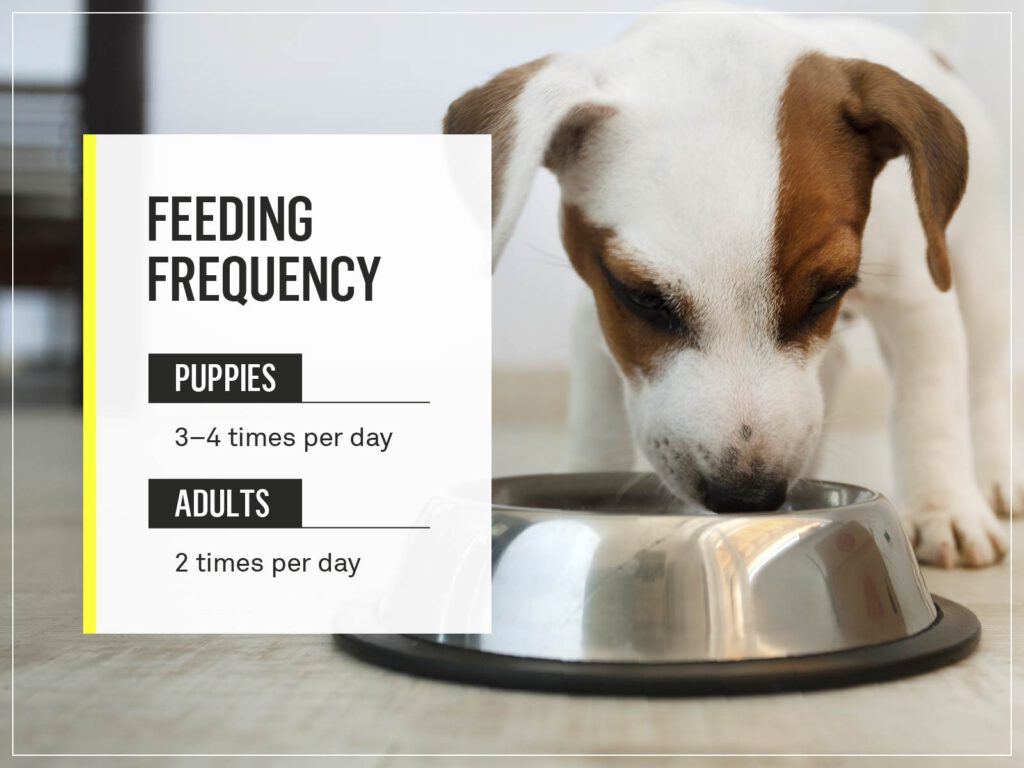
Feed your adult dog twice a day. Morning and evening work best. This routine keeps their energy balanced. Dogs feel less hungry and avoid overeating. Keep mealtimes consistent every day. Regular timing helps your dog stay calm and expect food.
Avoiding Overfeeding
Give the right portion at each meal. Too much food leads to weight gain. Overfeeding can cause health issues like joint pain and diabetes. Watch your dog’s weight and adjust food if needed. Use a measuring cup to control portions. Avoid free feeding or leaving food out all day.
Credit: www.gallant.com
Common Feeding Mistakes
Feeding an adult dog is not just about filling the bowl. Many dog owners make common mistakes that affect their pet’s health. These errors can lead to weight gain, poor nutrition, or behavior problems. Understanding these mistakes helps keep your dog healthy and happy. Here are some frequent feeding errors to avoid.
Ignoring Treat Calories
Treats can add many extra calories. Owners often forget to count them in daily food portions. This can cause weight gain and health issues. Treats should be given in moderation. Choose low-calorie treats and adjust meal sizes accordingly. Always check the treat’s nutrition label for calorie content.
Free-feeding Risks
Free-feeding means leaving food out all day. Some dogs eat too much this way. It can cause obesity and digestive problems. Others may not eat enough and lose weight. Scheduled feeding times help control portions. This practice supports healthy digestion and weight management.
Monitoring Your Dog’s Weight
Monitoring your dog’s weight is key to their health. It helps you adjust food amounts to keep your dog fit. Regular checks prevent problems caused by eating too much or too little. Watch your dog’s body and behavior to spot changes early. Small steps make a big difference in their well-being.
Signs Of Overfeeding
Excess weight gain is a clear sign of overfeeding. Your dog may have a round belly and look less active. Difficulty breathing or moving can also happen. Overfed dogs often show less interest in walks or playtime. Look for fat deposits around the ribs and hips. These signs mean you should reduce their food intake.
Signs Of Underfeeding
Weight loss without reason is a sign of underfeeding. Your dog might appear thin with visible ribs and spine. Low energy and weakness can show up quickly. A dull coat and slow healing of wounds may occur. Hunger behaviors, like begging or scavenging, increase. These signs mean your dog needs more food or a vet check.
Credit: www.gallant.com
Frequently Asked Questions
How Much Food Does An Adult Dog Need Daily?
An adult dog typically needs 2-3% of its body weight in food per day. This varies by breed, activity level, and health. Always adjust portions based on your dog’s specific needs and consult your vet for personalized advice.
Does Dog Size Affect Daily Food Amount?
Yes, larger dogs generally require more food than smaller dogs. However, nutritional needs depend on age, activity, and metabolism. Feeding guidelines on dog food packaging offer good starting points, but individual adjustments are crucial.
How Often Should I Feed My Adult Dog Daily?
Most adult dogs do well with two meals per day. Splitting food helps maintain energy and digestion. Some dogs may need more frequent small meals, especially if they have special health needs or high activity.
Can Overfeeding Harm My Adult Dog?
Yes, overfeeding can cause obesity, joint issues, and diabetes in dogs. It reduces lifespan and quality of life. Monitor your dog’s weight regularly and adjust food portions to keep them healthy and active.
Conclusion
Feeding your adult dog the right amount keeps them healthy and happy. Each dog is different, so watch their weight and energy. Adjust food based on size, activity, and age. Too much food can cause weight gain. Too little can lead to weakness.
Regular meals and fresh water help your dog thrive. Talk to your vet for personalized advice. Small changes make a big difference in your dog’s life. Keep feeding simple and consistent for the best results.


