

Have you ever wondered if the dog food you buy truly meets all your pet’s nutritional needs? You want the best for your furry friend, but with so many options on the market, it’s hard to know what’s really inside that bag or can.
Understanding whether dog foods are nutritionally complete is key to keeping your dog healthy and happy. You’ll discover what makes dog food complete, what to look for on labels, and how to ensure your dog gets all the nutrients they need every day.
Keep reading to make confident choices that support your dog’s well-being for years to come.
Nutritional Needs Of Dogs
Dogs need a balanced diet to stay healthy and active. Their nutritional needs vary by age, size, and health status. Proper nutrition supports growth, energy, and overall well-being. Understanding these needs helps choose the best food for your dog.
Essential Nutrients For Canines
Dogs need proteins, fats, carbohydrates, vitamins, and minerals. Proteins build muscles and repair tissues. Fats provide energy and keep the skin healthy. Carbohydrates supply quick energy. Vitamins and minerals support the immune system and body functions. Water is crucial for hydration and digestion.
Life Stage And Dietary Requirements
Puppies need more protein and calories for growth. Adult dogs require balanced nutrients to maintain health. Senior dogs benefit from fewer calories and joint support nutrients. Pregnant or nursing dogs need extra nutrients for their puppies. Diet must change as dogs age or their health changes.
Common Nutritional Deficiencies
Some dogs lack essential nutrients like calcium, vitamin D, or omega-3 fatty acids. Deficiencies can cause weak bones, dull coats, and poor immune response. Signs include lethargy, weight loss, or skin problems. Proper dog food should prevent these issues by providing all needed nutrients.
Types Of Dog Foods
Dogs need food that gives them all the nutrients for good health. Different types of dog foods offer varied nutrition and benefits. Understanding these types helps you choose the best for your dog’s needs.
Commercial Dry And Wet Foods
Dry dog food is easy to store and feed. It helps keep your dog’s teeth clean. Wet food has more moisture and can be tastier for dogs. Both types often contain balanced nutrients made for daily feeding. Many brands meet standards for complete nutrition.
Raw And Homemade Diets
Raw diets use uncooked meat, bones, and vegetables. Some owners prefer this to mimic a dog’s natural diet. Homemade diets let you control every ingredient. But these diets need careful planning. Nutrient balance is critical to avoid deficiencies or excesses.
Specialty And Prescription Formulas
Specialty foods target specific health needs like allergies or weight control. Prescription diets are made for medical issues. These foods are made under vet guidance. They support health problems and improve quality of life.
Ingredients And Labels
Choosing the right dog food depends a lot on understanding its ingredients and labels. These details tell you what your dog will eat and how healthy it is. Reading labels carefully helps ensure your pet gets the nutrition needed for a happy life.
Reading Dog Food Labels
Dog food labels show essential information like ingredients, nutrients, and feeding instructions. The first ingredients listed are the most important parts of the food. Check the guaranteed analysis for protein, fat, and fiber percentages. This helps you compare different brands quickly. Look for feeding guidelines based on your dog’s weight and age. These details help feed your dog the right amount every day.
Understanding Ingredient Lists
Ingredients appear in order from most to least by weight. Meat, grains, and vegetables are common parts. Protein sources like chicken or beef should be near the top. Avoid foods with too many fillers such as corn or soy. Some ingredients have unclear names, like “meat meal.” These are concentrated protein sources but can vary in quality. Understanding what each ingredient means helps you pick better food for your dog.
Claims And Certifications
Labels often include claims like “complete and balanced” or “natural.” These claims mean the food meets basic nutritional standards. Certifications from organizations such as AAFCO guarantee the food meets pet nutrition requirements. Look for seals or badges that confirm quality and safety. Some foods also mention being grain-free or organic. Always check if these claims match your dog’s dietary needs.

Credit: www.amazon.com
Regulations And Standards
Dog food must meet strict rules to be safe and healthy. Regulations and standards help ensure pet foods have the right nutrients. These rules protect dogs from poor-quality ingredients and harmful substances. Understanding these guidelines helps pet owners choose good food.
Aafco Guidelines
The Association of American Feed Control Officials (AAFCO) sets nutrient profiles for dog food. These profiles list essential vitamins, minerals, and proteins needed. Dog foods that meet AAFCO standards are labeled as “complete and balanced.” This means the food can support a dog’s health at a specific life stage.
AAFCO also defines feeding trials to check if food supports growth or maintenance. Foods passing these tests meet strict nutritional requirements. Pet owners can trust AAFCO labels as a sign of quality.
Fda Oversight
The Food and Drug Administration (FDA) monitors pet food safety. The FDA inspects manufacturing plants and enforces rules to prevent contamination. They respond to complaints and recall unsafe products quickly.
The FDA ensures pet food labels are honest and not misleading. Their role is vital to keep harmful ingredients out of dog food. This oversight protects pets from health risks.
Quality Control In Manufacturing
Manufacturers use quality control to keep dog food safe and nutritious. They test raw materials and finished products regularly. This ensures consistency in nutrient content and safety.
Strict hygiene and good manufacturing practices prevent contamination. Quality control helps avoid issues like mold, bacteria, or toxins. Reliable companies follow these practices to deliver trustworthy dog food.
Common Misconceptions
Many pet owners hold strong beliefs about dog food. Some ideas are true, but many are not. These common misconceptions can affect a dog’s health and diet. Understanding facts helps owners choose better food for their pets.
Myths About Grain-free Diets
Grain-free dog food seems healthy to many. People think grains cause allergies or weight gain. Most dogs digest grains well and benefit from their nutrients. Grain-free diets may lack important fibers and vitamins. Some grain-free foods linked to heart problems. A balanced diet often includes grains in safe amounts.
Raw Food Diet Risks And Benefits
Raw diets sound natural and healthy. Some owners believe raw food is best for dogs. Raw food can carry harmful bacteria like Salmonella. It may cause nutrient imbalances if not prepared right. Cooking food kills bacteria and improves digestion. Raw diets need careful planning and hygiene to be safe.
Homemade Diet Pitfalls
Making dog food at home looks simple. Many owners think homemade means healthier food. Without expert advice, homemade meals may lack key nutrients. Dogs need correct amounts of protein, fats, and vitamins. Too much or too little of any nutrient can harm them. Vet guidance is important when choosing homemade diets.
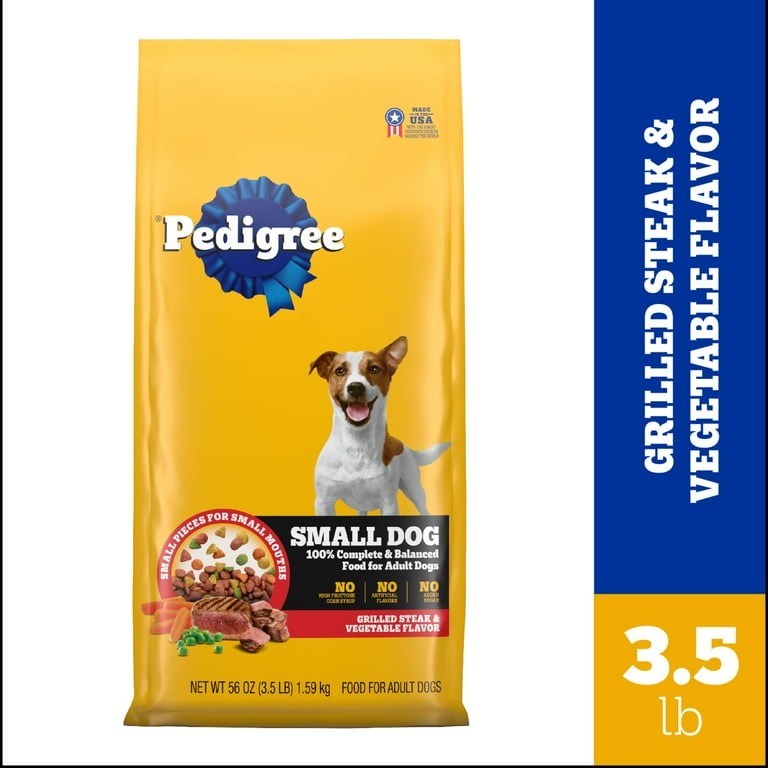
Credit: www.walmart.com
Evaluating Nutritional Completeness
Evaluating the nutritional completeness of dog food is important for pet owners. Dogs need a balanced diet to stay healthy and active. Not all dog foods meet these needs equally. Understanding what makes food complete helps you choose the best option.
What Makes Food Complete And Balanced
Complete dog food contains all nutrients dogs require daily. It includes proteins, fats, vitamins, minerals, and carbohydrates in the right amounts. Balanced food supports growth, energy, and body functions. Look for labels stating “complete and balanced” by AAFCO or similar authorities. These labels show the food meets established nutritional standards.
Signs Of Nutritional Imbalance
Watch for signs if your dog lacks nutrients. Symptoms include dull coat, low energy, weight changes, and digestive issues. Poor muscle tone and weak bones also indicate problems. These signs suggest the food may not be meeting your dog’s needs. Regular observation helps catch issues early.
Consulting With Veterinarians
Veterinarians offer expert advice on dog nutrition. They can recommend foods based on your dog’s age, breed, and health. Regular check-ups allow vets to spot nutritional problems early. Discuss any diet changes with your vet before switching foods. Their guidance ensures your dog stays healthy and well-fed.
Tips For Choosing Dog Food
Choosing the right dog food is important for your pet’s health. Different dogs have different needs. Knowing how to pick the best food helps keep your dog happy and strong.
Assessing Your Dog’s Needs
Every dog is unique. Age, size, and activity level affect their food needs. Puppies need more nutrients to grow. Older dogs may need food that is easier to digest. Active dogs burn more energy and need more calories. Check your dog’s health and ask your vet for advice.
Budget Vs. Quality
Good dog food can cost more. But cheap food may lack nutrients. Choose a food that fits your budget but offers balanced nutrition. Look for brands that list real meat and whole ingredients. Avoid foods with too many fillers or artificial additives.
Transitioning Between Foods
Changing dog food should be slow. Sudden changes can upset your dog’s stomach. Mix new food with old food over 7 to 10 days. Gradually increase the new food amount. Watch for any signs of discomfort or allergies during this time.

Credit: www.amazon.com
Frequently Asked Questions
Are Commercial Dog Foods Nutritionally Complete?
Most commercial dog foods are formulated to meet nutritional standards. They provide balanced proteins, fats, vitamins, and minerals. Always check labels for AAFCO approval to ensure completeness. However, some specialty diets may require supplementation or vet consultation for specific health needs.
How To Identify If Dog Food Is Complete Nutrition?
Look for AAFCO statement on the packaging. It confirms the food meets nutrient profiles for dogs. Complete nutrition means the diet supports all life stages without extra supplements. Also, ensure the food suits your dog’s breed, size, and health conditions.
Can Homemade Dog Food Be Nutritionally Complete?
Homemade dog food can be complete with proper recipes. It requires careful balance of proteins, carbs, fats, vitamins, and minerals. Consulting a veterinary nutritionist is essential. Without guidance, homemade meals may lack critical nutrients, risking dog health and wellbeing.
Why Is Balanced Nutrition Important In Dog Food?
Balanced nutrition supports your dog’s overall health and longevity. It ensures proper growth, energy, immune function, and organ health. Incomplete diets may cause deficiencies or health issues. Choosing nutritionally complete food helps maintain your dog’s vitality and quality of life.
Conclusion
Choosing the right dog food matters for your pet’s health. Not all dog foods meet every nutritional need. Check labels carefully and know what your dog requires. Balanced nutrition supports energy, growth, and overall well-being. Trust brands that follow strict quality standards.
Remember, your vet can help guide your choices. Feeding your dog well helps them live a happy life. Simple steps make a big difference in your dog’s health. Keep learning and stay attentive to your dog’s diet.


