

Choosing the best dog food for your pet’s nutrition can feel overwhelming. You want to give your furry friend the healthiest, tastiest meals, but with so many options out there, where do you start?
What ingredients truly matter? And how can you be sure your dog is getting everything they need to stay happy and strong? You’ll discover clear answers that make feeding your dog easier and more effective than ever. Keep reading to find out how to pick the perfect dog food that supports your pet’s health every day.

Credit: www.amazon.com
Key Nutrients For Dogs
Dogs need a balanced mix of nutrients to stay healthy and active. Good nutrition supports their growth, energy, and immune system. Knowing the key nutrients helps you choose the best dog food.
Proteins And Amino Acids
Proteins build strong muscles and repair tissues. They provide amino acids, which are the building blocks of protein. Dogs need essential amino acids to maintain healthy skin, coat, and organs. Meat, fish, and eggs are rich protein sources.
Essential Fats
Fats give dogs energy and support brain health. Essential fats include omega-3 and omega-6 fatty acids. These fats help reduce inflammation and keep the coat shiny. Sources include fish oil, flaxseed, and chicken fat.
Vitamins And Minerals
Vitamins and minerals help with many body functions. They support bones, teeth, and the immune system. Important vitamins include A, D, E, and B-complex. Minerals like calcium, phosphorus, and zinc are vital for strong bones.
Carbohydrates And Fiber
Carbohydrates provide energy and help digestion. Fiber aids in healthy bowel movements and prevents constipation. Good carb sources are rice, oats, and sweet potatoes. Fiber comes from vegetables and grains.
Types Of Dog Food
Choosing the right type of dog food is important for your pet’s health. Different foods offer different nutrients and benefits. Understanding the main types of dog food helps you pick the best option for your dog’s needs.
Dry Kibble
Dry kibble is the most common dog food type. It is easy to store and serve. Kibble helps keep teeth clean by reducing plaque. It usually contains balanced nutrients for daily health. Many brands offer formulas for specific dog sizes and ages.
Canned Food
Canned food is moist and soft, which some dogs prefer. It often has higher protein and fat content. This food type can be more appealing to picky eaters. Canned food usually costs more and must be refrigerated after opening.
Raw Diet
Raw diets include uncooked meat, bones, and vegetables. Supporters say it mirrors a dog’s natural diet. It may improve coat shine and energy levels. Raw diets need careful preparation to avoid bacteria risks. Consult a vet before starting this diet.
Homemade Meals
Homemade meals let you control every ingredient. You can avoid fillers and allergens. This option requires time and knowledge about dog nutrition. Homemade food should be balanced to meet all nutrient needs. A vet’s advice helps create safe recipes.
Freeze-dried And Dehydrated Options
Freeze-dried and dehydrated foods keep nutrients by removing moisture. They are lightweight and easy to store. Just add water before feeding. These foods often contain natural ingredients without preservatives. They offer a middle ground between raw and kibble diets.
Choosing Food By Life Stage
Choosing the right food for your dog depends on their life stage. Dogs have different needs as they grow. Their diet should match their age and health. This helps them stay strong and active. Feeding the right food supports growth, energy, and overall health.
Puppies
Puppies need more calories and nutrients than adult dogs. Their food should be rich in protein and fat. This supports fast growth and brain development. Puppy food also has added vitamins and minerals. It helps build strong bones and teeth. Small, frequent meals suit their small stomachs best.
Adult Dogs
Adult dogs need balanced nutrition to maintain weight and health. Their food should have moderate protein and fat. This keeps muscles strong and energy steady. Portion control is important to avoid obesity. Choose food with quality ingredients and essential nutrients. This supports daily activity and vitality.
Senior Dogs
Senior dogs have slower metabolism and different needs. Their food should be lower in calories but rich in fiber. This helps maintain a healthy weight and digestion. Senior diets often include joint support ingredients. These ease arthritis and improve mobility. Soft or smaller kibble helps older dogs chew better.
Special Needs And Allergies
Some dogs have allergies or special health needs. Hypoallergenic or limited ingredient diets reduce reactions. Food for sensitive stomachs includes easily digestible ingredients. Dogs with kidney or heart issues need tailored diets. Always consult your vet for the best choice. Special diets improve comfort and quality of life.
Top Ingredients To Look For
Choosing the right dog food starts with knowing which ingredients matter most. Good ingredients give your dog energy, keep them healthy, and support their growth. Some ingredients provide essential nutrients while others can harm your dog’s health. Understanding key ingredients helps you pick food that meets your pet’s needs.
High-quality Protein Sources
Protein is vital for your dog’s muscles and body repair. Look for named meats like chicken, beef, or fish as the first ingredients. These provide important amino acids that dogs need. Avoid foods with vague terms like “meat by-product” or “animal digest.”
Whole Grains And Vegetables
Whole grains like brown rice and oats offer energy and fiber. Vegetables such as carrots, peas, and sweet potatoes add vitamins and minerals. These ingredients aid digestion and support your dog’s immune system.
Natural Preservatives
Preservatives keep food fresh without harming your pet. Natural options include vitamin E (mixed tocopherols) and vitamin C. These are safer than artificial preservatives like BHA, BHT, or ethoxyquin, which may cause health issues.
Avoiding Fillers And Additives
Fillers like corn, wheat, and soy provide little nutrition and may cause allergies. Artificial colors, flavors, and sweeteners add no health benefits. Choose dog food free from these ingredients to protect your dog’s well-being.
Popular Dog Food Brands In 2025
Choosing the right dog food brand matters for your pet’s health. Popular dog food brands in 2025 offer a wide range of options. Each brand focuses on different needs like nutrition, budget, or natural ingredients. Understanding these categories helps you pick the best food for your dog.
Premium Brands
Premium brands use high-quality ingredients. They often include real meat, vegetables, and vitamins. These foods support strong muscles and healthy skin. Brands like Orijen and Blue Buffalo are common in this category. They suit dogs with special dietary needs or allergies. Expect a higher price but better nutrition.
Budget-friendly Options
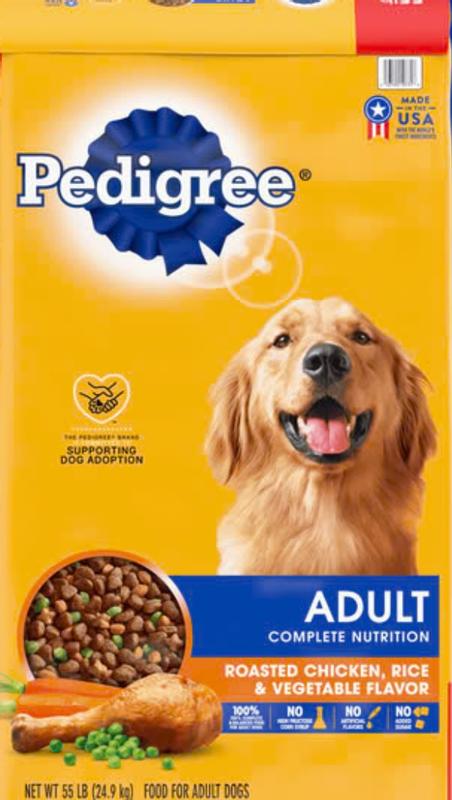
Budget-friendly brands provide good nutrition at a low cost. Brands such as Pedigree and Purina offer affordable choices. They balance protein, fats, and carbohydrates well. These brands make daily feeding easier for many pet owners. They may contain some fillers but meet basic nutrition needs.
Organic And Natural Choices
Organic and natural dog foods avoid artificial additives. They use organic grains and hormone-free meat. Brands like Wellness and Natural Balance focus on clean ingredients. These options appeal to owners who want a pure diet for their pets. They help reduce allergies and digestive issues in some dogs.
Credit: www.pedigree.com
Tips For Transitioning Dog Food
Changing your dog’s food needs care. Sudden changes can upset their stomach. Follow these tips for a smooth transition. This helps your dog adjust to new food easily. It also keeps them healthy and happy.
Gradual Introduction
Start by mixing a small amount of new food with old food. Increase the new food slowly over 7 to 10 days. This gentle change helps your dog’s digestive system adapt. Avoid giving only new food at once. It may cause stomach problems or refusal to eat.
Monitoring Digestive Health
Watch for changes in your dog’s bathroom habits. Soft stools or diarrhea can mean the food is too new. Keep an eye on your dog’s appetite and energy. Good digestion means your dog is adjusting well. Contact your vet if problems last more than a few days.
Signs Of Food Sensitivities
Look for itching, redness, or hair loss on your dog’s skin. Vomiting or constant gas can also be signs of sensitivity. Some dogs react to ingredients in their food. If you see these signs, stop the new food. Talk to your vet about allergy testing or special diets.
Homemade Vs Commercial Dog Food
Choosing between homemade and commercial dog food is common for many pet owners. Both options have their own benefits and challenges. Understanding these differences helps in making the best choice for your dog’s health and happiness.
Pros And Cons
Homemade dog food allows control over ingredients. It can be fresh and free from preservatives. It suits dogs with allergies or sensitivities. The downside is it takes time and effort to prepare. Mistakes in recipes can cause nutritional gaps.
Commercial dog food is easy to use and store. It offers a balanced mix of nutrients. Many brands undergo strict quality checks. Some dogs may not like the taste. Some products may contain fillers or artificial additives.
Nutritional Balance
Homemade meals need careful planning to meet all nutrient needs. Dogs require protein, fats, vitamins, and minerals in correct amounts. Consulting a vet or pet nutritionist helps create balanced recipes. Commercial dog foods are designed to meet nutritional standards. Look for labels that state they meet AAFCO guidelines for complete nutrition.
Preparation Tips
Choose fresh, high-quality ingredients for homemade meals. Avoid toxic foods like onions, garlic, and chocolate. Cook meats thoroughly and wash vegetables well. Keep portions consistent to maintain healthy weight. Store leftovers safely and discard spoiled food quickly. Always introduce new foods gradually to avoid stomach upset.

Credit: wefeedraw.com
Feeding Frequency And Portion Control
Feeding frequency and portion control are important for your dog’s health. Proper timing and amount of food keep your dog strong and happy. It helps avoid weight problems and supports good digestion.
Dogs need regular meals, not too much or too little food. Knowing how often to feed and how much to give depends on your dog’s age, size, and activity. Let’s explore key tips for feeding frequency and portion control.
Meal Timing
Feed your dog at set times every day. Regular meal times help your dog’s body get used to a schedule. Most adult dogs do well with two meals a day. Puppies may need three or four smaller meals. Avoid free feeding, which means leaving food out all day. Scheduled meals help with digestion and behavior.
Adjusting Portions By Activity Level
Active dogs burn more calories and need bigger portions. Less active or older dogs need smaller amounts to avoid weight gain. Watch your dog’s energy and body shape to adjust food amounts. Keep treats limited so they don’t add too many calories. Balance food with exercise for best health.
Avoiding Overfeeding
Overfeeding leads to extra weight and health problems. Use measuring cups or a scale to give exact portions. Follow feeding guidelines on dog food packages as a start. Check your dog’s weight regularly and change portions if needed. Remember, treats count as part of daily food. Avoid feeding from the table to prevent overfeeding.
Supplements And Additives
Supplements and additives play an important role in your dog’s diet. They can help fill nutrient gaps and support overall health. While many dog foods are complete, some dogs need extra nutrients. Knowing when and what to add can improve your dog’s nutrition safely.
When To Use Supplements
Supplements are useful for dogs with special needs. Older dogs may need joint support supplements. Puppies might benefit from extra vitamins during growth. Dogs with health problems often require specific additives. Avoid giving supplements without a clear reason. Overuse can cause harm instead of help.
Common Beneficial Additives
Omega-3 fatty acids help keep skin and coat healthy. Probiotics support good digestion and gut health. Glucosamine and chondroitin promote joint health and mobility. Antioxidants protect cells from damage and boost immunity. These additives often improve quality of life for many dogs.
Consulting Your Vet
Talk to your vet before adding supplements or additives. They can recommend the right products and dosages. Your vet knows your dog’s health history best. They help avoid harmful interactions and overdoses. Vet guidance ensures your dog gets safe and proper nutrition support.
Frequently Asked Questions
What Ingredients Ensure The Best Dog Food Nutrition?
Look for high-quality protein, whole grains, vegetables, and healthy fats. Avoid artificial additives and fillers. Balanced nutrients support your dog’s health and energy.
How To Choose Dog Food For Different Life Stages?
Puppies need more protein and calories for growth. Adult dogs require balanced nutrition for maintenance. Senior dogs benefit from joint support and lower calories.
Is Grain-free Dog Food Better For Nutrition?
Grain-free diets suit dogs with allergies or sensitivities. However, whole grains can provide essential nutrients and fiber. Consult a vet before switching to grain-free.
Can Homemade Dog Food Meet Nutritional Needs?
Homemade food can be nutritious if well-balanced. Include proteins, carbs, fats, vitamins, and minerals. Always consult a vet or pet nutritionist to avoid deficiencies.
Conclusion
Choosing the best dog food means focusing on balanced nutrition. Dogs need proteins, fats, vitamins, and minerals. Fresh ingredients support their health and energy. Check labels to avoid fillers and artificial additives. Tailor food choices to your dog’s age and size.
Regular vet visits help monitor their diet needs. Good nutrition leads to a happy, active dog. Simple, quality food makes a big difference. Keep your dog healthy with smart food choices.


