Are you wondering when to switch your small breed dog to adult dog food? Knowing the right time can make a big difference in your dog’s health and happiness.
Feeding your furry friend the right food at the right age helps keep their energy up and supports their growth. You’ll discover simple signs to look for and easy tips to make the change smooth and stress-free for both of you.
Keep reading to give your small breed dog the best nutrition at every stage of life!
Signs Your Small Breed Dog Needs Adult Food
Knowing when to switch your small breed dog to adult food is important. Puppies need different nutrition than adult dogs. The right time depends on many signs. Watch your dog closely to spot these changes early.
Age Milestones For Small Breeds
Small breed dogs grow faster than large breeds. Most small dogs reach adulthood between 9 and 12 months. At this age, their growth slows down. Their energy needs also start to change. Switching to adult food around this time supports their health.
Behavioral And Physical Changes
Notice your dog’s energy levels. Adult dogs may be less hyperactive than puppies. Their appetite might change too. A small breed dog ready for adult food may chew less on toys. Their body shape becomes leaner and less round. Coat texture might also become shinier and smoother.
Veterinarian Recommendations
Your vet knows your dog’s health best. Regular check-ups help track growth and health. Vets suggest the right time to change food. They can spot signs you might miss. Always ask your vet before switching foods. They can recommend the best adult food for your dog’s needs.
.jpg)
Credit: agti.ie
Nutritional Needs Of Small Breed Adults
Small breed adult dogs have unique nutritional needs. Their fast metabolism requires careful diet planning. Feeding them the right food helps keep them healthy and active. Nutrients must support their energy, growth, and overall well-being.
Choosing food made for small breeds ensures they get what they need. The right balance of calories, proteins, fats, vitamins, and minerals supports their lifestyle. Proper nutrition also helps prevent health issues common in small dogs.
Calorie Requirements
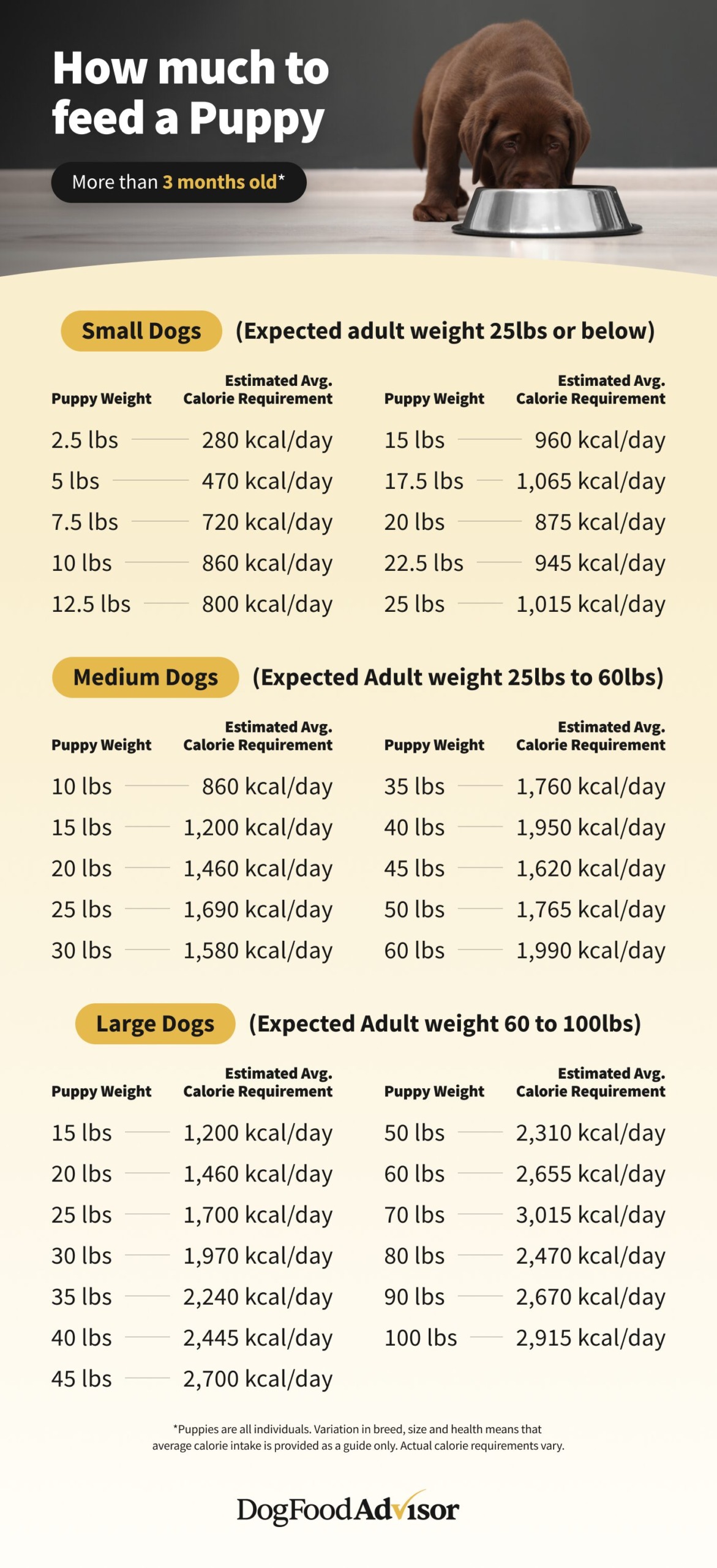
Small breed dogs burn energy quickly. They need more calories per pound than larger dogs. This higher calorie need supports their lively nature. Feeding enough calories keeps their energy levels steady. Underfeeding can cause weakness or weight loss.
Protein And Fat Balance
Proteins build and repair muscles, essential for active small dogs. Fat provides concentrated energy and supports skin and coat health. A good diet balances protein and fat well. Too little protein can weaken muscles. Too much fat may lead to weight gain.
Essential Vitamins And Minerals
Vitamins and minerals support many body functions. They help bones, teeth, and the immune system stay strong. Small breeds need specific amounts of calcium, phosphorus, and vitamins A, D, and E. Balanced nutrients prevent deficiencies and promote long life.
Comparing Puppy Food And Adult Dog Food
Understanding the difference between puppy food and adult dog food helps owners feed their small breed dogs properly. These two types of dog food serve different purposes. Each formula supports a specific stage of a dog’s life.
Small breed dogs have unique needs. Feeding the right food at the right time ensures healthy growth and good health.
Differences In Ingredients
Puppy food contains more protein and fat. These nutrients support rapid growth and energy needs. Adult dog food has fewer calories and less fat. It focuses on maintenance and preventing weight gain. Vitamins and minerals also differ. Puppy food has extra calcium for bone development. Adult food balances nutrients for long-term health.
Impact On Growth And Health
Puppy food helps build strong muscles and bones. It also supports brain and immune system development. Adult dog food keeps the dog active and healthy. It maintains muscle tone and supports organ function. Feeding the right food helps avoid health problems. It supports a good life span and vitality.
Risks Of Premature Switching
Switching to adult food too early can cause problems. Puppies may miss out on important nutrients. This can slow their growth and weaken bones. It might also affect their energy levels and immune system. Small breed puppies need puppy food until they finish growing. Owners should watch their dog’s size and behavior to decide the best time for change.
Credit: companionpethospital.com
Best Practices For Transitioning To Adult Food
Switching your small breed dog to adult food is a key step in their growth. A smooth change helps avoid tummy troubles. It also lets your dog enjoy their new food and get all needed nutrients. Follow these best practices to make the switch easy and safe for your furry friend.
Gradual Food Change Timeline
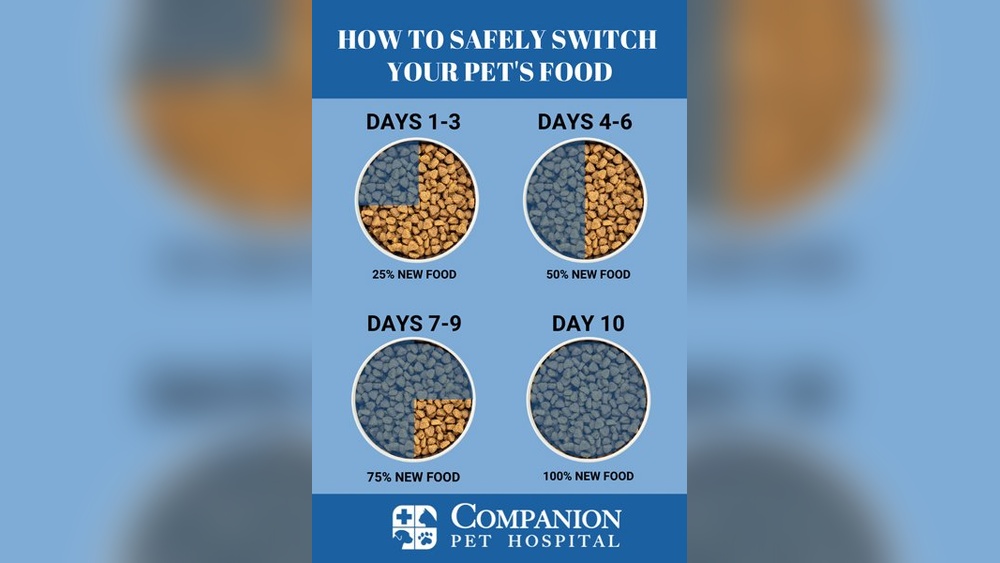
Start by mixing 25% adult food with 75% puppy food. Do this for three days. Then, change to half adult and half puppy food for the next three days. After that, try 75% adult food and 25% puppy food. Finally, feed only adult food by day ten. This slow change helps your dog’s stomach adjust well.
Monitoring Digestive Health
Watch your dog closely during the switch. Look for signs like vomiting or diarrhea. Also, check if your dog is eating well and has normal poop. If you see any issues, slow down the food change. Consult your vet if problems last more than a few days.
Adjusting Portion Sizes
Adult dogs need different amounts of food than puppies. Follow the feeding guide on the adult food package. Small breeds often eat less but more often. Watch your dog’s weight and energy. Adjust portions to keep them healthy and happy.
Top Adult Dog Food Options For Small Breeds
Choosing the right food for adult small breed dogs is important. These dogs have different needs than larger breeds. Their food must support their energy, digestion, and dental health. Small breed dogs often need food that is easy to chew and rich in nutrients. Here are the best options for adult small breed dog food.
Dry Vs. Wet Food Choices
Dry food is crunchy and helps clean teeth. It lasts longer and is easy to store. Wet food has more moisture, which helps keep dogs hydrated. It is softer and easier to eat for dogs with dental issues. Both types have benefits. Choose based on your dog’s preferences and health.
Recommended Brands And Formulas
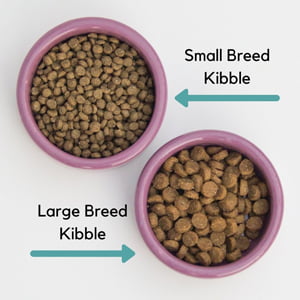
Look for brands that focus on small breed dogs. These formulas have smaller kibble sizes and balanced nutrients. Some trusted brands include Blue Buffalo, Wellness, and Hill’s Science Diet. They offer recipes rich in protein and healthy fats. Avoid foods with fillers or artificial ingredients.
Special Dietary Considerations
Some small breeds need special diets. Dogs with allergies may require grain-free or limited ingredient food. Older dogs might benefit from formulas with joint support. Weight control diets help dogs prone to obesity. Always check with your vet before changing food.
Credit: www.dogfoodadvisor.com
Feeding Frequency And Portion Control
Feeding frequency and portion control are key to keeping small breed dogs healthy. Proper feeding helps maintain their energy and weight. Small dogs have faster metabolisms, so meal timing and size matter a lot.
Feeding the right amount prevents hunger and overeating. It supports good digestion and steady energy levels. Careful portion control helps avoid health issues like obesity and diabetes.
Daily Meal Counts
Small breed dogs usually need two to three meals a day. Splitting food into smaller meals suits their fast metabolism. Feeding more often keeps blood sugar steady. It also reduces hunger and begging behavior.
Young or active small dogs may need three meals. Older dogs often do well with two meals daily. Consistency in meal times helps their digestion and routine.
Avoiding Overfeeding
Overfeeding leads to weight gain and health problems. Measure food carefully using a standard cup or scale. Treats should be limited to avoid extra calories. Watch your dog’s body shape and energy levels to adjust portions.
Resist free feeding or leaving food out all day. It encourages overeating and poor habits. Feeding controlled amounts supports a healthy weight and longer life.
Using Feeding Guidelines Effectively
Check the dog food package for feeding recommendations. These guidelines give a good starting point for portion size. Adjust amounts based on your dog’s age, activity, and weight.
Consult your vet if you see weight changes or health issues. Feeding guidelines help maintain a balanced diet. They keep your small breed dog fit and happy.
Common Feeding Mistakes To Avoid
Feeding adult small breed dogs the right food is important. Many dog owners make common mistakes that affect their pet’s health. Avoiding these errors helps keep dogs happy and healthy. Here are some feeding mistakes to watch out for.
Ignoring Breed-specific Needs
Small breeds have different nutritional needs than larger dogs. Their metabolism runs faster, so they need more calories per pound. Feeding regular adult dog food may not provide enough energy. Look for food designed for small breeds. It supports their growth, digestion, and energy levels.
Overreliance On Treats
Treats should not replace balanced meals. Giving too many treats adds extra calories. This can cause weight gain and health problems. Use treats only for training or special rewards. Make sure they are healthy and low in fat. Keep treats under 10% of daily food intake.
Skipping Regular Vet Checkups
Regular vet visits help track your dog’s health. Vets can spot early signs of nutritional issues. They adjust feeding plans as your dog ages or changes weight. Skipping checkups may delay treatment for health problems. Schedule vet visits at least once a year for small breeds.
Frequently Asked Questions
When Should Small Breeds Switch To Adult Dog Food?
Small breeds typically switch to adult dog food around 12 months old. This age supports their mature nutritional needs without excess calories. Always consult your vet for personalized timing based on your dog’s growth and health.
Why Is Adult Dog Food Important For Small Breeds?
Adult dog food provides balanced nutrients tailored for small breed metabolism. It supports energy levels, dental health, and weight management. Feeding the right food helps maintain their overall well-being and longevity.
How To Choose The Best Adult Dog Food For Small Breeds?
Look for food with high protein, moderate fat, and essential vitamins. Ensure it’s specially formulated for small breeds to support fast metabolism and dental care. Check ingredient quality and avoid fillers or artificial additives.
Can Feeding Adult Dog Food Too Early Harm Small Breeds?
Yes, switching too early can cause nutritional imbalances and stunt growth. Puppies need higher calories and nutrients for development. Transition at the right age ensures healthy growth and prevents digestive issues.
Conclusion
Feeding adult dog food to small breeds depends on their age and health. Small dogs need the right nutrients for energy and growth. Choose food made for small breeds to support their needs. Watch their weight and adjust food amounts as needed.
Regular vet visits help keep their diet on track. Good feeding habits lead to a happy, healthy dog. Always pay attention to your dog’s signals and preferences. Small dogs thrive with proper care and the right food.