

If you have a 10-month-old dog, you might be wondering if it’s time to switch from puppy food to adult dog food. You want to make sure your furry friend gets the right nutrition to stay healthy and happy.
But is adult food really safe and good for a dog this age? Making the wrong choice can affect your dog’s growth and energy levels. Keep reading to find out when and why you should consider changing your dog’s diet—and how to do it the right way.
Your dog’s health depends on it!

Credit: www.poochandmutt.co.uk
Nutritional Needs Of A 10 Month Old Dog
A 10 month old dog is still growing but nearing adulthood. Their nutritional needs change as their body develops. Choosing the right food supports healthy bones, muscles, and energy levels. At this age, a balanced diet fuels activity and brain growth. Understanding these needs helps in deciding whether to switch to adult dog food.
Growth Stage Considerations
At 10 months, many dogs are in their late puppy stage. Growth slows but does not stop. Nutrients like protein and calcium remain important. Puppies need more calories than adult dogs for growth. Their immune system also needs strong support. Some breeds mature faster than others. Small breeds may be ready for adult food sooner. Large breeds need puppy food longer to support joint health.
Differences Between Puppy And Adult Food
Puppy food contains more protein and fat than adult food. It helps build strong muscles and stores energy. Adult food has fewer calories to prevent weight gain. Puppies need extra vitamins and minerals for development. Adult food focuses on maintenance, not growth. Switching too early can cause nutrient shortages. Too late can lead to obesity or poor digestion. Check the label and consult your vet for the best choice.
Signs Your Dog Is Ready For Adult Food
Knowing when to switch your dog to adult food is important for their health. Puppies grow fast. Their food needs change as they get older. Watch for signs that show your dog is ready for adult food. These signs help you make the right choice. They show your dog’s body and mind are changing.
Physical Development Indicators
Your dog’s body shows clear signs of growth. Teeth are a big clue. At about 6 to 10 months, puppy teeth start to fall out. Adult teeth come in strong. Their bones and muscles look stronger and more defined. Weight gain slows down. Your dog looks less chubby and more fit. Coat texture may change, becoming thicker or shinier.
Behavioral Changes
Changes in behavior also signal readiness. Your dog may act less hyper and more calm. Energy levels become steady throughout the day. Appetite changes too. They may eat less but more regularly. Your dog might show more interest in exploring and learning. These changes show they are growing into adult life.
Risks Of Feeding Adult Food Too Early
Feeding adult dog food to a 10-month-old puppy can cause problems. Puppies have different needs than adult dogs. Their bodies need special nutrients to grow strong and healthy. Using adult food too soon may cause health issues that last a long time.
It is important to know the risks before changing your puppy’s diet. Some problems may not show up right away but can affect your dog’s future well-being.
Potential Nutritional Deficiencies
Puppies need more protein, fat, and calories than adult dogs. Adult food often lacks enough of these nutrients. Feeding adult food early can cause your puppy to miss important vitamins and minerals. This can lead to weak muscles and poor energy. Nutrient gaps may also harm your puppy’s immune system.
Impact On Growth And Health
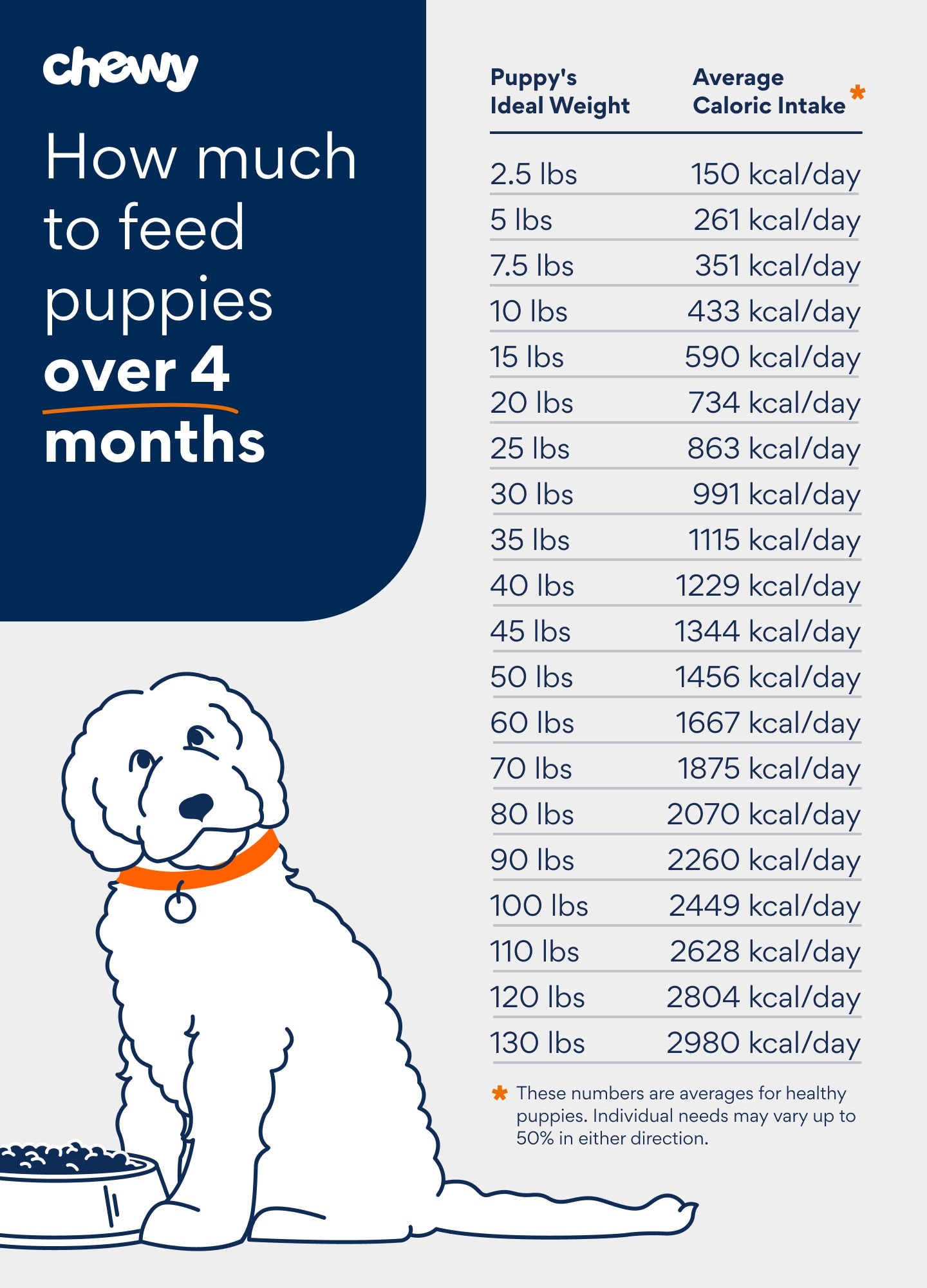
Puppies grow fast and need proper nutrition for bones and joints. Adult food may not support healthy bone development. This can cause problems like weak bones or joint pain later. A poor diet can slow down your puppy’s growth. It can also increase the risk of illness and injury.
Credit: www.chewy.com
Transitioning From Puppy To Adult Food
Transitioning from puppy to adult food is a key step for your growing dog. At around 10 months, many dogs start needing different nutrients. Puppy food supports fast growth. Adult food helps maintain health and energy. Changing diets too quickly can upset your dog’s stomach. Careful switching helps your dog adjust smoothly.
Gradual Diet Changes
Start by mixing a small amount of adult food with puppy food. Increase the adult food portion slowly over 7 to 10 days. Watch your dog eat and enjoy the new taste. Avoid sudden switches. This gradual change helps your dog’s digestion adapt. It also reduces risks of diarrhea or vomiting.
Monitoring Your Dog’s Response
Observe your dog’s energy and stool quality. Healthy dogs stay active and have firm stools. If your dog shows signs of discomfort, slow the transition. Check for itching or skin changes. These may mean the new food does not suit your dog. Consult a vet if problems continue. Careful monitoring keeps your dog happy and healthy.
Expert Tips For Choosing The Right Adult Food
Choosing the right adult food for a 10-month-old dog is important. This stage marks a key transition from puppy to adult nutrition. The food should support growth and keep your dog healthy and active. Understanding the main ingredients and possible allergens helps make a smart choice.
Key Ingredients To Look For
Protein should be the first ingredient. It builds strong muscles and supports energy. Look for real meat like chicken, beef, or fish. Whole grains such as brown rice provide good carbohydrates. Vegetables add vitamins and fiber. Omega-3 and omega-6 fatty acids help maintain a shiny coat and healthy skin. Avoid foods with too many fillers or artificial additives.
Avoiding Common Food Allergens
Food allergies can cause itching, ear infections, or upset stomach. Common allergens include wheat, soy, and corn. Some dogs react to dairy or certain proteins. Choose foods labeled hypoallergenic or made for sensitive dogs. Watch for signs of allergy and switch food if problems appear. A gradual change helps your dog adjust without stomach upset.
Special Considerations For Large And Small Breeds
Feeding a 10-month-old dog adult food needs care. Large and small breeds grow differently. Their bodies have different needs. Understanding these helps keep your dog healthy. This section covers key points for both breed sizes.
Breed-specific Nutritional Needs
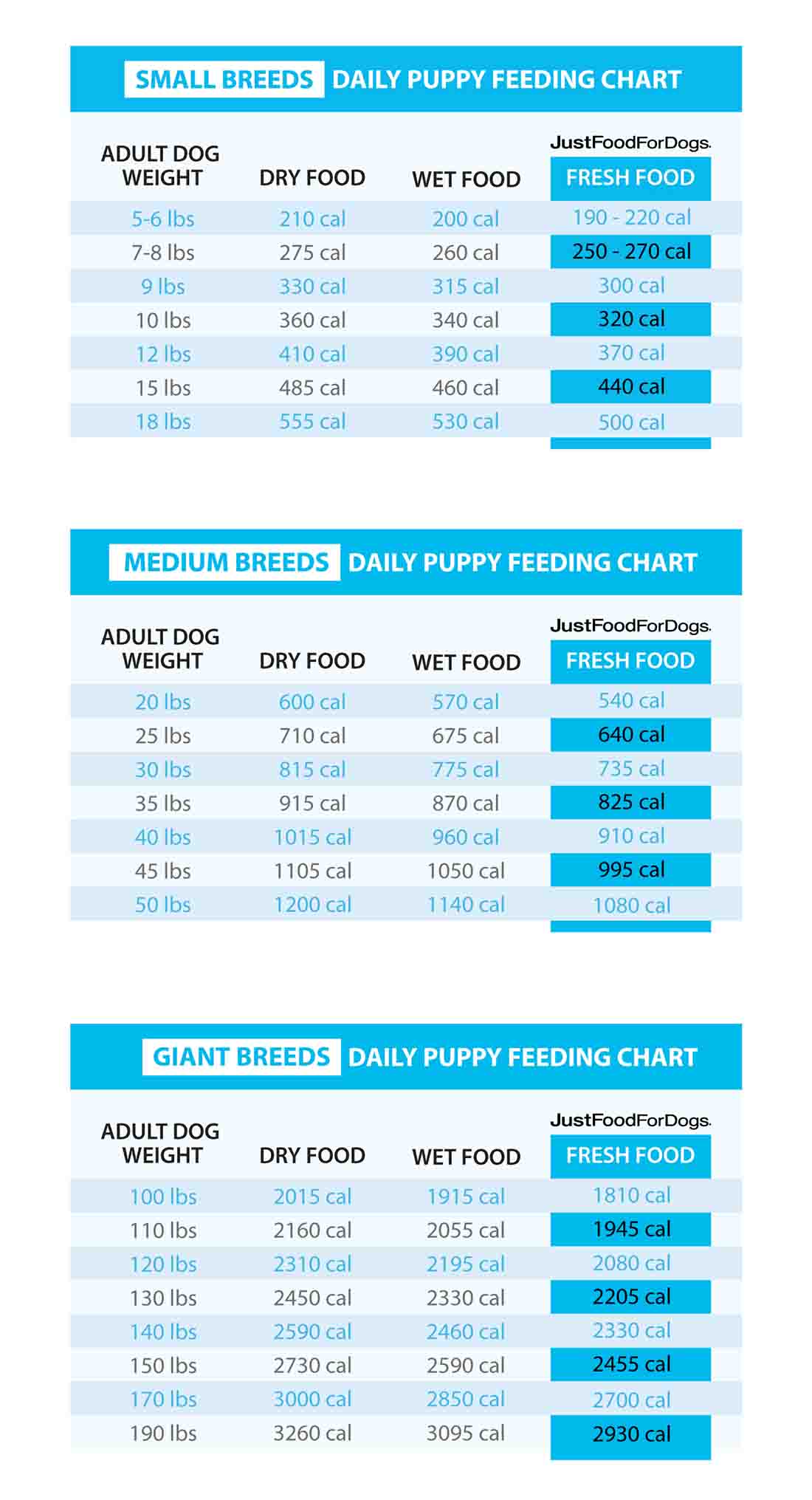
Large breeds need food that supports slow, steady growth. Too many calories can cause joint problems. Their food should have balanced calcium and phosphorus. This helps strong bones and muscles develop.
Small breeds burn energy faster. They need more calories per pound of body weight. Their food should be rich in nutrients and easy to digest. Small bites help prevent choking and aid eating.
Adjusting Portion Sizes
Large breed puppies eat bigger portions but fewer calories per pound. Overfeeding can lead to obesity and health issues. Measure food carefully and follow vet advice.
Small breed puppies need smaller, more frequent meals. This keeps their energy steady and prevents low blood sugar. Watch their weight and adjust portions as they grow.
When To Consult Your Veterinarian
Knowing when to talk to your veterinarian about your 10-month-old dog’s diet is very important. Dogs grow fast, and their food needs can change quickly. Some signs show that your dog might need a special diet or a check-up. Trust your vet to guide you in choosing the right food for your dog’s health and growth.
Signs Of Nutritional Problems
Watch for changes in your dog’s energy or mood. A tired or weak dog may have poor nutrition. Loss of appetite can mean the food is not right. Look for coat changes like dullness or hair loss. Digestive issues like vomiting or diarrhea are warning signs. These problems suggest a visit to the vet is needed.
Tailoring Diet To Health Conditions
Some dogs have special health needs that affect their diet. Conditions like allergies, kidney issues, or obesity need careful food choices. Your vet can help pick the best food for these problems. Sometimes a special diet helps your dog feel better and stay healthy. Don’t guess; get advice to keep your dog’s diet safe and balanced.
Credit: www.justfoodfordogs.com
Frequently Asked Questions
Can A 10-month-old Dog Eat Adult Food Safely?
Yes, many 10-month-old dogs can start eating adult dog food. However, it depends on their breed, size, and vet advice. Transition gradually to avoid digestive issues and ensure balanced nutrition for growth and energy needs.
When Should A Puppy Switch To Adult Dog Food?
Most puppies switch to adult food between 9 to 12 months. Large breeds may need more time, up to 18 months. Consult your vet to decide the best time based on your dog’s growth and health.
What Are The Risks Of Feeding Adult Food Too Early?
Feeding adult food too soon can cause nutritional imbalances. Puppies require higher calories, protein, and nutrients for growth. Early transition may lead to poor development, digestive upset, or deficiencies. Always follow vet guidance for feeding stages.
How To Transition A 10-month-old Dog To Adult Food?
Transition gradually over 7-10 days by mixing increasing amounts of adult food with puppy food. Monitor your dog’s digestion and appetite. This reduces stomach upset and helps your dog adjust comfortably to new food.
Conclusion
A 10-month-old dog can start eating adult food, but with care. Gradually switch the food to avoid stomach upset. Watch your dog’s weight and energy levels closely. Consult your vet for the best time to change. Proper nutrition helps your dog grow strong and healthy.
Each dog is different; tailor food choices to their needs. Feeding adult food too soon may cause problems. Patience and attention keep your dog happy and thriving.


