

Are you wondering when the right time is to switch your puppy to adult dog food? Feeding your furry friend the proper diet is one of the most important steps you can take to ensure their health and happiness.
But making this change too early or too late can cause problems you want to avoid. You’ll discover clear signs and expert tips to help you decide exactly when to make the switch. Keep reading to give your dog the best nutrition at every stage of their life.
Puppy Growth Stages
Puppy growth happens in clear stages. Each stage needs different care and food. Knowing these stages helps you choose the right diet. It ensures your puppy grows healthy and strong.
Watch your puppy closely. Their needs change fast. Feeding the right food at the right time supports their development.
From Newborn To Weaning
Newborn puppies rely on their mother’s milk. It gives all nutrients they need. This stage lasts about four weeks. Puppies cannot eat solid food yet. Milk keeps them safe and growing.
Transition To Solid Food
Around three to four weeks, puppies try solid food. Start with soft, easy-to-digest meals. Mix wet puppy food with water or milk. This helps them adjust slowly. Gradually reduce milk as they eat more solid food.
Growth Milestones
Puppies grow quickly in the first six months. They gain weight and size fast. Energy needs increase during this time. Use high-quality puppy food rich in protein and fat. After six months, their growth slows. This signals the time to switch to adult food.
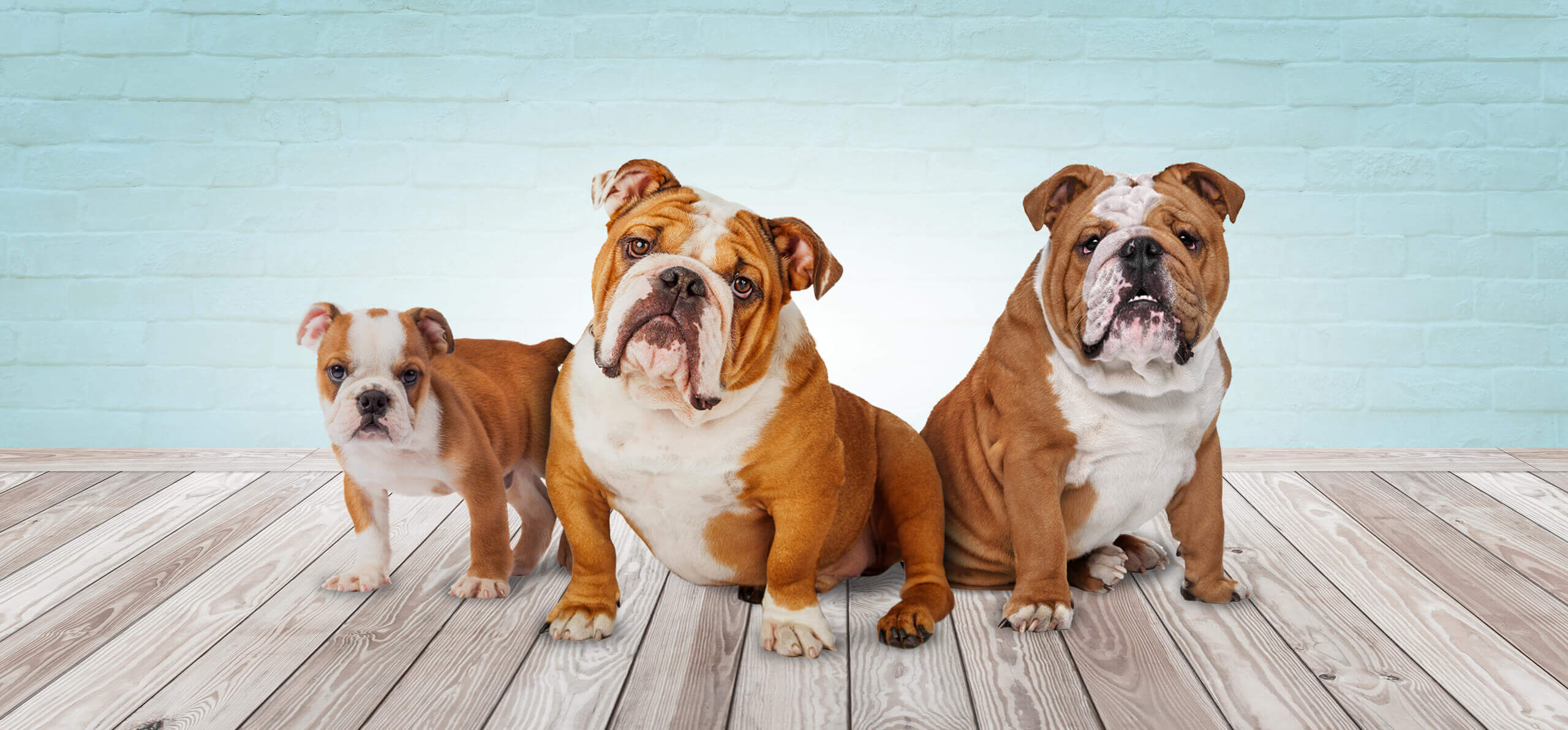
Credit: www.bluebuffalo.com
Differences Between Puppy And Adult Dog Food
Puppies and adult dogs need different types of food. Their bodies grow and change fast. This means their diets must fit their stage of life. Puppy food supports growth, while adult food helps maintain health.
Understanding the differences helps you pick the right food. This keeps your dog strong and happy. It also avoids health problems that come from the wrong diet.
Nutritional Needs
Puppies need more protein and fat than adult dogs. Protein helps build strong muscles and tissues. Fat gives energy for active, growing puppies. Adult dogs need fewer calories and less fat. Their food focuses on maintaining their body weight.
Calorie Content
Puppy food has more calories per serving. Growing dogs burn lots of energy every day. Adult dog food has fewer calories. This prevents weight gain as dogs slow down with age. Feeding adult food to puppies can slow growth.
Ingredient Variations
Puppy food has extra vitamins and minerals for growth. Ingredients like DHA support brain and eye development. Adult dog food has balanced nutrients for health and vitality. It often contains fewer additives and fillers.
Signs Your Puppy Is Ready
Knowing when to switch your puppy to adult dog food is important for their health. Puppies grow fast and their needs change quickly. Watch for signs that show your puppy is ready for new food. These signs help you feed the right diet at the right time.
Physical Indicators
Your puppy’s body shows clues about food changes. Teeth are a good sign. When adult teeth replace baby teeth, it means growth is steady. Also, puppies start to look less round and more lean. Their coat may become shinier and thicker. These changes suggest their body needs different nutrients.
Behavioral Changes
Watch how your puppy acts during meals and playtime. Older puppies may eat less often but more at once. They might lose interest in puppy food or eat slower. Energy levels change too. Your puppy might have bursts of energy and longer rest times. These behaviors hint they are maturing and ready for adult food.
Veterinary Recommendations
Your vet knows the best time to switch foods. Regular check-ups help track growth and health. Vets may suggest switching around one year old or earlier for large breeds. Follow their advice carefully. They consider breed, size, and health to pick the right moment. Trusting your vet ensures your puppy stays healthy and strong.
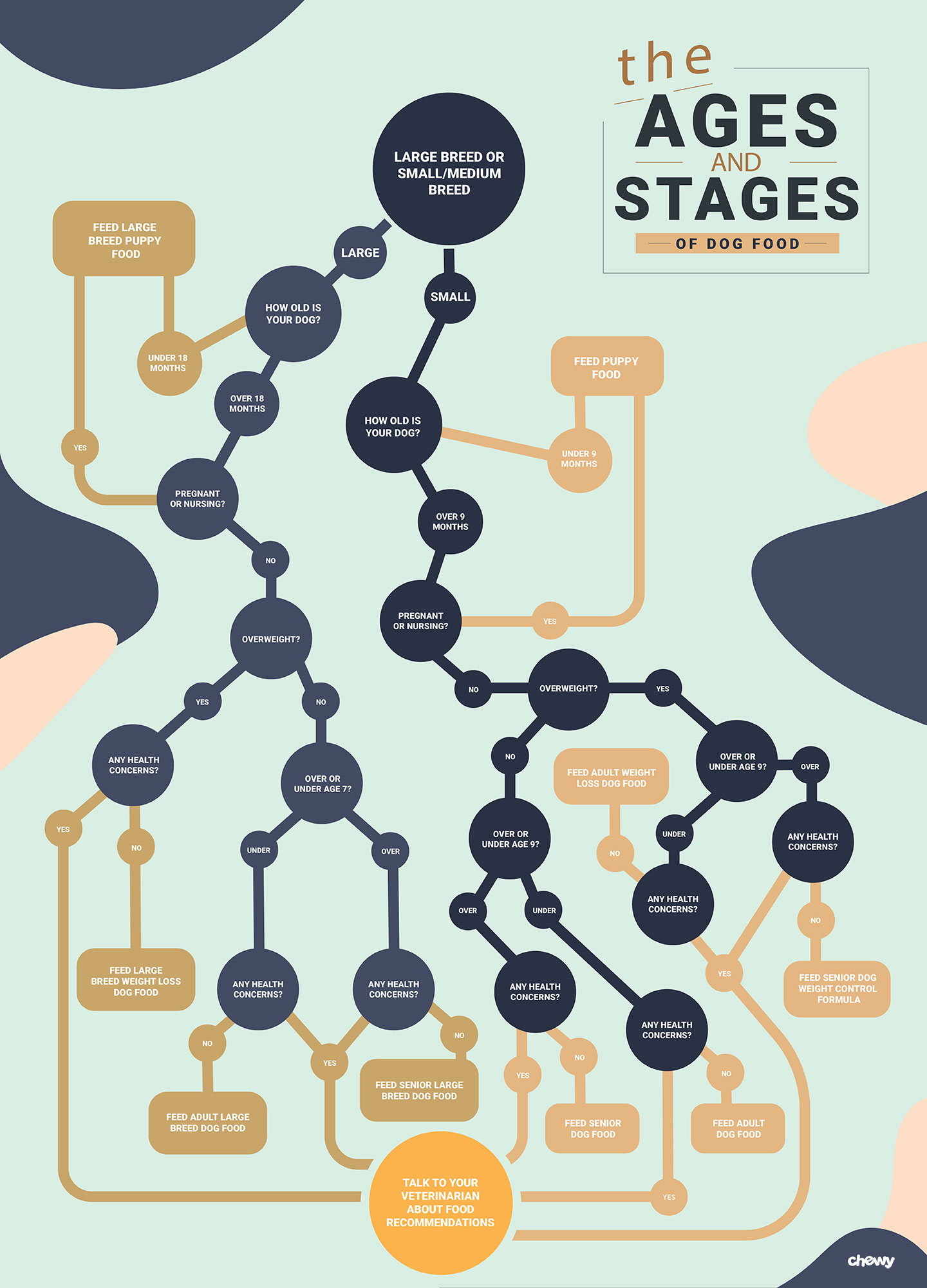
Credit: www.lucautosrl.it
Ideal Timing To Switch
Knowing the right time to switch your puppy to adult dog food is important. It helps your dog grow healthy and strong. The timing depends on several factors, including the puppy’s breed, size, and age. A smooth change also keeps your dog’s digestion comfortable.
Breed And Size Considerations
Small breeds grow faster and reach adulthood sooner. They usually switch to adult food around 9 to 12 months. Large breeds take longer to mature. Their switch often happens between 12 and 18 months. Check your dog’s breed size to decide the right time.
Age Guidelines
Most puppies start adult food between 9 and 12 months old. This is a general rule for many dogs. Some breeds may need a different age. Always consider your puppy’s growth and health. Talk to your vet for the best advice.
Gradual Transition Process
Switching food should be slow and steady. Mix a small amount of adult food with puppy food. Increase the adult food over 7 to 10 days. This helps your puppy adjust without stomach upset. Watch for any signs of discomfort or allergies. A gradual change keeps your dog happy and healthy.
Common Mistakes To Avoid
Changing your puppy’s food to adult dog food is an important step. Avoid mistakes that can upset your puppy’s health or appetite. Knowing what to avoid helps your dog adjust smoothly. The following are common errors many pet owners make during this transition.
Switching Too Early
Many owners switch to adult food before their puppy is ready. Puppies need special nutrients to grow strong. Changing too soon can cause poor growth or stomach problems. Wait until your vet says your puppy is old enough. Usually, this is around one year, but it varies by breed.
Abrupt Changes
Changing food suddenly can upset your puppy’s stomach. Diarrhea, vomiting, or loss of appetite may happen. Gradually mix adult food with puppy food over 7 to 10 days. Slowly increase the adult food amount each day. This helps your puppy adjust without problems.
Ignoring Puppy Preferences
Puppies may dislike new food at first. Ignoring their taste can lead to refusal to eat. Try different adult dog food brands and flavors. Observe what your puppy likes and prefers. A happy puppy eats better and stays healthy.
Tips For A Smooth Transition
Switching your puppy to adult dog food is an important step. A smooth change helps avoid stomach problems. It also keeps your dog happy and healthy. Follow simple tips to make the switch easy and safe.
Careful planning and attention can make the transition stress-free. Watch your dog closely for any signs of discomfort or change.
Mixing Puppy And Adult Food
Start by mixing a small amount of adult food with puppy food. Increase the adult food gradually over 7 to 10 days. This slow change helps your dog’s stomach adjust. Mixing food reduces the risk of upset stomach or diarrhea.
Monitoring Health And Digestion
Watch your puppy’s energy, stool, and appetite closely. Soft stools or diarrhea may mean the food is changing too fast. If your puppy seems tired or loses appetite, slow down the switch. Healthy digestion shows your dog is adapting well.
Adjusting Portion Sizes
Adult food has different nutrients and calories than puppy food. Reduce the amount slightly to match your dog’s size and activity. Overfeeding can cause weight gain. Consult your vet for the right portion size during the change.
When To Consult A Veterinarian
Knowing when to start adult dog food for your puppy is important. Sometimes, it is best to ask a veterinarian for advice. They can give you clear guidance based on your puppy’s health and needs. This helps avoid problems with growth or nutrition.
Concerns About Growth
Some puppies grow slower or faster than usual. A vet can check if your puppy is growing well. They will tell you if switching to adult food is right now. Early or late changes in diet can affect bones and muscles.
Dietary Allergies Or Sensitivities
Puppies can have allergies to certain foods. Signs include itching, vomiting, or diarrhea. A vet can test for allergies and suggest safe foods. They help choose adult food without ingredients that cause problems.
Custom Feeding Plans
Every puppy is different. Some need special diets for health or breed reasons. Veterinarians create feeding plans made just for your puppy. This plan shows the best time to start adult food and what type to use.
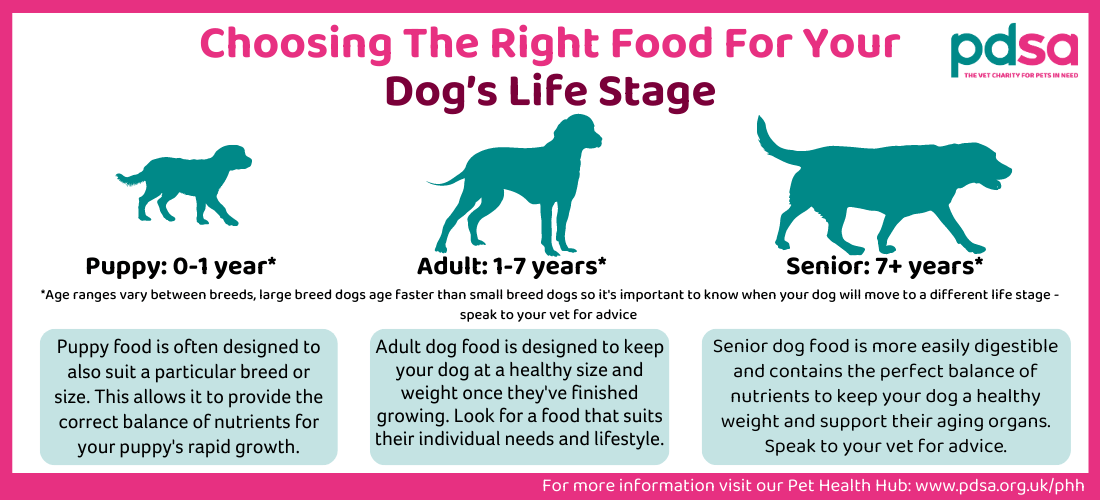
Credit: www.pdsa.org.uk
Frequently Asked Questions
When Should I Switch My Puppy To Adult Dog Food?
Switch your puppy to adult dog food around 12 months old. Large breeds might need more time, about 18-24 months. Always consult your vet for the best timing based on your dog’s breed and health.
Why Is Timing Important For Changing Dog Food?
Proper timing ensures your dog gets the right nutrients for growth. Switching too early or late can cause digestive issues or nutritional imbalances. It supports healthy development and maintains your dog’s energy and overall health.
How To Transition Puppy To Adult Dog Food Smoothly?
Gradually mix adult food with puppy food over 7-10 days. Increase adult food proportion daily to avoid stomach upset. Monitor your dog’s reaction and adjust as needed during the transition.
Can Feeding Adult Food Early Harm My Puppy?
Yes, feeding adult food too soon can cause nutritional deficiencies. Puppies need higher protein and fat for growth. Early switch may lead to poor development and health issues. Always follow vet advice for food changes.
Conclusion
Choosing the right time to switch puppy food is very important. Watch your dog’s size and energy for clues. Most dogs change food around one year old. Larger breeds may need more time before switching. Always check with your vet to be sure.
Changing food too soon can upset their stomach. Changing too late may not meet their needs. Keep your dog’s health and growth in mind. A smooth transition helps your dog stay happy. Feeding adult food at the right time supports strong bones and muscles.
Remember, every dog grows at its own pace.


