

Are you wondering when your furry friend is ready to switch from puppy food to adult food? Choosing the right time is crucial for your dog’s health and happiness.
Feeding your dog the wrong food too soon—or too late—can affect their growth, energy, and overall well-being. You’ll discover the key signs to watch for and the best age to make this important change. Keep reading to learn how to give your dog the nutrition they truly need at every stage of life.
When To Switch To Adult Food
Knowing the right time to switch your puppy to adult food is important for their health. Puppies grow fast and their nutritional needs change. Feeding adult food too early or too late can affect their growth and energy. Watch your puppy closely to decide the best time for the change.
Signs Your Puppy Is Ready
Look for clear signs that your puppy is ready for adult food. Their growth rate will slow down. The puppy becomes less active but still playful. Teeth are fully grown and strong. Your puppy finishes meals quickly and seems less hungry. These hints show they can handle adult food well.
Breed Size And Timing Differences
Small and large breeds grow at different speeds. Small breeds mature faster and need adult food earlier, often around 9 to 12 months. Large breeds take longer to grow, sometimes up to 18 months. Adjust switching time based on your dog’s breed size for best results.
Veterinary Recommendations
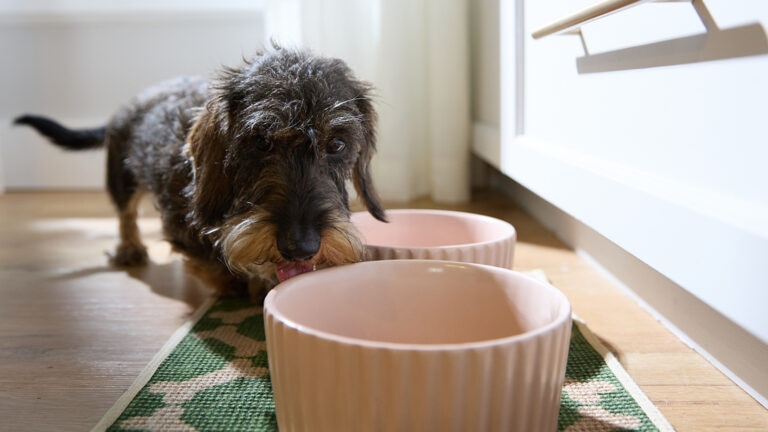
Consult your vet for advice on switching food. Vets assess your puppy’s weight, health, and growth. They suggest the best timing and type of adult food. Following vet advice helps keep your dog healthy and strong through growth stages.
Credit: www.chewy.com
Nutritional Needs Of Adult Dogs
Adult dogs need a balanced diet to stay healthy and active. Their nutritional needs change from when they were puppies. Feeding them the right food helps keep their weight in control and supports their energy levels. Understanding these needs helps you choose the best food for your dog’s stage in life.
Key Nutrients For Maintenance
Adult dogs require proteins to repair tissues and maintain muscles. Healthy fats provide energy and keep their skin and coat shiny. Carbohydrates supply fuel for daily activities. Vitamins and minerals support the immune system and bone health. Water is essential for all body functions and must always be available.
Comparing Puppy Vs. Adult Formulas
Puppy food has more calories and nutrients to support growth. Adult dog food has fewer calories to prevent weight gain. Puppy formulas contain extra calcium for bone development. Adult formulas focus on maintaining muscle and joint health. Feeding adult food too early can cause nutrient imbalance.
Adjusting Portions For Activity Level
Active dogs need more calories to fuel their energy. Less active dogs require smaller portions to avoid weight gain. Monitor your dog’s weight and adjust food amounts accordingly. Overfeeding can lead to obesity and health problems. Feeding the right amount keeps your dog fit and happy.
Common Mistakes When Changing Food
Changing your dog’s food is important for their health. Many pet owners make mistakes during this process. These errors can cause stomach problems and poor nutrition. Understanding common mistakes helps avoid these issues.
Switching Too Early Or Late
Changing to adult food too soon can harm your puppy’s growth. Their body still needs puppy food nutrients. Switching too late can lead to weight gain and poor digestion. Follow your vet’s advice on the right age.
Sudden Diet Changes
Rapid food changes upset your dog’s stomach. It causes vomiting, diarrhea, or loss of appetite. Gradually mix new food with old over 7-10 days. This helps your dog adjust smoothly and stay healthy.
Ignoring Individual Dog Needs
Every dog is different. Age, size, breed, and health affect food needs. Some dogs need special diets or supplements. Watch your dog’s reaction to new food. Adjust based on their needs and vet’s guidance.
Tips For A Smooth Transition
Switching your dog to adult food needs care. A smooth change helps your dog stay healthy and happy. You should watch for signs of comfort and adjust as needed.
These tips will help you make the switch easy for your dog. Taking it slow and paying attention to your dog’s needs is key.
Gradual Food Introduction
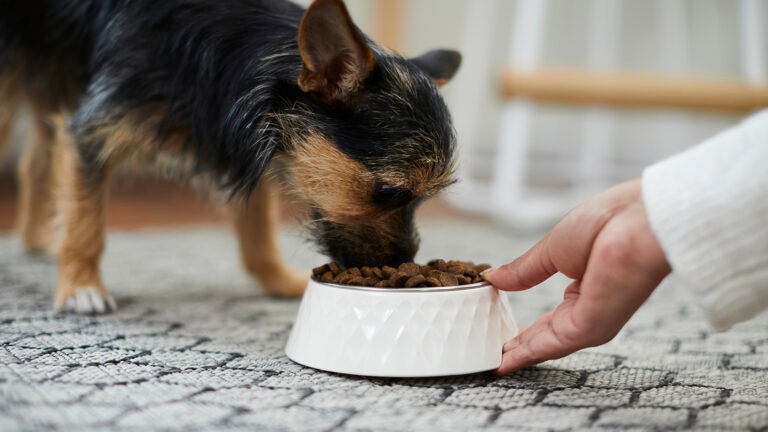
Start by mixing a small amount of adult food with puppy food. Increase the adult food amount over 7 to 10 days. This slow change helps your dog’s stomach adjust. Sudden changes can cause upset stomach or diarrhea. Patience is important during this phase.
Monitoring Digestive Health
Watch your dog’s stool and energy levels daily. Soft or loose stools might mean the food change is too fast. Lack of energy can signal discomfort or poor nutrition. Keep water available to avoid dehydration. Note any unusual signs and respond quickly.
When To Consult Your Vet
Contact your vet if your dog shows persistent vomiting or diarrhea. Seek help if your dog refuses to eat for more than two days. Your vet can suggest special diets or tests. Early advice prevents serious health problems.
Special Considerations By Breed
Choosing the right time to switch your dog to adult food depends on the breed. Different breeds grow at different rates. This affects when they should change their diet. Special care helps keep your dog healthy and strong.
Small Breeds
Small breed dogs grow faster than large breeds. They usually switch to adult food between 9 to 12 months. Their metabolism is faster. They need food that supports their energy and small size. Choose adult food made for small breeds to meet their needs.
Large And Giant Breeds
Large and giant breeds grow slower. They keep growing until 18 to 24 months. Feeding adult food too early can cause health problems. Use puppy food longer for strong bones and joints. Switch to adult food after their growth slows down.
Senior Dogs And Diet Adjustments
Older dogs need diet changes too. As dogs age, their energy needs drop. Some need food lower in calories but rich in nutrients. Senior dog food helps with joint health and digestion. Adjust their diet to match their age and activity level.
Credit: www.chewy.com

Credit: npicpet.com
Frequently Asked Questions
At What Age Should Dogs Switch To Adult Food?
Dogs should switch to adult food around 12 months old. Large breeds may transition closer to 18 months. This timing supports their changing nutritional needs for maintenance and health.
Why Is Age Important For Switching Dog Food?
Age matters because puppies need more calories and nutrients. Adult food has balanced nutrients for mature dogs. Switching too early or late can affect growth and health.
How To Transition Puppies To Adult Dog Food?
Gradually mix adult food with puppy food over 7-10 days. This helps prevent digestive upset and allows adjustment to new nutrients smoothly.
Can Feeding Adult Food Early Harm Puppies?
Yes, adult food may lack essential nutrients for growth. Feeding it too soon can cause deficiencies and stunt development. Always follow age recommendations.
Conclusion
Dogs usually start adult food around one year old. But, some breeds need adult food earlier or later. Watch your dog’s size, health, and energy levels. Switching food too soon can upset their stomach. Take time to introduce new food slowly.
Always check with your vet for the best advice. Feeding the right food helps dogs stay healthy and happy. Remember, every dog is different, so be patient. Proper nutrition supports their growth and long life. Keep your dog’s needs in mind for the best results.


