

Are you wondering if it’s okay to give your adult dog puppy food? You’re not alone.
Many dog owners ask this question, hoping to keep their furry friends healthy without overcomplicating mealtime. Feeding the right food is more important than you might think—it affects your dog’s energy, weight, and overall health. Keep reading to discover the surprising facts about puppy food and why what you feed your dog matters more than you realize.
Your dog’s wellbeing depends on it.
Differences Between Puppy And Adult Dog Food
Understanding the differences between puppy and adult dog food is important for your dog’s health. Puppy food is specially made to support growth and development. Adult dog food focuses on maintaining health and energy levels. Feeding the right food helps your dog stay strong and healthy.
Nutritional Needs Of Puppies
Puppies need more nutrients to grow fast and develop well. Their food has extra protein and fat. These nutrients support muscle growth, brain development, and energy. Puppies also need vitamins and minerals for strong bones and a good immune system.
Nutritional Needs Of Adult Dogs
Adult dogs require balanced nutrition to maintain their body and energy. Their food has fewer calories than puppy food. It focuses on keeping a healthy weight and strong muscles. Adult dog food includes nutrients that help keep the skin and coat healthy.
Caloric And Protein Content Comparison
Puppy food has higher calories and protein. This helps puppies grow quickly and have energy for play. Adult dog food has less fat and calories to prevent weight gain. Protein levels are moderate to maintain muscle without extra growth.
:strip_icc()/Puppy-food-feeding-schedule-2804779-a35fb27f23bd427cbea6ed24236fee22.jpg)
Credit: www.thesprucepets.com
Potential Effects Of Feeding Puppy Food To Adult Dogs
Feeding puppy food to adult dogs can cause several effects. Puppy food is richer in nutrients and calories. This difference can impact an adult dog’s health in multiple ways. Understanding these effects helps pet owners make better feeding choices.
Weight Gain And Obesity Risks
Puppy food contains more fat and calories than adult dog food. Adult dogs eating puppy food may gain weight quickly. Excess calories can lead to obesity. Obesity increases the risk of joint problems and diabetes. Maintaining a healthy weight is vital for adult dogs.
Digestive Impact And Sensitivities
Adult dogs have different digestive needs than puppies. High nutrient content in puppy food may upset their stomachs. Some dogs may experience diarrhea or gas. Sensitive dogs could develop food intolerance. Proper digestion supports overall health and comfort.
Long-term Health Considerations
Continuous feeding of puppy food may strain an adult dog’s organs. Extra nutrients may lead to kidney or liver stress. Nutrient imbalance can affect heart health over time. Feeding the correct food supports a longer, healthier life. Choosing age-appropriate food is essential for lasting wellbeing.
When Feeding Puppy Food To Adult Dogs Might Be Appropriate
Adult dogs usually need food made for their age. Puppy food has more calories and nutrients. Sometimes, giving puppy food to adult dogs is helpful. It depends on the dog’s health and activity. Some situations call for extra nutrition or care.
Understanding these cases helps you choose the right food. Let’s look at times when puppy food suits adult dogs best.
Growth Or Recovery Phases
Adult dogs recovering from illness or surgery may need more nutrients. Puppy food supports healing with its rich vitamins and proteins. Dogs growing late or underweight can also benefit from this extra nutrition. Puppy food helps rebuild strength and body mass fast.
High Energy Or Active Adult Dogs
Active dogs burn more calories every day. Working dogs or dogs that exercise a lot need extra energy. Puppy food gives more calories and fat for energy. This helps them stay strong and healthy during heavy activity. It supports muscle maintenance and stamina.
Veterinary Recommendations
Vets may suggest puppy food for adult dogs in special cases. Some health problems require more nutrients or calories. Always follow a vet’s advice for feeding choices. They know what diet fits your dog’s needs best. Feeding puppy food without guidance can cause weight gain or issues.
Choosing The Right Food For Your Adult Dog
Choosing the right food for your adult dog is important for their health and happiness. Adult dogs have different nutritional needs than puppies. Feeding them the correct food helps maintain their energy, weight, and overall well-being. Understanding what to look for in dog food ensures your pet gets balanced nutrition every day.
Assessing Your Dog’s Lifestyle And Health
Consider your dog’s activity level. Active dogs need more calories and protein. Less active dogs require fewer calories to avoid weight gain. Age and health also affect food choices. Dogs with allergies or medical conditions may need special diets. Observe your dog’s weight and energy to adjust their food as needed.
Reading Dog Food Labels
Check the ingredients list carefully. Look for meat or fish as the first ingredient. Avoid foods with too many fillers like corn or soy. Notice the protein, fat, and fiber percentages. These numbers show the food’s nutritional balance. Also, check for added vitamins and minerals that support health.
Consulting With A Veterinarian
Your vet knows your dog’s health history best. Ask for food recommendations suited to your dog’s needs. Discuss any special dietary requirements or allergies. Regular vet visits help track your dog’s health and diet effectiveness. Follow professional advice to keep your dog healthy and happy.
Transitioning Between Puppy And Adult Dog Food
Switching from puppy food to adult dog food is an important step in your dog’s growth. Puppy food has extra nutrients to support their development. Adult dog food has a different balance to keep your dog healthy as they mature. Making the change at the right time helps your dog stay strong and happy.
Signs To Switch
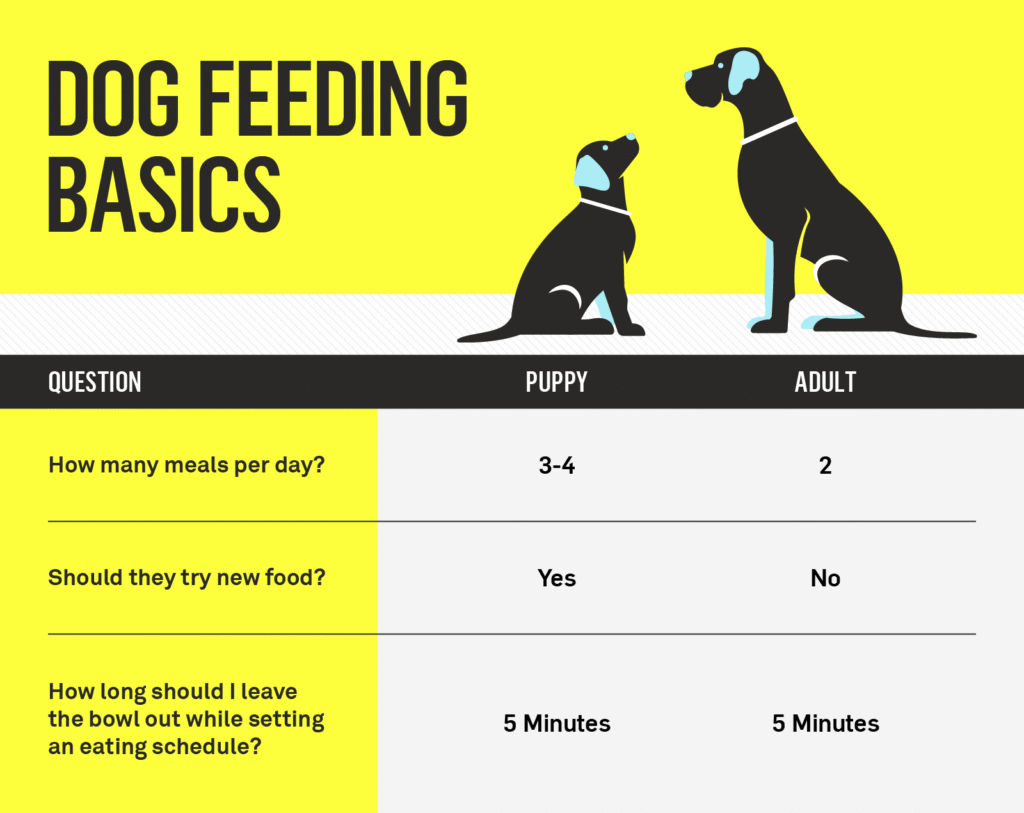
Watch your dog’s age and size. Most dogs switch around one year old. Large breeds may need more time on puppy food. Check with your vet for advice. Also, look for changes in energy or weight. If your dog seems full and less active, it might be time to switch.
Gradual Transition Tips
Change food slowly over 7 to 10 days. Start by mixing 25% adult food with 75% puppy food. Increase adult food each day. This helps your dog’s stomach adjust. Sudden changes can cause upset stomach or diarrhea. Keep fresh water available during the transition.
Monitoring Your Dog’s Response
Watch for any signs of discomfort. Loose stools, vomiting, or loss of appetite need attention. If these happen, slow the transition or consult your vet. Also, check your dog’s energy and coat condition. Healthy skin and bright eyes show the food suits them well.
Credit: www.gallant.com
Credit: www.bowlerspets.com
Frequently Asked Questions
Can Adult Dogs Eat Puppy Food Safely?
Yes, adult dogs can eat puppy food occasionally. However, it is richer in calories and nutrients, which may cause weight gain if fed long-term.
What Are The Risks Of Feeding Puppy Food To Adults?
Feeding puppy food to adult dogs regularly can lead to obesity, digestive issues, and nutrient imbalances. Adult dog food is better suited for mature dogs.
How Is Puppy Food Different From Adult Dog Food?
Puppy food has higher protein, fat, and calorie content to support growth. Adult dog food focuses on maintaining health and weight balance.
Can Feeding Puppy Food Affect Adult Dog Digestion?
Yes, puppy food’s rich formula may cause upset stomach or diarrhea in adult dogs not used to it. Transition slowly if needed.
Conclusion
Feeding puppy food to adult dogs is not ideal for long-term health. Puppy food has extra nutrients that adult dogs do not need daily. It can cause weight gain or upset stomach over time. Adult dogs need a balanced diet made for their age.
Consult your vet to choose the best food for your dog. Keep your dog healthy with proper nutrition. Good food helps them stay happy and active. Small changes can make a big difference. Choose wisely for your furry friend’s well-being.


