
Are you wondering if rice is a good food choice for your dog? You want to give your furry friend the best, but it’s confusing to know what’s healthy and what isn’t.
Rice is common in many dog diets, but does it really provide nutritional value? Understanding this can help you make smarter decisions for your dog’s health and happiness. Keep reading to discover the truth about rice and how it can fit into your dog’s meals.
Nutritional Components Of Rice
Rice is a common ingredient in many dog foods. It provides several nutrients that support a dog’s health. Understanding the nutritional components of rice helps pet owners decide if it suits their dog’s diet. This section breaks down the main nutrients found in rice.
Carbohydrates And Energy
Rice is rich in carbohydrates. Carbohydrates are the main source of energy for dogs. They fuel daily activities and keep dogs active. Rice carbohydrates are easy to digest, making it good for sensitive stomachs.
Protein Content
Rice contains a small amount of protein. Protein helps build and repair muscles in dogs. Although rice is not a major protein source, it adds to the overall protein intake. Combining rice with other protein foods ensures balanced nutrition.
Vitamins And Minerals
Rice offers some important vitamins and minerals. It contains B vitamins, which support energy and brain function. Minerals like manganese and selenium help with bone health and immunity. These nutrients contribute to a healthy dog diet.
Types Of Rice Suitable For Dogs
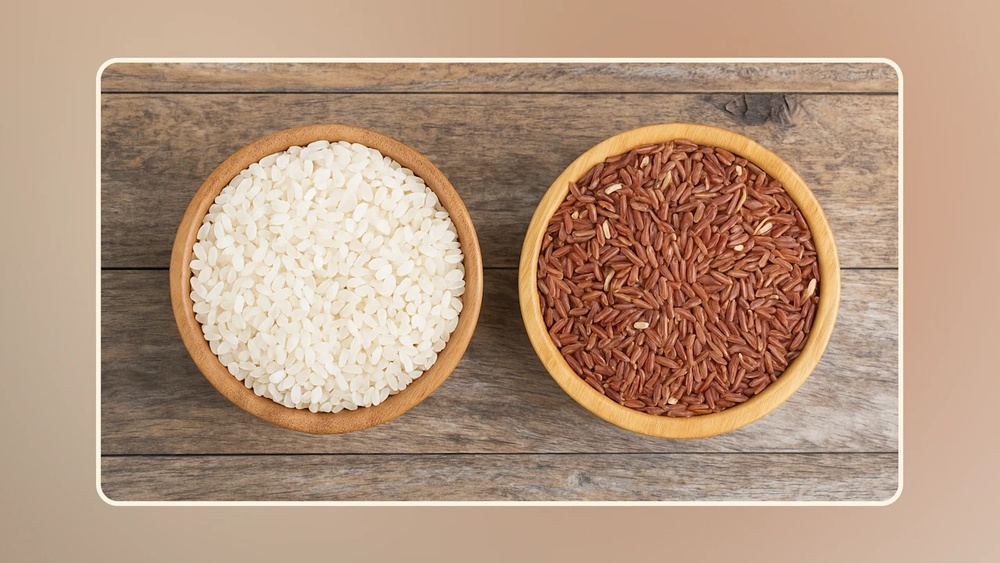
Rice can be a good food option for dogs. Not all types of rice suit dogs equally. Some kinds offer more benefits and are easier to digest. Choosing the right rice can help keep your dog healthy. This section looks at different types of rice safe for dogs.
White Rice Benefits
White rice is easy to digest for most dogs. It is low in fiber, which helps with upset stomachs. Vets often recommend white rice for dogs with diarrhea. It provides quick energy because of its simple carbohydrates. White rice also mixes well with other dog foods.
Brown Rice Advantages
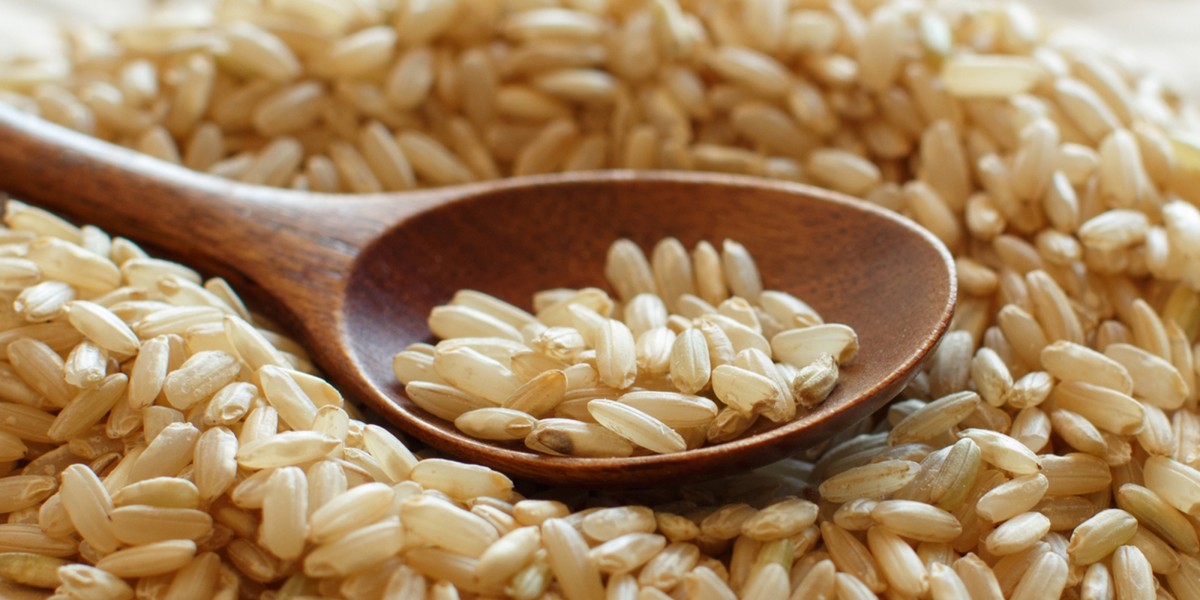
Brown rice has more nutrients than white rice. It contains fiber, which supports good digestion. The fiber helps control blood sugar levels in dogs. Brown rice also has vitamins like B and minerals. It is a good option for dogs with healthy digestion.
Avoiding Harmful Varieties
Some rice types can be harmful or hard to digest. Wild rice, for example, might cause stomach upset. Rice with added spices, salt, or oils is unsafe. Avoid rice with sauces or flavorings. Always serve plain, cooked rice to keep dogs safe.
Health Benefits Of Rice For Dogs
Rice is a common ingredient in many dog foods. It offers several health benefits that support your dog’s well-being. Rice is easy to digest and provides important nutrients. It can be a helpful part of a balanced diet for dogs.
Below are some key health benefits of rice for dogs that pet owners should know.
Digestive Health Support
Rice is gentle on a dog’s stomach. It helps soothe digestive issues like diarrhea and upset stomach. White rice is especially useful during digestive recovery. It provides energy without causing extra strain on the gut. Rice contains fiber that helps regulate bowel movements.
Allergy-friendly Food Option
Rice is a good choice for dogs with food allergies. It is less likely to cause allergic reactions compared to other grains. Many hypoallergenic dog foods use rice as a main ingredient. This makes rice a safe option for sensitive dogs.
Weight Management Aid
Rice can help manage your dog’s weight. It is low in fat and calories but still filling. Adding rice to your dog’s meals can reduce overeating. It provides energy for active dogs without excess calories. Rice helps keep your dog satisfied and healthy.
Credit: www.purina.com
How To Safely Prepare Rice For Dogs
Preparing rice safely for dogs is important to keep them healthy. Rice can be part of a dog’s diet if cooked properly. This section explains the best ways to cook rice, how much to feed, and what to avoid.
Cooking Methods To Retain Nutrients
Use plain water to cook rice. Boil it until soft and easy to chew. Avoid frying or adding oils. Steaming is a gentle way to keep nutrients. Do not use salty or flavored broth. These can harm your dog’s health.
Portion Control Guidelines
Feed small amounts of rice. A spoonful or two for small dogs. Larger dogs can eat more but not too much. Rice should not replace their main food. It is a supplement, not a full meal. Watch for any changes in digestion.
Avoiding Harmful Additives
Do not add salt, spices, or seasoning. Garlic and onion powder are toxic to dogs. Avoid butter or oil for cooking rice. Plain, cooked rice is safest and healthiest. Check labels on any packaged rice for additives.
Potential Risks And Considerations
Rice can be a helpful part of a dog’s diet but it also carries some risks. Knowing these risks helps keep your dog safe and healthy. Understanding the limits and effects of rice is important for any dog owner.
Overfeeding Concerns
Feeding too much rice can cause weight gain in dogs. Rice is high in carbohydrates but low in protein and fat. Too many carbs without balance can lead to obesity. Obese dogs face many health problems like joint pain and heart issues. Keep rice portions small and balanced with other foods.
Food Sensitivities
Some dogs may have allergies or sensitivities to rice. Signs include itching, vomiting, or diarrhea after eating rice. Sensitive dogs may need special diets without rice. Watch your dog closely after introducing rice to spot any reactions. Stop feeding rice if any symptoms appear.
Balancing With Other Nutrients
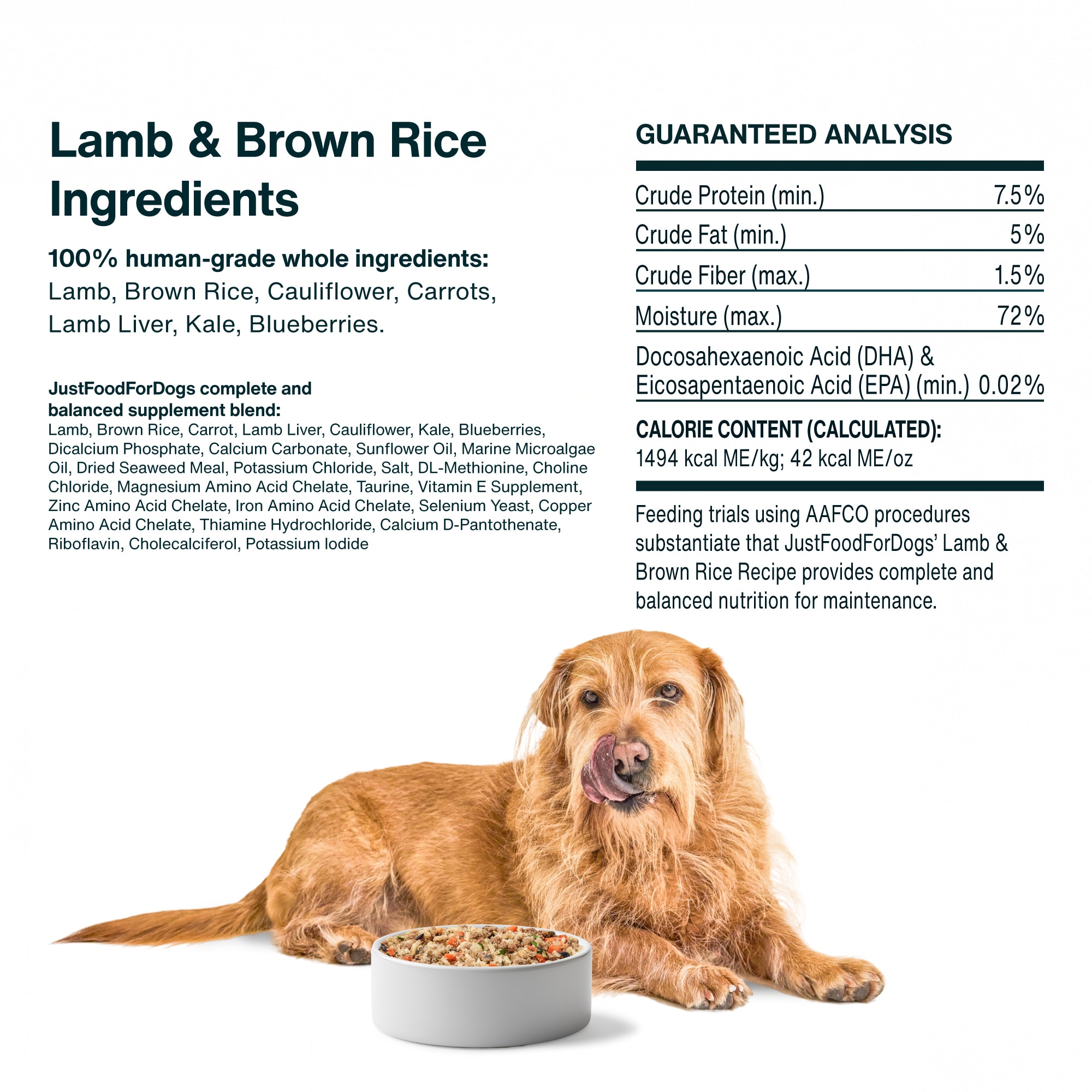
Rice alone does not provide all nutrients dogs need. Dogs require protein, fats, vitamins, and minerals for good health. Rice should be part of a balanced diet including meat and vegetables. Consult a vet to create a well-rounded meal plan for your dog. Balance prevents nutritional gaps and supports overall health.
Credit: www.petco.com

Credit: discovernutrisource.com
Frequently Asked Questions
Does Rice Provide Essential Nutrients For Dogs?
Yes, rice offers carbohydrates, fiber, and small amounts of protein for dogs. It supports energy and digestion.
Can Dogs Safely Eat White Or Brown Rice?
Both white and brown rice are safe for dogs. Brown rice has more fiber and nutrients.
Is Rice Good For Dogs With Digestive Issues?
Rice is gentle on dogs’ stomachs and can help soothe digestive problems.
How Much Rice Is Safe For Dogs To Eat?
Moderate amounts of rice mixed with protein are safe. Too much can cause weight gain.
Conclusion
Rice can be a healthy part of a dog’s diet in small amounts. It provides energy and helps with digestion. Always serve plain, cooked rice without spices or sauces. Balance rice with protein and other nutrients for best health. Watch your dog’s reaction to rice carefully.
Some dogs may not digest it well. Consult your vet before adding new foods. Simple choices keep dogs happy and healthy. Rice is safe but not a complete meal. Use it wisely as a treat or supplement.


