

Are you wondering if your adult dog can safely eat puppy food? It’s a common question many dog owners have, especially when leftover puppy food is around or when switching diets feels overwhelming.
What you feed your dog affects their health, energy, and happiness every single day. Choosing the right food isn’t just about what’s convenient—it’s about giving your furry friend the nutrition they truly need. Keep reading to discover the facts, avoid hidden risks, and learn how to make the best choice for your adult dog’s diet.
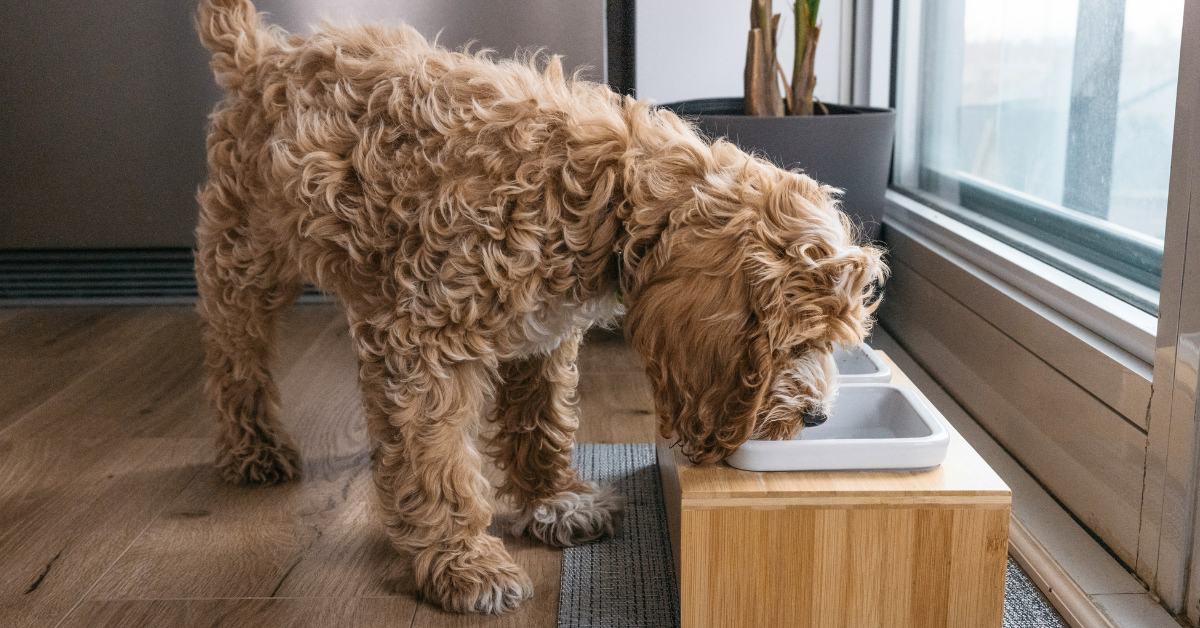
Credit: www.acanapetfoods.co.uk
Differences Between Puppy And Adult Dog Food
Adult dog food and puppy food have key differences. These differences match the needs of dogs at each life stage. Puppies grow fast and need more nutrients. Adult dogs need balanced food to stay healthy.
Understanding these differences helps you choose the right food. It also avoids feeding mistakes that can affect your dog’s health.
Nutrient Composition
Puppy food has more vitamins and minerals for growth. It contains calcium and phosphorus for strong bones. Adult dog food has fewer nutrients but focuses on maintenance. It supports a healthy weight and good digestion.
Calorie Content
Puppies need many calories to fuel their growth. Puppy food is higher in calories than adult food. Adult dogs need fewer calories to avoid weight gain. Their food has controlled calories for energy balance.
Protein Levels
Puppy food has higher protein to build muscles. Protein helps puppies develop strong bodies and healthy fur. Adult dog food has moderate protein for maintenance. It keeps muscles strong without extra strain.
Benefits Of Feeding Puppy Food To Adult Dogs
Feeding puppy food to adult dogs can offer several benefits. Puppy food has a different nutrient profile than adult dog food. It contains higher protein, fat, and calories to support growth. Some adult dogs may benefit from this extra nutrition, especially active or underweight ones.
Choosing the right diet helps maintain your dog’s health and energy. Puppy food can support muscle strength, skin, and coat condition better than some adult formulas. Understanding these benefits can help you decide if puppy food suits your adult dog’s needs.
Increased Energy For Active Dogs
Puppy food has more calories and fat. This extra energy helps active adult dogs stay lively. Dogs who run, play, or work need more fuel. Puppy food supplies the energy for their busy days. It keeps them from getting tired too fast.
Support For Muscle Maintenance
Puppy food has higher protein levels. Protein helps build and keep muscles strong. Active or older dogs may lose muscle without enough protein. Feeding puppy food helps maintain muscle mass. Strong muscles support better movement and overall health.
Improved Coat And Skin Health
Puppy food contains essential fatty acids and nutrients. These nutrients improve skin condition and fur shine. Dogs eating puppy food often have softer, healthier coats. Good skin and coat health prevent itching and dryness. This helps dogs feel more comfortable every day.
Risks Of Adult Dogs Eating Puppy Food
Feeding adult dogs puppy food can cause several health problems. Puppy food is designed to support growth, not maintenance. Adult dogs have different nutritional needs. Eating puppy food regularly may lead to risks that affect their health and comfort.
Potential Weight Gain
Puppy food contains more calories and fat. Adult dogs eating it can gain weight quickly. Excess weight strains their joints and organs. Obesity can reduce their lifespan and energy.
Digestive Issues
Adult dogs may have trouble digesting richer puppy food. It can cause upset stomach, diarrhea, or vomiting. Their digestive systems are not used to high-fat content. This discomfort can make them avoid eating.
Nutrient Imbalances
Puppy food has more protein and minerals than adults need. Too much can harm kidneys and liver. Adult dogs need fewer nutrients for growth. Imbalance can lead to health problems over time.

Credit: www.purina.com
When Puppy Food Might Be Suitable For Adults
Puppy food is made with extra nutrients and calories. It supports growth and energy needs. Sometimes adult dogs may need this extra nutrition too. Certain conditions make puppy food a good option for adult dogs.
Understanding when puppy food suits adult dogs helps pet owners choose wisely. Here are situations where it might be helpful.
Growing Or Recovering Dogs
Adult dogs that are still growing may need more nutrients. Some breeds grow slower and need extra support. Dogs recovering from illness or surgery use more energy. Puppy food can help provide needed calories and vitamins. It aids faster healing and strength rebuilding.
High-activity Or Working Dogs
Dogs with high energy needs burn calories fast. Working dogs or those with active lifestyles require more fuel. Puppy food offers higher protein and fat levels. This helps maintain muscle and stamina. It keeps active dogs healthy and full of energy.
Veterinary Recommendations
Veterinarians may suggest puppy food for certain adult dogs. Health issues or weight gain problems may require diet changes. Puppy food supports proper nutrition under vet supervision. Always follow the vet’s advice for best results. Avoid feeding puppy food without professional guidance.
How To Transition Between Puppy And Adult Food
Transitioning your dog from puppy food to adult food needs care and patience. This change affects their health and growth. A smooth switch helps avoid stomach issues and keeps your dog happy. Follow clear steps to make this change easy for your pet.
Gradual Switching Process
Start by mixing 25% adult food with 75% puppy food. Keep this mix for three days. Then, change to 50% adult and 50% puppy food for another three days. After that, try 75% adult and 25% puppy food. Finally, feed only adult food. This slow change helps your dog’s stomach adjust.
Monitoring Health And Weight
Watch your dog closely during the switch. Check for vomiting, diarrhea, or loss of appetite. Weigh your dog weekly to track any changes. Healthy weight means the food suits your dog. If problems appear, slow the transition or ask a vet for advice.
Adjusting Portion Sizes
Puppy food has more calories than adult food. Reduce portion sizes when switching to adult food. Follow the feeding guide on the adult food package. Adjust portions based on your dog’s activity and weight. Proper portions prevent weight gain or loss and keep your dog fit.
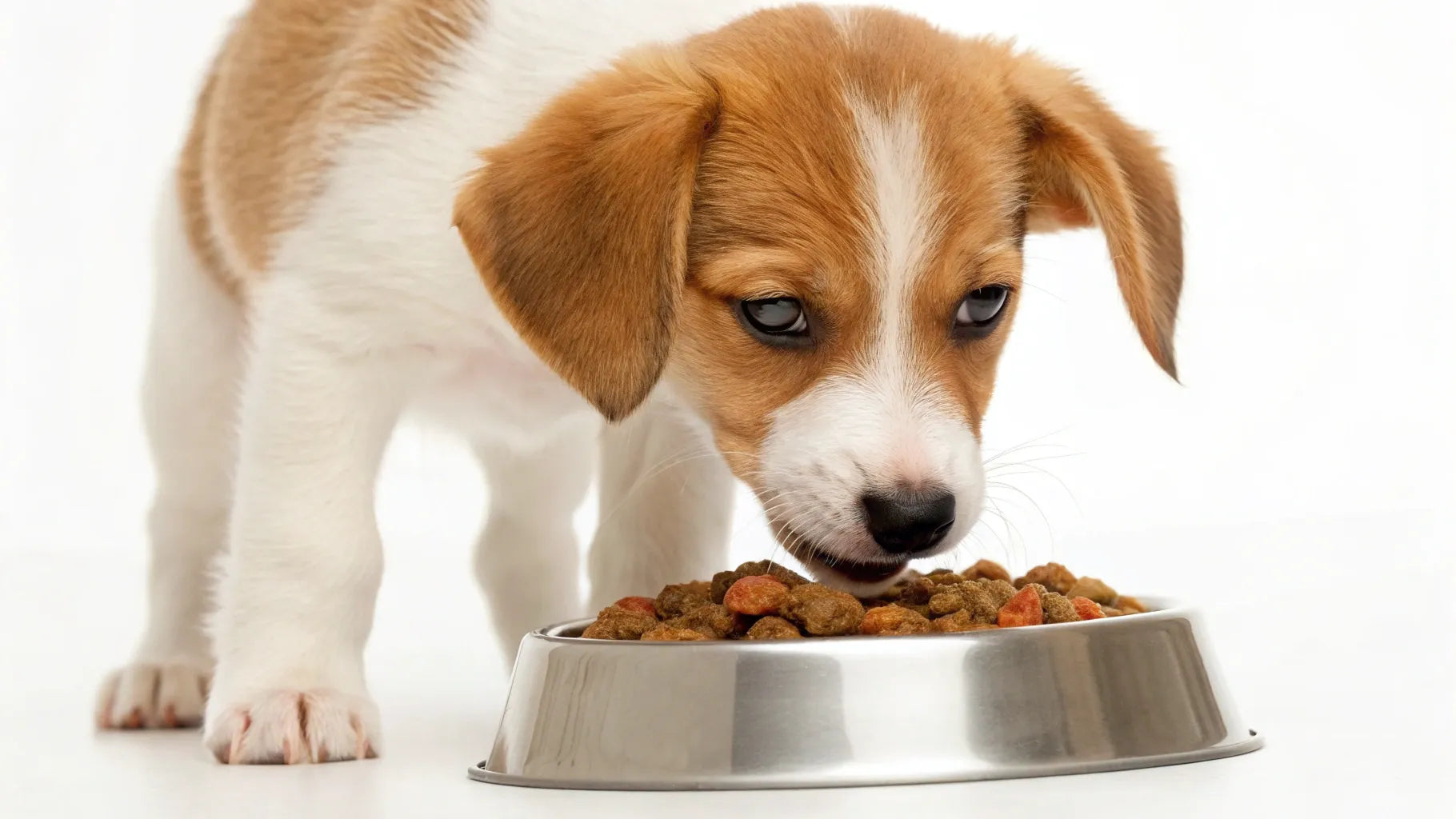
Credit: www.houndsy.com
Alternatives To Puppy Food For Adult Dogs
Adult dogs need food that suits their age and health. Puppy food is rich in calories and nutrients meant for growing pups. Feeding adult dogs puppy food regularly can cause weight gain and health issues. Many alternatives fit adult dogs better. Choosing the right diet helps your dog stay healthy and active.
Senior Dog Formulas
Senior dog formulas meet the needs of older dogs. These foods have fewer calories and more fiber. They support joint health and digestion. Senior formulas often include antioxidants. These protect cells and boost immunity. Using these helps older dogs stay strong and healthy.
Weight Management Diets
Weight management diets help dogs maintain a healthy weight. These foods have lower calories and fat. They include ingredients that promote fullness. This prevents overeating and obesity. Weight control supports heart and joint health. Ideal for dogs who need to lose or keep weight.
Homemade And Raw Diet Options
Homemade and raw diets give full control over ingredients. You can include fresh meats, vegetables, and grains. These diets avoid fillers and preservatives. Preparing meals at home ensures quality and freshness. Raw diets focus on uncooked foods for natural nutrition. Consult a vet to balance homemade or raw meals properly.
Frequently Asked Questions
Can Adult Dogs Safely Eat Puppy Food?
Adult dogs can eat puppy food occasionally, but it’s not ideal long-term. Puppy food is higher in calories and nutrients, which can lead to weight gain and digestive issues in adults. Always consult your vet before making diet changes.
What Are The Risks Of Feeding Puppy Food To Adults?
Feeding puppy food to adult dogs regularly may cause obesity and nutrient imbalances. Puppy food contains more fat and protein, which can strain adult dogs’ organs. Monitor your dog’s health and consult a vet if you notice issues.
How Does Puppy Food Differ From Adult Dog Food?
Puppy food has higher calories, protein, and fat to support growth. Adult dog food is formulated for maintenance with balanced nutrients for mature dogs. Feeding the right food ensures your dog’s optimal health and weight management.
When Can Adult Dogs Switch From Puppy Food?
Adult dogs can switch to adult food around 12 months old, depending on breed size. Large breeds may need puppy food longer. Transition gradually over 7-10 days to avoid digestive upset and ensure proper nutrition.
Conclusion
Adult dogs can eat puppy food occasionally but not long-term. Puppy food has extra nutrients meant for growing dogs. Feeding it regularly to adults may cause weight gain or health issues. Choose food based on your dog’s age and activity level.
Always check with your vet before making diet changes. Balanced nutrition keeps your dog healthy and happy. Proper food supports strong bones and good energy. Remember, each dog is different and needs special care. Healthy meals lead to a better life for your furry friend.


