

Are you wondering if feeding your puppy adult dog food could cause problems? It’s a common question among new dog owners, and the answer might surprise you.
What you feed your puppy now can shape their health and growth for years to come. If you want to avoid tummy troubles and give your furry friend the best start, it’s important to understand why puppy food is different from adult dog food—and what could happen if you mix them up.
Keep reading to find out what you need to know to keep your puppy happy and healthy.

Credit: www.petplace.com
Nutritional Needs Of Puppies
Puppies have special food needs that differ from adult dogs. Their bodies grow fast. Nutrients help them build strong bones and muscles. Feeding puppies the right food supports healthy growth and keeps them active.
Adult dog food may not have the right balance of nutrients puppies need. This can lead to health problems or slow growth. Understanding puppy nutrition helps prevent these issues.
Growth Requirements
Puppies grow quickly in their first year. They need more calories than adult dogs. Their food must provide enough energy to support this rapid growth. Proper feeding schedules also matter. Puppies eat smaller, more frequent meals to digest food easily. Growth requires a careful balance of protein, fats, and carbohydrates. Too little or too much can cause problems.
Key Nutrients For Development
Protein helps build muscles and tissues. Puppies need higher protein levels than adults. Fats provide energy and help brain development. Calcium and phosphorus strengthen bones and teeth. Vitamins and minerals support overall health and immune function. Missing any key nutrient can cause illness or weakness. Puppy food is made to meet these needs exactly.
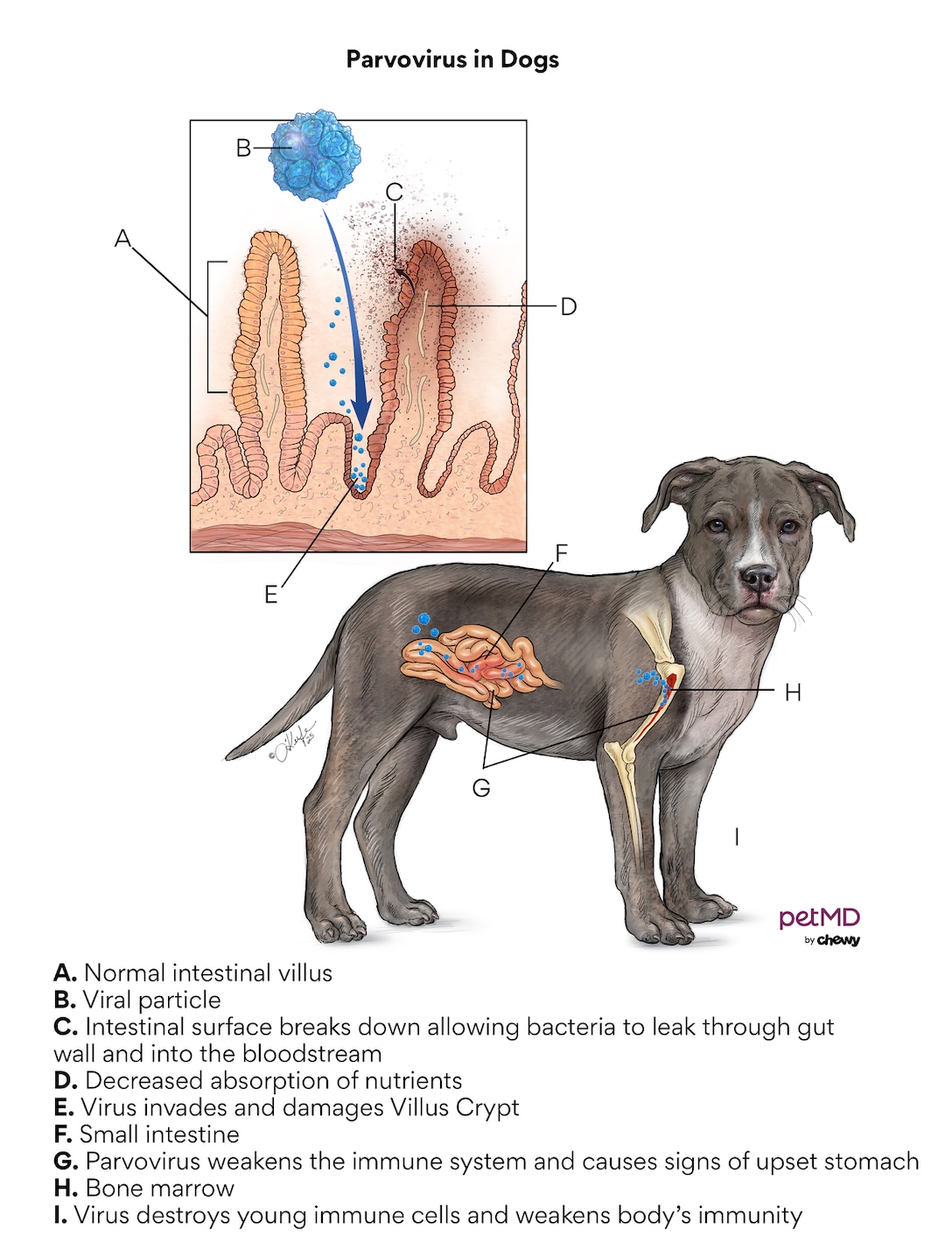
Credit: www.petmd.com
Differences Between Puppy And Adult Dog Food
Puppies and adult dogs need different kinds of food for healthy growth and energy. Puppy food supports fast growth and development. Adult dog food maintains health but does not support rapid growth. Feeding adult dog food to puppies can cause nutritional gaps or excesses. Understanding key differences helps avoid health problems.
Calorie Content
Puppy food has more calories than adult dog food. Puppies burn a lot of energy growing and playing. They need extra calories to stay strong. Adult dogs need fewer calories to prevent weight gain. Feeding adult food to puppies may not provide enough energy.
Protein And Fat Levels
Puppy food contains higher protein and fat levels. Protein builds muscles and supports brain development. Fat gives puppies energy and helps absorb vitamins. Adult dog food has lower protein and fat to avoid obesity. Puppies eating adult food may miss essential nutrients for growth.
Vitamins And Minerals
Puppy food is rich in vitamins and minerals like calcium and phosphorus. These support strong bones and teeth. Adult dog food has balanced minerals for maintenance, not growth. Too little or too much minerals can harm puppies. Proper vitamins and minerals keep puppies healthy and active.
Risks Of Feeding Adult Food To Puppies
Feeding adult dog food to puppies can cause several health problems. Puppies need special nutrition for their growth and development. Adult food does not meet these needs. This section explains the risks of giving adult food to puppies.
Digestive Issues
Puppies have sensitive stomachs. Adult dog food is harder to digest for them. It can cause diarrhea, vomiting, or upset stomach. These issues can make puppies weak and uncomfortable.
Nutritional Deficiencies
Adult dog food lacks important nutrients for puppies. Puppies need more protein, fat, and vitamins than adult dogs. Without these, their bones and muscles may not grow properly. Missing nutrients can slow down their development.
Long-term Health Effects
Feeding adult food to puppies can cause health problems later. Poor nutrition in early life can lead to weak immunity and joint problems. It can also affect their energy levels and overall health as adults.
Signs Your Puppy May Be Affected
Puppies need special food to grow healthy and strong. Feeding them adult dog food can cause problems. It is important to watch for signs that your puppy may be affected by the wrong food. Early signs help you act fast and keep your puppy safe.
Behavioral Changes
Puppies may show changes in their mood and behavior. They might become less playful or seem tired more than usual. Some puppies may hide or avoid contact. Eating adult dog food can cause discomfort, making them restless. Watch for sudden changes in energy or attitude. These clues suggest your puppy is not feeling well.
Physical Symptoms
Look for physical signs of distress in your puppy. Vomiting and diarrhea are common symptoms. Your puppy might lose appetite or refuse to eat. A swollen belly or bloating can indicate digestive issues. Check for signs of dehydration, such as dry gums. These symptoms can mean the puppy’s body is struggling with the adult food.
Safe Feeding Practices For Puppies
Puppies need special care with their food to grow strong and healthy. Feeding them the right food supports their bones, muscles, and brain. Safe feeding helps avoid stomach problems and keeps their energy high. It also builds good eating habits early on.
Understanding what to feed and how to change their diet is important. Puppies have different needs than adult dogs. This guide helps you feed your puppy safely and confidently.
Choosing The Right Food
Puppies need food made just for their growth stage. Puppy food has extra nutrients and calories for their needs. Adult dog food lacks some vitamins and minerals puppies require. This can cause health problems or slow growth. Pick a high-quality puppy food with balanced nutrition. Check the label for ingredients and nutrient levels. Avoid foods with fillers or artificial additives.
Transitioning Between Foods
Switching a puppy’s food should be done slowly. A sudden change can upset their stomach and cause diarrhea. Start by mixing a small amount of new food with the old. Increase the new food each day over 7-10 days. Watch your puppy’s reaction during the change. Stop if you notice vomiting or loose stools. This slow switch helps their digestive system adjust comfortably.
When To Consult A Veterinarian
Knowing when to consult a veterinarian is important if you feed your puppy adult dog food. Puppies have different nutritional needs. Feeding the wrong food might cause health problems. Watching your puppy closely helps you spot any issues early. Acting fast can prevent serious sickness or discomfort.
Emergency Symptoms
Some signs need urgent vet care. Vomiting that lasts more than one day is a warning. Severe diarrhea can cause dangerous dehydration. If your puppy stops eating or drinking, get help quickly. Look for weakness, shaking, or difficulty breathing. These symptoms show serious problems. Do not wait. Take your puppy to the vet immediately.
Routine Health Checks
Regular vet visits keep your puppy healthy. The vet can check if adult food affects your puppy. Blood tests and weight checks show overall health. The vet can suggest the best diet for growth. Regular visits catch problems before they get worse. Plan at least one check-up every few months. This helps your puppy grow strong and happy.
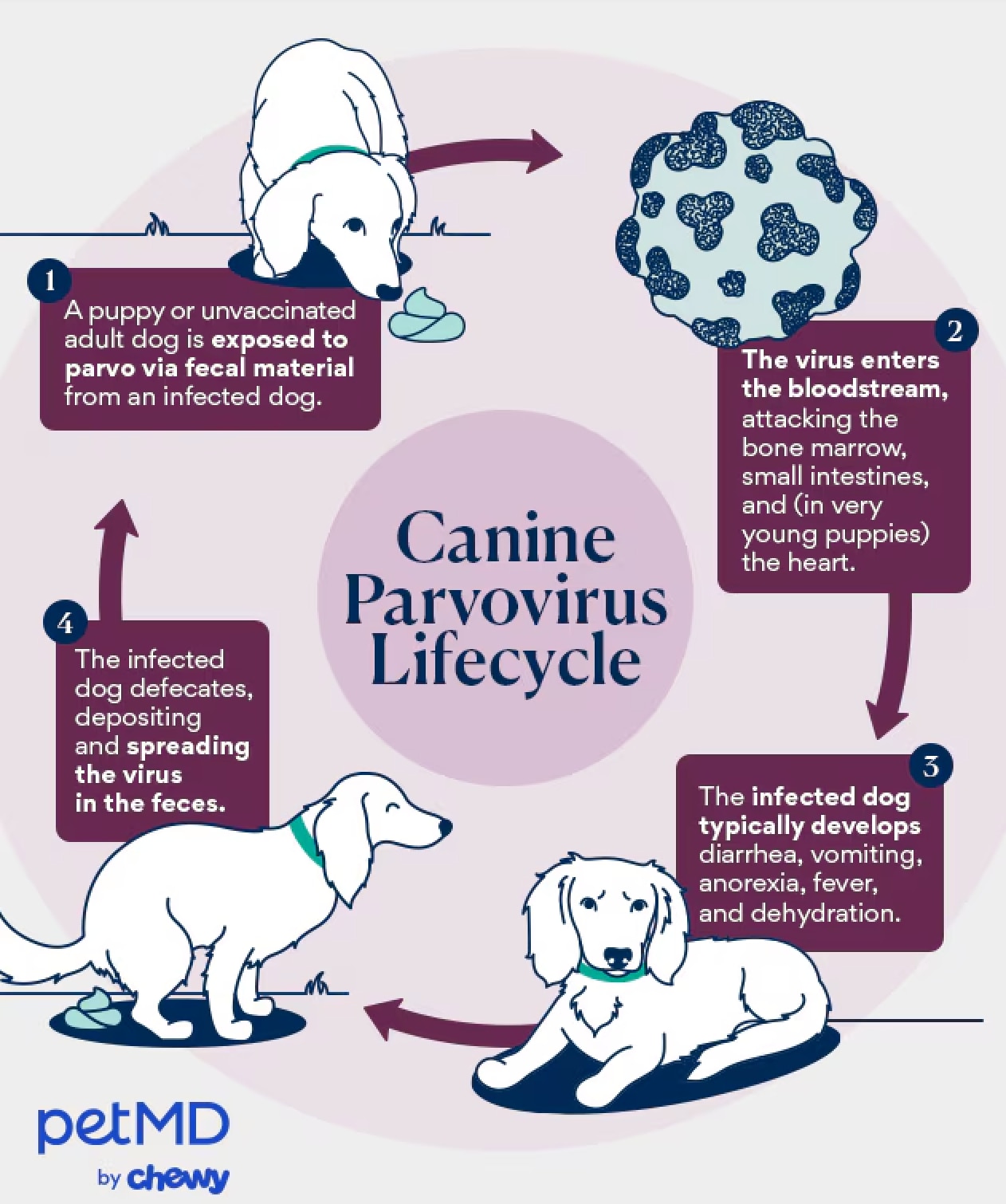
Credit: www.petmd.com
Frequently Asked Questions
Can Adult Dog Food Cause Digestive Issues In Puppies?
Yes, adult dog food can upset a puppy’s digestion. It lacks essential nutrients puppies need for growth and may cause diarrhea or vomiting.
Is Adult Dog Food Nutritionally Safe For Puppies?
No, adult dog food is not nutritionally balanced for puppies. Puppies require higher protein, fat, and calories for healthy development.
How Long Can A Puppy Eat Adult Dog Food Safely?
Puppies should not eat adult dog food regularly. Occasional small amounts are fine, but prolonged feeding may lead to health problems.
What Are The Risks Of Feeding Puppies Adult Dog Food?
Feeding puppies adult food risks nutritional deficiencies, slow growth, weak immunity, and digestive upset, impacting their overall health and development.
Conclusion
Feeding adult dog food to a puppy can cause tummy troubles. Puppies need food made just for their growing bodies. Adult food lacks the right nutrients for healthy puppy growth. Switching to puppy food helps avoid sickness and supports strong bones.
Always choose food that fits your dog’s age and size. This keeps your puppy happy and healthy as they grow. Remember, good nutrition starts with the right food choice every day. Take care with feeding to help your puppy thrive.


