Are you wondering if your 5-month-old puppy can start eating adult dog food? It’s a question many pet owners ask as their furry friend grows up fast.
Choosing the right food now can shape your puppy’s health and energy for years to come. But switching too soon or picking the wrong type might cause problems you don’t want to face. Keep reading to discover exactly when and why you should (or shouldn’t) make the change, so your puppy stays happy and healthy every step of the way.

Credit: www.poochandmutt.co.uk
Puppy Nutritional Needs
Puppies need special care in their diet to grow strong and healthy. Their food must support fast growth and development. Adult dog food may not meet these needs. Understanding what puppies require helps in choosing the right food for them.
Nutrition plays a big role in a puppy’s health. It affects their bones, muscles, and brain. Feeding the right food ensures they get enough energy and nutrients every day.
Growth Requirements
Puppies grow quickly in their first months. Their bodies need more calories than adult dogs. These calories help build muscles and bones. Puppies also need food that is easy to digest. This helps their small stomachs handle the food well.
Growth stages need different food amounts. At five months, puppies still grow fast and need high energy food. Adult dog food usually has fewer calories and may not support this growth.
Key Nutrients For Puppies
Protein is very important for puppies. It helps build strong muscles and tissues. Fat provides energy and keeps their skin healthy. Puppies also need calcium and phosphorus for strong bones.
Vitamins and minerals support the immune system and brain development. DHA, a type of fat, is vital for brain and eye growth. Puppy food includes these nutrients in the right amounts. Adult food often lacks the extra nutrients puppies need.
Differences Between Puppy And Adult Dog Food
Puppies and adult dogs have different nutritional needs. Their food should match their growth and energy levels. Puppy food supports fast growth and strong bones. Adult dog food maintains health and energy in mature dogs. Understanding these differences helps keep your dog healthy at every stage.
Calorie Content
Puppy food has more calories than adult dog food. Puppies burn more energy growing and playing. They need extra calories to build muscles and bones. Adult dogs need fewer calories to avoid weight gain. Feeding the right calories keeps your dog fit and active.
Protein Levels
Puppy food contains higher protein levels than adult food. Protein helps puppies grow muscles and repair tissues. It also supports brain development and immune health. Adult dog food has less protein since growth slows down. Proper protein intake is key for healthy dogs.
Vitamin And Mineral Balance
Puppy food includes more vitamins and minerals for growth. Calcium and phosphorus are important for strong bones. Vitamins A and D support vision and immune function. Adult dog food has balanced nutrients for maintenance. Each formula suits the dog’s age and body needs.
Risks Of Feeding Adult Food To Puppies
Feeding adult dog food to a 5-month-old puppy can cause serious problems. Puppies have different needs than adult dogs. Their bodies grow fast and need special nutrients to stay healthy. Adult dog food lacks some of these important nutrients.
Choosing the wrong food can hurt your puppy’s growth and health. It is important to understand the risks before making this choice.
Nutritional Deficiencies
Puppies need more protein, fat, and vitamins than adult dogs. Adult dog food usually has lower amounts of these nutrients. This can cause your puppy to miss out on essential building blocks for growth. Missing nutrients can slow down bone and muscle development.
Without proper nutrition, puppies may become weak or tired. They might also have trouble fighting illnesses.
Digestive Issues
Puppies have sensitive stomachs. Adult dog food is harder for them to digest. Feeding adult food can cause stomach pain, diarrhea, or vomiting. Puppies might refuse to eat if their stomach feels upset.
Changing food too soon can disturb their gut health. It may take time for the puppy to recover from digestive problems.
Long-term Health Effects
Feeding the wrong food can affect your puppy’s health later in life. Poor nutrition during growth can cause weak bones and joints. It can also lead to obesity or other chronic diseases.
Long-term health problems may require expensive vet care. Good food helps puppies grow into strong adult dogs.
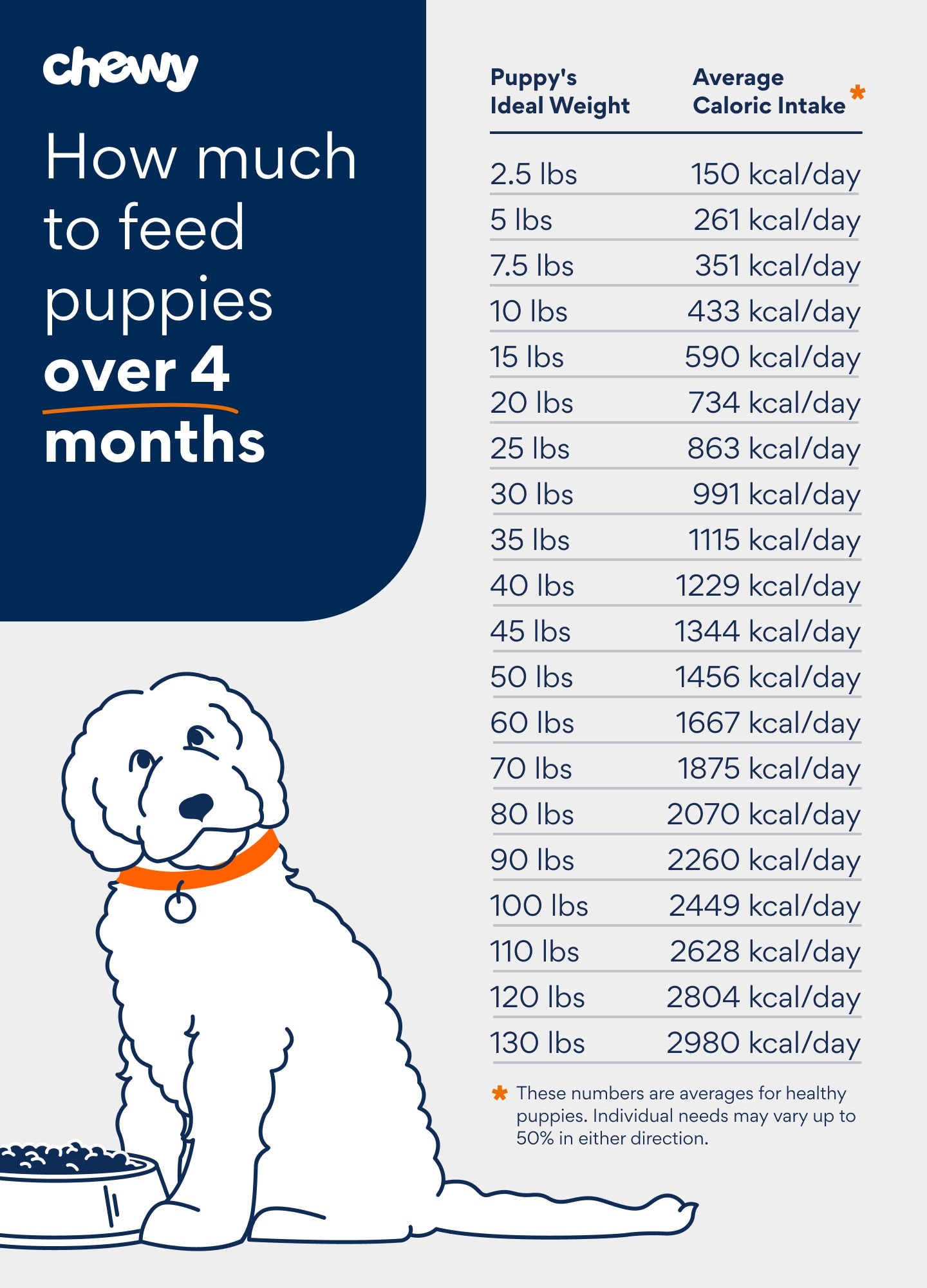
Credit: www.chewy.com
When To Transition To Adult Dog Food
Knowing the right time to switch your puppy to adult dog food is important. Puppies need different nutrients than adult dogs. Feeding the right food helps them grow strong and stay healthy. Transitioning too early or too late can cause problems. Understanding the signs and guidelines helps make the change smooth and safe.
Age Guidelines
Most puppies switch to adult food between 9 and 12 months old. Small breeds often change closer to 9 months. Large breeds may need puppy food up to 12 months. Age is a simple way to know when to start the transition. Follow the breed’s typical growth timeline for best results.
Breed Size Considerations
Small breeds grow faster than large breeds. They reach adulthood sooner and need adult food earlier. Large breeds take longer to mature. Their bones and joints develop over a longer time. Feeding adult food too soon can harm large breeds. Adjust feeding plans based on your puppy’s breed size.
Signs Your Puppy Is Ready
Your puppy shows signs of slowing growth. Teeth are fully grown and strong. Energy levels become more steady than hyperactive. Weight gain starts to level off. Your vet can check if your puppy’s ready. Watch for these signs before switching food.
How To Switch Dog Food Safely
Switching your puppy from puppy food to adult dog food needs care. A sudden change can upset their stomach. It is important to change food slowly to help their digestion. This keeps your puppy happy and healthy during the switch.
Gradual Transition Steps
Start by mixing 25% adult food with 75% puppy food. Keep this for three days. Then, change the ratio to 50% adult and 50% puppy food for three days. Next, mix 75% adult with 25% puppy food for another three days. Finally, feed only adult dog food. This slow change helps your puppy get used to the new taste and nutrients.
Monitoring Your Puppy’s Reaction
Watch your puppy’s behavior during the switch. Check for diarrhea, vomiting, or lack of appetite. Also, notice if they seem tired or restless. If you see any problems, slow down the transition. Give your puppy more time to adjust. Call your vet if issues continue or worsen.
Adjusting Portions
Adult dog food has different calories than puppy food. You may need to feed less or more. Follow the feeding guide on the dog food package. Adjust portions based on your puppy’s weight and activity. Avoid overfeeding to prevent weight gain. Keep your puppy’s growth steady and healthy.
Credit: doodledoods.com
Choosing The Right Food For Your Puppy
Choosing the right food for your puppy is very important. Puppies need special nutrients to grow healthy and strong. Their food must support their energy and development. Feeding the wrong food can cause health problems or slow growth. This section guides you on how to pick the best food for your 5-month-old puppy.
Consulting Your Veterinarian
Your veterinarian knows your puppy’s health best. Ask them which food suits your puppy’s breed and size. They can suggest the right balance of nutrients. They also check if your puppy has any health issues. Follow their advice for the safest food choice.
Reading Food Labels
Food labels tell you what is inside the dog food. Look for words like “complete and balanced.” These mean the food has all needed nutrients. Check the protein and fat content. Puppies need more protein than adult dogs. Avoid foods with too many fillers or artificial additives.
Considering Special Dietary Needs
Some puppies need special diets due to allergies or health problems. Your vet can help identify these needs. Choose food that supports your puppy’s condition. This keeps your puppy healthy and comfortable. Do not change diets suddenly; switch gradually to avoid upset stomachs.
Frequently Asked Questions
Can A 5-month-old Puppy Eat Adult Dog Food?
A 5-month-old puppy can eat adult dog food, but it’s not ideal. Puppy food has extra nutrients for growth. Adult food may lack essential vitamins and minerals puppies need at this stage.
When Should I Switch My Puppy To Adult Food?
Switch your puppy to adult food around 12 months old. Large breeds may need longer, up to 18 months. Consult your vet for the best timing based on your puppy’s breed and size.
What Risks Come From Feeding Adult Food Too Early?
Feeding adult food too early can cause nutrient deficiencies. Puppies may miss out on vital proteins, fats, and calcium. This can lead to stunted growth and weak bones.
How To Transition My Puppy To Adult Dog Food?
Transition gradually over 7-10 days. Mix increasing amounts of adult food with puppy food. This helps avoid digestive upset and allows your puppy to adjust comfortably.
Conclusion
Puppies need special food to grow strong and healthy. Adult dog food may not have all they need. At five months, your puppy is still growing fast. Feeding the right food helps their bones and muscles. Always check with your vet before changing food.
Watch your puppy’s weight and energy every day. Good nutrition sets the path for a happy life. Choose food made just for puppies to keep them healthy. Small steps now make a big difference later.