

Are you wondering if feeding your adult dog puppy food is a safe choice? You might think puppy food is just extra tasty or more nutritious, but is it really good for your grown dog’s health?
What if it causes problems you didn’t expect? Knowing the answer can save you from costly vet visits and keep your furry friend happy and energetic. Keep reading to discover the truth about puppy food for adult dogs and learn how to give your dog the best nutrition possible.

Credit: www.petscare.com
Puppy Food Composition
Puppy food is specially made to support young dogs as they grow. It contains specific ingredients and nutrients to help puppies build strong bones, muscles, and a healthy immune system. Understanding the composition of puppy food helps in deciding if it suits adult dogs too.
Nutrient Levels In Puppy Food
Puppy food has higher levels of protein and fat than adult dog food. These nutrients give puppies the energy they need for growth and play. Vitamins like calcium and phosphorus are also added in larger amounts to support bone development. Puppy food includes essential fatty acids for brain and eye health. The balance of nutrients is carefully designed to meet puppies’ fast-changing needs.
Differences From Adult Dog Food
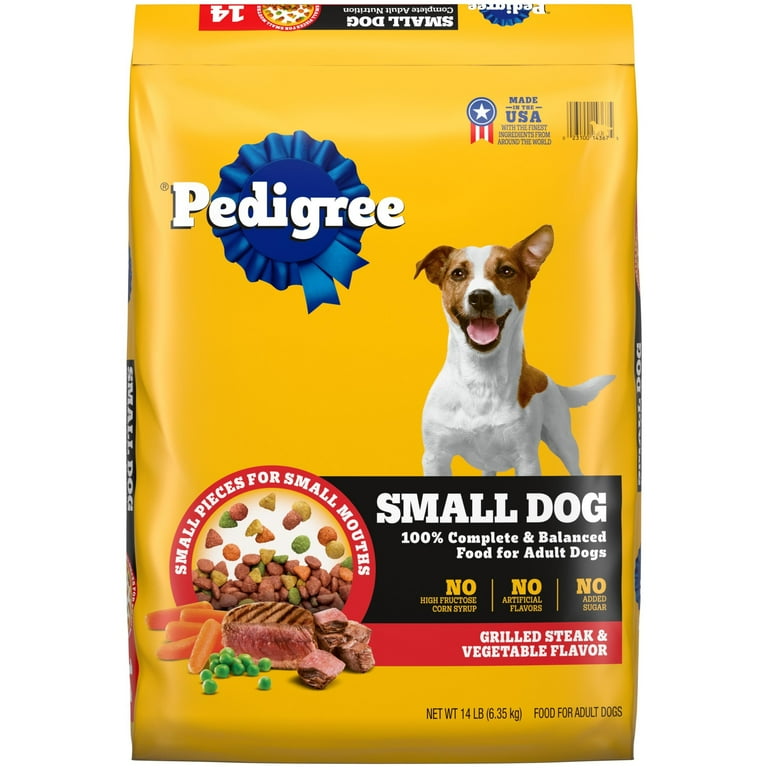
Adult dog food contains fewer calories and less fat compared to puppy food. This helps prevent adult dogs from gaining too much weight. Protein levels in adult food are moderate to maintain muscle without promoting rapid growth. The vitamin and mineral content is adjusted to support maintenance rather than development. Texture and kibble size may also differ to suit adult dogs’ chewing habits. These differences make each type of food better for the life stage it targets.
Credit: www.walmart.com
Adult Dogs’ Nutritional Needs
Adult dogs have different nutritional needs than puppies. Their bodies no longer grow rapidly. Instead, they need food that helps maintain health and energy. Feeding adult dogs the right diet supports their muscles, bones, and immune system. It also helps prevent weight gain and related health problems.
Choosing food that fits these needs is important. Puppy food is often richer in calories and nutrients. Adult dogs need a balanced diet with the right amount of energy and nutrients to stay fit and active.
Calorie Requirements
Adult dogs need fewer calories than puppies. Puppies burn more energy growing and exploring. Adults need calories to keep their body functions and daily activities. Too many calories can cause weight gain. Overweight dogs face health issues like joint pain and heart problems. Feeding the right calorie amount helps maintain a healthy weight.
Protein And Fat Intake
Protein is vital for adult dogs. It keeps their muscles strong and repairs body tissues. Adults need good quality protein, but less than puppies. Fat provides energy and helps absorb vitamins. Adults need moderate fat levels to avoid weight gain. Balanced protein and fat support overall health and energy levels.
Potential Benefits Of Puppy Food For Adults
Puppy food is rich in nutrients designed to support growth and development. Sometimes, adult dogs can benefit from these extra nutrients. It depends on their health, activity level, and special conditions. Puppy food often contains more protein, fat, and vitamins than adult dog food. These nutrients can help some adult dogs stay strong and energetic.
Choosing the right food is important for a dog’s well-being. Certain adult dogs may find puppy food helpful for their specific needs. Understanding these benefits helps owners make better choices for their pets.
When Extra Nutrients Help
Some adult dogs need more nutrients than usual. Dogs recovering from illness or surgery may require extra protein and calories. Puppy food can support healing and muscle repair. Older dogs with weak immune systems might also benefit from added vitamins. These nutrients help maintain their health and strength.
Suitability For Active Or Pregnant Dogs
Active dogs burn more energy daily. Puppy food’s higher fat and protein content fuels their activity. Pregnant or nursing dogs also need more nutrients. Puppy food helps support the mother and growing puppies. It ensures they get enough energy and essential vitamins.
Credit: www.bigstateplumbing.com
Risks Of Feeding Puppy Food To Adults
Feeding puppy food to adult dogs can cause health problems. Puppy food is rich in calories, protein, and nutrients designed for growing puppies. Adult dogs do not need this much nutrition. Regularly feeding them puppy food can lead to several risks that affect their health and well-being.
Weight Gain And Obesity
Puppy food has more calories than adult dog food. Adult dogs eating this food can gain weight quickly. Excess weight stresses their joints and heart. Obesity can lead to diabetes and other diseases. Maintaining a healthy weight helps dogs live longer and feel better.
Digestive Issues
Adult dogs may struggle to digest the rich nutrients in puppy food. Too much protein and fat can cause stomach upset. Symptoms include diarrhea, vomiting, and gas. Digestive problems reduce nutrient absorption and cause discomfort. Feeding the right food supports a healthy digestive system.
Transitioning Between Foods
Switching your dog’s food requires care. Sudden changes can upset their stomach. A smooth transition helps your dog accept the new food. It also reduces digestive problems. This section guides you through changing your dog’s diet safely.
Gradual Change Tips
Start by mixing a small amount of new food with the old. Increase the new food bit by bit over 7 to 10 days. Watch your dog’s eating habits and stool quality. Avoid feeding only new food on the first day. Patience is key to a successful switch.
Signs Of Food Intolerance
Look for vomiting, diarrhea, or gas after changing food. Scratching or skin rashes can also appear. Your dog may refuse to eat or seem tired. If these signs show, slow the transition or stop it. Consult a vet for advice and possible food allergies.
Veterinarian Recommendations
Veterinarian recommendations play a key role in deciding if puppy food is safe for adult dogs. Experts understand the nutritional needs of different dog ages. Their advice helps keep dogs healthy and happy. Professional guidance ensures diet choices support your dog’s well-being over time.
Consulting Professionals
Talking to a veterinarian is the best way to learn about your dog’s diet. They check your dog’s health and lifestyle. This helps them suggest the right food type and amount. Vets also spot any allergies or sensitivities your dog may have. Their advice prevents health problems from poor diet choices.
Customized Diet Plans
Vets create diet plans based on your dog’s specific needs. Age, weight, activity, and health issues all matter. Some adult dogs may benefit from puppy food for short periods. Others need special diets for weight control or medical conditions. Personalized plans keep your dog strong and energetic every day.
Frequently Asked Questions
Is Puppy Food Safe For Adult Dogs To Eat?
Yes, adult dogs can eat puppy food occasionally, but it’s not ideal. Puppy food is richer in calories and nutrients, which may cause weight gain or digestive issues in adults if fed regularly.
What Are The Risks Of Feeding Puppies Food To Adults?
Feeding adult dogs puppy food long-term can lead to obesity and nutrient imbalances. Puppy food contains extra fat and protein, which may strain adult dogs’ kidneys and digestive systems over time.
Can Adult Dogs Benefit From Puppy Food Nutrition?
Puppy food has higher protein and fat, supporting growth and energy needs. Adult dogs don’t require this extra nutrition unless they are very active or underweight, so regular adult dog food is usually better.
How To Transition Adult Dogs From Puppy To Adult Food?
Gradually mix adult food with puppy food over 7-10 days. This helps avoid digestive upset and allows the dog to adjust to the new nutrient levels smoothly and safely.
Conclusion
Adult dogs need food made just for them. Puppy food has extra nutrients that adults do not need. Feeding puppy food to adults can cause weight gain or health problems. Always choose the right food based on your dog’s age and needs.
Talk to your vet if you are unsure. Healthy eating helps dogs live longer and feel better. Give your adult dog the best care with proper food. Keep them happy and strong every day. Simple choices make a big difference.


