

You want the best for your furry friend, and that includes feeding them the right food at the right time. But how do you know when your playful puppy is ready to switch to adult dog food?
Making this change too early or too late can affect your dog’s health and energy. If you’re unsure about the perfect moment to make the switch, keep reading. This guide will help you recognize the signs and make the best choice for your dog’s wellbeing.
Signs Your Puppy Is Ready
Knowing when to switch your puppy to adult food is important. Puppies grow fast and their needs change quickly. Watch for clear signs that your puppy is ready to move on to adult dog food. These signs help you feed them right for their age and health.
Check your puppy’s body, behavior, and diet needs to decide the best time to switch.
Physical Growth Milestones
Puppies grow in stages. Their bones and muscles get stronger after a few months. Most puppies reach near adult size between 9 and 12 months. Small breeds finish earlier, often by 9 months. Large breeds may take up to 18 months.
Look for changes in weight and height. When growth slows, your puppy may be ready for adult food.
Behavioral Changes
Puppies become calmer as they grow. They may stop chewing everything and show more focus. Energy levels may balance out. These changes show they are maturing. A mature puppy handles adult food better than a very active young pup.
Nutritional Needs Shift
Puppies need more calories and nutrients for growth. Adult dogs need fewer calories to avoid weight gain. Their protein and fat needs also change. Adult dog food matches these new needs. Switching at the right time helps keep your dog healthy and fit.
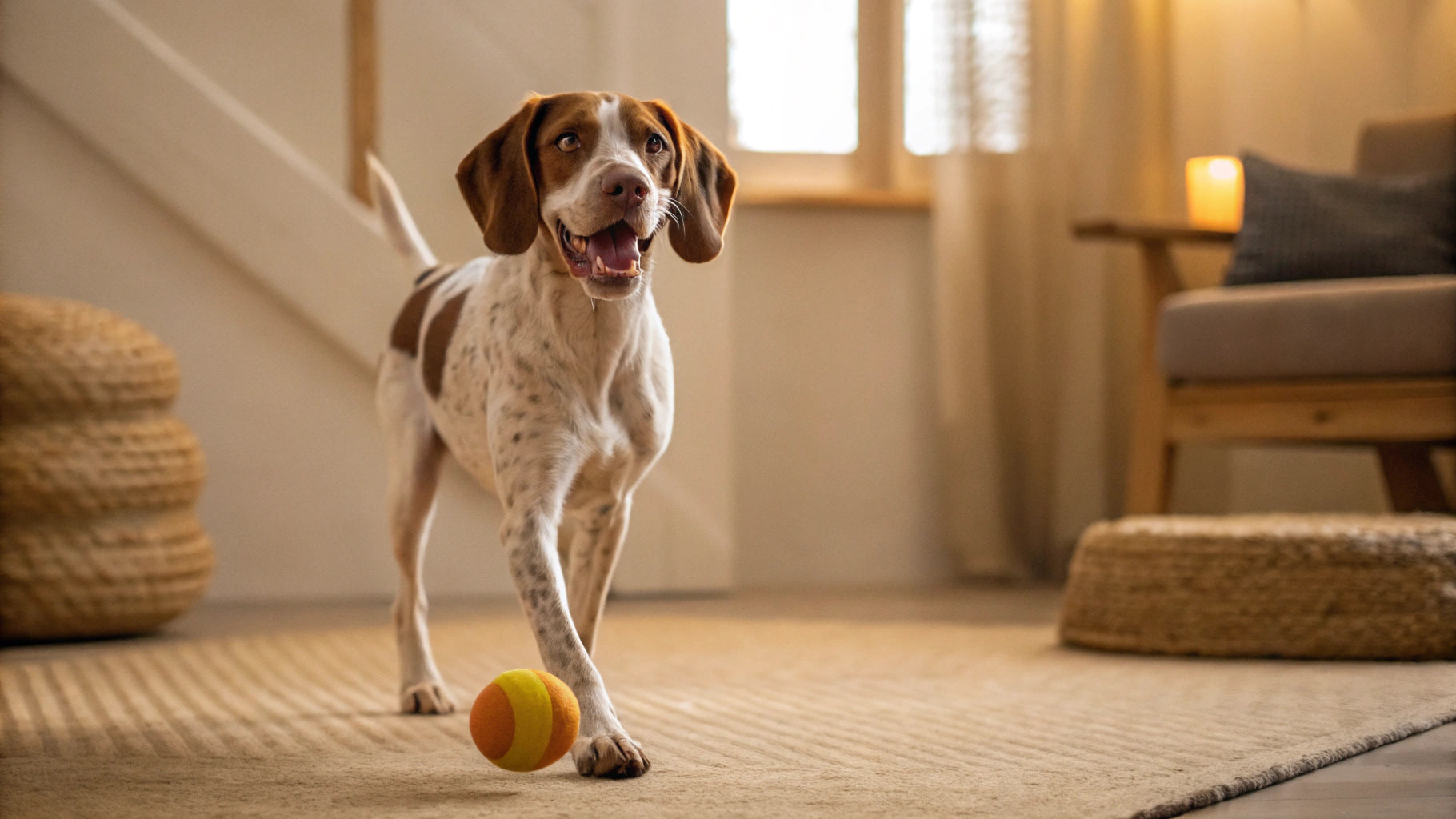
Credit: www.houndsy.com
Age Guidelines By Breed Size
Switching your dog to adult food depends on their size and age. Different breeds grow at different speeds. Knowing the right time helps keep your dog healthy and strong.
Small Breeds
Small breed dogs grow quickly. They reach adult size faster than larger breeds. Usually, they switch to adult food around 9 to 12 months old. Some small dogs may need adult food even earlier. Watch your dog’s weight and energy for signs.
Medium Breeds
Medium breeds grow at a steady pace. Most reach adult size between 12 and 15 months. At this age, change their food to adult formulas. This supports their energy and helps maintain healthy bones and muscles.
Large And Giant Breeds
Large and giant breeds grow slower. They keep growing up to 18 to 24 months. Switching to adult food too soon can harm their growth. Wait until they are fully grown. Use special large breed food to support joint health.
Choosing The Right Adult Food
Choosing the right adult food for your dog is important for their health. Adult dogs need different nutrients than puppies. Picking the best food helps keep them active and strong. It also supports their digestion and immune system. Understanding what makes a good adult dog food will guide you to the best choice.
Key Nutrients To Look For
Protein is essential for muscle maintenance and energy. Look for high-quality animal protein sources like chicken or fish. Healthy fats provide energy and keep the coat shiny. Omega-3 and omega-6 fatty acids are important. Carbohydrates give energy but should come from whole grains or vegetables. Fiber helps with digestion and prevents constipation. Vitamins and minerals support overall health and immune function.
Types Of Adult Dog Food
Dry kibble is convenient and helps clean teeth. Wet food is tasty and adds moisture to the diet. Raw or fresh food diets are closer to natural meals. Some foods are made for specific needs like weight control or sensitive stomachs. Choose a type that fits your dog’s lifestyle and health needs.
Common Ingredients To Avoid
Avoid foods with artificial colors and flavors. These add no nutrition and may cause allergies. Limit fillers like corn, wheat, and soy that offer little value. Avoid by-products and unnamed meat meals. These ingredients can be low quality and hard to digest. Stay away from excess salt and sugar in the food.

Credit: www.reddit.com
Transitioning Your Dog’s Diet
Switching your dog from puppy food to adult food is an important step. It helps support your dog’s growth and health at the right stage. A sudden change can upset their stomach. Careful planning makes the process smooth and safe.
Gradual Food Introduction
Start by mixing a small amount of adult food with puppy food. Increase the adult food portion over 7 to 10 days. This slow change helps your dog’s digestion adjust. Sudden diet changes may cause diarrhea or vomiting. Patience is key to a smooth transition.
Monitoring For Digestive Issues
Watch your dog closely during the switch. Look for signs like loose stools, vomiting, or loss of appetite. These signs may mean the new food does not agree with your dog. If problems persist, try slowing the transition or consult your vet. Keeping track helps keep your dog comfortable.
Adjusting Portion Sizes
Adult dogs need different food amounts than puppies. Follow feeding guidelines on the adult food package. Adjust portions based on your dog’s weight and activity level. Overfeeding can cause weight gain. Underfeeding may lead to low energy. Find the right balance for your dog’s health.
Consulting Your Veterinarian
Choosing the right time to switch your dog to adult food is important. Your veterinarian can guide you through this decision. Their advice helps keep your dog healthy and happy. Talking with a professional avoids common feeding mistakes. Each dog is unique, so a tailored approach works best.
When To Seek Professional Advice
Consult your vet before changing your dog’s diet. Puppies grow at different rates. Some need adult food earlier, others later. Health issues can affect diet needs. Your vet can spot signs you might miss. Early advice prevents nutrition problems.
Health Assessments Before Switching
Veterinarians check your dog’s weight and overall health. They look at teeth, coat, and energy levels. Tests may be done to find allergies or sensitivities. These checks ensure the new food suits your dog. Healthy transitions reduce stomach upset and other issues.
Customizing Diet Plans
Vets create diet plans based on your dog’s needs. Age, breed, and activity level all matter. Some dogs need more protein or fat. Others require special formulas for health conditions. Your vet can recommend the best adult food brand. Follow their plan for smooth changes and good health.
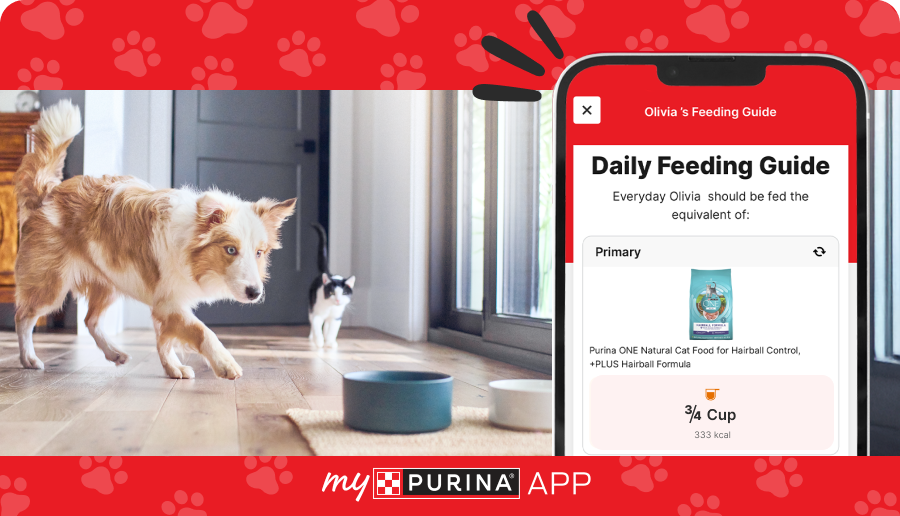
Credit: www.purina.com
Frequently Asked Questions
When Is The Right Time To Switch Dog Food?
Switch your dog to adult food around 12 months old. Large breeds may need to switch between 12-18 months. This timing supports healthy growth and nutrient needs.
How Do I Know If My Dog Needs Adult Food?
Signs include slowed growth and decreased energy needs. Consult your vet to confirm your dog’s age and nutritional requirements before switching.
Can Switching Dog Food Too Early Harm My Dog?
Yes, switching too early can cause nutrient imbalances. Puppies need higher calories and nutrients for growth that adult food lacks.
What Are The Benefits Of Adult Dog Food?
Adult dog food supports maintenance, energy balance, and healthy weight. It contains nutrients tailored for mature dogs’ metabolism and activity levels.
Conclusion
Switching your dog to adult food helps meet their changing needs. Puppies grow fast, but adults need a different diet. Watch your dog’s age and size to decide the right time. A good diet supports health, energy, and a happy life.
Talk with your vet to get the best advice. Keep your dog strong and healthy with the right food. It’s a simple step that makes a big difference. Your dog will thank you with wagging tails and bright eyes.


