

Is your new puppy nibbling on everything in sight? Those tiny teeth can be cute, but biting can quickly become a problem if not handled right.
You want your puppy to grow into a well-behaved dog, and that starts with training them to control their biting habits. In this post, you’ll discover simple, effective tips that anyone can use to stop puppy biting before it gets out of hand.
Keep reading to learn how to turn those playful bites into gentle manners—your future self will thank you!
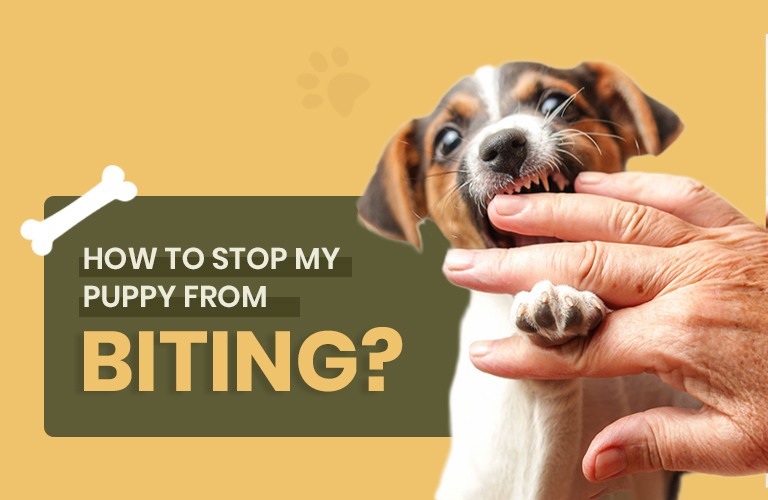
Credit: www.singaporepetcare.com.sg
Why Puppies Bite
Puppies bite for many reasons. It is a natural part of their growth and learning. Understanding why puppies bite helps in training them properly. Each puppy may have different causes for biting. Knowing these causes leads to better control and less frustration.
Teething And Mouth Exploration
Puppies explore the world with their mouths. Their teeth grow in sharp and can hurt. Chewing helps ease their teething pain. Biting soft objects feels good for them. Puppies do not mean to hurt. They just want comfort and discovery.
Play Behavior And Social Interaction
Biting is part of play for puppies. They use their mouths to talk with other dogs. It teaches them limits and manners. Puppies learn how hard to bite from friends. Play biting is normal and helps social skills. It shows they want to have fun.
Attention-seeking Bites
Puppies bite to get your attention. They learn biting makes you react fast. Sometimes they feel lonely or bored. Biting becomes a way to start play or talk. They want you to notice them quickly. Training can help stop this habit.
Setting Boundaries Early
Setting boundaries early helps your puppy learn what is okay to do. Puppies explore the world with their mouths. Biting can seem fun to them. But it is important to show them biting is not allowed.
Clear rules help your puppy feel safe. They also make training easier. Start teaching your puppy about biting as soon as you bring them home. This helps avoid bad habits later.
Consistent Responses To Biting
Always respond the same way when your puppy bites. Use a calm but firm voice. Say “No” or “Ouch” to show the bite hurts. Do this every time the puppy bites your skin or clothes.
Consistency helps your puppy connect the bite with a negative result. Avoid yelling or hitting. These can scare your puppy and make biting worse. Instead, stop playing for a moment. This shows biting ends the fun.
Using Firm But Gentle Corrections
Corrections should be firm but kind. Gently push your puppy’s mouth away when they bite. Use a soft but steady hand. This teaches them that biting is not okay without hurting them.
Give your puppy a toy to chew instead. This redirects their biting to safe items. Praise your puppy when they bite the toy. Positive feedback helps them learn faster.
Redirecting Biting Behavior
Redirecting biting behavior helps puppies learn what is okay to bite. Puppies explore the world with their mouths. Biting is natural but must be controlled. Teaching them to bite toys instead of hands protects both puppy and people. This training builds good habits early.
Offering Appropriate Chew Toys
Give your puppy safe chew toys to bite. Choose toys made for teething puppies. Soft rubber or nylon toys work well. Keep toys clean and replace broken ones. When your puppy bites you, gently offer a chew toy instead. This shows what is okay to bite. Praise your puppy when they chew the toy. This makes the toy more interesting than your hand.
Engaging In Interactive Play
Play with your puppy using toys, not hands. Use tug ropes or balls for playtime. This stops your puppy from thinking hands are toys. Interactive play helps burn energy and reduce biting. Keep play sessions short and fun. Stop play if biting gets too hard. Teach your puppy gentle play with soft bites. This builds trust and good behavior.

Credit: www.amazon.com
Teaching Bite Inhibition
Teaching bite inhibition helps puppies learn how to control their bite pressure. This skill is important for safe play and good behavior. Puppies explore the world with their mouths. They need guidance to understand when biting is too hard.
Start teaching bite inhibition early. It builds a foundation for better social skills with people and other dogs. Use clear signals and consistent responses. This helps puppies grasp the difference between gentle and hard bites.
Recognizing Soft Vs. Hard Bites
Soft bites feel gentle and do not hurt. Puppies use soft bites during play and exploration. Hard bites cause pain or discomfort. They might leave marks or cause yelping. Notice your puppy’s bite strength during interaction. React calmly to soft bites by continuing play. Stop play immediately if the bite is too hard. This teaches puppies that hard bites stop fun.
Using Time-outs Effectively
Time-outs show puppies that hard biting has consequences. When your puppy bites hard, say “ouch” in a firm voice. Then, stop playing and walk away for a short time. This pause helps the puppy connect biting hard with loss of attention. Keep time-outs brief, about 20 to 30 seconds. Return to play when the puppy calms down. Repeat this method consistently to reduce hard biting over time.
Avoiding Reinforcement Of Biting
Training a puppy to stop biting takes patience and clear actions. Avoiding reinforcement of biting helps your puppy learn what behavior is not okay. Puppies often bite to get attention or play. Reacting the right way can teach them to stop.
When a puppy bites, do not reward that behavior with laughs or extra playtime. Instead, show that biting ends fun or attention. This helps the puppy connect biting with losing what it wants.
Stopping Play Immediately
Stop play as soon as your puppy bites. This shows that biting ends the fun. Walk away or turn your back. The puppy will learn that biting means playtime stops.
Do not shout or punish. Just stop and ignore the puppy. Calmly wait a few moments. Then start playing again only if the puppy uses gentle paws and mouth.
Ignoring Attention-seeking Bites
Puppies sometimes bite to get your attention. Do not react to these bites. Avoid eye contact and do not speak. Stay calm and still until the puppy stops biting.
This teaches the puppy that biting will not get attention. Instead, reward quiet and gentle behavior with praise or petting. The puppy learns biting is not the way to get your focus.

Credit: www.preventivevet.com
Socializing Your Puppy
Socializing your puppy is a key step to stop biting behavior early. Puppies learn a lot from meeting others and seeing new places. This helps them grow calm and happy. A well-socialized puppy feels safe and trusts people. It also learns how to play nicely with other dogs. Start socializing your puppy as soon as possible. Make every new meeting a positive experience. This builds good habits and reduces biting.
Introducing To Other Puppies
Let your puppy meet other puppies in safe places. Choose puppies that are calm and friendly. Watch their play closely to stop rough behavior. Keep meetings short and fun. This teaches your puppy to share and take turns. It also helps them learn gentle biting. Puppy playdates help reduce fear and aggression. Many bites come from fear or excitement. Early play with others teaches control and respect.
Controlled Exposure To New Environments
Take your puppy to new places slowly. Start with quiet parks or calm streets. Let your puppy explore at their own pace. Carry treats to reward calm behavior. Avoid crowded or loud areas at first. New sights and sounds can be scary. Gentle exposure helps your puppy grow confident. Confident puppies bite less out of fear. Controlled walks build trust and reduce stress. This makes training easier and safer.
Using Positive Reinforcement
Positive reinforcement helps teach puppies good behavior by rewarding them. This method encourages puppies to repeat gentle actions instead of biting. It builds trust and makes training fun and effective.
Using treats, praise, or playtime rewards helps puppies understand what behavior you want. This approach reduces frustration for both you and your puppy. It creates a calm and happy learning environment.
Rewarding Gentle Behavior
Give treats immediately when your puppy stops biting. Use a calm voice to say “good” or “yes.” Offer gentle petting or a favorite toy as a reward. This shows the puppy that gentle play brings positive results.
Ignore or redirect biting behavior instead of punishing. Focus on praising soft mouth actions. This teaches puppies that biting does not get attention or rewards.
Consistency In Training Sessions
Train your puppy daily for short periods, about 5-10 minutes. Repeat the same commands and rewards during each session. Consistent training helps puppies learn faster and remember better.
All family members should follow the same training rules. Mixed signals confuse the puppy and slow down progress. Consistency builds clear communication between you and your puppy.
When To Seek Professional Help
Training a puppy to stop biting can be challenging. Sometimes, the problem goes beyond simple puppy play. Knowing when to seek professional help can save you stress and keep your puppy safe. Experts can guide you with the right techniques and tools. They understand puppy behavior deeply and can tailor advice to your needs.
Recognizing Persistent Aggressive Biting
Puppies often bite during play. This is normal and usually stops as they grow. Persistent aggressive biting is different. It is hard, forceful, and causes injury. If your puppy bites to hurt or does not stop when told, it is a warning sign. Watch for growling, lunging, or biting without clear reasons. These behaviors may need professional attention.
Choosing The Right Trainer Or Behaviorist
Not all trainers are the same. Look for someone with experience in puppy biting issues. Certified trainers or animal behaviorists are good choices. They use gentle and proven methods. Ask about their approach and past success stories. A good trainer listens and adapts to your puppy’s needs. This helps build trust and quick progress.
Frequently Asked Questions
Why Do Puppies Bite During Training?
Puppies bite to explore and communicate. Biting is natural but should be redirected to toys. Consistent training teaches gentle behavior.
How Can I Stop My Puppy From Biting?
Use firm “no” and offer chew toys. Praise calm behavior and avoid rough play. Consistency is key to reduce biting.
When Should Biting Training Start For Puppies?
Start biting training as soon as you bring your puppy home. Early training helps establish good habits and prevents future issues.
What Are Effective Tools To Prevent Puppy Biting?
Chew toys, bitter sprays, and training collars can help. Positive reinforcement with treats encourages gentle play. Avoid punishment, focus on teaching.
Conclusion
Training a puppy not to bite takes patience and kindness. Consistency helps your puppy learn good behavior faster. Use gentle corrections and give lots of praise. Remember, puppies explore the world with their mouths. Teaching them what is okay to bite keeps everyone safe.
Small steps each day bring big improvements. Enjoy the process and build a strong bond. Your puppy will grow into a well-mannered dog. Keep practicing, and you will see great results soon.


