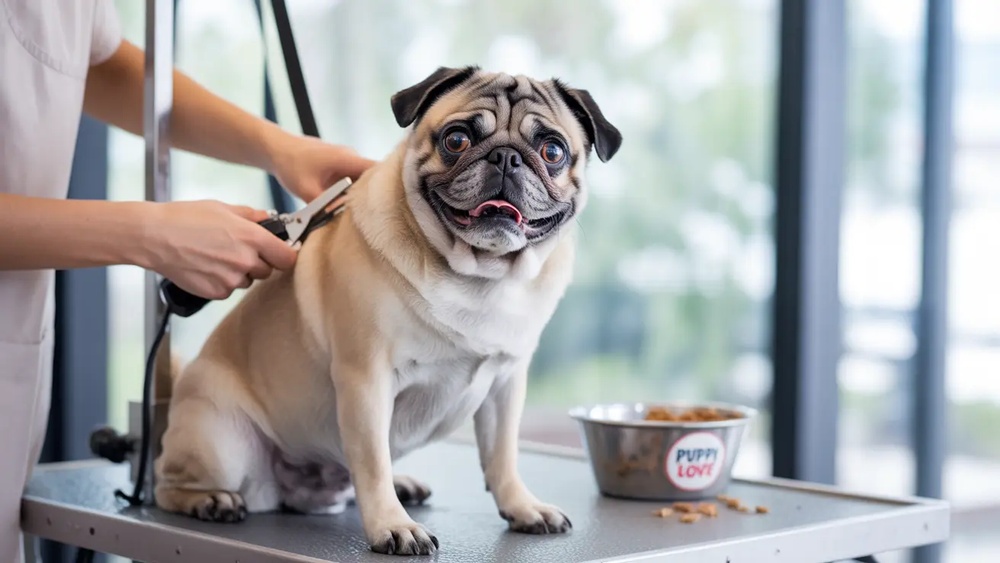
Grooming an aggressive dog can feel like a tough challenge. You want your dog to look and feel good, but their behavior might make the process stressful or even dangerous.
What if you could learn simple, effective ways to keep both you and your dog safe during grooming? This guide is made just for you. It will show you clear steps to calm your dog, build trust, and make grooming easier than ever before.
Keep reading, and discover how to turn grooming time into a positive experience for both you and your furry friend.
Recognizing Aggressive Behavior
Recognizing aggressive behavior in dogs is key to safe grooming. Aggression can be subtle or obvious. Knowing what to watch for helps prevent bites and stress. It also helps build trust between you and the dog. Watch the dog’s body language closely. Stay calm and patient throughout the process.
Common Signs Of Aggression
Aggressive dogs show many signs before they bite. They may growl or snap. Their lips might curl to show teeth. Stiff body posture is a warning. Ears pinned back and intense staring mean discomfort. Raised hackles along the back signal tension. Tail position varies, but a stiff, high tail often signals aggression.
These signs mean the dog feels threatened or scared. Recognizing these early can stop problems before they start. Never ignore growling or snapping. They are clear signals to pause and reassess the approach.
Triggers To Watch For
Certain triggers can cause aggression during grooming. Sudden movements can startle a dog. Touching sensitive areas like paws or ears may upset them. Loud noises or unfamiliar tools also stress dogs. Crowded spaces or too many people nearby increase anxiety. Some dogs react aggressively to restraint or being held tightly.
Knowing these triggers helps you prepare the grooming session. Move slowly and speak softly. Use gentle touch and avoid forcing the dog. Recognize signs early and give breaks when needed. This reduces the chance of aggressive reactions.

Credit: www.pdga.online
Preparing For Grooming Sessions
Preparing for grooming sessions with an aggressive dog takes time and care. Proper preparation reduces stress for both you and your dog. It helps make the grooming safer and more effective. Focus on setting the right mood, having the correct tools, and protecting yourself.
Creating A Calm Environment
Start by choosing a quiet, comfortable space. Keep noise and distractions to a minimum. Soft lighting helps your dog feel relaxed. Speak in a gentle, soothing voice. Use slow movements to avoid startling your dog. Calm surroundings lower your dog’s tension and aggression.
Gathering The Right Tools
Use tools that fit your dog’s size and coat type. Sharp scissors, clippers, and brushes must be ready. Keep everything within reach to avoid sudden movements. Check your tools before each session to ensure they work well. Clean tools prevent infections and irritation.
Using Protective Gear
Wear protective gear like gloves and long sleeves. These protect you from bites and scratches. A muzzle may be necessary for safety. Choose a comfortable, well-fitted muzzle for your dog. Protective gear gives you confidence and control during grooming.
Building Trust With Your Dog
Building trust with an aggressive dog is the first step in grooming safely. Trust creates a calm environment for your dog. It lowers fear and stress during grooming sessions.
Trust takes time and patience. Each small positive interaction helps your dog feel secure. This section explains techniques to build trust effectively.
Positive Reinforcement Techniques
Positive reinforcement rewards good behavior. Use treats, praise, or gentle petting after calm moments. This teaches your dog that grooming is safe and good.
Keep treats small and tasty. Give rewards immediately to connect the behavior and reward. Avoid punishment or harsh words. They increase fear and aggression.
Use a calm voice and slow movements. Let your dog explore grooming tools before using them. This reduces anxiety and builds positive feelings.
Desensitization Strategies
Desensitization means slowly exposing your dog to grooming. Start with short, gentle sessions. Gradually increase time and contact as your dog relaxes.
Begin with touching paws or ears lightly. Pause often and reward calm behavior. Stop if your dog shows stress signs.
Repeat sessions regularly. Consistency helps your dog accept grooming. Patience here prevents aggressive reactions during grooming.

Credit: www.youtube.com
Safe Grooming Techniques
Grooming an aggressive dog requires patience and care. Safe techniques reduce stress for both you and your pet. Proper handling and a clear process keep grooming calm and controlled. This helps prevent bites and accidents during grooming sessions.
Handling And Restraint Methods
Use gentle but firm restraint to keep your dog steady. Avoid harsh holds that cause fear or pain. Soft muzzles can protect you without hurting the dog. Harnesses and grooming loops help limit sudden moves safely. Always watch your dog’s body language for signs of stress. Stop if your dog becomes too anxious or aggressive.
Step-by-step Grooming Process
Start by brushing your dog slowly to remove loose hair. Use calm, steady strokes to avoid startling your pet. Trim nails carefully, one at a time, with a quiet hand. Clean ears gently with a soft cloth or cotton ball. Bathe your dog using lukewarm water and mild shampoo. Dry your dog by patting softly with a towel. Praise your dog often to build trust during grooming.
When To Seek Professional Help
Knowing when to seek professional help is key for grooming an aggressive dog safely. Some dogs show behaviors that can be hard to manage alone. Professionals have the skills and tools to handle these situations calmly. They can protect you and the dog from harm during grooming sessions.
Choosing to get expert help is not a sign of failure. It is a smart step towards better care. It keeps your dog calm and reduces stress for everyone involved. Understanding the right time to ask for help improves the grooming experience.
Signs You Need A Grooming Expert
Watch for signs like growling, biting, or snapping during grooming. Sudden aggression or panic is a red flag. If your dog resists touch or struggles fiercely, help is needed. Unpredictable behavior can lead to injuries. Professionals use special techniques to calm aggressive dogs. They also have safe equipment for difficult grooming tasks.
Working With Trainers And Vets
Trainers and vets offer valuable support for grooming aggressive dogs. Trainers teach dogs to stay calm and accept grooming. Vets check for pain or health issues causing aggression. Together, they create a plan tailored to your dog’s needs. This team approach improves safety and comfort. It helps your dog get used to grooming over time.

Credit: www.youtube.com
Frequently Asked Questions
How Can I Safely Groom An Aggressive Dog?
Use calm, slow movements and wear protective gloves. Approach your dog gently and reward calm behavior. Use specialized grooming tools designed for aggressive dogs to minimize stress and prevent injury.
What Tools Work Best For Aggressive Dog Grooming?
Choose tools with safety features like rounded edges and non-slip handles. Use quiet clippers to reduce noise stress. Avoid sharp or heavy tools that may provoke aggression.
How Do I Calm An Aggressive Dog Before Grooming?
Create a calm environment with minimal noise and distractions. Use treats and positive reinforcement to build trust. Practice short grooming sessions to gradually increase tolerance and reduce anxiety.
When Should I Seek Professional Help For Grooming?
If your dog shows severe aggression or fear, consult a professional groomer or trainer. Professionals have experience handling aggressive dogs safely and can teach you proper techniques.
Conclusion
Grooming an aggressive dog takes patience and care. Stay calm and move slowly to keep your dog relaxed. Use gentle tools and take breaks often. Always watch your dog’s body language closely. Trust builds over time with kindness and respect.
Small steps lead to better grooming experiences. Safety comes first for both you and your pet. Keep practicing and stay consistent every time. You can create a calm grooming routine your dog will accept.