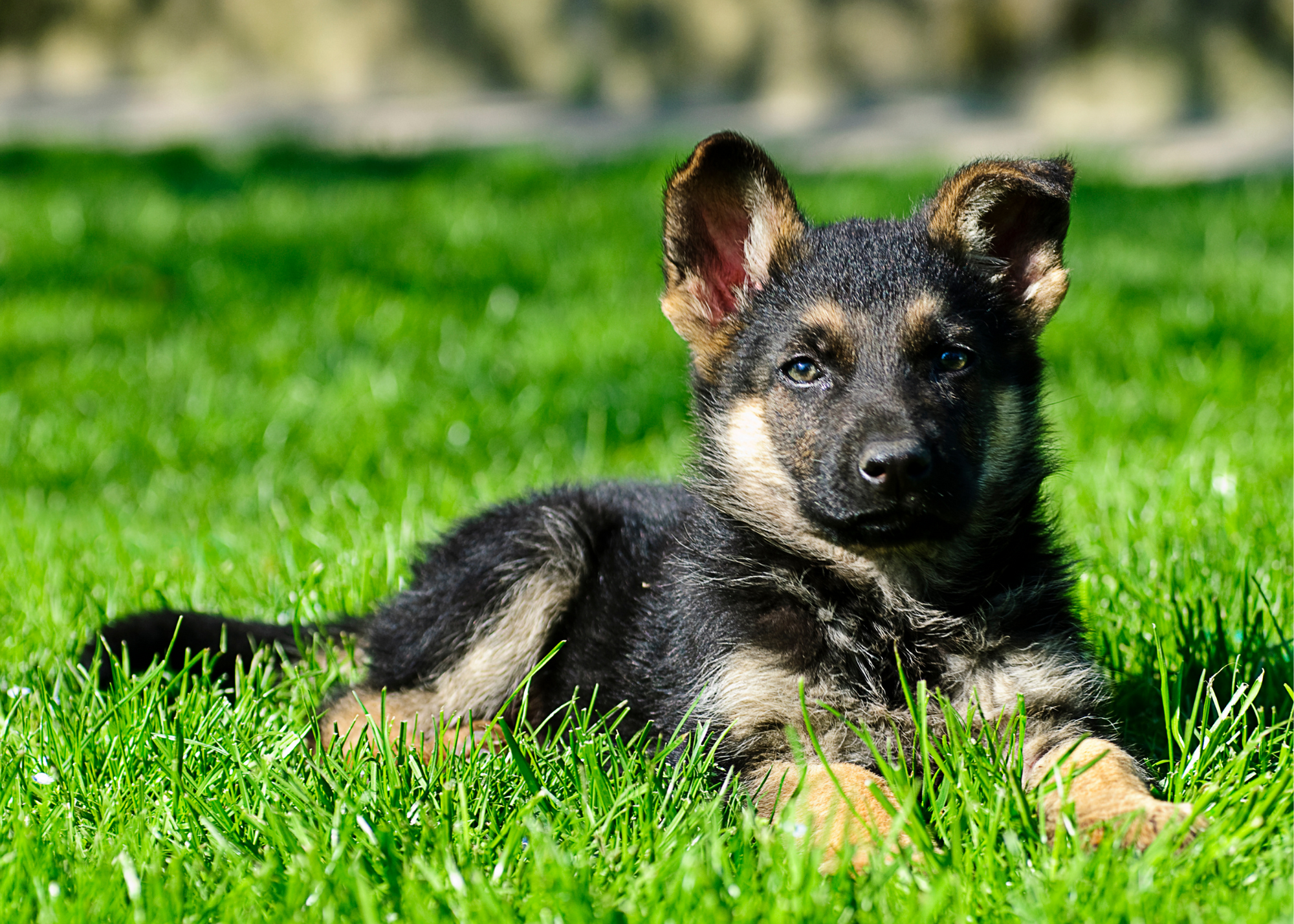
Are you thinking about bringing a German Shepherd puppy into your life? Choosing the right puppy can feel overwhelming, but it doesn’t have to be.
Your new furry friend will become part of your family, so making the best choice matters. You’ll find simple, practical tips that help you pick a healthy, happy German Shepherd puppy. Keep reading to discover how you can make this exciting decision with confidence and avoid common mistakes that many first-time buyers make.
Your perfect companion is waiting!
Choosing The Right Breeder
Choosing the right breeder is the first step to finding a healthy German Shepherd puppy. A good breeder cares deeply about the dogs’ health and well-being. They provide a safe environment and proper care for the puppies and their parents. This helps ensure your new puppy will grow up strong and happy. Spend time learning about breeders to make the best choice.
Researching Reputable Breeders
Start by searching for breeders with strong reputations. Check online reviews and dog forums. Talk to local German Shepherd clubs or veterinarians for recommendations. A reputable breeder often belongs to breed organizations. Their website or social media should show their breeding practices and dog health records. Avoid breeders who cannot provide clear information or seem secretive.
Questions To Ask Before Buying
Ask about the puppy’s parents’ health and temperament. Inquire if the breeder performs health tests on the breeding dogs. Find out how they care for the puppies and socialize them. Ask about the puppy’s vaccination and deworming schedule. Learn about the contract, return policy, and any support after purchase. Good breeders will answer all questions openly and honestly.
Signs Of A Responsible Breeder
A responsible breeder visits the puppies often and allows you to meet them. They keep puppies in clean, safe, and loving surroundings. The breeder should provide health certificates and detailed records. They focus on breeding dogs with good temperaments and few health problems. Responsible breeders care about placing puppies in the right homes. They offer guidance and stay in touch after the sale.
Credit: wustenbergerland.com
Evaluating Puppy Health
Choosing a healthy German Shepherd puppy is very important. A strong, healthy puppy grows into a happy adult dog. Checking the puppy’s health helps avoid future problems. You must know what signs to watch for and what questions to ask the breeder. This section explains how to evaluate the health of a German Shepherd puppy before you buy.
Common Health Checks
Look for clear eyes without discharge or redness. The puppy’s nose should be moist but not runny. Check the ears for cleanliness and no bad smell. The coat must be shiny and clean, without bald spots. Watch the puppy walk to see if legs move smoothly. Check the gums for a healthy pink color. The puppy should be active and alert, not weak or tired.
Vaccination And Medical Records
Ask the breeder for vaccination records. These show which shots the puppy has had. Vaccines protect against serious diseases. Make sure the puppy has had its first shots. Also, check for deworming treatments. The breeder should provide all medical records. These papers prove the puppy’s health history. Keep these records for your vet visits.
Identifying Genetic Issues
German Shepherds can have genetic health problems. Common issues include hip dysplasia and elbow dysplasia. Ask the breeder if the parents were tested for these. Also, check for signs like limping or difficulty standing. The breeder should share any family health problems. Avoid puppies from dogs with known genetic diseases. Early detection helps manage or prevent problems.
Assessing Puppy Temperament
Choosing a German Shepherd puppy means understanding its temperament. Temperament shows how a puppy acts and reacts. It helps predict behavior as the dog grows. Assessing temperament early makes it easier to raise a happy, balanced dog.
Temperament affects training success and how well the puppy fits your family. Spend time watching the puppy’s actions. Notice how it responds to people and new things. This gives clues about its personality and needs.
Observing Social Behavior
Watch the puppy with littermates and humans. Friendly puppies greet others with wagging tails. Shy puppies hide or stay quiet. Aggressive puppies may growl or snap. Look for puppies that show calm and curious behavior.
Notice how the puppy reacts to sudden sounds or movements. A balanced puppy stays calm or explores carefully. Avoid puppies that seem overly fearful or very aggressive.
Matching Temperament To Lifestyle
Think about your daily routine and family. Active families suit energetic puppies. Calm homes fit puppies with gentle temperaments. Choose a puppy that matches your energy level and home setting.
Consider children or other pets at home. Some puppies handle noise and activity well. Others prefer quiet environments. Matching temperament reduces stress for both you and the puppy.
Early Socialization Tips
Start socializing your puppy soon after bringing it home. Introduce it to different people, places, and sounds. Keep experiences positive and gentle. This helps the puppy grow confident and friendly.
Use treats and praise during new experiences. Avoid forcing the puppy into scary situations. Early socialization builds trust and reduces future behavior problems.
Credit: www.thepuppyacademy.com
Preparing For Puppy Arrival
Preparing for your German Shepherd puppy’s arrival sets the stage for a smooth start. This time helps you create a welcoming and safe environment. It also eases the puppy’s transition into your home. Careful planning makes training and bonding easier. Here are key steps to focus on.
Essential Supplies Checklist
Get all necessary items before the puppy comes home. Food and water bowls made of stainless steel work best. Buy high-quality puppy food suited for German Shepherds. A comfortable bed offers a cozy resting spot. Chew toys keep the puppy busy and help with teething. A collar and leash are important for walks. Don’t forget grooming tools like brushes and nail clippers.
Setting Up A Safe Space
Choose a quiet corner in your house for the puppy. Use a crate or playpen to create a safe zone. This space helps the puppy feel secure. Remove any harmful objects or wires nearby. Keep the area clean and free from small items. Add a blanket or bed inside for comfort. Make sure the space is easy to reach for feeding and cleaning.
Planning Training And Routine
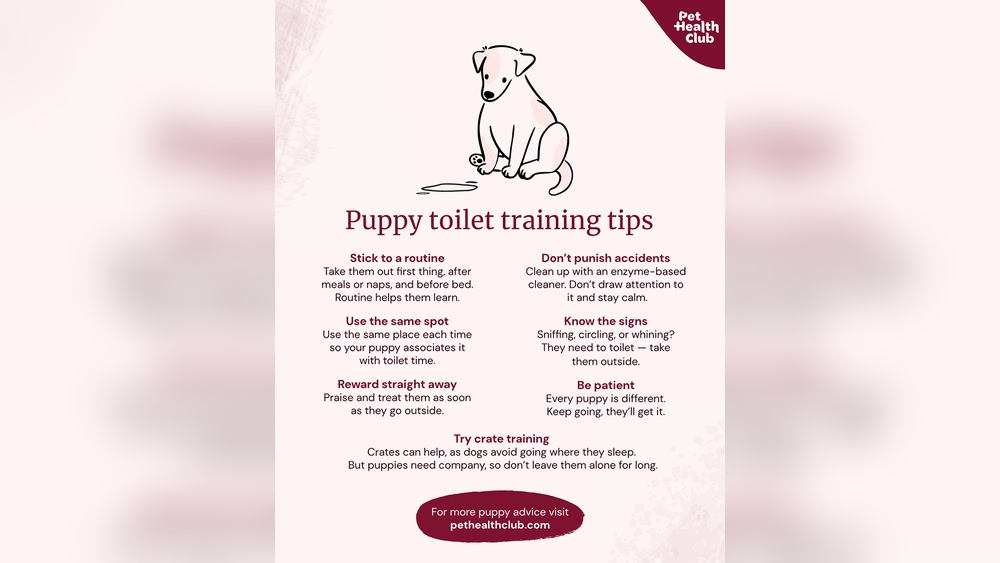
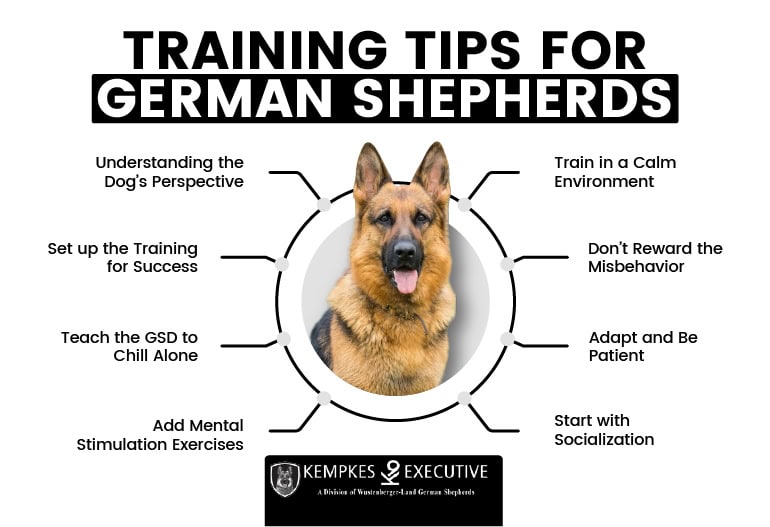
Decide on a daily schedule for feeding and potty breaks. Consistency helps the puppy learn faster. Plan short training sessions to teach basic commands. Use positive reinforcement like treats and praise. Set rules early, such as where the puppy can go in the house. Regular exercise keeps your puppy healthy and happy. A clear routine reduces stress for both of you.
Common Mistakes To Avoid
Buying a German Shepherd puppy is exciting. Many new owners make mistakes that cause problems later. Avoiding these errors helps you find a healthy, happy puppy. It also saves time and money. Here are some common mistakes to avoid when choosing your new dog.
Rushing The Decision
Choosing a puppy fast can lead to poor choices. Take your time to research breeders and ask questions. Visit the puppy several times before buying. Watch how the puppy behaves and interacts. This helps you pick a dog that fits your family.
Ignoring Health Red Flags
Always check the puppy’s health history. Look for signs like coughing, runny eyes, or skin issues. Ask for vet records and vaccination details. Avoid puppies with unclear health backgrounds. Healthy puppies grow into strong adult dogs.
Overlooking Long-term Commitment
German Shepherds need time, training, and care for many years. Think about your daily schedule and lifestyle before buying. They need exercise, socialization, and mental stimulation. Be ready for the responsibility and costs of owning a dog.

Credit: www.goldenridgefarmsgermanshepherds.com
Frequently Asked Questions
How To Choose A Healthy German Shepherd Puppy?
Look for clear eyes, clean ears, and a shiny coat. Check for playful behavior and ask for veterinary records. Healthy puppies are active and responsive, showing no signs of illness or lethargy.
When Is The Best Age To Buy A German Shepherd Puppy?
The ideal age is 8 to 12 weeks. Puppies are weaned and socialized by then. This helps ensure proper development and easier training.
What Questions Should I Ask The German Shepherd Breeder?
Ask about health screenings, vaccination history, and lineage. Inquire about the puppy’s socialization and temperament. Responsible breeders provide transparent, detailed answers and documentation.
How Much Does A German Shepherd Puppy Typically Cost?
Prices range from $500 to $2,500 depending on pedigree and breeder reputation. Higher prices often reflect better health guarantees and lineage.
Conclusion
Choosing the right German Shepherd puppy takes time and care. Trustworthy breeders and healthy puppies matter most. Watch for good behavior and clear health records. A happy puppy grows into a strong, loyal dog. Prepare your home and heart for new joy.
Small steps lead to a great lifelong friendship. Enjoy every moment with your new furry friend. Your careful choice brings years of love and fun.