

If you own an Australian Cattle Dog, you might have noticed some puzzling behavior that leaves you wondering what’s going on. These smart and energetic dogs are amazing companions, but their unique traits can sometimes lead to behavior problems that challenge even the most patient owners.
Understanding why your dog acts the way it does is the first step to fixing these issues. You’ll discover common Australian Cattle Dog behavior problems and practical tips to help you build a happier, healthier bond with your furry friend.
Keep reading—your dog’s best self is closer than you think.
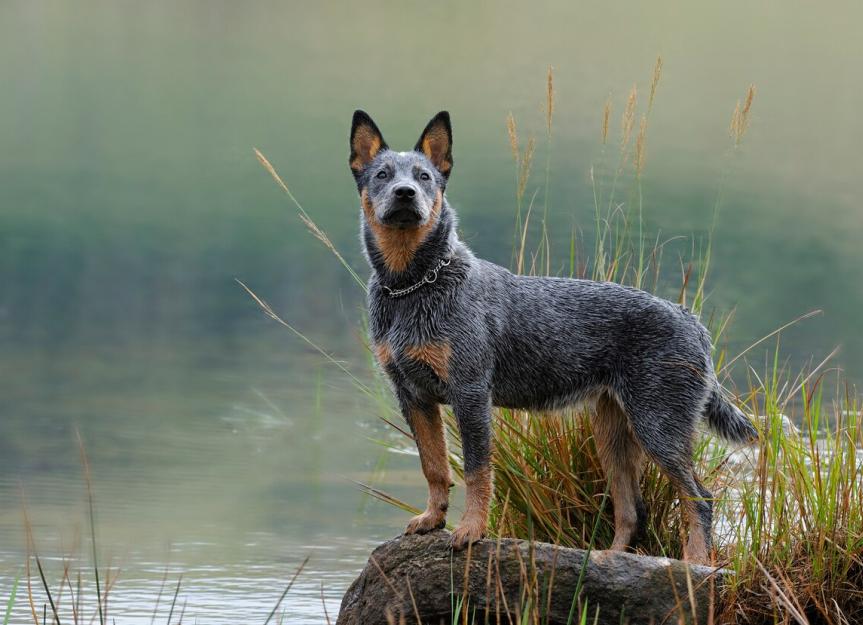
Credit: www.petmd.com
Common Behavior Issues
Australian Cattle Dogs are smart and energetic. They need a lot of mental and physical exercise. Without enough activity, they may show some common behavior problems. These issues can affect your home life and your dog’s happiness.
Understanding these behavior problems helps you manage them better. It also helps keep your dog calm and well-behaved.
Excessive Barking
This breed tends to bark a lot, especially if bored or anxious. Barking can be a way to get attention or warn about strangers. Training and regular exercise can reduce this problem.
Aggression Toward Other Pets
Australian Cattle Dogs may show aggression to other pets. This behavior comes from their strong herding instinct. Early socialization and controlled introductions can help manage aggression.
Destructive Chewing
Chewing is common if the dog feels stressed or bored. It can damage furniture and belongings. Provide plenty of chew toys and keep your dog busy to stop this habit.
Separation Anxiety
These dogs can get upset when left alone. They may bark, chew, or dig to cope with loneliness. Gradual training and creating a safe space help ease separation anxiety.
Herding Instinct Challenges
The strong herding drive can cause problems like nipping or chasing. This behavior is natural but can be risky. Teach clear commands and offer alternative activities to control these instincts.
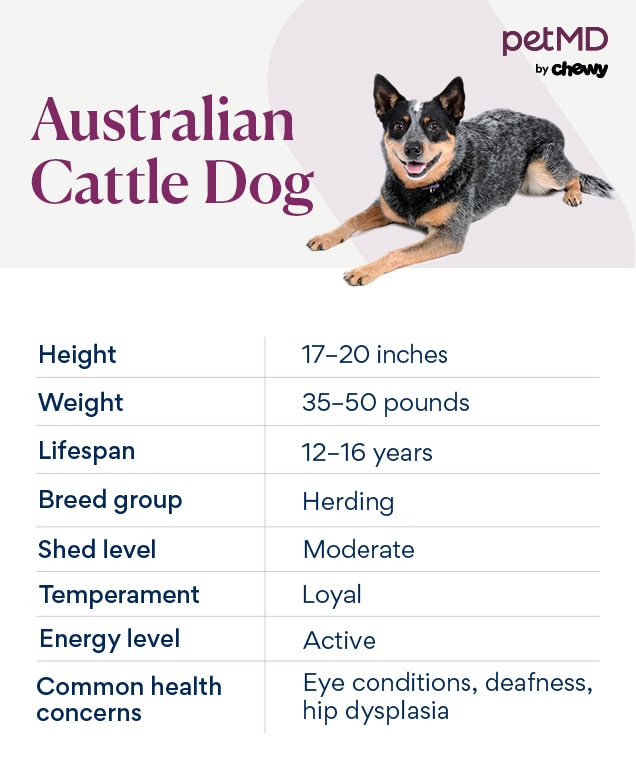
Credit: www.petmd.com
Causes Behind Behavior Problems
Australian Cattle Dogs are smart and energetic. Their behavior problems often come from specific causes. Understanding these causes helps manage and prevent issues. Many problems start because the dog’s needs are not met. Below are key reasons behind common behavior problems in this breed.
Lack Of Mental Stimulation
These dogs need constant mental challenges. Without puzzles, training, or new tasks, they get bored. Boredom often leads to unwanted behaviors like chewing or barking. Mental stimulation keeps their mind sharp and focused.
Insufficient Physical Exercise
Australian Cattle Dogs are very active. They require plenty of daily exercise. Without enough running or playing, they build up energy in a bad way. This energy can turn into destructive actions or hyperactivity.
Inconsistent Training
Clear and consistent rules are crucial. Mixed signals confuse the dog. They may ignore commands or test boundaries. Training must be steady and patient for good behavior.
Fear And Stress Factors
Fear triggers many behavior problems. Loud noises, strange places, or new people can stress them. Stress leads to aggression, hiding, or excessive barking. A calm environment helps reduce fear and stress.
Effective Training Techniques
Training an Australian Cattle Dog requires patience and clear methods. These dogs are smart and active. They learn best with techniques that fit their nature. Consistency and kindness help shape good behavior. Training must focus on building trust and respect. Use methods that encourage good habits and reduce problems.
Positive Reinforcement
Reward good behavior with treats or praise. This helps the dog know what you want. Avoid punishment. It can cause fear and confusion. Positive reinforcement makes training fun and effective. Dogs repeat actions that earn rewards. Use small treats and kind words often. This builds a strong bond and good habits.
Consistent Commands
Use the same words for commands every time. This avoids confusion for your dog. Keep commands short and clear. Teach one command at a time. Practice daily to help your dog learn fast. Consistency helps the dog understand what you expect. It reduces frustration for both you and your dog.
Socialization Strategies
Expose your dog to different people and animals early. This helps them feel comfortable in new situations. Take short trips to parks or pet-friendly places. Let your dog meet calm, friendly dogs. Socialization reduces fear and aggression. It helps your dog become well-behaved and confident. Start socializing slowly and increase time outside gradually.
Crate Training Benefits
Use a crate as a safe space for your dog. It helps with house training and reduces anxiety. The crate should be comfortable and quiet. Never use it for punishment. Dogs learn to relax in their crate. It keeps them safe when you are not home. Crate training supports better behavior and routine.

Credit: www.youtube.com
Exercise And Mental Enrichment
Australian Cattle Dogs need both exercise and mental challenges. These dogs are smart and full of energy. Without enough activity, they may develop behavior problems. Keeping their body and mind busy helps them stay happy and calm.
Exercise and mental enrichment help reduce stress and stop bad habits. These activities make your dog more obedient and loyal. Here are some ways to keep your Australian Cattle Dog active and sharp.
Daily Physical Activities
Daily walks and runs are essential for this breed. These dogs enjoy long walks and active playtime. Playing fetch or running in a secure yard also works well. Regular physical activity keeps their muscles strong and energy balanced.
Puzzle Toys And Games
Puzzle toys challenge your dog’s mind. These toys hide treats that your dog must find. This keeps them busy and reduces boredom. Simple games like hide and seek with toys also stimulate their brain. Mental exercise helps prevent destructive behavior.
Agility And Obedience Training
Agility training is perfect for Australian Cattle Dogs. It uses their speed and intelligence in a fun way. Obedience training teaches commands and improves focus. Both activities build a strong bond between you and your dog. Training also encourages good behavior and discipline.
Managing Herding Behavior
Australian Cattle Dogs have strong herding instincts. These instincts can cause behavior problems if not managed well. Managing herding behavior helps keep your dog happy and safe. It also protects family members and other pets from accidental nips or chasing.
Redirecting Instincts
Redirecting your dog’s herding instincts is key. Give your dog tasks that mimic herding work. Use toys like balls or frisbees to chase and catch. Teach your dog to herd moving objects, not people or animals. This helps use their energy in a positive way.
Safe Outlets For Herding
Provide safe outlets for your dog’s herding needs. Create a fenced yard where your dog can run freely. Use interactive toys that encourage chasing and problem-solving. Herding classes or dog sports can also be great. These activities satisfy natural urges without causing trouble.
Training Boundaries
Set clear training boundaries around herding behavior. Teach your dog commands like “leave it” and “stay.” Stop unwanted herding early with firm but gentle corrections. Consistent training helps your dog understand limits. This prevents herding from becoming a problem indoors or outside.
When To Seek Professional Help
Australian Cattle Dogs are strong-willed and smart. Sometimes, their behavior can become hard to manage. Knowing when to seek professional help is key to keeping your dog happy and safe. Early action prevents problems from growing worse. Watch your dog closely for signs that need expert care.
Signs Of Severe Behavior
Severe behavior includes biting, constant barking, or destruction. Aggression toward people or other pets is serious. Fearful hiding or sudden mood swings also matter. If your dog shows these signs often, get help fast. These behaviors can harm your dog or others.
Choosing A Trainer Or Behaviorist
Pick someone who knows Australian Cattle Dogs well. Check their experience and training methods. Positive, reward-based training works best. Avoid trainers who use harsh punishment. A good trainer listens to your concerns. They create a clear plan for your dog’s needs.
Therapeutic Approaches
Professionals may use therapy to change behavior. Techniques include behavior modification and desensitization. Sometimes, medication helps with anxiety or aggression. Therapy should fit your dog’s specific issues. Working closely with the expert improves results. Patience and consistency are important for success.
Frequently Asked Questions
What Are Common Behavior Problems In Australian Cattle Dogs?
Australian Cattle Dogs often show herding instincts, which can lead to nipping or chasing. They may also develop separation anxiety or excessive barking if not properly trained or exercised. Early socialization and consistent training help prevent these issues.
Why Do Australian Cattle Dogs Become Aggressive Sometimes?
Aggression in Australian Cattle Dogs usually stems from fear, lack of socialization, or frustration. They are protective by nature and may guard territory or family. Proper training and socialization from a young age reduce aggressive tendencies effectively.
How Can I Stop My Australian Cattle Dog From Excessive Barking?
Excessive barking often results from boredom, anxiety, or alertness. Providing enough physical exercise and mental stimulation helps reduce this behavior. Consistent training with positive reinforcement encourages quiet behavior on command.
Are Australian Cattle Dogs Prone To Separation Anxiety?
Yes, Australian Cattle Dogs can develop separation anxiety due to their strong bond with owners. Signs include destructive behavior and excessive barking when alone. Gradual alone-time training and interactive toys can ease this problem.
Conclusion
Australian Cattle Dogs need clear rules and daily activity. Without guidance, they may show unwanted behavior. Training helps them stay calm and focused. Owners must be patient and consistent. Understanding their needs reduces problems. These dogs thrive with work and play.
Good care brings a happy, well-behaved pet. Keep learning about your dog’s behavior. Small steps lead to big improvements. Caring for them is rewarding and fun.

