

Crate training your dog can feel overwhelming at first, but it doesn’t have to be. Imagine having a safe space where your dog feels calm and secure, making your life easier and your pet happier.
You might wonder how to start, what mistakes to avoid, or how long it will take. This guide will walk you through simple, proven steps to crate train your dog effectively. Keep reading, and you’ll discover how to turn the crate into your dog’s favorite spot—and your best tool for training.
Benefits Of Crate Training
Crate training offers many benefits for both dogs and owners. It creates a safe space for the dog. This space becomes a cozy retreat where the dog feels secure. Crate training also helps with housebreaking. Dogs learn to hold their bladder and avoid accidents inside the home.
Beyond safety and cleanliness, crate training encourages good behavior. Dogs inside a crate tend to be calmer and less anxious. It limits destructive chewing and other unwanted behaviors. The crate becomes a positive place, not a punishment.
Improves House Training
Dogs naturally avoid soiling their sleeping area. Crates teach dogs to control their bladder and bowels. This speeds up the house training process. It reduces accidents on floors and carpets. Owners spend less time cleaning up messes.
Provides Security And Comfort
Dogs see their crate as a personal den. This helps them feel safe during storms or loud noises. It reduces stress and fear in unfamiliar places. The crate becomes a refuge from chaos or strangers. Dogs gain confidence and calmness inside it.
Prevents Destructive Behavior
Crates limit access to household items. This prevents chewing on furniture or shoes. Dogs stay safe from swallowing harmful objects. Owners avoid costly repairs and safety hazards. Controlled confinement helps dogs learn appropriate behavior.
Facilitates Travel And Vet Visits
Dogs used to crates travel more easily. They feel less anxious in cars or planes. Vet visits become less stressful and safer. Crates provide a familiar place in new environments. This reduces fear and helps dogs adjust quickly.
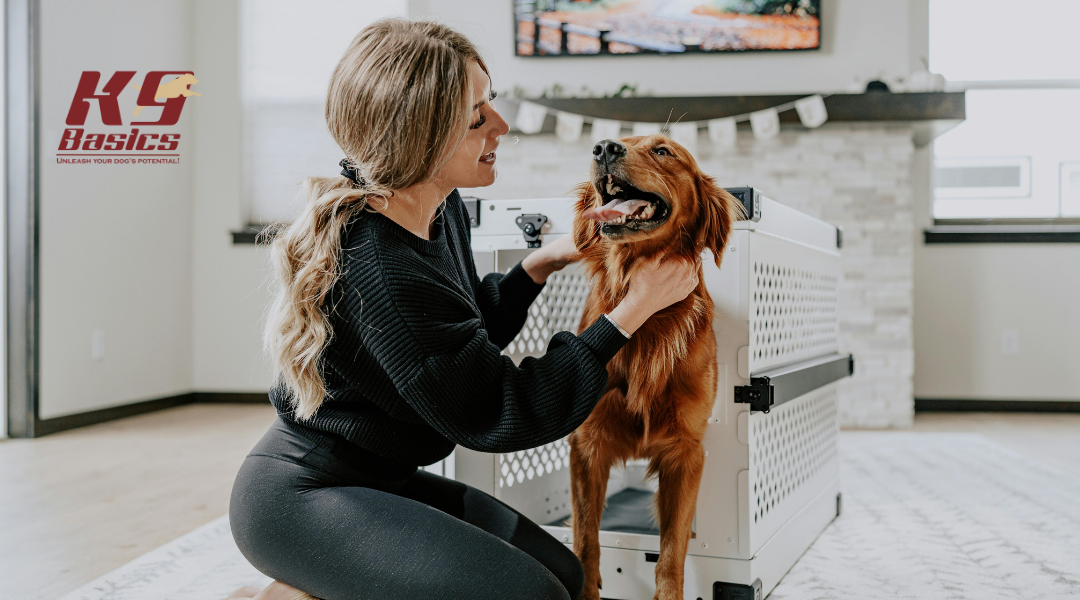
Credit: k9basics.com
Choosing The Right Crate
Choosing the right crate sets the foundation for effective crate training. A good crate creates a safe space for your dog. It should feel comfortable and secure. Picking the wrong crate can cause stress and make training harder. Understanding the types and size helps you make the best choice for your dog’s needs.
Types Of Crates
Wire crates are popular for their ventilation and visibility. They allow dogs to see outside, reducing anxiety. Plastic crates offer more privacy and a cozy environment. They are great for travel and hideaway spots. Soft-sided crates are lightweight and easy to carry. These work well for calm dogs and short periods. Each type suits different dogs and situations.
Proper Crate Size
The crate must fit your dog comfortably. Your dog should stand, turn, and lie down easily. Too small a crate feels cramped and stressful. Too large a crate may encourage bathroom accidents. Measure your dog’s height and length before buying. Leave extra space for a bed or blanket inside. Proper size helps your dog feel safe and relaxed.
Preparing The Crate
Preparing the crate is the first step in crate training a dog. It sets the tone for your pet’s comfort and safety. A well-prepared crate helps your dog feel secure and relaxed. It becomes a place your dog wants to go, not a place to fear. Focus on making the crate inviting and positive.
Making It Comfortable
Start by choosing the right size crate. Your dog should stand, turn, and lie down easily inside. Add soft bedding or a blanket for comfort. Avoid anything too fluffy that might cause overheating. Place a few safe toys inside for entertainment. Keep the crate clean and dry to maintain a healthy space.
Creating A Positive Space
Make the crate a happy place for your dog. Feed meals near or inside the crate to build good feelings. Use treats and praise when your dog enters the crate. Never use the crate for punishment. Keep the crate in a busy area so your dog feels included. Gradually increase the time your dog spends inside the crate.
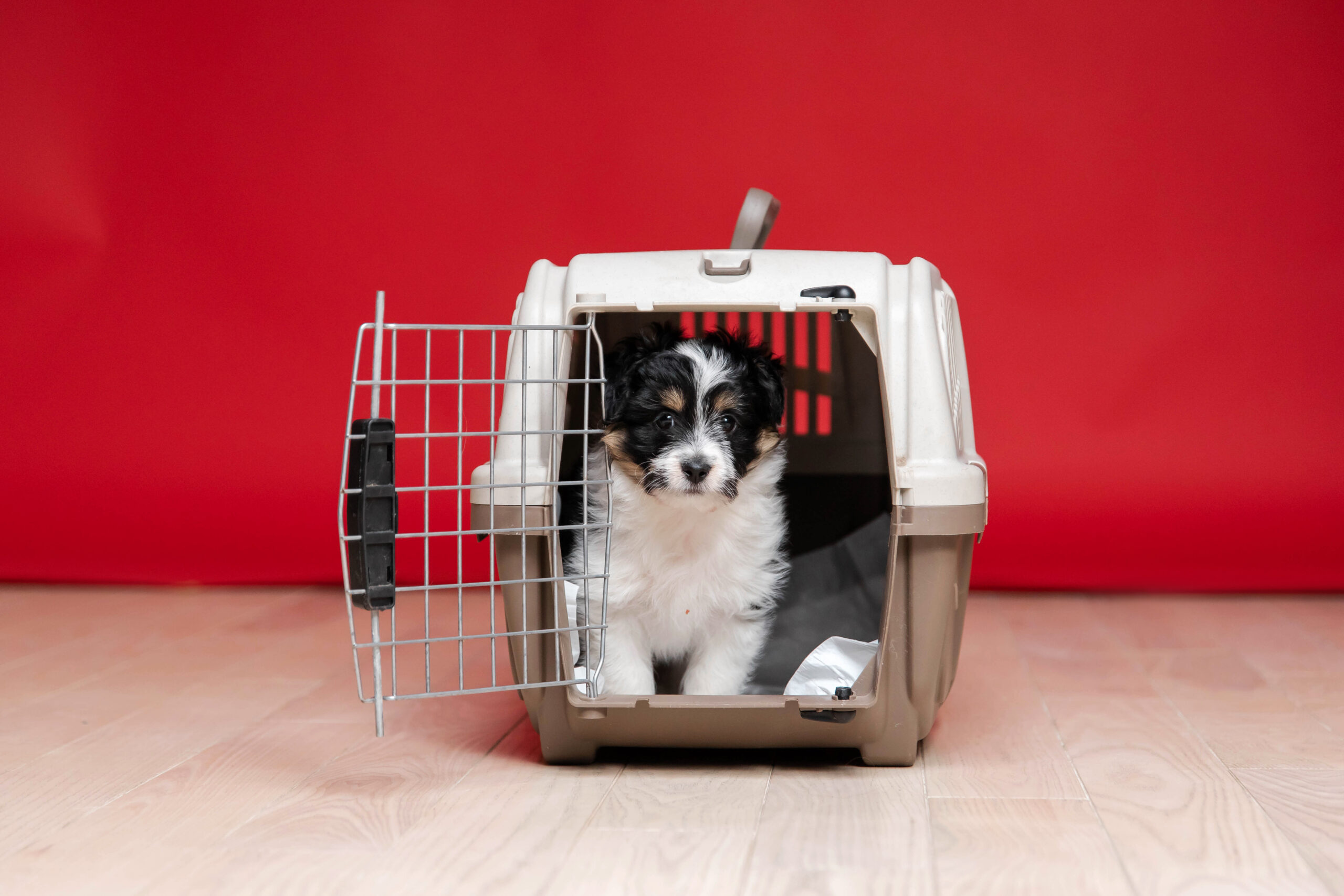
Credit: pet-u.net
Introducing Your Dog To The Crate
Introducing your dog to the crate is the first step in crate training. It helps your dog see the crate as a safe place, not a punishment. Start slowly to build positive feelings about the crate. Be patient and calm during this process.
Initial Exposure
Place the crate in a quiet room where your dog likes to rest. Keep the door open to let your dog explore freely. Let your dog sniff and walk in and out at their own pace. Do not force your dog inside. Sit nearby and speak softly to create a relaxed mood.
Using Treats And Toys
Put tasty treats inside the crate to attract your dog. Use favorite toys to make the space fun and inviting. Praise your dog when they enter the crate by themselves. This creates a happy connection with the crate. Repeat this often to build comfort and trust.
Establishing A Crate Routine
Establishing a crate routine is key to successful crate training. Dogs feel safe and calm when they know what to expect. A clear routine helps your dog adjust quickly and enjoy their crate time. Start by making the crate a positive place and set specific times for crate sessions. Consistency builds trust and comfort.
Short Sessions
Begin with short crate sessions of five to ten minutes. Keep the sessions calm and quiet. Let your dog explore the crate without pressure. Praise your dog for calm behavior inside. Use treats and toys to create a happy association. Short sessions prevent stress and build positive feelings.
Gradual Time Increase
Slowly increase crate time by a few minutes each day. Watch your dog’s behavior for signs of stress or discomfort. If your dog stays calm, add more time. If your dog whines or scratches, reduce the session length. Gradual increase helps your dog accept longer periods alone. Patience is important for a smooth routine.
Handling Common Challenges
Crate training a dog can bring many benefits. It offers safety and comfort for your pet. Yet, challenges often appear during the process. Handling these problems calmly helps your dog learn faster. Patience and consistency are key to success. Below are common issues you might face and how to address them effectively.
Dealing With Barking
Barking is a common problem during crate training. Dogs may bark out of boredom or to seek attention. To reduce barking, avoid giving attention while your dog barks. Wait for silence before offering praise or treats.
Provide toys or chew items inside the crate to keep your dog busy. Also, ensure your dog gets enough exercise and bathroom breaks. A tired dog barks less and feels more relaxed in the crate.
Managing Anxiety
Some dogs feel nervous or scared in their crate. Signs include whining, scratching, or trying to escape. Start with short crate sessions and stay nearby. Speak softly to reassure your dog.
Make the crate cozy with a blanket or your dog’s favorite bed. Avoid forcing your dog inside. Let them enter on their own to build trust. Gradually increase crate time as your dog feels safer.
Crate Training For Puppies Vs. Adult Dogs
Crate training helps dogs feel safe and learn good habits. Puppies and adult dogs need different approaches. Knowing these differences makes training easier.
Puppies are still growing and learning about the world. They need short crate sessions and lots of patience. Adult dogs may have habits already set. They might need more time to adjust to the crate.
Starting Crate Training With Puppies
Puppies see the crate as a new place. Make it warm and cozy inside. Use toys and soft blankets to invite them in. Start with a few minutes and slowly increase time.
Keep sessions fun. Praise and treat puppies when they go inside. Avoid forcing them. Let them explore and get used to the crate at their own pace.
Crate Training For Adult Dogs
Adult dogs may feel nervous about the crate. They might have had bad experiences. Use calm, gentle encouragement to build trust. Place familiar items inside the crate.
Give adult dogs more time to explore the crate. Start with short stays and add longer periods. Watch for signs of stress and ease off if needed. Patience is key for success.
Common Tips For Both Puppies And Adults
Never use the crate as punishment. The crate should be a safe space. Keep the crate clean and comfortable. Consistency helps dogs understand crate rules.
Feed meals in the crate to create positive feelings. Stick to a routine for crate time. Always praise dogs when they enter willingly.
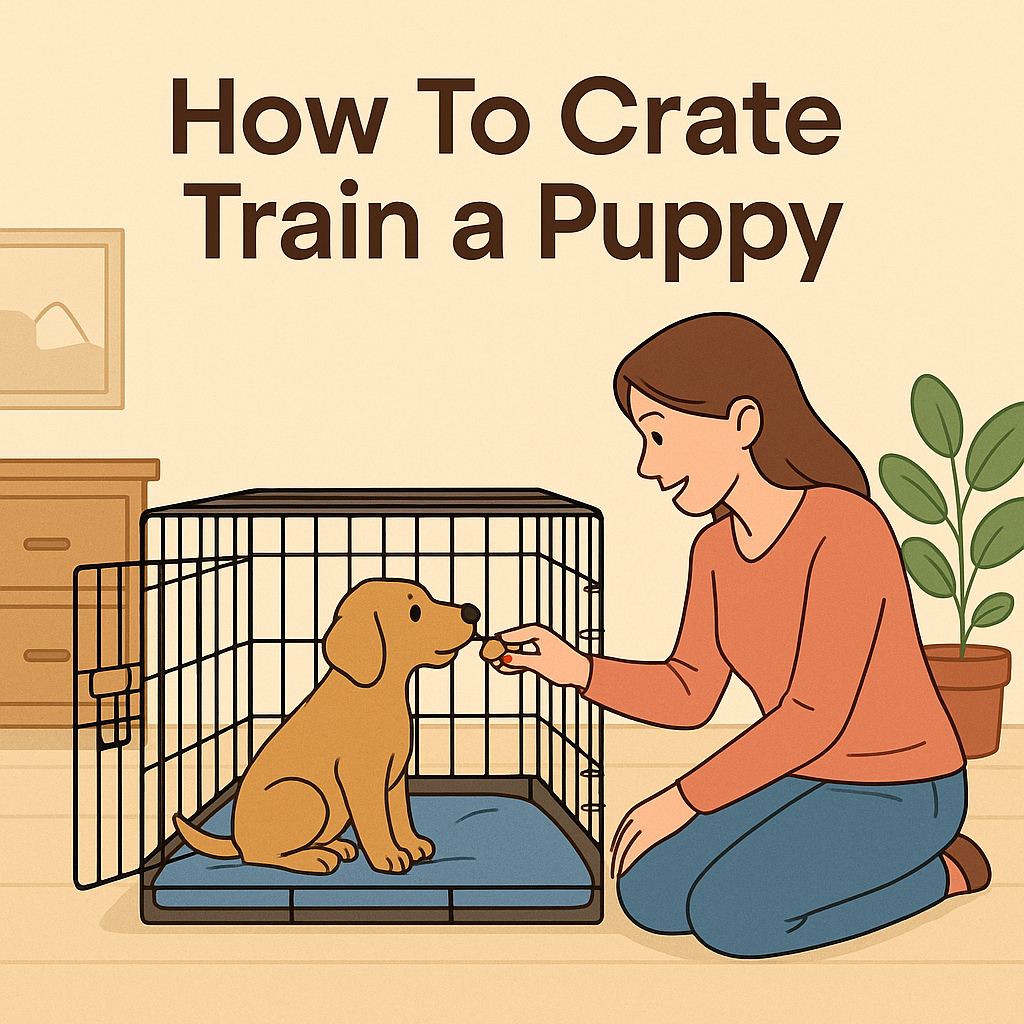
Credit: funnyfuzzy.com
Tips For Long-term Success
Crate training a dog can be very helpful, but success comes with time and care. Long-term success means your dog feels safe and happy in the crate. It also means you keep training steady and clear. Follow these simple tips to make crate training work well for both you and your dog.
Consistency
Always use the crate in the same way. Set a daily schedule for crate time. Use the crate for rest, not punishment. Keep crate sessions short at first. Increase time slowly as your dog gets used to it. Stick to the same commands and routines. This helps your dog understand and trust the crate.
Positive Reinforcement
Reward your dog with treats and praise inside the crate. Give a treat when your dog enters the crate calmly. Use soft words and gentle petting to encourage your dog. Avoid forcing your dog into the crate. Make the crate a happy and safe place. Positive experiences help your dog want to stay in the crate.
Frequently Asked Questions
How Long Does Crate Training Take For Dogs?
Crate training usually takes 1 to 3 weeks depending on the dog’s age and temperament. Consistency and patience speed up progress. Keep training sessions short and positive for best results.
Can Crate Training Prevent Destructive Behavior?
Yes, crate training helps prevent destructive behavior by providing a safe space. It reduces anxiety and limits unsupervised access to household items. Proper crate use encourages good habits and builds trust.
What Size Crate Is Best For My Dog?
Choose a crate large enough for your dog to stand, turn, and lie down comfortably. Avoid crates that are too big to prevent accidents. Measure your dog before purchasing for the perfect fit.
How Often Should I Crate My Dog Daily?
Limit crate time to 3-4 hours for puppies and up to 6-8 hours for adult dogs. Avoid excessive crating to prevent stress and promote social interaction. Always provide bathroom breaks and exercise.
Conclusion
Crate training helps dogs feel safe and comfortable. Start slow and be patient with your pet. Use treats and praise to encourage good behavior. Keep training sessions short and fun each day. Remember, every dog learns at its own pace.
Soon, your dog will enjoy its crate as a cozy space. This creates a happy, calm environment for both of you. Trust the process, and your dog will thank you.


