

If you’ve ever noticed your dog scooting across the floor or licking their rear more than usual, you might be wondering what’s going on. One common issue many dog owners face is the need for gland expression.
But did you know that not all dog breeds require this care? Understanding which dog breeds need their glands expressed can save your furry friend from discomfort and keep them feeling their best. You’ll discover exactly which dogs might need this extra attention and why it’s important for your pet’s health.
Keep reading—you won’t want to miss these essential tips to keep your dog happy and healthy!

Credit: www.poochandmutt.co.uk
Why Dogs Need Gland Expression
Dogs have small glands near their rear that need care. These glands sometimes get full or blocked. Expressing these glands helps dogs feel better and stay healthy. It is a simple process but important for some dog breeds. Understanding why dogs need gland expression can keep your pet happy and pain-free.
Function Of Anal Glands
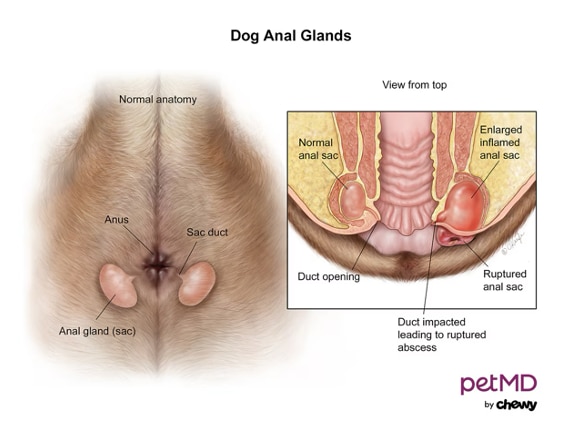
Anal glands produce a strong-smelling liquid. Dogs use this scent to mark territory and communicate. The glands sit on each side of the dog’s anus. Normally, they empty when the dog poops. This natural process keeps the glands clean and healthy.
Signs Of Full Or Impacted Glands
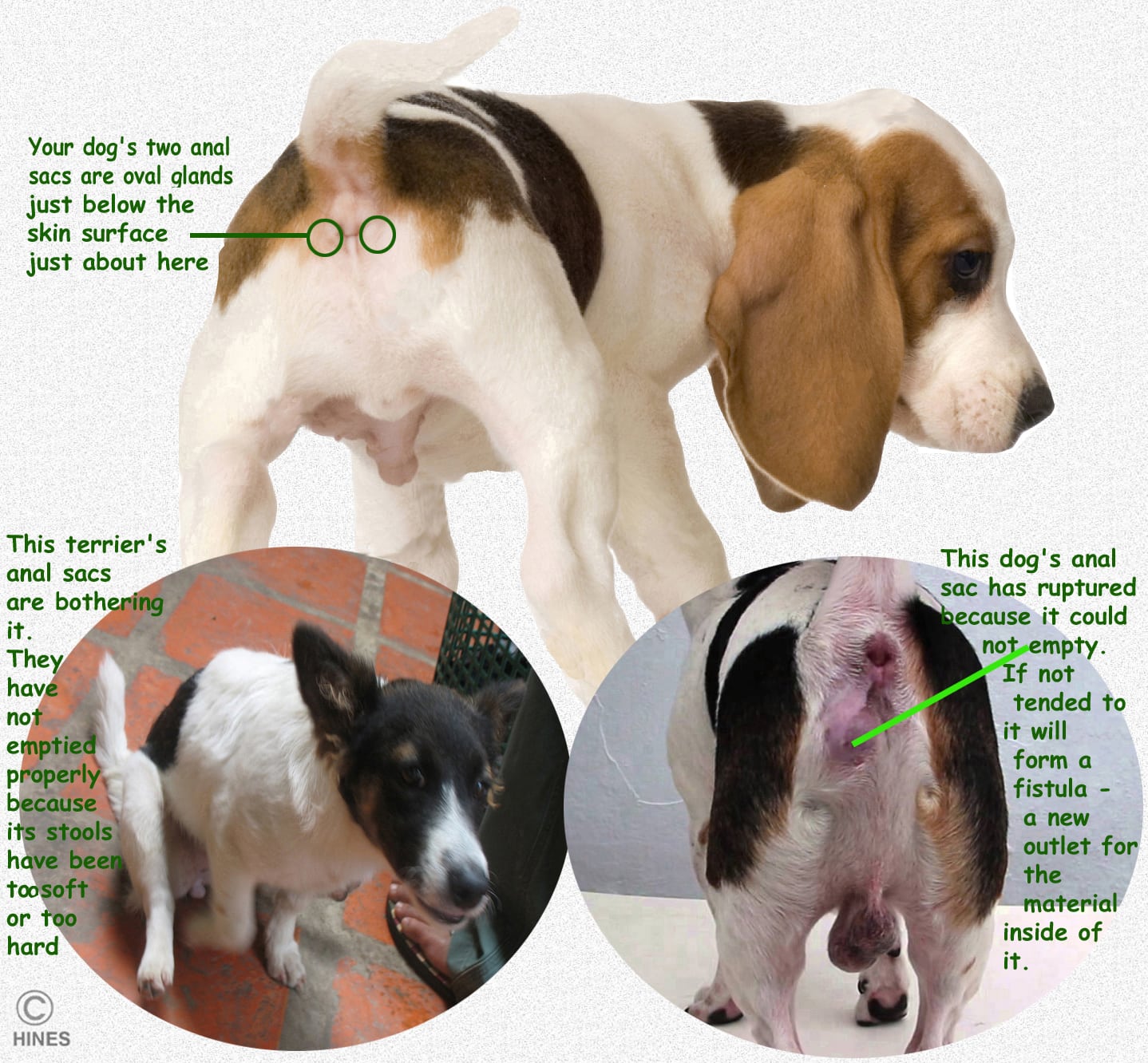
Sometimes glands do not empty properly. They fill with fluid and become swollen or painful. Dogs may drag their rear on the ground. You might notice a bad smell near their tail. They can lick or bite their rear more than usual. These signs mean the glands need to be expressed.
Breeds Prone To Gland Issues
Certain dog breeds have a higher chance of facing issues with their anal glands. These glands can become full, infected, or uncomfortable, causing distress to dogs. Knowing which breeds need regular gland care helps owners keep their pets healthy and happy.
Small Breeds With Higher Risk
Small dogs often struggle with gland problems. Breeds like Chihuahuas, Dachshunds, and Pugs are more prone. Their small size means less space for glands to empty naturally. These dogs may scoot or lick their rear frequently. Regular checks and expression can prevent infections and pain.
Medium And Large Breeds Affected
Medium and large dogs can also face gland issues. Breeds such as Cocker Spaniels, Beagles, and Labrador Retrievers may need help. Larger dogs sometimes have glands that do not express well on their own. Owners should watch for signs like discomfort or bad smell. Timely care avoids serious problems and keeps dogs comfortable.
Symptoms Indicating Gland Problems
Dogs with gland problems often show clear signs. These signs help owners know when to act. Watching your dog closely can prevent serious issues. Early detection makes treatment easier and faster.
Scooting And Licking Behavior
Scooting means your dog drags its bottom on the floor. This behavior shows discomfort or itching near the glands. Dogs also lick their rear more than usual. Licking is a way to soothe pain or irritation. These actions suggest the glands might be full or infected.
Swelling And Discomfort Signs
Swelling around the anus is a common symptom of gland problems. It looks like a small lump or bump near the tail. Your dog may seem uneasy or restless. They might also show pain when sitting or walking. Tenderness and redness can appear in the area. These signs need quick attention from a vet.
Credit: www.petmd.com
How To Express Dog Glands Safely
Expressing your dog’s glands can help avoid discomfort and infections. Doing it safely protects both you and your pet. Learn the proper way to express glands to keep your dog healthy. Follow simple steps and use the right tools for the best care.
Tools Needed For Expression
Gather clean gloves to protect your hands. Use paper towels or soft cloths to catch gland fluid. Have a mild antiseptic ready for cleaning. A helper can keep your dog calm and still. These tools make the process smoother and safer.
Step-by-step Expression Process
First, wear gloves and calm your dog gently. Place your dog in a comfortable position. Locate the glands near the anus on each side. Use your thumb and forefinger to squeeze gently. Apply steady pressure until fluid is released. Wipe the area clean with a cloth. Praise your dog for staying calm. Stop if you see signs of pain or bleeding.
When To Seek Professional Help
Visit a vet if your dog shows swelling or redness. Seek help if the fluid is thick or foul-smelling. Let professionals handle it if your dog resists strongly. Avoid forcing the process to prevent injury. Regular vet check-ups can catch gland problems early.
Preventing Gland Issues
Preventing gland issues in dogs is very important for their health. Dogs have small glands near their tail that can get blocked or infected. This causes discomfort and sometimes serious problems. Taking good care can keep these glands working well. Simple daily habits can make a big difference in preventing issues.
Diet And Hydration Tips
Feeding dogs a balanced diet helps keep their glands healthy. Foods high in fiber support good digestion and regular bowel movements. This reduces pressure on the glands. Always provide fresh water to keep dogs hydrated. Water helps flush out toxins and keeps glands clean. Avoid giving too many treats or fatty foods. These can lead to gland problems over time.
Regular Exercise Benefits
Exercise helps dogs stay fit and healthy. Moving regularly improves blood flow and digestion. This supports the natural function of their glands. Walking or playing daily prevents weight gain, which can stress glands. Active dogs are less likely to have gland blockages. Exercise also helps dogs empty their bowels fully. This prevents pressure build-up near the glands.
When To Consult A Veterinarian
Knowing when to consult a veterinarian about your dog’s glands is important. Some dogs need regular gland expression, but problems can still occur. Watching for signs that need a vet’s attention helps keep your dog healthy and comfortable.
Persistent Symptoms
Signs like scooting, licking, or biting at the rear can mean gland issues. If these behaviors last more than a few days, see a vet. Swelling or discomfort that does not improve also requires professional care. Ignoring these symptoms can cause more pain and problems.
Infection And Abscess Risks
Impacted glands can lead to infections or abscesses. An abscess is a painful, swollen lump filled with pus. Dogs with these problems need quick veterinary treatment. The vet may drain the abscess and give antibiotics. Early care prevents serious health risks and speeds recovery.
Credit: vetspace.2ndchance.info
Frequently Asked Questions
Which Dog Breeds Commonly Need Gland Expression?
Breeds like Cocker Spaniels, French Bulldogs, and Poodles often need their anal glands expressed. These breeds have a higher risk of gland issues due to their anatomy and lifestyle.
How Often Should Dog Glands Be Expressed?
Most dogs need gland expression every 4 to 6 weeks. However, frequency depends on the dog’s breed, diet, and activity level.
What Are Signs A Dog’s Glands Need Expressing?
Signs include scooting, licking the anal area, discomfort, and a strong odor. These symptoms suggest your dog’s glands may be full or impacted.
Can Gland Expression Prevent Infections In Dogs?
Yes, regular gland expression helps prevent infections and abscesses. It reduces discomfort and keeps your dog healthy.
Conclusion
Certain dog breeds need their glands expressed more often. Small dogs and those with thick fur are common examples. Regular care helps prevent discomfort and infections. Watch your dog for signs like scooting or licking. A vet or groomer can assist with gland expression.
Keeping up with this care improves your dog’s health. Remember, a happy dog is a healthy dog. Simple steps make a big difference in your pet’s life. Stay attentive and keep your dog comfortable every day.


