

Are you curious about which dog breeds are considered Pit Bulls? You’re not alone.
Many people hear the term “Pit Bull” and think of just one type of dog, but the truth is more complex. Understanding the breeds that fall under this label can help you make informed decisions, whether you’re choosing a new pet, meeting a dog for the first time, or simply want to know more.
Keep reading, because what you learn here might surprise you—and it could change how you see these dogs forever.
Pit Bull Origins
Pit Bulls are a group of dog breeds with a strong and interesting past. Their origins trace back to the 19th century. These dogs were bred for strength, agility, and loyalty. Understanding their roots helps explain their behavior and traits.
The term “Pit Bull” covers several breeds. Each has a unique history but shares common ancestors. These dogs were once popular for bull-baiting and later as farm dogs. Their courage and tenacity made them stand out.
Historical Background
Pit Bulls come from the Old English Bulldog and terrier breeds. In England, bull-baiting was a sport. Dogs had to be brave and strong. When bull-baiting was banned, breeders focused on dog fights instead.
These dogs were brought to America in the 1800s. They became known as “American Pit Bull Terriers.” Farmers and workers used them for protection and companionship. Their loyalty made them beloved pets.
Breed Development
Breeders aimed to keep the Pit Bulls strong and agile. They crossed bulldogs with various terriers. The goal was a dog with power and speed. This mix created the Pit Bull’s unique look and spirit.
Over time, different Pit Bull breeds emerged. The American Staffordshire Terrier and Staffordshire Bull Terrier share the same roots. Each breed has a slightly different appearance. Yet, all are known for their courage and energy.

Credit: en.wikipedia.org
Common Pit Bull Breeds
Pit Bulls are a group of dog breeds with strong, muscular bodies. These breeds share similar traits and history. Knowing the common Pit Bull breeds helps understand their nature and care needs.
Each breed has unique features but shares loyalty and courage. They make great pets with proper training and love.
American Pit Bull Terrier
The American Pit Bull Terrier is a well-known Pit Bull breed. It has a strong, athletic build and a short coat. These dogs are smart and very loyal to their families. They need regular exercise and socialization to stay happy.
American Staffordshire Terrier
The American Staffordshire Terrier is often called AmStaff. It looks similar to the American Pit Bull Terrier but is usually bigger. This breed is friendly and protective. It enjoys playing and being active with its owners.
Staffordshire Bull Terrier
The Staffordshire Bull Terrier is smaller but very muscular. It has a smooth coat and a strong jaw. This breed is known for its loving nature and courage. They are good with children and make loyal companions.
American Bully
The American Bully is a newer breed with a stocky body. It has a wide head and a gentle temperament. These dogs are calm and friendly with people. They need less exercise but enjoy family time.
Physical Traits Of Pit Bulls
Pit Bulls have strong and recognizable physical traits. These traits set them apart from other dog breeds. Understanding these features helps identify true Pit Bulls. Their body, coat, and face all have unique qualities. Each aspect shows the breed’s strength and character.
Size And Build
Pit Bulls are medium-sized dogs with a muscular build. They usually weigh between 30 and 60 pounds. Their bodies are compact but very strong. The chest is broad and deep, giving them a powerful look. Their legs are sturdy and well-proportioned for speed and agility.
Coat And Colors
The coat of a Pit Bull is short and smooth. It feels firm to the touch and lies close to the skin. Pit Bulls come in many colors. Common colors include brindle, black, white, fawn, and blue. Some have solid coats, while others show patches or spots.
Distinctive Features
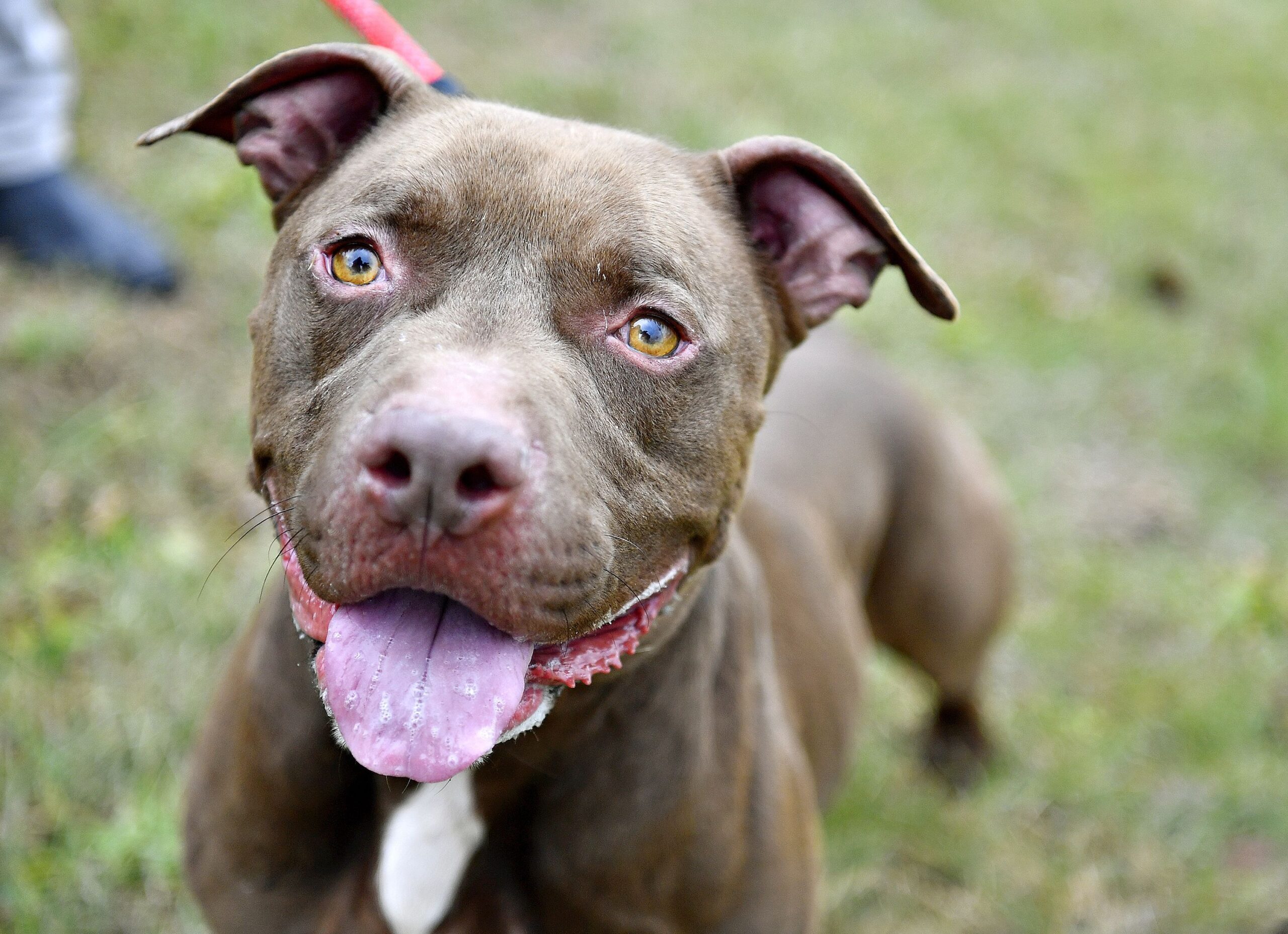
One key feature is the broad head with a strong jaw. Their eyes are round or almond-shaped and show alertness. The ears may be cropped or natural, often standing up or flopping forward. Pit Bulls have a wide smile with a strong, square muzzle. Their tail is thick at the base and tapers to a point.
Credit: ycspca.org
Behavior And Temperament
Pit Bull breeds have a reputation that often causes confusion. Their behavior and temperament vary widely. Understanding these traits helps in knowing what to expect from these dogs. Pit Bulls can be loyal, loving, and protective companions. They need owners who understand their nature and needs.
Personality Traits
Pit Bulls are known for their strong loyalty to family members. They often form deep bonds and enjoy being close to people. These dogs can be very playful and energetic. Many are confident and courageous but not aggressive without reason. They thrive on attention and like to be involved in family activities. Their intelligence makes them curious and eager to learn.
Training And Socialization
Early training is essential for Pit Bulls to become well-behaved adults. Socialization helps them get used to different people and animals. Positive reinforcement works best to encourage good behavior. Consistent rules and routines help these dogs feel secure. Training should start from a young age and continue throughout life. Proper socialization reduces fear and aggression risks.
Misconceptions And Myths
Many people have wrong ideas about what dog breeds are called Pit Bulls. These wrong ideas cause fear and confusion. Understanding these myths helps us see the truth about these dogs.
Media Influence
The media often shows Pit Bulls as dangerous dogs. News stories focus on attacks and bad behavior. This one-sided view makes people think all Pit Bulls are violent. The truth is, many dogs labeled as Pit Bulls are friendly and well-behaved. The media rarely shares positive stories about these dogs.
Breed Stereotyping
Many dogs look like Pit Bulls but are different breeds. People often group several breeds under the name Pit Bull. This causes mix-ups and unfair treatment. Dogs get judged by their looks, not their behavior. Breed stereotyping leads to bans and discrimination against many innocent dogs.
Legal Status And Regulations
The legal status of Pit Bull breeds varies widely across regions. Laws focus on public safety and dog behavior concerns. Understanding these rules helps owners avoid legal trouble. Many places enforce specific laws about Pit Bulls and similar breeds.
Breed-specific Legislation
Breed-Specific Legislation (BSL) targets certain dog breeds, including Pit Bulls. These laws ban or restrict owning these dogs. Some cities and states list Pit Bulls as dangerous. BSL aims to reduce dog attacks but faces criticism for fairness. Not all Pit Bull types are banned everywhere. Owners must know local BSL rules to comply.
Ownership Restrictions
Ownership restrictions often include special permits or insurance. Some areas require muzzles or leashes in public. Owners may face fines or dog confiscation for violations. Restrictions vary by location and breed classification. These rules aim to protect people and other animals. Prospective owners should research local laws before adopting.
Identifying Pit Bulls Accurately
Identifying Pit Bulls accurately can be tricky. Many dogs look like Pit Bulls but are not. This creates confusion for dog owners, shelters, and even vets. Knowing the right way to identify these breeds helps with better care and understanding.
Visual Identification Challenges
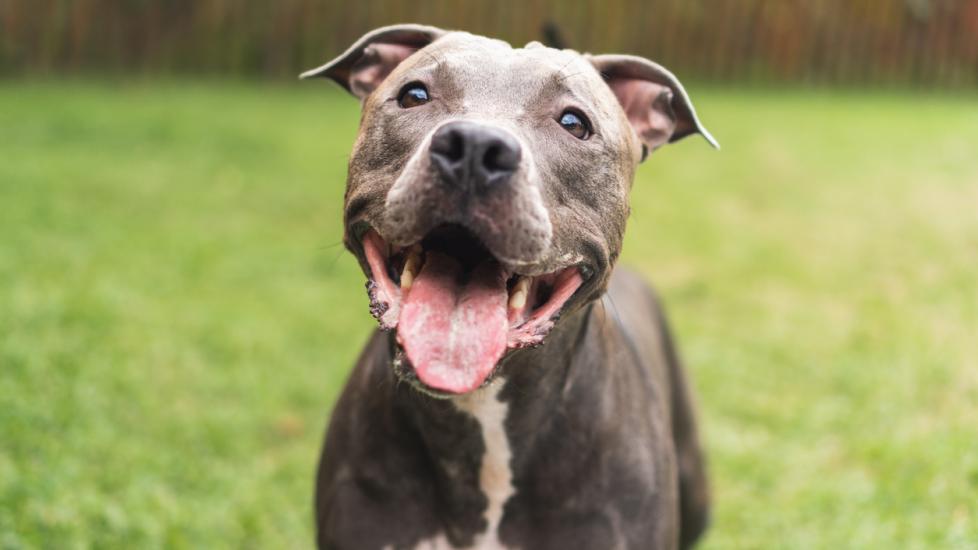
Many breeds share similar features with Pit Bulls. Muscular bodies, broad heads, and short coats are common traits. This makes it hard to tell them apart just by looking. People often mistake Staffordshire Bull Terriers or American Bulldogs for Pit Bulls. Visual identification alone is not reliable. It can lead to wrong assumptions about a dog’s behavior or history.
Dna Testing
DNA testing offers a clearer answer. It reveals a dog’s breed makeup with good accuracy. This method helps identify true Pit Bulls and mixed breeds. DNA tests use cheek swabs, which are easy and painless. Results help owners and shelters understand the dog better. DNA testing reduces mistakes from visual guesses. It supports responsible dog ownership and care.
Credit: www.petmd.com
Frequently Asked Questions
What Dog Breeds Are Officially Classified As Pit Bulls?
The main breeds classified as Pit Bulls include the American Pit Bull Terrier, American Staffordshire Terrier, and Staffordshire Bull Terrier. These breeds share similar physical traits and ancestry, which often leads to them being grouped under the “Pit Bull” category.
How Can I Identify A True Pit Bull Dog Breed?
True Pit Bulls have a muscular build, broad head, and strong jaw. They usually weigh between 30 to 60 pounds and have short, smooth coats. Behavior and lineage also play a key role in identifying genuine Pit Bull breeds.
Are Pit Bull Mixes Considered Pit Bulls Legally?
Yes, many regions classify Pit Bull mixes as Pit Bulls for legal purposes. This is due to their physical resemblance and shared ancestry with purebred Pit Bulls. Breed-specific laws often apply to both purebreds and mixes.
Why Do Pit Bull Breeds Have A Controversial Reputation?
Pit Bulls have a controversial reputation because of their history in dog fighting and media portrayal. However, many are friendly and loyal family pets when properly trained and socialized. Responsible ownership greatly influences their behavior.
Conclusion
Pit Bulls include several breeds like the American Pit Bull Terrier and Staffordshire Bull Terrier. These dogs often get mixed up with other similar breeds. Knowing the differences helps you understand them better. Each breed has unique traits and needs.
Respecting these dogs means learning facts, not myths. This knowledge supports safe and happy pet relationships. Always research before choosing a dog. It ensures a good match for your home and lifestyle.


