

Have you ever wondered if your playful pup and a fierce-looking guard dog are actually different species? It’s a question that might surprise you.
You might think that because dogs look so different, they must belong to separate species. But what if that’s not true? Understanding this can change the way you see your furry friend and every dog you meet. Keep reading, and you’ll discover fascinating facts that will clear up this common confusion once and for all.

Credit: penntoday.upenn.edu
Dog Breeds And Species Basics
Understanding the basics of dog breeds and species helps clear up common questions. Many people wonder if different dog breeds are actually different species. This section explains key facts about species and how dog breeds fit into the picture.
Dogs come in many shapes and sizes. Despite their differences, all dogs belong to the same species. Let’s explore what defines a species and how dog breeds are classified.
What Defines A Species
A species is a group of animals that can breed and produce fertile offspring. Members of the same species share similar genes and physical traits. Different species usually cannot mate successfully or produce fertile young. This is the main rule that scientists use to separate species.
Species also share a common ancestor and often look alike. Their bodies and behavior tend to be similar. Changes in DNA over time cause new species to form. But dog breeds do not have enough differences to become separate species.
How Dog Breeds Are Classified
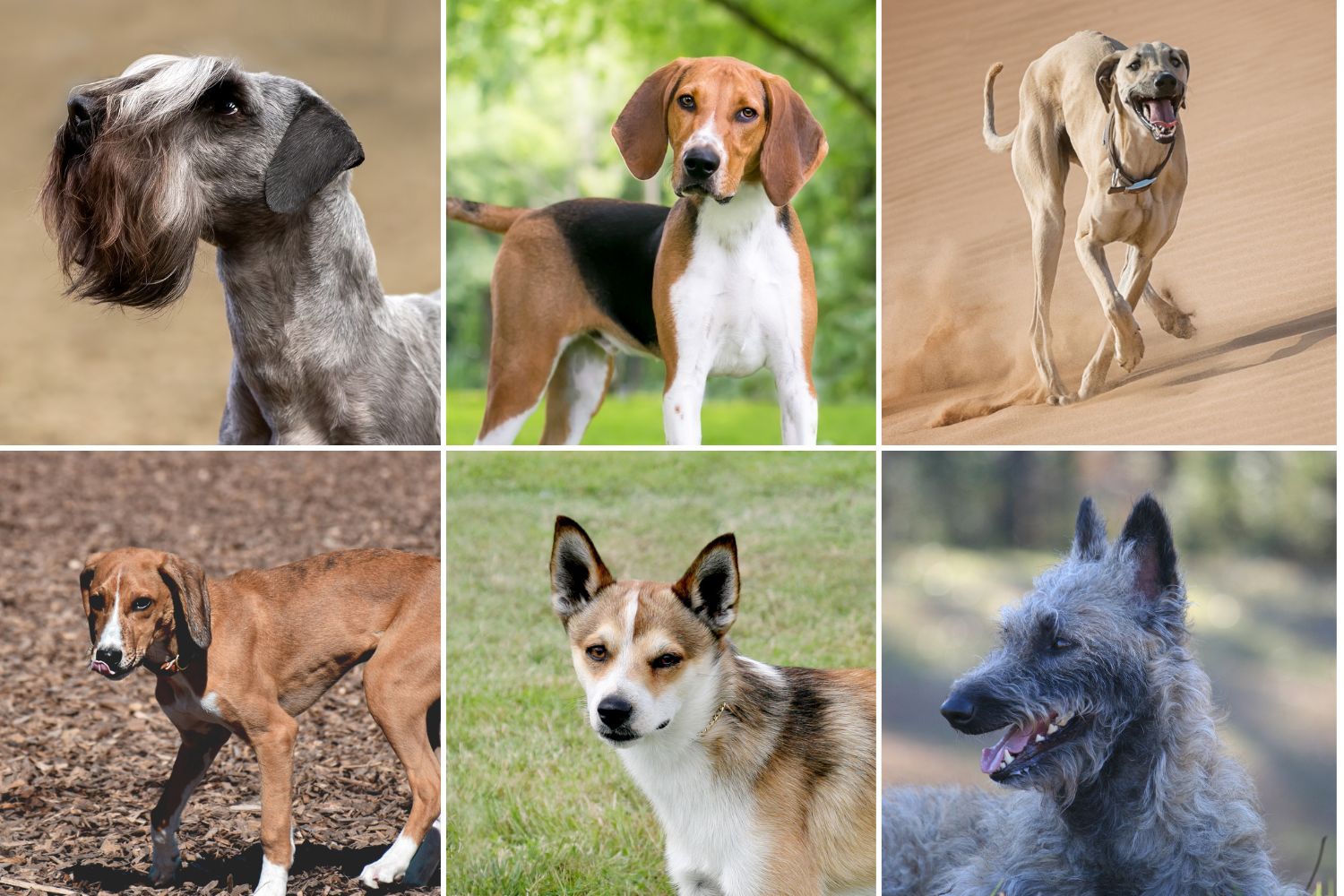
Dog breeds are groups within one species. They have unique traits like size, color, and fur type. These traits come from selective breeding by humans. Breeders choose dogs with desired features to mate. This process creates different breeds but not new species.
All dog breeds belong to the species Canis lupus familiaris. This means they share the same ancestor and can interbreed. For example, a Labrador can mate with a Chihuahua and have puppies. Dog breeds are like varieties, not separate species.
Genetics Behind Dog Breeds
All dog breeds share a common ancestor. This ancestor is the gray wolf. Over thousands of years, dogs have changed in shape, size, and color. These changes come from their genes. Genes carry the information that makes each dog unique.
Understanding the genetics helps us know if different breeds are really different species. It also explains why dogs can look so different but still be the same species. Genes control traits like fur type, ear shape, and behavior.
Dna Similarities Across Breeds
Dogs from different breeds have very similar DNA. Their genetic code matches by about 99.9 percent. This small difference creates the many breeds we see today. Despite their looks, dogs share most of their genes. This similarity means they belong to the same species.
Scientists compare dog DNA to find these facts. They study genes that affect size, coat, and other features. The tiny differences in these genes create breed variety. Still, the core DNA stays almost the same.
Role Of Selective Breeding
Selective breeding is the key to breed differences. Humans choose which dogs to mate based on traits. This choice changes the dog’s genes over generations. Breeders pick dogs with desired traits like size or coat color.
This process does not create new species. It only changes the traits within the same species. Selective breeding helps develop breeds suited for jobs or looks. The genes for these traits become more common in each breed.
Common Myths About Dog Species
Many people confuse dog breeds with different species. This misunderstanding creates myths about dogs. Knowing the truth helps us appreciate dogs better. It also keeps us from spreading false ideas.
Breed Differences As Species Differences
Some think each dog breed is a different species. This is not true. All dog breeds belong to one species: Canis lupus familiaris. Breeds have different looks and sizes. But they can all mate and have puppies. This shows they are the same species.
Breeds were made by humans through selective breeding. They chose traits like color, size, and behavior. These changes do not make a new species. They only create variety within one species.
Misconceptions From Physical Traits
People often judge dog species by how dogs look. Big dogs and small dogs seem very different. Their fur types and colors also vary a lot. These traits cause confusion about species.
Physical traits change fast through breeding. But they do not change a dog’s species. Dogs with different fur or size can still have puppies together. This fact proves they are not different species.
Scientific Reality Of Dog Breeds
Dog breeds often look very different. People may wonder if these differences mean they belong to separate species. Science shows that all dog breeds belong to the same species. They share a common ancestor and can interbreed freely. Understanding this helps clear up common misunderstandings about dogs.
Interbreeding And Fertility
All dog breeds can mate and produce puppies. Their offspring are usually healthy and fertile. This ability means they belong to the same species. Species are groups of animals that can reproduce and have fertile young. Different dog breeds do not have barriers to mating. This fact confirms that dog breeds are not separate species.
Genetic Diversity Within Species
Dog breeds show large differences in size, color, and shape. These differences come from breeding choices over time. Despite this, their genes are very similar. The genetic diversity within dogs is smaller than between other species. Breeds are varieties within one species, not separate types. This diversity helps dogs adapt to many roles and environments.
Impact Of Breed Variations
Breed variations have a big impact on dogs. They affect how dogs behave and how healthy they are. These differences make each breed unique. Understanding these variations helps dog owners care for their pets better.
Behavioral Differences
Dog breeds show different behaviors. Some breeds are calm and gentle. Others are active and playful. These traits come from their history and purpose. For example, herding dogs are smart and focused. Hunting dogs have a strong sense of smell. Choosing a breed that fits your lifestyle is important. It helps avoid problems and keeps the dog happy.
Health And Lifespan Variations
Health varies a lot between dog breeds. Some breeds live longer than others. Small dogs often live longer than large dogs. Certain breeds get health problems more often. For example, bulldogs may have breathing issues. Regular vet visits can catch problems early. Proper care and diet improve a dog’s lifespan. Knowing breed health risks helps owners prepare well.
Why The Species Myth Persists
The idea that different dog breeds are different species is a common myth. This confusion exists for many reasons. Many people see huge differences in size, shape, and behavior. These differences make them think of dogs as separate species. The truth is all dog breeds belong to the same species: Canis lupus familiaris. Understanding why this myth persists helps us see how culture and media shape our views.
Cultural Influences
Culture plays a big role in how people see dog breeds. Some cultures celebrate specific breeds as unique or special. These dogs often get treated like they come from different species. Traditions and stories passed down can exaggerate differences. People learn to separate breeds in their minds. This creates a lasting belief that breeds are more different than they really are.
In some places, dog breeds are linked to social status or roles. For example, hunting dogs are seen very differently from companion dogs. These roles add to the idea that breeds belong to different species. The way people use dogs affects how they think about them.
Media And Popular Beliefs
Media also spreads the species myth. Movies, TV shows, and books often show breeds as very distinct. Sometimes, they act like breeds cannot interbreed or are enemies. This fiction can seem real to viewers. Advertisements and social media posts highlight breed differences to attract attention. This makes people believe the myth more.
Popular beliefs also stem from simple observations. Seeing a tiny Chihuahua and a large Great Dane can confuse anyone. People assume they must be different species. Without scientific knowledge, these beliefs grow stronger. Media stories rarely explain that all dogs share the same species.
Implications For Dog Owners
Understanding that all dog breeds belong to the same species helps owners care better for their pets. Different breeds have unique needs, but they share many common traits. Knowing this can guide choices in training, health care, and daily life with a dog. Proper care depends on recognizing breed differences without assuming they are different species.
Choosing The Right Breed
Selecting a dog breed should match your lifestyle and home environment. Some breeds need lots of exercise, others prefer calm spaces. Size matters too. Small dogs fit in apartments better. Large dogs need more space and activity. Temperament varies by breed. Some are friendly and social. Others might be more reserved or protective. Understanding these traits leads to a happier relationship.
Responsible Breeding Practices
Good breeders focus on health and temperament, not just looks. They avoid breeding dogs with genetic problems. This lowers risks of illness and improves quality of life. Responsible breeding also considers breed standards and diversity. This helps maintain strong, healthy dogs for the future. Supporting ethical breeders encourages better care and respect for all dogs.

Credit: en.wikipedia.org
Credit: www.newsweek.com
Frequently Asked Questions
Are Different Dog Breeds Classified As Separate Species?
No, all dog breeds belong to the same species, Canis lupus familiaris. Breeds are variations within this species based on traits like size and coat.
How Do Dog Breeds Differ If Not By Species?
Dog breeds differ by genetics, appearance, and behavior. They share the same species but have been selectively bred for specific traits.
Can Different Dog Breeds Interbreed Successfully?
Yes, all dog breeds can interbreed and produce fertile offspring. This ability confirms they are the same species despite breed differences.
Why Aren’t Dog Breeds Considered Different Species?
Species are defined by reproductive isolation. Since all dog breeds interbreed freely, they are classified as one species.
Conclusion
Different dog breeds belong to the same species, Canis lupus familiaris. They share common traits but look very different. Breeds vary in size, shape, and behavior. These differences result from selective breeding by humans over time. All dogs can mate and produce puppies.
This shows they are one species, not separate ones. Understanding this helps us appreciate our pets more. Dogs may look unique, but they are family. Their variety makes them special companions for everyone.


