

Have you ever wondered how so many different dog breeds came to be? From tiny Chihuahuas to massive Great Danes, each breed has its own unique look and personality.
But how did all these varieties start? The story behind dog breeds is fascinating and full of surprises that might change the way you see your furry friend. If you want to discover the secrets of how dogs transformed from wild animals into the beloved companions we know today, keep reading—your curiosity is about to be rewarded.

Credit: www.youtube.com
Early Domestication
Early domestication marks the first step in creating dog breeds. Thousands of years ago, wild animals began to live closer to humans. This started a long journey from wild wolves to the many dog breeds we see today. Understanding this process helps us know how dogs became our friends and helpers.
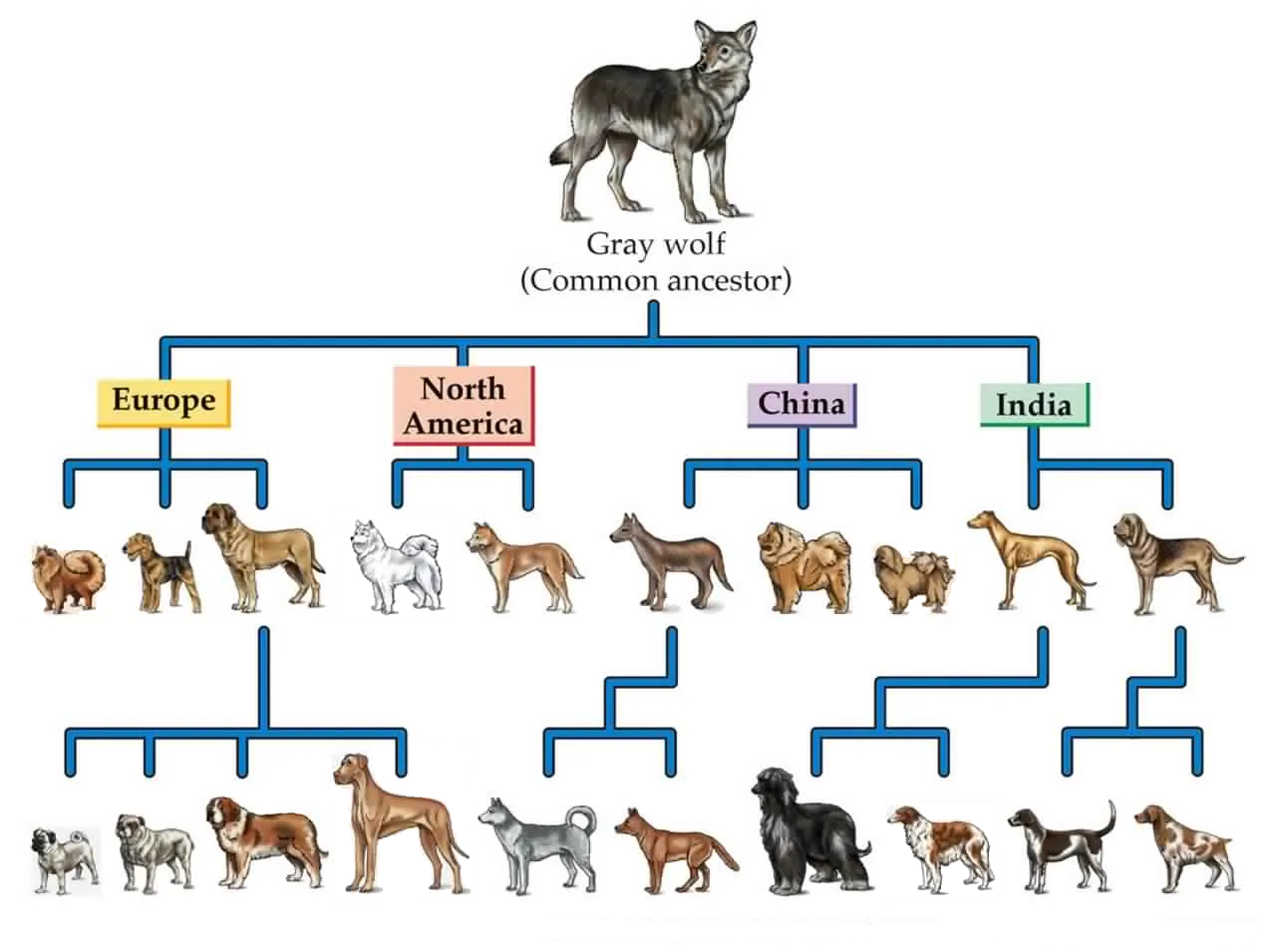
From Wolves To Companions
Dogs descended from wolves, but not all wolves became dogs. Some wolves stayed near human camps. They scavenged leftover food and became less afraid of people. Over time, humans and wolves helped each other survive. Humans gave food and safety. Wolves warned humans about danger. This mutual trust led to changes in wolf behavior and appearance.
These early wolves grew friendlier and smaller. Humans began to select wolves that were calm and cooperative. This selection created the first proto-dogs, the ancestors of all modern dogs. These early companions helped with hunting and guarding. They also offered company, which built stronger human bonds.
Archaeological Evidence
Archaeologists found ancient dog remains near human settlements. Some bones show signs of care and burial with humans. These findings suggest dogs had special roles in early societies. Fossils and tools found together prove dogs lived closely with people.
Ancient art and carvings also show dogs. These images confirm dogs were part of human life. Scientists use DNA from old bones to trace dog origins. This research shows dogs split from wolves at least 15,000 years ago. The evidence supports the idea that early domestication shaped dog breeds over time.
Natural Selection And Adaptation
Natural selection and adaptation played a big role in creating dog breeds. Over many years, dogs changed to fit their surroundings. These changes helped dogs survive better in different places. Nature chose dogs with traits that helped them live longer and have puppies. These traits slowly became common in certain groups of dogs. This process shaped the many breeds we see today.
Environmental Influences
Dogs lived in many different places on Earth. Some lived in cold, snowy areas. Others lived in hot, dry deserts. The environment made dogs develop special features. Thick fur for cold weather, short hair for heat. Strong legs to run fast or walk long distances. Each place pushed dogs to change in a way that helped them survive.
Survival Traits
Survival traits helped dogs find food and stay safe. Sharp teeth for hunting, strong noses for tracking scents. Good hearing to hear danger early. Some dogs grew to be big and strong. Others stayed small and quick. These traits helped dogs live longer and have more puppies. Over time, these traits became part of certain dog breeds.
Human Influence On Breeding
Humans shaped dog breeds over thousands of years. They chose dogs with traits they liked. These choices changed dogs step by step. The result is many dog breeds today. Each breed has unique features and skills. Human influence is key to this process.
Selective Breeding Practices
Selective breeding means picking dogs with certain traits to mate. People bred dogs that had good qualities. These qualities included size, color, or behavior. Breeders mated dogs with the best traits. Over time, these traits became stronger in puppies. This method helped create breeds with clear traits.
Purpose-driven Traits
Humans bred dogs for specific jobs. Some dogs were bred to hunt or herd. Others were bred to guard or be companions. Breeders focused on traits that helped dogs do their tasks. For example, fast legs for hunting or calm nature for pets. This focus made breeds suited for different roles.

Credit: dogzombie.blogspot.com
Development Of Distinct Breeds
Distinct dog breeds came from many years of careful breeding. Humans chose dogs with certain traits. Over time, these traits became more common in different groups of dogs.
This process created dogs that looked and acted very differently. Some breeds became good hunters. Others became strong protectors or gentle companions.
Geographical Isolation
Geographical isolation played a big role in creating breeds. Dogs in one area mated mostly with each other. Mountains, rivers, and other barriers kept groups apart.
Each group adapted to its local environment. For example, dogs in cold places grew thick fur. Dogs in warm places stayed slim and short-haired.
This isolation helped form unique breeds with special features. These traits helped dogs survive in their specific regions.
Breed Standardization
Breed standardization is the process of setting rules for a breed’s look and behavior. Clubs and organizations wrote these rules. They described how a dog should look and act.
Breeders used these standards to keep breeds pure. They only bred dogs that met the standards. This kept each breed consistent over time.
Standardization helped protect breeds from changes. It made sure the special traits stayed strong.
Genetics Behind Breed Differences
Dog breeds look different because of genetics. Genes are tiny parts inside cells. They decide how dogs grow and behave. Each breed has unique genes. These genes create the traits we see, like fur color or size.
Genetics explains why some dogs run fast and others are calm. It helps us understand the many dog breeds around the world.
Genetic Variation
Genetic variation means differences in genes among dogs. These differences come from mutations and mixing genes. Breeders select dogs with special traits to mate. Over time, this creates breeds with unique features. Variation keeps breeds distinct and interesting.
Hereditary Traits
Hereditary traits pass from parents to puppies. Traits include coat type, size, and behavior. Some traits are strong and often appear in puppies. Others are weak and may skip generations. Knowing which traits are hereditary helps breed dogs with desired qualities.
Famous Ancient Breeds
Famous ancient dog breeds have a long history. They show how humans and dogs worked together. These breeds come from different parts of the world. Each has a story about its origins and uses. They helped people hunt, guard, and travel. Their traits were shaped by the needs of early societies. Many of these breeds still exist today. They remind us of the strong bond between dogs and humans.
Origins Of Popular Breeds
Some ancient breeds date back thousands of years. The Basenji from Africa is one of the oldest. It was used for hunting in dense forests. The Saluki from the Middle East was prized by nomads. It helped track and catch fast animals. The Akita from Japan served as a guard and hunter. These dogs developed traits to survive in tough environments. Early humans bred them for strength, speed, and loyalty.
Cultural Significance
Many ancient breeds hold special meaning in their cultures. The Chow Chow of China is a symbol of power. The Pharaoh Hound was revered in ancient Egypt. It appeared in art and religious ceremonies. The Tibetan Mastiff was a protector of monasteries and herds. These dogs were more than pets. They were part of rituals and traditions. Their presence reflects the values of ancient peoples.
Modern Breed Creation
Modern breed creation shapes many dogs we see today. Breeders select traits from different dogs. They mix these traits to form new breeds. This process often aims for specific looks or skills. It changes how dogs behave and appear over time.
Crossbreeding Trends
Crossbreeding mixes two different pure breeds. It creates dogs with traits from both parents. This trend started to meet new needs. People want dogs with good health and special looks. Crossbreeds often have fewer health problems. They can combine the best traits of each breed. Many breeders focus on size, coat, or temperament. Crossbreeding also helps develop working dogs for tasks like hunting or guarding.
Designer Dogs
Designer dogs are a popular result of modern breed creation. They come from crossing two purebreds with a catchy name. Examples include Labradoodle and Cockapoo. These dogs often have unique appearances. Many people like their friendly nature and low-shed coats. Designer dogs attract pet owners wanting something different. Breeders carefully select traits to keep health and charm. This trend keeps growing as people seek special pets.
Credit: rochsociety.com
Impact Of Breed Creation Today
The creation of dog breeds has shaped the pets we know today. This process affects dogs’ health, behavior, and care needs. Understanding these effects helps owners and breeders make better choices. Breed creation impacts dogs deeply, from their bodies to their lives.
Health Considerations
Many breeds face health issues due to selective breeding. Breeders often focus on looks, not health. This can cause inherited diseases and weak immune systems. Some dogs have breathing problems or joint pain. Knowing breed risks helps owners give better care. Regular vet visits and healthy diets improve dogs’ well-being.
Ethical Breeding
Ethical breeding puts dogs’ health first. Good breeders avoid mating dogs with genetic problems. They aim to keep breeds strong and healthy. This practice reduces health issues in puppies. Ethical breeders also provide good living conditions. They educate owners about breed needs and care. Responsible breeding supports the future of healthy dogs.
Frequently Asked Questions
How Were Dog Breeds Originally Developed?
Dog breeds were developed through selective breeding. Humans chose dogs with specific traits to reproduce. This process enhanced desired characteristics like size, coat, and behavior over generations.
What Role Did Humans Play In Creating Dog Breeds?
Humans played a crucial role by selectively breeding dogs. They aimed to enhance traits useful for hunting, herding, or companionship. This guided evolution shaped diverse breeds we see today.
When Did Dog Breed Creation Begin?
Dog breed creation began thousands of years ago. Early humans bred dogs for specific tasks. Over time, distinct breeds emerged to fulfill different needs.
Why Do Different Dog Breeds Have Unique Traits?
Unique traits result from selective breeding for specific purposes. Traits like size, coat, and temperament were enhanced to fit various roles. This diversity helps dogs adapt to different environments and jobs.
Conclusion
Dog breeds formed through careful selection over many years. People chose dogs with traits they liked. These traits passed from parents to puppies. Different needs created many unique breeds. Some dogs helped hunt, others guarded homes. Each breed tells a story of human and dog bonds.
Understanding breed origins helps us appreciate dogs more. Every dog breed has a special purpose and history. This connection between humans and dogs continues today.


