

Are you thinking about adding a Boxer dog to your family but wonder if they are easy to train? Training your dog is key to having a happy, well-behaved companion.
Boxers are known for their energy and intelligence, but does that make training them simple or a challenge? You’ll discover the truth about how easy it really is to train a Boxer. You’ll learn what to expect, the best techniques to use, and how to turn your Boxer into the loyal, obedient friend you want.
Keep reading to find out if a Boxer is the right fit for your lifestyle and how you can succeed in training one.

Credit: www.bestmatedogtraining.co.nz
Boxer Dog Traits
Boxer dogs have a unique set of traits that shape their behavior and training ease. They are lively and strong, yet they love being close to their families. Understanding these traits helps in training and bonding with them.
Boxers respond well to clear, consistent guidance. Their personality and energy affect how they learn and behave.
Temperament And Energy
Boxers are friendly and loyal dogs. They enjoy playtime and need plenty of exercise. Their high energy means they get bored quickly without activity. This can lead to mischief if they lack proper outlets. Boxers thrive in homes that can give them active, fun routines daily.
Intelligence Level
Boxers are smart dogs and pick up commands fast. They understand routines and respond well to training sessions. Their intelligence means they need mental challenges too. Puzzle toys and varied exercises help keep them sharp. A bored Boxer may ignore commands or act out.
Training Challenges
Training Boxer dogs can be rewarding but also comes with challenges. These dogs are smart and energetic. They need clear guidance and patience. Understanding their behavior helps trainers work better with them. Some challenges can slow down training progress.
Common Behavioral Issues
Boxers often show stubbornness. They may ignore commands if bored. Jumping on people is common. Their high energy can cause chewing problems. Barking too much can be another issue. These behaviors need consistent correction. Without it, training becomes harder.
Sensitivity To Harsh Methods
Boxers do not respond well to harsh training. Yelling or punishment can make them scared. They may shut down or act more stubborn. Positive reinforcement works best with this breed. Gentle, reward-based training builds trust. This approach leads to better learning results.
Effective Training Techniques
Training Boxer dogs requires clear methods and a calm approach. Using effective training techniques helps build trust and good habits. These techniques suit the Boxer’s lively and smart nature. Training should be fun and rewarding for both dog and owner.
Positive Reinforcement
Positive reinforcement means giving rewards for good behavior. Treats, praise, and toys work well for Boxers. This method encourages them to repeat good actions. Avoid punishment, as it can scare or confuse the dog. Rewarding effort builds confidence and eagerness to learn.
Consistency And Patience
Consistency is key in training Boxer dogs. Use the same commands and rules every day. Patience helps the dog understand what you want. Training takes time, so do not rush results. Regular short sessions keep the dog focused and interested.
Socialization Strategies
Socialization is key to training Boxer dogs well. It helps them become calm and confident. Good social skills reduce fear and aggression. Start socialization early. Keep it positive and consistent. This makes training easier and life happier for your dog.
Early Exposure To People
Introduce your Boxer puppy to many people early. Different ages, sizes, and appearances matter. Let your puppy meet strangers calmly. This builds trust and reduces shyness. Use treats and praise during introductions. Short and fun meetings work best. Avoid scary or loud situations at first.
Introducing Other Pets
Boxers often enjoy other pets, but introductions need care. Start with slow, controlled meetings. Use a leash to keep control. Let pets sniff and observe each other calmly. Watch for signs of stress or fear. Reward calm behavior with treats and praise. Repeat meetings often to build comfort. This helps your Boxer accept new animal friends easily.
Exercise And Mental Stimulation
Boxer dogs need both exercise and mental stimulation to stay happy and well-behaved. These energetic dogs have lots of energy to burn. Without enough activity, they might get restless or act out. Giving them daily physical and mental challenges helps them focus and learn better.
Daily Physical Activities
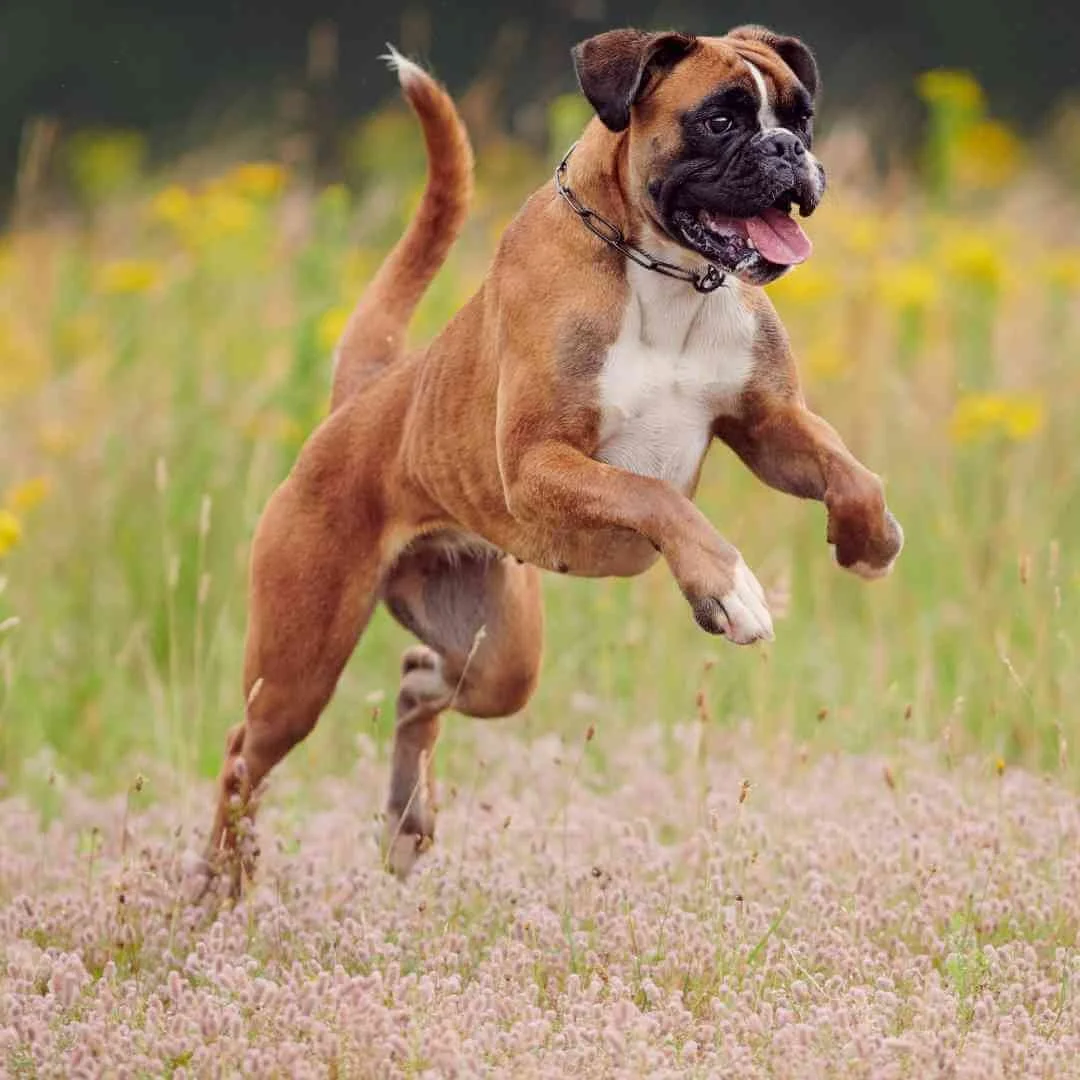
Boxers love to run and play. Daily walks or runs help them release energy. Playing fetch or tug-of-war can keep them active too. These activities improve their strength and coordination. Exercise also reduces anxiety and improves mood. Regular physical activity makes training sessions easier and more effective.
Interactive Games And Puzzles
Boxers are smart and enjoy solving problems. Puzzle toys and interactive games keep their minds busy. These challenges teach patience and focus. Using treats inside puzzles adds motivation. Mental exercises prevent boredom and destructive behavior. A busy brain helps boxers learn commands faster and obey better.
Credit: www.bestmatedogtraining.co.nz
Common Mistakes To Avoid
Training Boxer dogs can be fun and rewarding. Still, some common mistakes can slow progress. Avoid these errors to make training smoother and more effective. Focus on clear communication and understanding your dog’s needs.
Inconsistent Commands
Using different words for the same command confuses Boxers. They need clear and steady instructions. For example, say “sit” every time, not “sit down” or “take a seat.” Consistency helps them learn faster and obey better. Keep commands short and simple.
Ignoring Attention Needs
Boxers are energetic and need mental and physical activity. Ignoring their attention needs can cause frustration and bad behavior. Give them regular playtime and training sessions. Short, frequent lessons keep their mind sharp. A tired Boxer is easier to train and happier.
When To Seek Professional Help
Training a Boxer dog can be rewarding but sometimes challenging. Some dogs may need extra help beyond basic commands. Recognizing when to seek professional training ensures your dog learns the right behaviors. It also keeps your bond strong and stress low.
Signs Of Training Difficulty
Your Boxer may show signs that training is tough. They might ignore commands or act aggressively. Constant barking or chewing can signal frustration or confusion. If your dog seems scared or overly shy, training might need expert guidance. These signs suggest professional help can improve progress.
Choosing A Trainer
Select a trainer who understands Boxer dogs well. Look for someone with good reviews and proper certification. A trainer who uses positive methods works best for sensitive dogs. Meet the trainer first to discuss your dog’s needs. This ensures both you and your dog feel comfortable.
Credit: www.bestmatedogtraining.co.nz
Frequently Asked Questions
Are Boxer Dogs Quick Learners In Training?
Boxer dogs are intelligent and can learn commands quickly. Consistent training and positive reinforcement help them grasp new skills faster. Early socialization boosts their learning ability and behavior.
What Training Methods Work Best For Boxers?
Positive reinforcement and reward-based training work best for Boxers. Harsh methods can make them stubborn or anxious. Patience and consistency are key to effective training success.
How Long Does It Take To Train A Boxer?
Training duration varies but usually takes a few months. Daily short sessions improve retention and obedience. Early and regular training helps Boxers develop good habits faster.
Are Boxer Dogs Easy To Housebreak?
Boxers can be housebroken with consistent routines and patience. Crate training and positive rewards speed up the process. Early training prevents accidents and encourages good bathroom habits.
Conclusion
Boxer dogs respond well to consistent training and patience. They enjoy learning and want to please their owners. Training sessions should be short and fun to keep their interest. Early socialization helps them behave better around others. Remember, every dog is unique and learns at its own pace.
With love and effort, Boxers can become well-trained companions. Their playful nature makes training a rewarding experience. Keep expectations realistic and stay positive throughout the process. Training a Boxer is easy when you understand their needs.


