

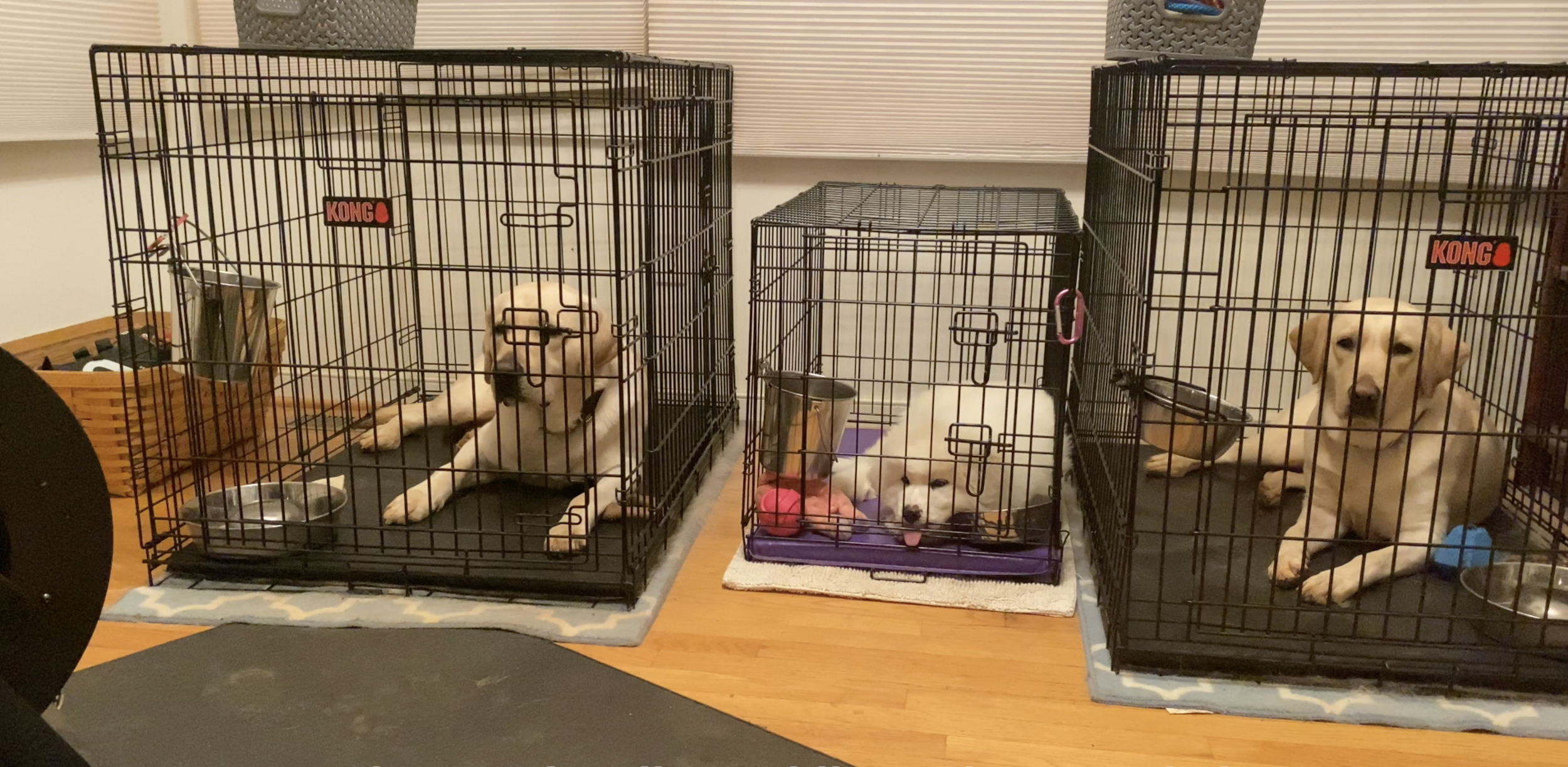
Are you wondering if it’s too late to crate train your dog? Maybe your furry friend is already a bit older, and you’re not sure if crate training will still work.
You’re not alone. Many dog owners ask the same question when their pup grows out of puppyhood or joins the family later in life. The good news is, it’s never too late to start crate training. In fact, with the right approach, your dog can learn to love their crate at any age.
Keep reading, and you’ll discover simple, effective tips to make crate training work for you and your dog—no matter how old they are.
Credit: www.sadiesrulesk9training.com
Benefits Of Crate Training
Crate training offers many benefits for dogs and owners. It creates a safe space for your dog. It helps with housebreaking and managing behavior. Using a crate can make life easier for both of you.
Safety And Security
A crate gives your dog a quiet, secure place. Dogs feel safe in a small, enclosed area. It protects them from household dangers. It also keeps your dog from chewing on harmful objects. The crate acts as a cozy den where your dog can relax.
Housebreaking Aid
Crate training speeds up housebreaking. Dogs do not like to soil their sleeping area. This natural habit helps teach bladder control. A crate creates a routine for bathroom breaks. It reduces accidents inside your home.
Behavior Management
The crate helps manage unwanted behaviors. It limits your dog’s access to areas when you are busy. It prevents destructive chewing and jumping on guests. The crate gives your dog a break from overstimulation. This helps reduce anxiety and stress.
Signs Your Dog Is Ready
Crate training is possible at many stages of a dog’s life. Dogs show certain signs when they are ready to start learning this skill. Recognizing these signs helps you begin crate training smoothly. It also makes the process easier for both you and your dog.
Watch your dog’s behavior, health, and mood. These clues tell you if crate training is a good idea now. Here are important points to check before starting.
Age And Maturity
Puppies as young as eight weeks can begin crate training. Young dogs learn quickly and adapt well. Older dogs can learn too, but they may need more patience. Maturity affects how well your dog accepts the crate. A calm and focused dog learns faster than a very energetic one.
Temperament Check
Some dogs feel safe in small, cozy spaces. Others may feel trapped or scared. Watch your dog’s reaction to closed spaces. If your dog stays calm or curious, crate training will likely work. If your dog shows stress signs, like barking or scratching, try slow introduction. A gentle, calm dog is ready to learn.
Health Considerations
Health is a key factor before crate training. Dogs with joint pain, breathing problems, or anxiety may struggle. A visit to the vet helps rule out issues. Healthy dogs adapt better and stay comfortable in crates. Make sure the crate size fits your dog well for safety and comfort.
Choosing The Right Crate
Choosing the right crate is a key step in crate training your dog. The crate should feel safe and comfortable. It must fit your dog’s size and habits. A good crate helps your dog relax and learn faster. Here are some tips to pick the best crate for your pet.
Size And Comfort
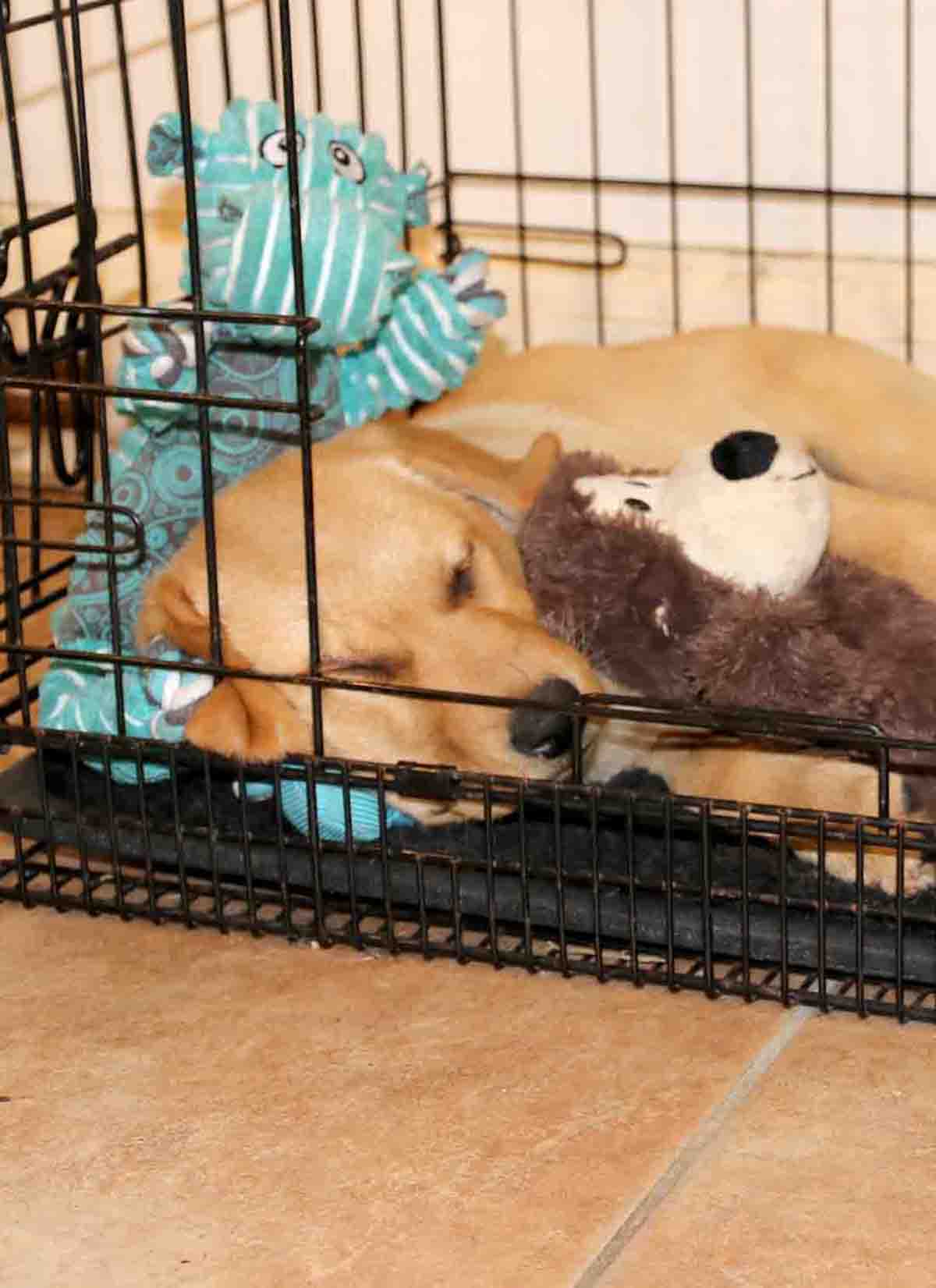
The crate should be big enough for your dog to stand, turn, and lie down. Too small makes your dog uncomfortable. Too big can make your dog feel unsafe. Add a soft bed or blanket inside. Comfort helps your dog stay calm and happy.
Material Options
Crates come in metal, plastic, or fabric. Metal crates are strong and last long. Plastic crates are cozy and good for travel. Fabric crates are light and easy to move. Choose a material that fits your dog’s needs and your lifestyle.
Location Tips
Place the crate in a quiet, low-traffic area. Avoid loud or busy spots. The crate should be near family spaces to avoid loneliness. Good location helps your dog feel safe and part of the family.
Credit: www.thelabradorsite.com
Step-by-step Crate Training
Step-by-step crate training helps your dog feel safe and calm. It builds trust and creates good habits. This process takes patience and care. Follow these simple steps to make crate training a positive experience.
Introducing The Crate
Start by placing the crate in a quiet, comfortable spot. Leave the door open and let your dog explore it. Put soft bedding inside to make it cozy. Add treats or toys to invite your dog in. Do not force your dog inside. Let them enter at their own pace.
Positive Reinforcement
Use treats and praise when your dog goes near or inside the crate. Speak in a calm and happy voice. Reward your dog for calm behavior inside the crate. Avoid scolding or forcing your dog. Positive feelings help your dog enjoy the crate.
Gradual Time Increase
Start by closing the crate door for a few seconds. Slowly increase the time your dog stays inside. Stay nearby to reassure your dog. Gradually leave the room for short periods. Never leave your dog in the crate too long. Patience is key to success.
Common Challenges
Crate training an older dog has its own set of challenges. These challenges can make the process seem tough at first. Understanding these common problems helps prepare you and your dog for success. Patience and consistency are key.
Separation Anxiety
Many dogs feel nervous when left alone. Crate training can increase this fear. Dogs may bark, whine, or try to escape. This anxiety makes crate training harder. Small steps and positive rewards can help calm them.
Resistance And Fear
Some dogs see the crate as a trap. They may hide or refuse to enter. Fear can come from bad past experiences. Taking time to make the crate a safe place is important. Use treats and toys to create a positive space.
Accidents Inside Crate
Accidents can happen during crate training. Dogs might pee or poop in the crate. This can happen if the crate is too big or the dog is stressed. Keep the crate just big enough for comfort. Regular bathroom breaks reduce accidents.
Adjusting Training For Older Dogs
Training an older dog requires a different approach than training a puppy. Older dogs have habits and experiences that affect their learning. Adjusting your methods helps make crate training easier and less stressful for both of you. Patience and a clear plan are key.
Understanding your dog’s limits and adapting your techniques will improve results. Small steps and gentle guidance work best with mature dogs. Consistency helps your dog feel safe and confident in the crate.
Patience And Consistency
Older dogs may take longer to learn new habits. Stay calm and patient during each session. Repeat commands and routines often to build understanding. Avoid rushing or showing frustration. Consistent training times and signals help your dog know what to expect. This creates trust and encourages cooperation.
Modifying Techniques
Some crate training methods may not suit older dogs. Use softer tones and gentle encouragement. Break training into shorter sessions to keep your dog engaged. Offer treats and praise for small progress. Make the crate comfortable with blankets and toys. Adjust the crate size to your dog’s needs. These changes make training less intimidating.
Recognizing Limitations
Older dogs might have physical or mental limits. Joint pain or hearing loss can affect training. Watch for signs of stress or discomfort. Avoid forcing your dog into the crate. Respect your dog’s pace and adjust goals. Consulting a vet or trainer can provide useful advice. Accepting limitations helps build a positive training experience.
Maintaining Long-term Success
Maintaining long-term success with crate training requires patience and consistency. The crate should become a safe and familiar place for your dog. Keep routines steady and positive. Reinforce good habits often to make crate training last.
Regular Routine
Dogs thrive on routine. Set specific times for crate use each day. Use the crate for naps, bedtime, and quiet time. A regular schedule helps your dog feel secure. Avoid sudden changes that may confuse your pet.
Crate As A Positive Space
Make the crate inviting and comfortable. Add soft bedding and favorite toys inside. Praise your dog when it enters the crate willingly. Avoid using the crate as punishment. The dog should see it as a happy place.
Ongoing Reinforcement
Keep rewarding your dog for good crate behavior. Use treats and gentle praise after crate time. Practice short crate sessions during the day. This keeps your dog used to spending time there. Consistent rewards help maintain crate training success.

Credit: www.maderacounty.com
Frequently Asked Questions
Can Older Dogs Learn Crate Training Effectively?
Yes, older dogs can learn crate training with patience and consistency. Adjust training methods to suit their needs. Positive reinforcement helps build comfort and trust in the crate over time.
How Long Does Crate Training Take For Adult Dogs?
Crate training duration varies, usually between a few days to several weeks. Consistent daily practice and positive rewards speed up the process. Patience and gradual introduction are key to success.
Is Crate Training Safe For All Dog Ages?
Crate training is generally safe for all ages if done properly. Avoid leaving dogs in crates too long. Ensure the crate size is comfortable and provide breaks for exercise and social interaction.
What Are The Benefits Of Crate Training Older Dogs?
Crate training offers older dogs security and a safe space. It helps with housebreaking, reduces anxiety, and prevents destructive behavior. It also aids in travel and vet visits.
Conclusion
Crate training can work at any dog age. Patience and consistency are key. Start slowly and keep sessions short. Reward your dog with treats and praise. Avoid forcing or rushing the process. Dogs learn best with gentle guidance. Many adult dogs adapt well to crates.
It helps them feel safe and calm. Your effort will build trust and comfort. Don’t give up; progress takes time. Every dog can benefit from crate training. Keep trying—you and your dog will succeed.


