

Are you wondering when your puppy is ready to switch to adult dog food? Knowing the right time to make this change is important for your dog’s health and happiness.
Feed them too early, and they might miss out on vital nutrients; wait too long, and you could be holding back their growth. You’ll discover exactly what age your dog can start eating adult food and how to make the transition smooth and safe.
Keep reading to give your furry friend the best nutrition at every stage of life.
Credit: www.purina.com
Puppy Nutrition Basics
Puppy nutrition is very important for healthy growth. Puppies need special food to support their fast development. Feeding the right diet helps build strong bones, muscles, and a good immune system. Understanding puppy nutrition basics sets a solid foundation for your dog’s future health.
Key Nutrients For Growth
Proteins help build muscles and tissues. Puppies need more protein than adult dogs. Fats provide energy for play and learning. Vitamins and minerals support bones and teeth. Calcium and phosphorus are crucial for strong bones. DHA, an omega-3 fatty acid, aids brain and eye development. Balanced nutrients keep puppies active and healthy.
Differences Between Puppy And Adult Food
Puppy food has higher protein and fat levels. It is richer to meet growing needs. Adult food has fewer calories and less fat. Puppy food is softer and easier to chew. It contains more vitamins and minerals for growth. Adult food focuses on maintaining health and weight. Feeding the correct food helps your puppy thrive.
Ideal Age For Switching
Knowing the right age to switch your dog from puppy food to adult food is important. This change supports healthy growth and keeps your dog strong. The ideal time varies based on several factors. Paying attention to your dog’s needs helps make the switch smooth and safe.
Factors Influencing Transition Time
Growth rate affects when to change food. Puppies grow fast in the first months. Their bodies need more nutrients during this stage. After growth slows, adult food fits better. Activity level plays a role too. Active dogs may need adult food sooner. Health conditions can affect timing. Consult a vet for advice tailored to your dog.
Breed And Size Considerations
Small breeds grow faster than large breeds. Small dogs often switch to adult food around 9 months. Large breeds take longer, about 12 to 18 months. Large dogs need special nutrition for bones and joints. Using adult food too early can cause problems. Breed size guides the best time to switch food. Follow breed-specific recommendations for best results.
Signs Your Dog Is Ready
Knowing when your dog is ready to eat adult food is important for their health. Dogs grow at different rates, so watch for signs that they are ready to switch from puppy food. These signs show your dog is growing and developing properly.
Behavioral Indicators
Your dog may start eating less often but finishes meals faster. They might seem less playful but more focused. Increased independence and less need for constant attention can appear. Chewing on adult toys instead of puppy ones is a good sign. They may also show less interest in puppy food taste and texture.
Physical Growth Milestones
Teeth development is a key sign. When most adult teeth have come in, the dog is closer to switching food. Notice if your dog’s weight and size are near adult levels. Their energy levels will balance out, not too hyper or too tired. Coat texture changes from soft to thicker and shinier, showing maturity.
Step-by-step Transition Process
Switching your dog from puppy food to adult food is a key step in their growth. The process needs patience and care. A slow, steady change helps your dog’s stomach adjust. It also reduces the risk of tummy upset.
Follow a clear plan. Watch your dog’s reactions closely. This makes the shift smooth and safe.
Gradual Food Mixing Techniques
Start by mixing 25% adult food with 75% puppy food. Keep this ratio for three days. Then change to 50% adult and 50% puppy food. Continue this for another three days. Next, try 75% adult food and 25% puppy food. After three more days, feed only adult food. This slow change helps your dog get used to the new taste and nutrients.
Monitoring Digestive Health
Check your dog’s stool daily during the switch. Soft or runny stools show your dog may need more time. Look for signs like vomiting or lack of appetite. If these appear, slow the transition. Give your dog extra water and rest. Healthy digestion means your dog is ready for adult food fully.
Common Transition Challenges
Switching your dog from puppy food to adult food can bring some challenges. Dogs may react differently to new food textures and flavors. The transition needs patience and care to keep your dog healthy and happy.
Some dogs may refuse the new food at first. Others might have tummy troubles. Understanding these common problems helps you handle the change better.
Dealing With Picky Eaters
Many dogs dislike new food. They may sniff and walk away. Some want only their old food. To help, mix small amounts of adult food with the puppy food. Slowly increase the adult food over several days. This makes the change less scary for your dog. Try warming the food slightly. It can bring out the smell and interest your dog.
Managing Digestive Upsets
Stomach upset is common during food changes. Watch for diarrhea or vomiting. These signs mean the change is too fast. Slow down the switch. Give your dog’s stomach time to adjust. Offer plenty of fresh water. If problems last more than a few days, talk to your vet. A gentle diet or medicine might be needed.
Credit: www.gallant.com
Expert Feeding Tips
Feeding your dog the right food at the right age is very important. Experts say that switching to adult dog food should happen at the right time. This helps your dog stay healthy and strong. Here are some expert feeding tips to guide you through this change smoothly.
Knowing how to choose food and adjust feeding amounts can make a big difference. These tips help your dog get all the nutrients needed for good health. Feeding adult food too early or too late can cause problems. Follow these simple steps to feed your dog well.
Choosing The Right Adult Food
Pick food made for your dog’s size and breed. Small dogs need different nutrients than large dogs. Check the label for quality ingredients like meat and vegetables. Avoid foods with too many fillers or artificial additives. Look for formulas with balanced protein and fat levels. This supports your dog’s energy and overall health.
Consider your dog’s activity level. Active dogs need more calories and nutrients. Older or less active dogs need fewer calories to avoid weight gain. Choose food with vitamins and minerals to keep joints and bones strong. Always choose food from trusted brands with good reviews.
Adjusting Portions And Frequency
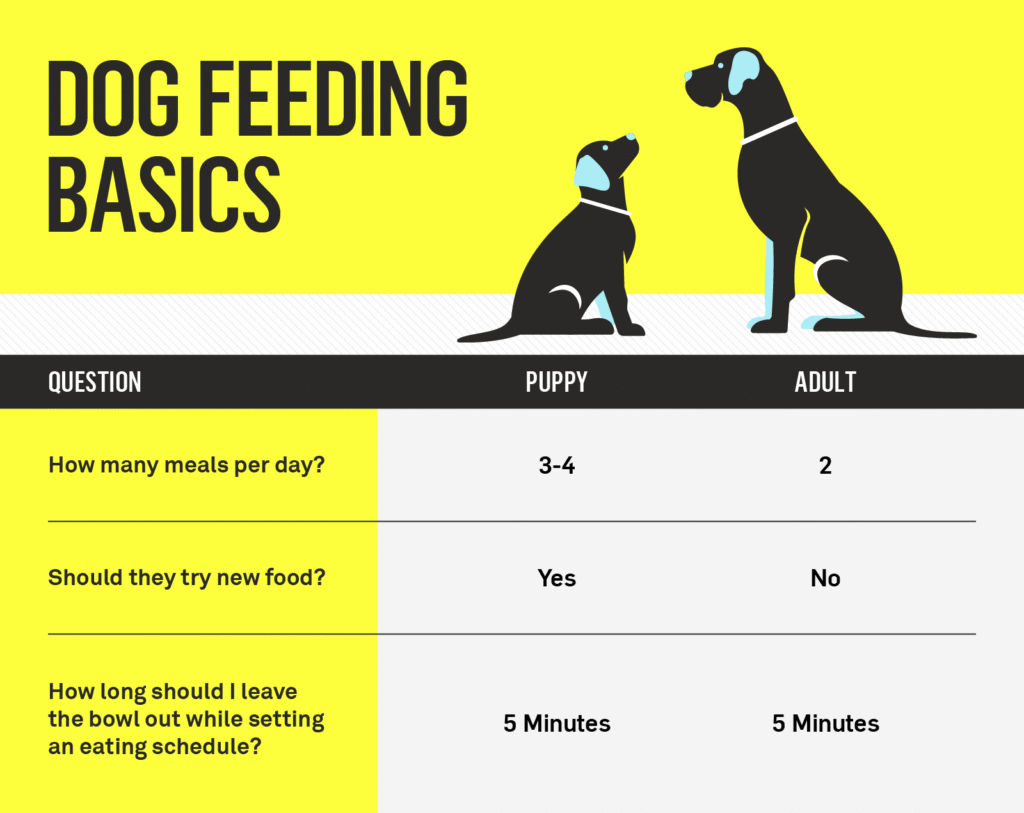
Adult dogs usually eat less than puppies. Start by feeding smaller amounts than puppy food. Watch your dog’s weight and energy to adjust portions. Split daily food into two meals for better digestion. Avoid free feeding to prevent overeating and obesity.
Check your dog’s body condition regularly. If your dog gains weight, reduce food slightly. If your dog seems hungry or loses weight, increase portions slowly. Keep fresh water available at all times. Feeding your dog the right amount helps keep them happy and healthy.
When To Consult A Veterinarian
Knowing the right time to switch your dog to adult food is important. Sometimes, your dog may need special care during this change. A veterinarian can guide you through this process to keep your dog healthy.
Health Concerns During Transition
Some dogs may face stomach problems when changing food. Vomiting, diarrhea, or loss of appetite can happen. If these signs last more than a few days, see a vet. They can suggest ways to make the change easier. Pets with existing health issues need careful monitoring.
Special Dietary Needs
Dogs with allergies or medical conditions need special diets. A vet can recommend the right food type and nutrients. Puppies with slow growth or weight problems also need advice. This helps prevent future health problems. Following professional advice ensures your dog gets proper nutrition.
Credit: www.walmart.com
Frequently Asked Questions
When Should Puppies Switch To Adult Dog Food?
Puppies usually switch to adult dog food at 12 months. Large breeds may transition later, around 18-24 months. This change supports their slower growth and nutritional needs.
Why Is Age Important For Feeding Adult Dog Food?
Age determines a dog’s growth and energy needs. Feeding adult food too early can cause nutrient imbalance. Proper timing ensures healthy development and maintenance.
Can Small Breeds Switch To Adult Food Earlier?
Yes, small breeds often mature faster. They can switch to adult food around 9-12 months. This helps meet their adult energy and nutrient requirements sooner.
What Risks Come From Early Adult Food Feeding?
Feeding adult food too soon may lead to nutrient deficiencies. Puppies might miss essential growth nutrients. It can also cause digestive issues or poor development.
Conclusion
Dogs usually start eating adult food around one year old. Puppies need special food to grow strong and healthy. Switching too early can upset their stomachs. Watch your dog’s size and energy for signs to change food. Talk to your vet for advice on the best time.
Feeding the right food helps your dog live a happy life. Keep your dog’s needs in mind and make the switch carefully. This way, your dog stays healthy and active for years.


