

Grooming your dog isn’t just about keeping them looking good—it’s about keeping them healthy and happy too. When you know how to groom your dog properly, you can spot problems early and make your furry friend feel comfortable and loved.
Whether your dog has long, fluffy fur or a short, sleek coat, this guide will show you simple steps to make grooming easy and stress-free for both of you. Ready to learn how to keep your dog clean, comfortable, and wagging their tail with joy?
Let’s get started!
Choosing The Right Tools
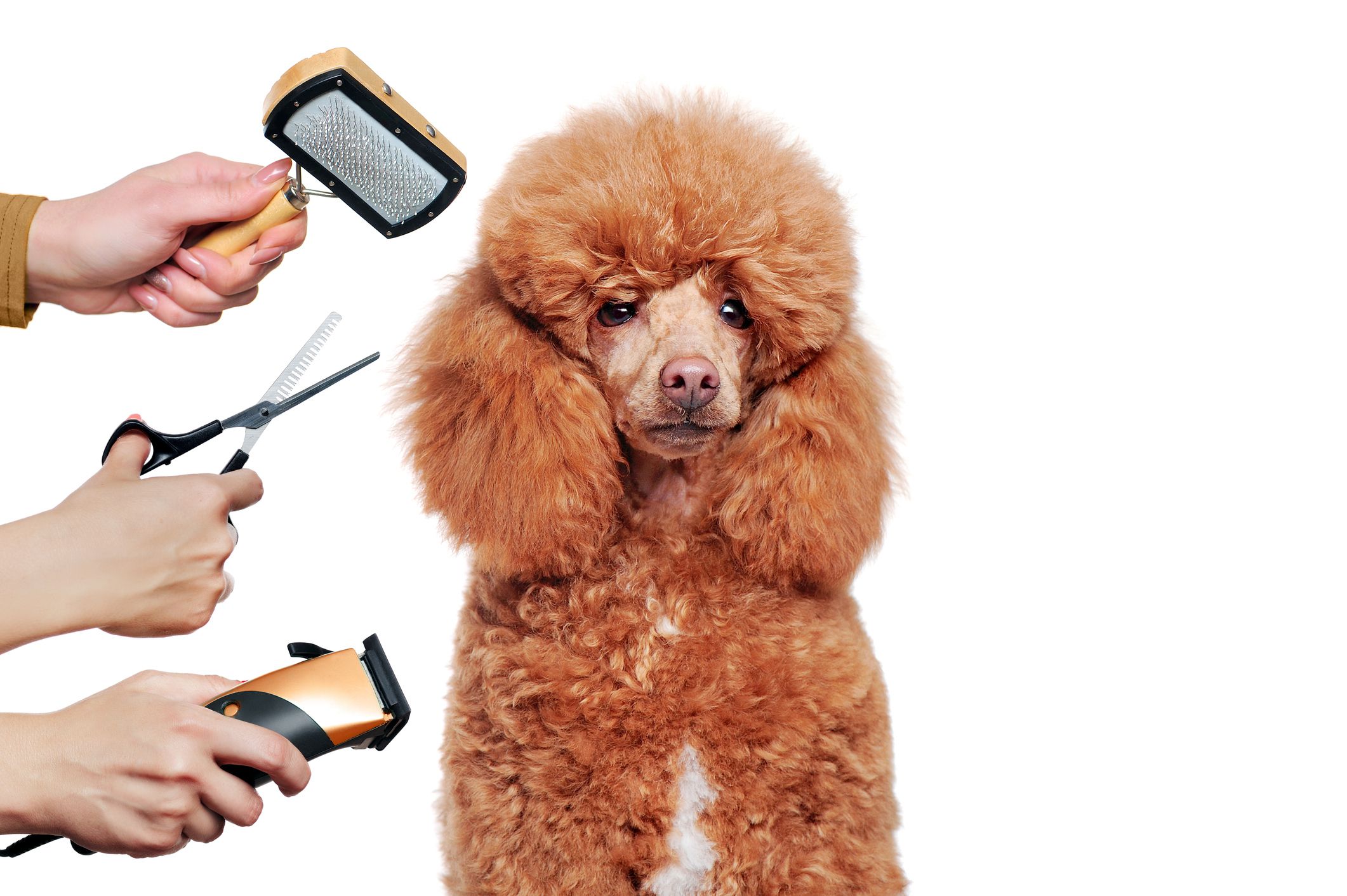
Choosing the right tools is key to a smooth grooming session. Each dog’s coat needs a special approach. The right tools make grooming easier and safer. This section helps you pick what suits your dog best.
Brush Types For Different Coats
Short-haired dogs need a soft bristle brush. It removes loose hair and dirt gently. Medium coats do well with a slicker brush. It helps detangle and remove dead fur. Long or curly coats need a pin brush. It reaches deep to prevent mats. For thick double coats, use an undercoat rake. It clears loose underfur without hurting the skin.
Essential Grooming Supplies
Start with a quality dog shampoo made for their skin. Nail clippers help keep nails short and neat. Ear cleaners remove dirt and avoid infections. A grooming comb checks for small tangles and debris. Towels dry your dog after a bath quickly. Keep treats nearby to reward good behavior during grooming.
When To Use Clippers And Scissors
Clippers trim thick or long hair fast and evenly. Use them on areas that mat easily, like the belly or behind ears. Scissors are good for delicate trimming around the face and paws. Use blunt-tipped scissors for safety. Always go slow to avoid cutting the skin. Clippers need sharp blades and quiet motors to keep dogs calm.

Credit: lifehacker.com
Bathing Your Dog
Bathing your dog is an important part of pet care. It keeps your dog clean and healthy. Bath time also helps reduce odors and remove dirt. Dogs enjoy feeling fresh and comfortable. Proper bathing protects your dog’s skin and fur from damage. Use the right techniques to make bath time easy and safe.
Selecting The Best Shampoo
Choose a shampoo made for dogs only. Human shampoos can irritate their skin. Look for gentle formulas that suit your dog’s coat type. Sensitive skin needs mild and fragrance-free shampoos. Avoid products with harsh chemicals or strong perfumes. Natural ingredients like oatmeal and aloe vera help soothe skin. Always read the label before buying shampoo.
Bathing Frequency Tips
Bathe your dog based on their lifestyle and breed. Dogs with oily skin may need more baths. Dry or sensitive skin dogs need fewer baths. Usually, once a month is enough for most dogs. Too much bathing can dry out skin and fur. Check your dog’s smell and dirt level to decide.
Proper Drying Techniques
Use a clean towel to dry your dog after the bath. Gently rub to remove excess water from the fur. For long-haired dogs, use a blow dryer on low heat. Keep the dryer moving to avoid hot spots. Make sure your dog is completely dry to prevent skin problems. Dry ears carefully to avoid infections.
Brushing Techniques
Brushing your dog’s coat is key to keeping it clean and healthy. It removes dirt and loose hair. It also helps spread natural oils for a shiny coat. Using the right brushing techniques makes grooming easier for both you and your dog. It keeps your dog comfortable and happy during the process.
How Often To Brush
Brush your dog based on its coat type. Short-haired dogs need brushing once or twice a week. Long-haired dogs benefit from daily brushing. Puppies may need gentle brushing more often. Regular brushing stops mats and tangles from forming. It also helps spot skin issues early.
Detangling Knots Safely
Start detangling knots with a wide-tooth comb or your fingers. Hold the fur close to the skin to avoid pulling. Work from the ends of the fur toward the skin slowly. Use gentle strokes to loosen knots. For tough mats, use a detangling spray made for dogs. Cut mats only if necessary, and be very careful.
Reducing Shedding
Brush your dog often to catch loose fur early. Use undercoat rakes or deshedding tools for thick coats. Brushing removes dead hair before it falls off. This keeps your home cleaner. Regular brushing also improves air flow on the skin. It helps reduce shedding over time.
Credit: www.cheapism.com
Nail And Ear Care
Proper nail and ear care keeps your dog healthy and comfortable. These areas often get overlooked but need regular attention. Clean ears prevent infections and trimmed nails stop pain and injury. Gentle care helps your dog stay calm and happy during grooming.
Trimming Nails Without Stress
Use sharp, dog-specific nail clippers for best results. Hold your dog’s paw gently but firmly. Cut small bits at a time to avoid hitting the quick. The quick is the sensitive part inside the nail. If you cut it, your dog will feel pain and bleed. Praise your dog after each trim. Use treats to create a positive experience. Stop if your dog shows stress and try again later.
Cleaning Ears Safely
Use a vet-approved ear cleaner made for dogs. Apply the cleaner to a cotton ball, not directly in the ear. Gently wipe the ear’s inside without pushing too deep. Never use cotton swabs inside the ear canal. They can damage delicate ear parts. Clean ears once a week or as needed. Watch your dog’s reaction; stop if they seem uncomfortable.
Signs Of Infection To Watch For
Look for redness or swelling inside the ears. Foul smell or dark discharge also signals infection. Your dog may scratch ears or shake its head often. Excessive ear wax or crusts are warning signs. If you see these symptoms, visit your vet. Early treatment prevents serious ear problems. Regular checks help catch infections early.
Maintaining Healthy Skin
Healthy skin is key to your dog’s overall well-being. It protects your dog from infections and keeps the coat shiny. Regular care helps catch problems early and keeps your dog comfortable. Understanding how to maintain healthy skin is important for every dog owner.
Identifying Skin Issues
Check your dog’s skin often during grooming. Look for redness, bumps, or dry patches. Scratching or licking can also signal skin problems. Bad smell or hair loss needs attention. Early detection helps prevent serious issues.
Diet And Coat Health
Your dog’s diet affects skin and coat quality. Foods rich in omega-3 and omega-6 fats support skin health. Fresh water is also important for hydration. Avoid feeding foods with too many fillers or artificial ingredients. Balanced nutrition keeps the coat soft and shiny.
When To Visit The Vet
Visit the vet if skin issues do not improve in a few days. Severe itching, swelling, or open sores need professional care. The vet can diagnose allergies, infections, or parasites. Timely treatment prevents discomfort and helps your dog heal faster.

Credit: forevervets.com
Professional Grooming Insights
Professional grooming offers valuable care beyond home routines. Experts bring skills to handle different dog breeds and coat types. They notice skin issues and signs of discomfort early. Regular visits to a groomer keep your dog healthy and happy.
When To Seek Expert Help
Choose professional grooming if your dog has thick or long fur. Mats and tangles can hurt your pet’s skin. Certain breeds need special haircuts that require skill. Dogs with sensitive skin or allergies benefit from expert care. Also, visit a groomer if your dog shows fear or anxiety during grooming.
Preparing Your Dog For Grooming
Help your dog get used to grooming at home first. Brush your dog gently to reduce tangles. Let your dog sniff grooming tools to feel safe. Use calm voices and offer treats to ease stress. Short practice sessions make grooming easier over time.
Benefits Of Regular Grooming Appointments
Regular grooming keeps your dog’s coat shiny and clean. It prevents painful matting and skin infections. Groomers check ears, teeth, and nails for health problems. Grooming also reduces shedding inside your home. Your dog feels more comfortable and looks great too.
Frequently Asked Questions
How Often Should I Groom My Dog?
Groom your dog every 4 to 6 weeks to maintain coat health. Regular grooming prevents matting and reduces shedding. Frequency depends on breed, coat type, and lifestyle.
What Tools Are Essential For Dog Grooming?
Essential tools include a brush, comb, nail clippers, and shampoo. Use breed-specific brushes for best results. Always have towels and ear-cleaning solution handy.
Can Grooming Improve My Dog’s Health?
Yes, grooming helps detect skin issues, parasites, and infections early. It promotes better circulation and reduces allergens. Regular grooming supports overall well-being.
How Do I Safely Trim My Dog’s Nails?
Use sharp, dog-specific nail clippers and trim small amounts. Avoid cutting the quick, which causes pain and bleeding. If unsure, seek professional help.
Conclusion
Grooming your dog keeps them healthy and happy. Regular brushing removes dirt and loose fur. It also helps you spot any skin problems early. Bathing your dog with gentle shampoo keeps their coat clean. Trimming nails prevents pain and injury.
Don’t forget to check ears and teeth often. A calm, gentle approach makes grooming easier for both of you. Take small steps and be patient. Your dog will enjoy the care and attention. Healthy grooming habits build a strong bond with your pet.
Keep it simple and consistent for best results.


