Bringing a new puppy home is exciting, but the first night can feel overwhelming. You want your furry friend to feel safe, comfortable, and loved from the very start.
How can you make sure your puppy settles in without stress or tears? This guide will give you simple, practical tips to help you and your puppy enjoy a smooth first night together. Keep reading—your puppy’s happy, calm night awaits!

Credit: www.harringtonspetfood.com
Preparing Your Home
Preparing your home for a new puppy is important. It helps your puppy feel safe and comfortable. A good start makes the first night easier for both of you. Setting up the right space and having the right supplies ready can reduce stress. Also, making your home safe keeps your puppy out of trouble.
Safe Space Setup
Create a quiet and cozy area for your puppy. Use a crate or a small room to keep them calm. Add soft bedding and a blanket with your scent. This space should be away from loud noises and heavy foot traffic. It helps your puppy feel secure and less scared.
Puppy Supplies Checklist
Gather all needed items before your puppy arrives. Include food and water bowls, puppy food, and treats. Have a collar, leash, and ID tag ready. Keep chew toys and a soft bed nearby. Don’t forget cleaning supplies for accidents.
Puppy-proofing Tips
Remove small objects your puppy can swallow. Hide electrical cords and block off dangerous areas. Keep cleaning products and medicines out of reach. Secure trash bins and store sharp items safely. Check your home from a puppy’s perspective to spot risks.
Managing Puppy Anxiety
Managing a puppy’s anxiety on their first night is very important. Puppies feel scared and confused in new places. They need comfort and patience to settle down. Helping them feel safe can make the night easier for both of you. Here are some tips to calm your new friend.
Comfort Items To Bring
Bring your puppy’s favorite blanket or toy. These items have familiar smells. They remind your puppy of home or their mother. A soft bed helps too. Comfort items give a sense of safety. They reduce fear and stress during the night.
Soothing Sounds And Scents
Soft background noise can calm a puppy’s nerves. Try a ticking clock or quiet music. These sounds mimic a heartbeat or calm environment. Use a warm, cozy scent like lavender nearby. Scents can relax and reduce anxiety. Avoid strong or strange smells that might scare your puppy.
Staying Calm And Patient
Your puppy watches your mood closely. Stay calm and speak softly. Use gentle movements and slow actions. Patience helps your puppy trust you. Don’t rush or get frustrated if your puppy cries. Comfort and time help them adjust to their new home.
Sleep Arrangements
Setting up good sleep arrangements helps your puppy feel safe and calm. A proper sleeping space reduces stress and helps your puppy rest well. This section covers how to choose the right bed, find the ideal sleeping spot, and set a bedtime routine.
Choosing The Right Bed
Pick a bed that fits your puppy’s size comfortably. Soft beds with raised sides offer security and warmth. Avoid beds that are too big or too small. Washable covers make cleaning easier. Choose a bed with materials safe for chewing puppies.
Ideal Sleeping Location
Select a quiet, warm, and draft-free spot for your puppy’s bed. Avoid busy areas with loud noises. A corner or small room works well. Keep the bed away from direct sunlight or heaters. The spot should feel cozy and safe.
Establishing A Bedtime Routine
Create a calm routine before bedtime. Dim the lights and reduce noise levels. Offer a bathroom break before sleep. Use a soft voice to soothe your puppy. Consistent bedtime helps build good habits and better sleep.
Feeding And Bathroom Needs
Bringing a puppy home is exciting and a bit overwhelming. Feeding and bathroom needs are key parts of their care. These needs affect your puppy’s comfort and your routine. Understanding how to handle feeding times and bathroom breaks helps your puppy settle in faster.
First Night Feeding Tips
Offer a small meal a few hours before bedtime. Use the same food the puppy ate before arriving. Avoid large meals to prevent stomach upset. Fresh water should be available at all times. Feeding at regular times helps set a routine early on.
Potty Training Basics
Puppies need to go often, especially after eating or sleeping. Take your puppy to the same potty spot each time. Use gentle praise when they go outside. Never punish accidents inside the house. Patience and consistency build good bathroom habits.
Nighttime Bathroom Breaks
Expect your puppy to need bathroom breaks during the night. Set an alarm to take them out once or twice. Keep the area quiet and calm to avoid waking the puppy fully. Nighttime trips are short and simple to help them return to sleep fast.
Handling Crying And Whining
Bringing a new puppy home can be exciting and a little challenging. One common challenge is handling crying and whining during their first night. Puppies cry because they feel scared, lonely, or uncomfortable. Understanding how to respond helps your puppy feel safe and start trusting you.
When To Respond
Not all crying needs immediate attention. Sometimes puppies cry to get attention or out of habit. Watch your puppy closely. If the crying sounds urgent or different, check on them quickly. Calm reassurance can help. If the crying is just for attention, wait a few moments before responding.
Comforting Techniques
Speak softly to calm your puppy. Use gentle petting to show you care. Try placing a warm blanket or a soft toy near them for comfort. A ticking clock can mimic a heartbeat and soothe your puppy. Keep the room quiet and dim to help your puppy relax.
Avoiding Reinforcement Of Bad Habits
Do not pick up your puppy every time they cry. This can teach them crying gets attention. Instead, wait for a pause in crying, then offer calm praise. Avoid loud noises or sudden movements that might scare them more. Consistency helps your puppy learn calm behavior.

Credit: pupford.com
Bonding And Playtime
Bonding and playtime are key for a puppy’s first night at home. These moments help your new friend feel safe and loved. Gentle play builds a strong connection. It also makes your puppy more comfortable in the new space. Early bonding sets the stage for good behavior later on.
Gentle Interaction Ideas
Start with soft petting and calm voices. Let your puppy sniff your hand before touching. Use slow movements to avoid startling them. Speak in a soothing tone to create trust. Offer a small treat to encourage positive feelings. Avoid loud noises or sudden actions during this time.
Short Play Sessions
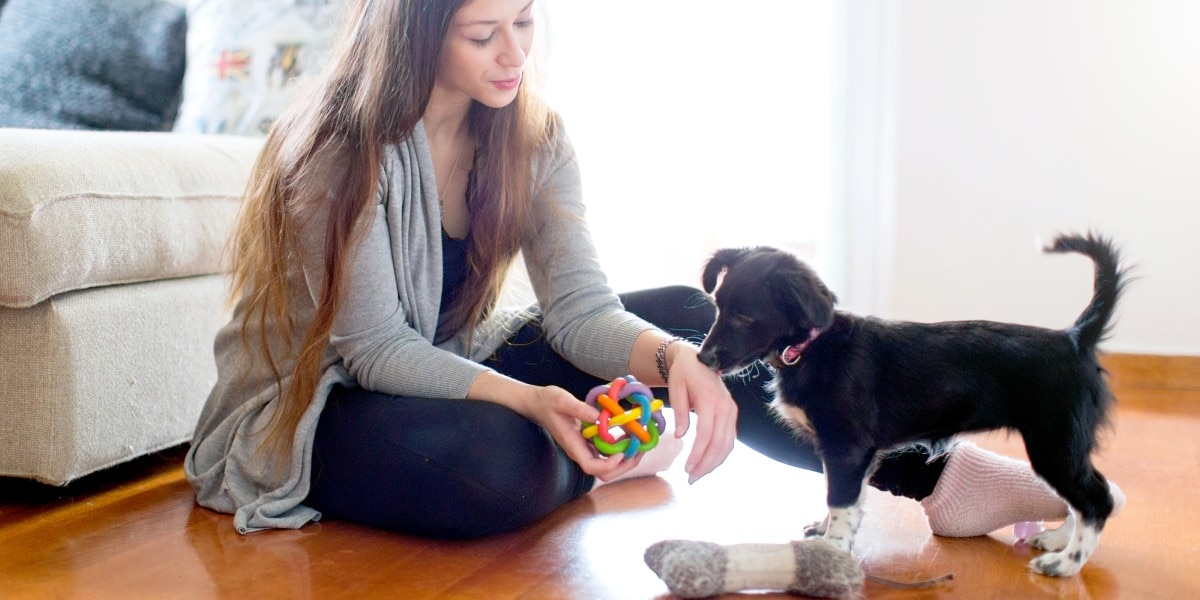
Keep playtime brief, around five to ten minutes. Use simple toys like soft balls or small ropes. Watch your puppy’s energy and stop if they seem tired. Short sessions prevent overstimulation and help them relax. Play should be fun but not overwhelming or stressful.
Building Trust Quickly
Be patient and consistent with your puppy. Respond gently to their needs and signals. Create a routine with feeding, play, and rest times. Praise calm behavior to encourage good habits. Trust grows with quiet care and steady attention. Your puppy will soon feel safe and happy at home.
Health And Safety Precautions
Bringing a new puppy home is exciting but requires careful attention to health and safety. Your puppy needs a safe space to rest and feel secure. Setting up a healthy environment helps prevent accidents and illness. Early care can shape your puppy’s well-being for years.
Emergency Contacts
Keep a list of important phone numbers near your puppy’s area. Include your regular vet, an emergency animal hospital, and a poison control center. Quick access to these contacts can save your puppy’s life. Also, share this list with family members or housemates.
Monitoring For Signs Of Distress
Watch your puppy closely for unusual behavior or symptoms. Signs like vomiting, diarrhea, coughing, or constant whining are warning signals. Look for difficulty breathing or extreme lethargy as well. Early detection helps you act fast and prevent serious issues.
When To Call The Vet
Call your vet immediately if your puppy shows any severe symptoms. These include persistent vomiting, bleeding, or seizures. If your puppy stops eating or drinking for more than 24 hours, seek help. Trust your instincts; it’s better to be safe than sorry.
Credit: www.purina.com
Frequently Asked Questions
How To Prepare My Home For A Puppy’s First Night?
Prepare a quiet, safe space with a cozy bed for your puppy. Remove hazards and provide water nearby. Create a comforting environment to reduce anxiety and promote restful sleep.
What Should I Expect During My Puppy’s First Night?
Expect some whining and restlessness as your puppy adjusts. They may need bathroom breaks and reassurance. Patience and gentle comfort will help them settle in comfortably.
How Can I Help My Puppy Feel Safe At Night?
Use a crate or small confined area with familiar toys and a blanket. Keep a nightlight on and maintain a calm atmosphere to ease separation anxiety.
When Should I Take My Puppy Outside During The Night?
Take your puppy outside immediately if they whine or show signs of needing to go. Frequent bathroom breaks every 2-3 hours are typical during the first night.
Conclusion
Welcoming a new puppy is exciting and full of learning. Keep their first night calm and safe. Prepare a cozy space with familiar smells. Stay close but give them room to settle. Patience helps your puppy feel secure and loved.
Small steps build trust and good habits. Each night will get easier for both of you. Enjoy these first moments together—they matter a lot. Your care shapes a happy, confident dog. Keep doing your best, and your puppy will thrive.