
How often should your dog be groomed? It’s a question every dog owner wonders about.
Grooming isn’t just about keeping your pet looking good—it’s essential for their health and happiness. If you’re unsure when to schedule that next grooming session, you’re not alone. You’ll discover simple, clear guidelines tailored to your dog’s breed, size, and lifestyle.
By the end, you’ll know exactly how to keep your furry friend clean, comfortable, and thriving. Ready to learn the grooming secrets that can make a big difference in your dog’s life? Let’s dive in.
Credit: www.summitdogandcat.com
Importance Of Regular Grooming
Regular grooming is key to keeping dogs happy and healthy. It goes beyond just making your dog look nice. Grooming helps spot problems early and keeps your dog comfortable every day. Clean fur and skin reduce risks of infections and other health issues. It also builds a strong bond between you and your pet. Consistent grooming ensures your dog stays clean and cared for.
Health Benefits For Dogs
Grooming helps remove dirt and loose hair from your dog’s coat. It improves blood flow and promotes healthy skin. Regular brushing spreads natural oils that keep fur shiny and soft. Grooming also helps catch fleas, ticks, or wounds early. These small checks can prevent bigger health problems later on.
Preventing Skin Issues
Frequent grooming stops mats and tangles that hurt your dog’s skin. Mats trap moisture and dirt, causing irritation or infection. Grooming keeps the skin dry and clean, reducing itchiness and redness. It also helps spot allergies or unusual bumps. Early care means less pain and faster healing for your dog.
Enhancing Comfort And Appearance
Grooming removes excess hair, making your dog feel cooler in warm weather. It keeps nails trimmed, preventing pain and walking trouble. Clean ears and eyes reduce discomfort and infections. A neat, groomed dog looks healthy and feels good. Regular grooming shows you care and keeps your dog happy.
Factors Influencing Grooming Frequency
Grooming frequency varies for each dog. Many factors affect how often a dog needs grooming. Understanding these helps keep dogs clean and healthy.
Breed And Coat Type
Different breeds have different coat types. Some have short hair that needs less grooming. Others have long, thick fur requiring frequent brushing. Curly or double coats may tangle easily. Regular grooming prevents mats and skin problems. Knowing your dog’s coat type guides grooming habits.
Age And Health Conditions
Puppies need gentle and less frequent grooming. Older dogs may require more care and attention. Health problems like arthritis can affect grooming needs. Dogs with skin allergies may need special products. Monitor health to adjust grooming schedules properly.
Activity Level And Environment
Active dogs get dirtier faster. Dogs playing outside need more baths and brushing. Dogs living indoors stay cleaner longer. Weather also influences grooming needs. Wet or muddy conditions require quicker cleaning. Tailor grooming to your dog’s lifestyle and surroundings.
Grooming Needs By Coat Type
Dogs have different grooming needs based on their coat type. Each coat requires special care to stay healthy and clean. Understanding these needs helps keep your dog comfortable and looking good.
Short-haired Dogs
Short-haired dogs need grooming less often. Brushing once a week removes loose hair and dirt. Bathing every 4 to 6 weeks keeps their skin clean. Nail trimming and ear cleaning are important parts of grooming too. Short coats are easier to care for but still need regular attention.
Long-haired Dogs
Long-haired dogs need more frequent grooming. Brushing daily prevents mats and tangles. Mats can pull on the skin and cause pain. Bathing every 4 weeks helps keep the coat shiny. Long coats trap dirt and debris easily. Regular trims keep the coat healthy and neat.
Curly And Double Coats
Curly and double coats require special care. Curly coats need brushing several times a week to avoid mats. Double coats shed seasonally and need extra brushing during these times. Bathing every 6 to 8 weeks is usually enough. Proper grooming helps control shedding and keeps the skin healthy.
Basic Grooming Tasks
Basic grooming tasks keep your dog healthy and happy. Regular care helps prevent skin problems, infections, and discomfort. It also strengthens the bond between you and your pet. Simple routines can make a big difference in your dog’s overall well-being.
Here are the essential grooming tasks every dog needs.
Brushing And Dematting
Brushing removes loose hair and dirt from your dog’s coat. It prevents mats and tangles that can hurt your dog’s skin. Use a brush suitable for your dog’s fur type. Brush gently but thoroughly, focusing on problem areas. Dematting tools help carefully separate tight knots.
Bathing And Drying
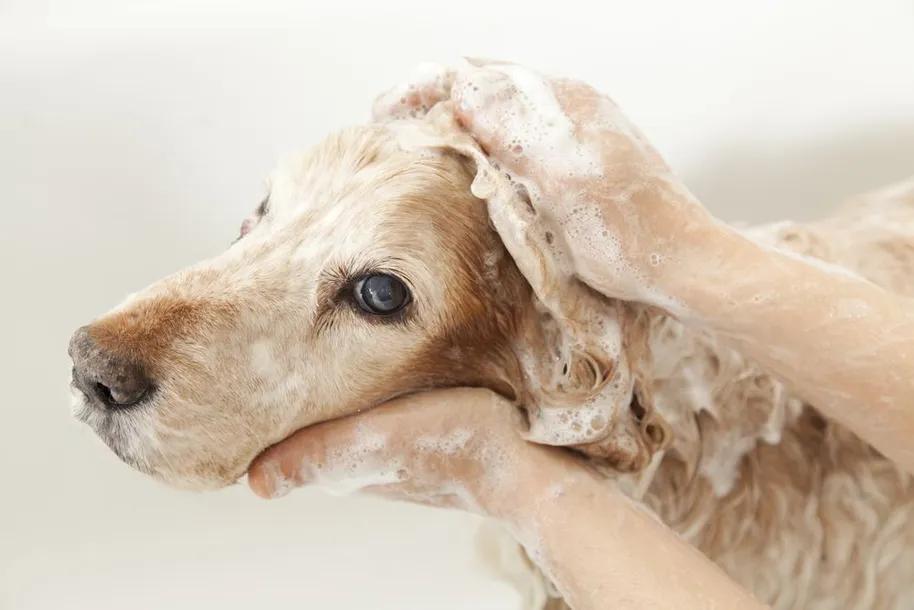
Bath your dog every few weeks or as needed. Use dog-friendly shampoo to avoid skin irritation. Rinse well to remove all soap. Dry your dog with a towel or blow dryer on low heat. Keep your dog warm until fully dry to prevent chills.
Nail Trimming And Paw Care
Trim your dog’s nails regularly to prevent overgrowth and pain. Use sharp nail clippers made for pets. Check paws for cuts, cracks, or foreign objects. Clean paws with a damp cloth after walks. Healthy paws help your dog move comfortably.
Ear Cleaning And Dental Care
Clean your dog’s ears to prevent infections and wax buildup. Use a vet-approved ear cleaner and cotton balls. Avoid deep cleaning inside the ear canal. Brush your dog’s teeth daily or several times a week. Dental care reduces bad breath and tooth problems.
Signs Your Dog Needs Grooming
Dogs need regular grooming to stay healthy and happy. Not all dogs show clear signs when they need a grooming session. Knowing the signs helps you care for your dog better. Watch closely for changes in your dog’s coat and skin.
Matting And Tangles
Knots and mats in your dog’s fur mean grooming is overdue. These tangles can pull on the skin and cause pain. Matted fur traps dirt and moisture, leading to infections. Regular brushing helps avoid these problems.
Unpleasant Odors
A bad smell coming from your dog often signals a grooming need. Dirt, oils, and sweat build up over time. Baths and cleaning keep your dog smelling fresh. Persistent odors might mean skin issues requiring attention.
Excessive Shedding
Shedding happens naturally, but too much hair on your floor is a warning. Excessive shedding may mean your dog needs brushing or a bath. It can also indicate skin dryness or allergies. Grooming helps manage shedding and keeps fur healthy.
Skin Irritations
Redness, bumps, or dry patches show your dog needs grooming care. Irritations can come from dirt, parasites, or allergies. Regular grooming helps spot these issues early. It also soothes your dog’s skin and prevents discomfort.

Credit: groomroom.ae
Diy Grooming Tips
Grooming your dog at home can save money and build a strong bond. It keeps your dog healthy and happy. Follow simple steps to make grooming easy and safe for both of you.
Choosing The Right Tools
Select tools based on your dog’s coat type. Use a slicker brush for long hair and a bristle brush for short hair. Nail clippers, grooming scissors, and a comb are must-haves. Keep tools clean and sharp to avoid hurting your dog.
Creating A Comfortable Grooming Space
Pick a quiet, well-lit spot. Use a non-slip mat or towel under your dog. Keep all tools within reach to avoid stress. Have treats nearby to reward your dog during the process. Keep the area calm and free of distractions.
Handling Nervous Or Active Dogs
Start slowly to build trust. Speak softly and use gentle movements. Take breaks if your dog feels scared or restless. Use treats and praise to encourage good behavior. If needed, ask for help from a friend to hold your dog gently.
When To Visit A Professional Groomer
Knowing when to visit a professional groomer helps keep your dog healthy and happy. Regular grooming at home is good, but some tasks need expert care. Professional groomers have the right tools and skills to handle these jobs safely. They can spot issues that might go unnoticed by pet owners. Scheduling visits at the right times supports your dog’s well-being and comfort.
Benefits Of Professional Grooming
Professional groomers clean and trim your dog’s coat with care. They reduce mats and tangles that cause pain. Groomers check for skin problems, ear infections, or parasites early. Regular visits improve your dog’s hygiene and smell. Experts also trim nails properly, preventing discomfort or injury. Grooming sessions help dogs feel relaxed and look their best.
Specialized Grooming Services
Professional groomers offer services beyond basic washing and brushing. They provide breed-specific cuts that suit your dog’s coat type. Some groomers handle teeth cleaning to fight bad breath and disease. Others offer flea treatments or medicated baths for skin problems. Groomers can also clean ears deeply and safely. These special services keep dogs healthier and more comfortable.
Finding A Trusted Groomer
Choose a groomer with good reviews and experience. Ask about their training and handling of different breeds. Visit the salon to see cleanliness and how staff treat dogs. Check if they have emergency plans in case your dog reacts badly. A trusted groomer listens to your needs and respects your dog’s limits. Building a good relationship makes grooming easier for your pet.

Credit: usapetgrooming.com
Seasonal Grooming Adjustments
Seasonal grooming changes help keep dogs healthy all year. Each season brings new needs for their coat and skin. Adjusting grooming routines prevents problems and keeps pets comfortable. Pay attention to how weather affects your dog’s grooming needs.
Summer Grooming Tips
Trim your dog’s fur shorter in summer. This helps them stay cool and avoid heat stress. Brush often to remove loose hair and dirt. Check for ticks and fleas after outdoor walks. Use dog-safe sunscreen on exposed skin. Provide fresh water and shade during hot days.
Winter Grooming Considerations
Keep your dog’s coat longer in winter for warmth. Avoid shaving down to the skin. Brush regularly to prevent mats and tangles. Dry your dog well after walks to stop chills. Check paws for cracks or ice buildup. Use paw balm to protect against salt and cold surfaces.
Frequently Asked Questions
How Often Should I Groom My Dog?
Most dogs need grooming every 4 to 8 weeks. Frequency varies by breed, coat type, and lifestyle. Regular grooming keeps your dog healthy, clean, and comfortable. It also helps prevent matting, skin issues, and shedding.
Does Grooming Frequency Depend On Dog Breed?
Yes, grooming needs differ by breed. Long-haired breeds require more frequent grooming than short-haired dogs. Some breeds need professional grooming every 4 to 6 weeks. Others may only need basic brushing weekly and baths monthly.
Can I Groom My Dog At Home?
You can groom your dog at home if you have the right tools and knowledge. Basic grooming includes brushing, bathing, nail trimming, and ear cleaning. For complex grooming tasks, professional groomers are recommended to avoid injuries.
How Does Grooming Affect My Dog’s Health?
Regular grooming improves your dog’s skin and coat health. It helps detect parasites, infections, and abnormalities early. Grooming reduces shedding and prevents painful mats. Clean ears and trimmed nails prevent infections and discomfort.
Conclusion
Regular grooming keeps your dog healthy and happy. Different breeds need different grooming schedules. Short-haired dogs need less frequent grooming than long-haired ones. Check your dog’s coat and skin often for dirt or mats. Clean ears and trim nails help prevent problems.
Set a grooming routine that fits your dog’s needs. A clean dog feels good and looks great too. Keep grooming simple and consistent for best results. Your dog will thank you with a wagging tail.


