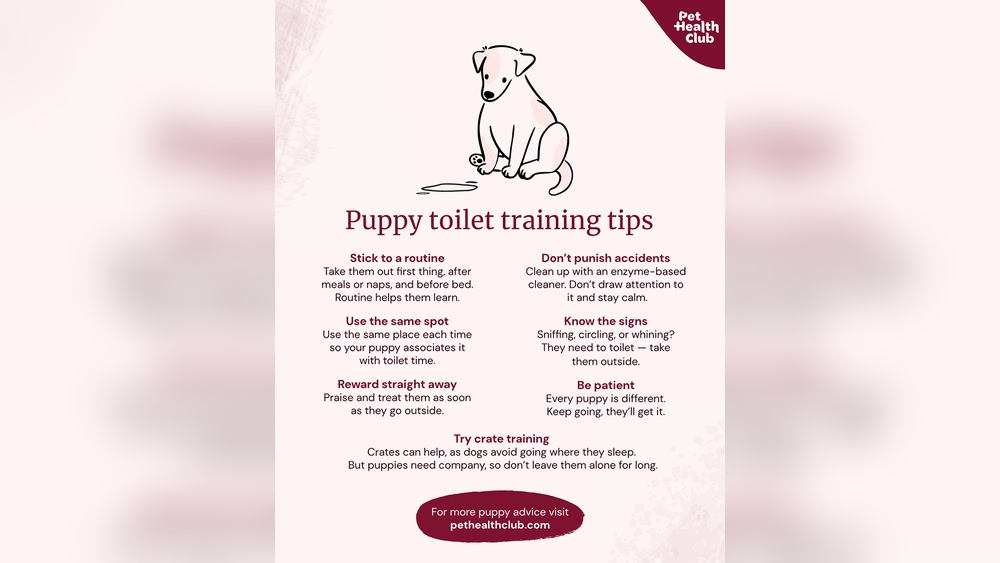
Potty training your puppy can feel like a big challenge, but it doesn’t have to be frustrating. Imagine having a clean house and a happy puppy who knows exactly where to go.
You’re just a few simple steps away from making that a reality. You’ll discover easy, practical tips that work—and you’ll learn how to avoid common mistakes that slow down progress. Ready to make potty training smooth and stress-free for both you and your puppy?
Let’s dive in!

Credit: petcareadvisorusa.com
Choosing The Right Spot
Choosing the right spot for your puppy’s potty training is very important. The place you pick helps your puppy learn faster. Puppies like clear signals about where to go. A good spot makes training easier for both of you.
Indoor Vs Outdoor Potty Areas
Deciding between indoor and outdoor potty spots depends on your living situation. Indoor potty areas work well in apartments or bad weather. Use puppy pads or indoor grass patches for this. Outdoor spots are best for houses with yards. Fresh air and natural scents help puppies learn quickly.
Consistency In Location
Always use the same potty spot for your puppy. This helps your puppy remember the right place. Changing locations causes confusion and slows training. Take your puppy to the spot every time they need to go. This builds a strong habit and speeds up learning.
Establishing A Routine
Establishing a routine is key to potty training a puppy. Puppies learn best with consistency. A set schedule helps your puppy understand when and where to go. It reduces accidents and builds good habits. Start by organizing your daily activities around your puppy’s needs. This creates a sense of security and trust.
Feeding Schedule Impact
Feeding your puppy at the same times every day controls their bathroom habits. A regular feeding schedule helps predict when your puppy will need to go out. Avoid free-feeding, which means leaving food out all day. Instead, offer meals at set times. This makes potty times more predictable and easier to manage.
Regular Potty Breaks
Take your puppy outside often, especially after eating or drinking. Puppies have small bladders and need frequent breaks. Schedule potty breaks every two hours at first. Praise your puppy immediately after they go outside. This positive reinforcement teaches them what you expect. Regular breaks prevent accidents and speed up training.
Recognizing Puppy Signals
Recognizing your puppy’s signals is key to successful potty training. Puppies cannot tell you when they need to go. You must watch for signs that show their need. Observing these signals helps prevent accidents inside the house. It also builds trust between you and your puppy. Learning to read your puppy’s behavior makes training easier and faster.
Common Signs To Watch
Puppies show clear signs when they need to go outside. Sniffing the floor or circling is a common signal. Some puppies whine or bark to get your attention. Others may suddenly stop playing and look restless. Moving toward the door or a usual potty spot is a strong hint. Watching for these signs helps you act before accidents happen.
Responding Quickly
Act fast when you see your puppy’s signals. Take them outside right away to their potty spot. Praise your puppy warmly after they go outside. This teaches them that going outside is good. Quick response builds a strong habit for your puppy. Ignoring signals can confuse your puppy and cause accidents. Stay patient and consistent for best results.
Positive Reinforcement Techniques
Positive reinforcement is a great way to teach your puppy where to potty. It helps your puppy learn good habits by rewarding the right actions. This method builds trust and makes training fun. Your puppy will want to repeat good behavior because it feels good to them.
Using Treats Effectively
Treats are powerful rewards during potty training. Give a small, tasty treat immediately after your puppy goes potty outside. Timing is key. The puppy must connect the treat with the action. Use treats that your puppy loves but save them only for training. This keeps treats special and more motivating.
Do not overfeed treats. Balance treats with regular food. Use treats to encourage your puppy to go outside. Avoid giving treats if accidents happen inside. This prevents confusion and helps your puppy learn faster.
Verbal Praise And Affection
Verbal praise is another strong motivator. Use a happy, clear voice to say “Good potty!” right after your puppy finishes outside. Puppies respond well to kind words. Combine praise with petting or gentle hugs. This shows your puppy you are pleased.
Keep your tone upbeat and warm. Avoid scolding or negative words during training. Positive words and affection create a safe learning space. Your puppy will feel loved and want to please you more often.
Handling Accidents Calmly
Accidents are a normal part of puppy potty training. Staying calm helps your puppy learn better. Reacting with anger or frustration can confuse your puppy. Gentle handling builds trust and encourages good habits.
Cleaning Methods To Avoid Re-marking
Use an enzyme cleaner to remove all urine smells. Regular household cleaners do not break down the scent. If your puppy smells urine, it may go there again. Clean the area thoroughly to stop repeat accidents. Avoid using ammonia-based cleaners, as they smell like urine to dogs.
Avoiding Punishment
Never punish your puppy for accidents. Puppies do not understand punishment linked to accidents. Punishing causes fear and can slow training progress. Focus on praise when your puppy goes outside. Use treats and kind words to encourage good behavior.
Crate Training Benefits
Crate training offers many benefits for potty training puppies. It helps your puppy learn bladder control by limiting their space. Puppies usually avoid soiling their sleeping area. This makes the crate a helpful tool for teaching good habits. The crate also keeps your puppy safe and reduces accidents in the house. It creates a quiet, cozy spot where your puppy feels secure. With patience and consistency, crate training speeds up potty training success.
Choosing The Right Crate Size
Select a crate size that fits your puppy comfortably. The crate should be big enough to stand, turn, and lie down. Avoid a crate that is too large. Too much space may encourage your puppy to potty in one corner. A snug crate feels like a den and helps your puppy relax. Measure your puppy before buying a crate to ensure the best fit.
Crate Scheduling Tips
Set a consistent schedule for crate time and potty breaks. Puppies need frequent bathroom trips after eating, drinking, and playing. Take your puppy outside right after you let them out of the crate. Limit crate time to avoid stress or boredom. Gradually increase crate time as your puppy grows. Always praise your puppy for good behavior inside the crate and outdoors.
Troubleshooting Common Issues
Potty training a puppy can be challenging. Many owners face common problems that slow progress. Understanding these issues helps you stay calm and patient.
Knowing how to handle setbacks keeps training on track. Troubleshooting common problems makes the process smoother. The right approach helps your puppy learn faster.
Dealing With Stubbornness
Some puppies resist potty training at first. They may ignore signals or refuse to go outside. Stay calm and consistent with routines. Use gentle praise to encourage good behavior.
Avoid punishment, which can cause fear or confusion. Keep potty times regular to build habits. Offer treats immediately after success to reinforce learning.
Short, frequent training sessions work best. Patience is key when a puppy acts stubborn. Consistency helps them understand what you want.
Managing Regression Periods
Puppies may have setbacks after making progress. Regression is normal during growth and changes. Don’t get frustrated or angry during these times.
Review your training steps and maintain routines. Clean accidents thoroughly to remove odors. This prevents repeated mistakes in the same spot.
Increase supervision to catch signs early. Reward good potty behavior to motivate your puppy. Remember, patience and persistence lead to success.
Credit: caredogs.blog
Tools And Products To Help
Potty training a puppy needs patience and the right tools. Using helpful products makes the process easier for both you and your puppy. These tools guide your puppy and keep your home clean.
Potty Pads And Trainers
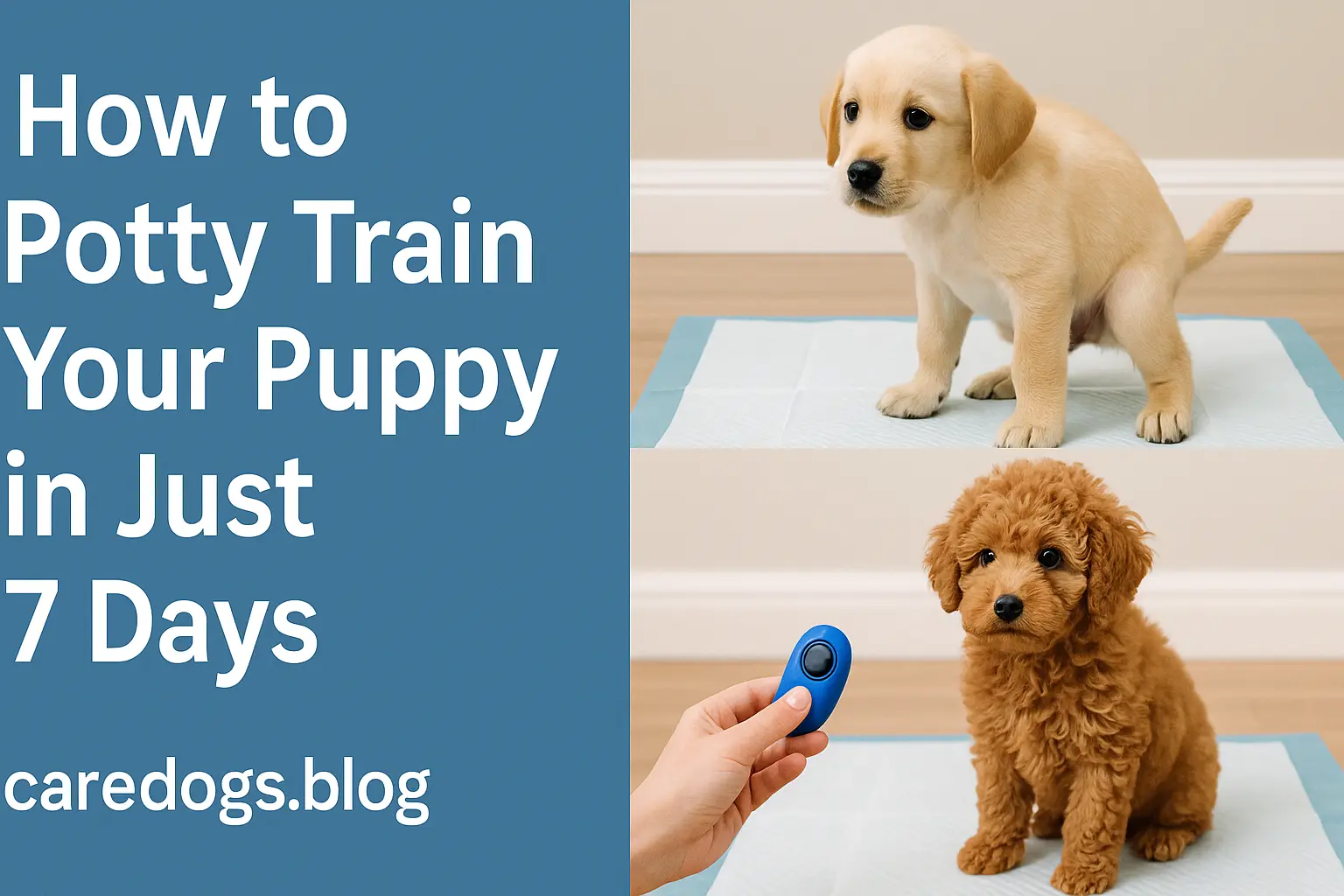
Potty pads provide a clear spot for your puppy to go. They absorb urine and reduce mess. Place them where your puppy spends most time. Trainers help teach your puppy to use the right spot. Some trainers use scents to attract your puppy. This helps your puppy learn faster.
Cleaning Supplies
Cleaning up accidents quickly stops your puppy from returning to the same spot. Use enzyme cleaners to remove all smells. Regular cleaners may leave odors that attract puppies back. Keeping the area clean helps your puppy learn good habits. Always have cleaning supplies ready during training.

Credit: m.youtube.com
Frequently Asked Questions
How Long Does Puppy Potty Training Usually Take?
Puppy potty training typically takes 4 to 6 months. Consistency, patience, and positive reinforcement speed up the process effectively. Every puppy learns at its own pace, so adapt training methods as needed for best results.
What Are The Best Potty Training Methods For Puppies?
Effective methods include crate training, scheduled potty breaks, and rewarding good behavior. Use consistent commands and supervise your puppy closely. Positive reinforcement encourages quick learning and reduces accidents.
How Often Should I Take My Puppy Outside To Potty?
Take your puppy outside every 1 to 2 hours, especially after eating or drinking. Frequent trips help establish routine and prevent accidents. Puppies have small bladders and need regular bathroom breaks to succeed.
What Are Common Potty Training Mistakes To Avoid?
Avoid punishment, inconsistent schedules, and ignoring accidents. These mistakes confuse puppies and delay training. Stay patient, use clear commands, and reward successes to create positive potty habits.
Conclusion
Potty training a puppy takes time and patience. Keep routines simple and consistent. Praise your puppy for good behavior. Watch for signs they need to go outside. Clean accidents quickly to avoid repeat spots. Stay calm and never punish mistakes.
Celebrate small wins to build trust. Your puppy will learn with love and care. Enjoy the journey of raising a well-trained dog.