Bringing a corgi puppy into your home is exciting, but training them can feel overwhelming. You want your furry friend to grow into a well-behaved, happy companion.
The good news? With the right tips, you can make training simple and even fun for both of you. Imagine having a corgi that listens, follows commands, and fits perfectly into your daily life. Keep reading to discover easy, effective training tips that will help your puppy thrive and make your bond stronger than ever.
Preparing For Your Corgi Puppy
Preparing for your Corgi puppy sets the stage for a happy life together. Early preparation helps your puppy feel safe and loved. It also makes training easier and more effective.
Choosing The Right Supplies
Select basic supplies before bringing your Corgi home. Get a collar and leash in the right size. Pick food and water bowls that are easy to clean. Buy puppy food made for small breeds. Choose toys that are safe and durable. Don’t forget a comfy bed for rest.
Creating A Safe Space
Set up a quiet area for your puppy to relax. Use baby gates or playpens to block unsafe zones. Remove items that could harm your puppy. Make sure the space has fresh water and bedding. This spot becomes your puppy’s safe retreat.
Setting A Training Schedule
Plan consistent times for meals, potty breaks, and play. Stick to the schedule daily for best results. Short, frequent training sessions keep your puppy focused. Use simple commands and reward good behavior. Routine helps your Corgi learn faster and feel secure.
Basic Commands To Start With
Starting with basic commands is key to training your Corgi puppy well. These commands build good habits and clear communication. They help your puppy understand what you expect. Training sessions should be short and fun. Keep a calm and patient tone. Use treats and praise to encourage learning.
Teaching Sit And Stay
Begin with the “Sit” command. Hold a treat above your puppy’s nose. Slowly move it back over their head. Most dogs will sit naturally. Say “Sit” clearly as they do this. Give the treat and praise immediately. Repeat this several times daily.
Next, teach “Stay.” Ask your puppy to sit first. Show your open hand and say “Stay.” Step back slowly. If the puppy stays, reward with a treat. Increase the distance and time gradually. Always keep calm and patient.
Introducing Come And Heel
The “Come” command helps keep your puppy safe. Use a happy voice and say “Come.” Show a treat or toy to attract them. When your puppy comes, give the reward and praise. Practice this in a quiet space first.
“Heel” means your puppy walks beside you. Hold a treat near your side. Say “Heel” and start walking. Encourage your puppy to stay close. Reward them often during training. Keep sessions short to hold attention.
Mastering Down And Leave It
Teach “Down” after your puppy knows “Sit.” Hold a treat in your hand near the floor. Move it slowly away from your puppy’s nose. Say “Down” as they lie down. Give the treat and praise quickly.
“Leave It” stops your puppy from grabbing things. Show a treat in a closed fist. Say “Leave It.” Wait until your puppy stops trying. Reward them with a different treat from the other hand. Repeat this to build control.
Housebreaking Techniques
Housebreaking a Corgi puppy takes patience and clear steps. Teaching your puppy where to go potty helps keep your home clean. It also builds good habits early on. Consistency is key for success in housebreaking.
Establishing A Potty Routine
Set regular times for your puppy to go outside. Take your Corgi out after meals, naps, and playtime. Choose a quiet spot for potty breaks. Praise your puppy with kind words when they go outside. Routine helps your puppy learn faster and avoid accidents.
Using Crate Training Effectively
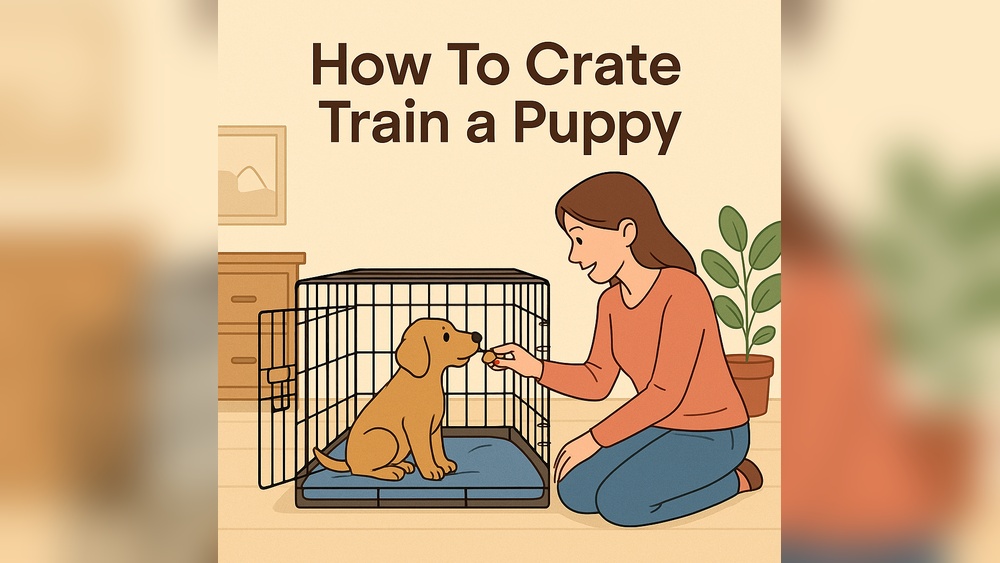
Use a crate as a safe space for your puppy. Make sure the crate is just big enough to stand and turn around. Puppies avoid soiling where they sleep. Keep the crate time short at first. Let your puppy out often for bathroom breaks.
Handling Accidents Calmly
Accidents will happen during training. Do not yell or punish your puppy. Clean the mess with an enzyme cleaner to remove smells. Stay calm and guide your puppy back outside. Calm handling helps your puppy feel safe and learn better.

Credit: www.reddit.com
Socializing Your Corgi Puppy
Socializing your Corgi puppy is a key part of their training. It helps them grow into friendly and confident dogs. Early social experiences shape how your puppy behaves around people, pets, and new places. Start socializing as soon as your puppy gets their first vaccines. This sets a strong foundation for good behavior and reduces fear or aggression later.
Introducing New People And Pets
Introduce your Corgi puppy to new people gently and often. Use calm voices and slow movements. Let your puppy sniff and explore at their own pace. Meeting other dogs is just as important. Make sure the other pets are friendly and healthy. Short, supervised play sessions help your puppy learn good social skills.
Exposure To Different Environments
Take your Corgi puppy to many places early on. Parks, busy streets, and quiet gardens all offer new sights and sounds. This exposure helps your puppy get used to changes and stay calm. Carry treats and toys to make new places fun. Keep outings short and positive to avoid stress.
Managing Shyness Or Fear
Some Corgi puppies may feel shy or scared around new things. Watch your puppy’s body language closely. Give them space and time to adjust. Use gentle praise and treats to reward brave behavior. Avoid forcing your puppy into uncomfortable situations. Patience helps build trust and confidence over time.
Dealing With Common Behavior Issues
Training a Corgi puppy involves patience and understanding. Common behavior issues can challenge new owners. Addressing these problems early helps create a happy, well-behaved dog. Clear guidance and consistent rules make training easier. Below are tips for handling typical behavior problems in Corgi puppies.
Preventing Biting And Nipping
Corgi puppies explore the world with their mouths. Biting and nipping are normal at first. Teach your puppy that biting hurts. Use a firm “no” or a gentle yelp to stop the bite. Offer chew toys to redirect biting behavior. Reward your puppy when it plays gently. Avoid rough play that encourages biting.
Reducing Excessive Barking
Corgis are naturally vocal dogs. Barking can become a problem if uncontrolled. Identify what triggers your puppy to bark. Use calm commands to quiet your dog. Praise your puppy when it stops barking on command. Provide enough exercise to reduce boredom. Teach the “quiet” command with patience and rewards.
Addressing Chewing Problems
Chewing helps puppies relieve teething discomfort. Wrong chewing can destroy belongings. Provide plenty of safe chew toys. Keep shoes and important items out of reach. When your puppy chews something wrong, say “no” firmly. Replace the item with a chew toy. Praise your puppy for chewing the right objects.
Advanced Training Tips
Advanced training helps your Corgi puppy learn better and faster. It builds on basic commands and improves behavior. These tips focus on ways to make training clear and fun. Training with kindness and patience brings great results.
Try these methods to deepen your puppy’s skills and attention. Each step supports strong habits and good manners.
Using Positive Reinforcement
Positive reinforcement means rewarding good behavior. Use treats, praise, or play as rewards. This encourages your puppy to repeat good actions. Avoid punishment, which can confuse or scare your puppy. Reward right after the desired action to link them clearly. This method builds trust and eagerness to learn.
Incorporating Clicker Training
Clicker training uses a small sound device to mark correct behavior. The click tells your puppy exactly when it does something right. Follow the click with a treat to reinforce the action. This method sharpens your puppy’s focus. It helps teach complex commands step by step. Clicker training is simple and effective for smart Corgis.
Building Consistency And Patience
Consistency means giving the same commands and rewards every time. It helps your puppy understand what you want. Practice regularly, even for short periods. Patience is key; puppies learn at their own speed. Avoid rushing or showing frustration. Stay calm and positive to keep training fun. This approach builds a strong bond and lasting habits.
Maintaining Long-term Success
Training a Corgi puppy is just the start. Long-term success needs ongoing effort. Consistency and patience help keep good habits alive. Your puppy learns best in a positive environment. Training should grow with your puppy’s needs and abilities.
Keeping Training Fun
Training stays effective when it is enjoyable. Use treats, toys, and praise often. Short sessions keep your puppy focused. Change activities to avoid boredom. Happy puppies learn faster and behave better.
Adapting Techniques As Your Puppy Grows
Puppies change quickly. Training methods should adjust too. Young puppies need simple commands and lots of breaks. Older puppies can handle longer sessions and complex tasks. Watch your puppy’s mood and energy levels. Tailor your approach to fit their stage.
Monitoring Progress And Setting Goals
Track your puppy’s learning regularly. Note what they do well and what needs work. Set small, clear goals for each week. Celebrate achievements, no matter how small. Clear goals keep training focused and rewarding.

Credit: www.reddit.com

Credit: www.reddit.com
Frequently Asked Questions
How Do I Start Training A Corgi Puppy?
Begin training your Corgi puppy early with basic commands like sit and stay. Use positive reinforcement and short sessions to keep them engaged. Consistency and patience are key for effective training.
What Is The Best Age To Train A Corgi Puppy?
Start training your Corgi puppy as early as 8 weeks old. Early training helps develop good habits and social skills. Puppies learn quickly at this age, making it ideal for basic obedience training.
How Can I Stop My Corgi Puppy From Biting?
Redirect biting behavior by offering chew toys and praising gentle play. Avoid harsh punishments; instead, use calm, firm commands. Consistent training and socialization reduce biting tendencies over time.
How Often Should I Train My Corgi Puppy Daily?
Train your Corgi puppy in short, frequent sessions—about 5 to 10 minutes, 2 to 3 times daily. This keeps their attention and prevents frustration. Regular practice helps reinforce learning and good behavior.
Conclusion
Training your Corgi puppy takes patience and consistency. Small steps lead to great progress. Keep sessions short and fun to hold their interest. Praise good behavior often to encourage learning. Stay calm and clear with commands every time. Remember, every puppy learns at their own pace.
Enjoy the journey of raising a happy, well-behaved Corgi. Your effort will build a strong bond and a loyal friend. Training can be simple with the right approach. Keep going—you and your puppy can do this!