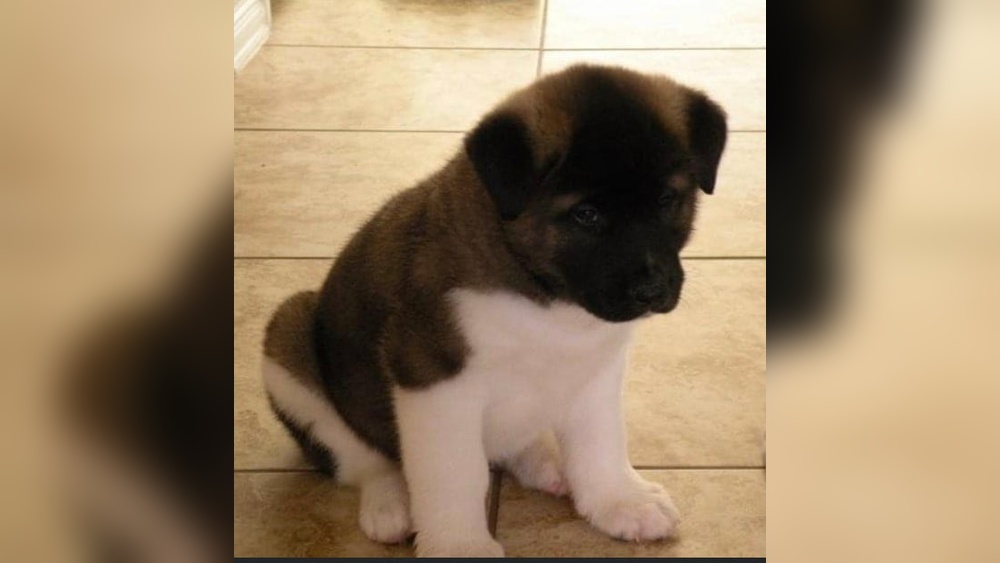
Training your new puppy can feel overwhelming, but what if you had simple, proven tips straight from a dog whisperer to guide you? Imagine understanding your puppy’s needs and behavior so well that training becomes a fun and rewarding experience for both of you.
You’ll discover easy-to-follow strategies that make teaching your puppy feel natural and effective. Ready to turn your puppy into a well-behaved companion? Keep reading to unlock the secrets every dog owner wishes they knew from the start.
Choosing The Right Puppy
Choosing the right puppy is the first step to happy training. It shapes your experience and your dog’s future behavior. Each puppy has unique needs and traits. Picking one that fits your lifestyle makes training easier and more fun.
Breed Traits To Consider
Different breeds have different energy levels and learning abilities. Some dogs need lots of exercise. Others prefer calm environments. Think about your daily routine and space. Choose a breed that matches your activity and living area. This helps avoid problems later.
Assessing Temperament
Temperament shows how a puppy reacts to new things. Watch for signs of shyness or boldness. Friendly puppies often adapt faster to training. Quiet puppies might need gentle encouragement. Spend time with each puppy before deciding. This helps you find one that suits your personality.
Preparing Your Home
Set up a safe space for your puppy. Remove hazards like wires and small objects. Create a quiet corner with a bed and toys. A prepared home helps the puppy feel secure. It also reduces stress during training sessions.
Building A Strong Bond
Building a strong bond with your puppy is the first step in training. This bond creates a foundation of love and respect. It helps your puppy feel safe and eager to learn. A strong bond also makes training sessions more effective and enjoyable for both of you.
Positive Interaction Techniques
Use gentle touches and kind words often. Play games that your puppy enjoys. Reward good behavior with treats or praise. Avoid punishment, as it can break trust. Positive moments build a happy connection fast.
Establishing Trust Early
Be patient and consistent from day one. Meet your puppy’s needs for food, rest, and affection. Keep your actions calm and predictable. Let your puppy explore safely and learn your voice. Trust grows when your puppy feels secure with you.
Consistent Communication
Use simple commands and repeat them clearly. Show what you want with your body language. Always respond the same way to the same behavior. This helps your puppy understand and follow rules. Clear communication prevents confusion and frustration.
Basic Obedience Commands
Teaching basic obedience commands to your puppy sets the stage for good behavior. These commands help your puppy understand what you expect. They also build trust and communication between you and your dog. Consistent training creates a calm and happy pet.
Sit
The “sit” command is one of the easiest for puppies to learn. It teaches your dog to stay still and focused. To train, hold a treat close to their nose. Move your hand up, letting their head follow the treat. This action makes their bottom lower. The moment they sit, say “sit” and give the treat. Repeat often. Short sessions work best.
Stay
“Stay” teaches your puppy to remain in one place. Start with your dog sitting. Show your open palm and say “stay.” Take a small step back. If the puppy stays, reward immediately. Increase the time and distance slowly. Always return to your dog before giving a treat. This command helps with safety and control.
Come
The “come” command calls your puppy to you. Use a happy tone and say “come.” Gently pull on the leash if needed. Reward your puppy with praise and treats when they reach you. Practice in safe, quiet areas. This command keeps your dog close and safe outdoors.
Leash Training Basics
Leash training helps your puppy walk calmly beside you. Start indoors with a short leash. Let your puppy explore but stay close. Use treats to encourage walking by your side. Stop and stand still if the puppy pulls. Wait until the leash is loose again. Keep sessions short and positive. This training stops pulling and makes walks pleasant.
Using Rewards Effectively
Rewards motivate your puppy to learn fast. Use small, tasty treats your puppy loves. Give the treat right after the desired behavior. Praise with a happy voice. Avoid giving treats too often or too late. Mix treats with petting and play as rewards. This method keeps your puppy eager and focused on training.
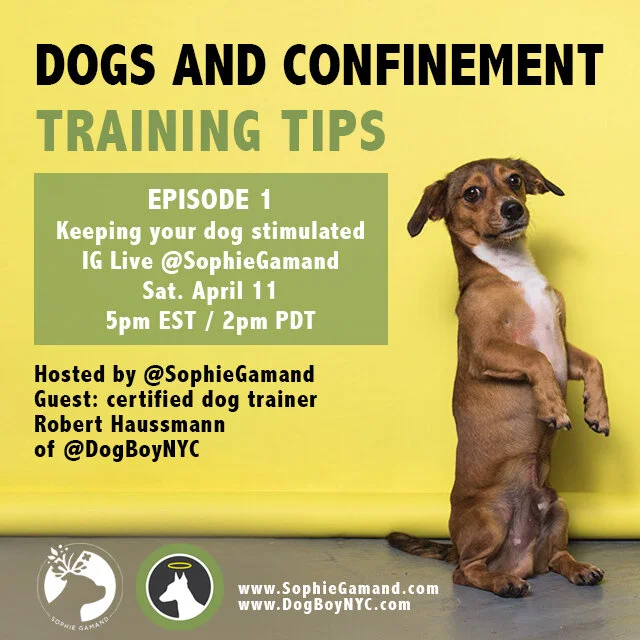
Credit: www.sophiegamand.com
House Training Strategies
House training is a key step in raising a well-behaved puppy. It helps your dog learn where to go potty. Consistency and patience make this process smoother for both you and your puppy. The following tips focus on simple, effective strategies that many dog whisperers recommend.
Setting A Routine
Puppies thrive on routine. Take your puppy outside at the same times daily. Early morning, after meals, and before bedtime are good moments. A regular schedule helps your puppy understand when and where to go.
Watch for signs your puppy needs to go. Sniffing or circling often means it’s time. Promptly take your puppy outside to prevent accidents inside.
Crate Training Benefits
A crate offers your puppy a safe space. Dogs naturally avoid soiling their sleeping area. Use the crate to teach bladder control and patience. Keep the crate comfortable and never use it for punishment.
Short crate sessions help your puppy adjust. Gradually increase the time spent inside. This method reduces accidents and builds good habits.
Handling Accidents
Accidents happen. Stay calm and avoid punishment. Clean the area thoroughly to remove odors. This prevents your puppy from returning to the same spot.
Redirect your puppy to the correct place gently. Praise your puppy when they go outside. Positive reinforcement encourages good behavior.
Addressing Common Behavioral Issues
Puppy training brings many joys and challenges. Addressing common behavioral issues early helps build a strong bond. Puppies learn fast, but some habits need careful correction.
Understanding typical problems guides your training approach. Patience and consistency shape your puppy’s good behavior. Here are simple tips to handle common puppy issues.
Biting And Nipping
Puppies explore the world with their mouths. Biting and nipping is normal but needs control. Teach your puppy gentle play by redirecting bites to toys.
Use a firm “no” sound to show biting hurts. Praise your puppy when they chew toys instead of fingers. This teaches what is okay to bite.
Excessive Barking
Some puppies bark too much to get attention or out of fear. Ignore barking that seeks attention. Reward quiet behavior to encourage calmness.
Provide enough exercise to reduce excess energy. Use simple commands like “quiet” and reward obeying. This helps your puppy learn when to stop barking.
Separation Anxiety
Many puppies feel scared when left alone. Start leaving your puppy alone for short times. Gradually increase the time to build confidence.
Give toys or treats to comfort your puppy when you leave. Avoid long goodbyes; keep departures calm and quiet. This reduces stress and helps your puppy stay calm alone.
Socialization Tips
Socialization is key for a happy, confident puppy. It helps dogs learn how to behave around others. Good social skills reduce fear and aggression. Start early to make your puppy comfortable in many situations. Here are some simple tips to help you socialize your puppy well.
Introducing To Other Pets
Introduce your puppy to other pets slowly. Choose calm animals for first meetings. Keep the encounters short and positive. Watch their body language closely. Praise your puppy for calm behavior. Avoid forcing interactions if either pet seems scared. Gradually increase time spent together. This helps build good relationships with other animals.
Exposure To New Environments
Take your puppy to different places often. Parks, streets, and pet-friendly stores work well. Let your puppy explore new sights and sounds. Keep your dog on a leash for safety. Praise your puppy for staying calm. Short trips prevent overwhelming your puppy. Variety helps your dog feel safe anywhere.
Handling Fear And Aggression
Fear and aggression can harm social skills. Stay calm if your puppy acts scared or growls. Remove your dog from the situation gently. Use treats to reward calm behavior. Teach your puppy simple commands like “sit” or “stay.” Practice these commands in many settings. Consistent training helps reduce fear and aggression over time.
Advanced Training Techniques
Advanced training techniques help puppies learn faster and behave better. These methods build on basic commands and add new skills. They also solve common behavior problems with gentle, clear steps. Using these techniques, you can deepen your bond with your puppy and enjoy training sessions more.
Clicker Training
Clicker training uses a small device that makes a clicking sound. The click marks the exact moment your puppy does something right. This helps your puppy understand which actions earn rewards. It makes training clear and fun. You can teach many commands with clicker training quickly.
Teaching Tricks
Teaching tricks is more than fun. Tricks improve your puppy’s focus and listening skills. Start with simple ones like “shake” or “spin.” Use treats and praise to encourage your puppy. Keep sessions short and positive. Tricks help puppies use their minds and burn energy.
Problem-solving Approaches
Problem-solving approaches fix unwanted behaviors calmly. First, identify what causes the problem. Then, change the environment or your actions. For example, redirect chewing to toys instead of shoes. Reward good choices to encourage them. This method teaches puppies to think and choose well.

Credit: www.youtube.com
Maintaining Training Progress
Maintaining training progress is key to raising a well-behaved puppy. Training is not just a one-time event. It takes ongoing effort to keep your puppy learning and growing. Consistency helps your puppy understand what you expect. It builds a strong bond between you and your dog. Regular practice and positive reinforcement keep good habits alive. Adjusting training as your puppy grows ensures the lessons stay relevant and effective.
Regular Practice Sessions
Short and frequent training sessions work best. Puppies have short attention spans. Practicing commands daily helps them remember better. Use simple commands like sit, stay, and come. Keep sessions fun to hold your puppy’s interest. Repetition builds confidence and skill. Avoid long sessions that tire or bore your puppy.
Adapting As Puppy Grows
Puppies change quickly as they grow. Training should change with their age and ability. Increase challenges slowly to keep your puppy engaged. Teach new commands that match their development. Adjust techniques if your puppy struggles. Growth means your puppy can learn more complex behaviors. Stay patient and observe their progress closely.
Rewarding Good Behavior
Rewards motivate puppies to repeat good actions. Use treats, praise, and petting as rewards. Give rewards immediately after the right behavior. This helps your puppy connect action and reward. Avoid punishing mistakes; focus on encouraging success. Praise makes your puppy feel safe and loved. Consistent rewards strengthen positive habits over time.

Credit: www.today.com
Frequently Asked Questions
How Does A Dog Whisperer Train Puppies Effectively?
A dog whisperer uses calm communication, body language, and positive reinforcement. This approach builds trust and encourages good behavior naturally.
What Are The Best Puppy Training Tips From Experts?
Consistency, patience, and socialization are key. Reward good behavior, set clear boundaries, and expose puppies to new experiences safely.
How Can I Stop My Puppy From Biting?
Redirect biting to chew toys immediately. Praise gentle play and avoid harsh punishments to teach bite inhibition effectively.
When Should Puppy Training Begin For Best Results?
Start training as soon as you bring your puppy home. Early training helps develop good habits and prevents behavior issues.
Conclusion
Training a puppy takes patience and kindness. Small steps build strong habits. Consistency helps your dog learn faster. Praise good behavior to encourage repeats. Avoid harsh words or punishment; it confuses puppies. Enjoy the journey with your furry friend. Each day brings new progress and joy.
Stay calm and keep training simple. Your puppy will grow into a well-behaved dog. Trust the process and love your pet.