

Training your dog to pee on a pad can save you a lot of stress and mess. If you’ve been struggling with accidents around the house, this guide is exactly what you need.
Imagine having a clean, fresh-smelling home and a happy pup who knows exactly where to go. You’ll learn simple, step-by-step methods that anyone can follow, no matter your dog’s age or breed. Keep reading, and you’ll discover easy tips that make potty training a smooth and even rewarding experience for both you and your furry friend.
Choosing The Right Pee Pad
Choosing the right pee pad helps your dog learn quickly where to go. A good pee pad keeps your home clean and your dog comfortable. Selecting the right material and size matters. Placing the pad in the best spot also makes training easier. These small steps make a big difference in training success.
Material And Size Options
Pee pads come in different materials. Some have extra absorption layers to hold more liquid. Others have a waterproof bottom to protect floors. Choose one with good quality to prevent leaks. The size should match your dog’s size. Small dogs need smaller pads, big dogs need larger ones. Using the right size avoids mess and confusion.
Best Locations For Placement
Pick a quiet, low-traffic spot for the pad. Dogs prefer calm places to do their business. Avoid noisy or busy areas that may scare your dog. Keep the pad near the door if you want to train outside later. Consistency helps your dog remember where to go. Change the location slowly if needed to avoid confusion.
:strip_icc()/potty-pad-training-4178382-hero-413f0c1f54ef4a89a18f79d60818f805.jpg)
Credit: www.thesprucepets.com
Preparing Your Dog For Training
Preparing your dog for pee pad training is the first step to success. It sets clear expectations and helps your dog learn faster. Dogs respond well to consistency and clear signals. Prepare your dog by creating a calm and positive environment. This makes training easier for both of you.
Establishing A Routine
Dogs thrive on routine. Set specific times for bathroom breaks and stick to them. Take your dog to the pad after meals, naps, and playtime. Consistent timing helps your dog understand when and where to pee. A steady routine builds good habits quickly.
Using Positive Reinforcement
Praise and rewards encourage good behavior. Give treats and kind words when your dog pees on the pad. Avoid punishment for mistakes; it can cause fear and confusion. Positive reinforcement makes your dog want to repeat the good behavior. Keep rewards immediate and consistent for best results.
Introducing The Pee Pad
Introducing the pee pad is the first step to help your dog learn where to go. It gives your dog a clear spot to pee inside the house. Using a pee pad can save your floors and make cleaning easier. Your dog will feel more comfortable knowing the right place to pee. This guide shows simple ways to introduce the pee pad to your dog.
Encouraging Exploration
Place the pee pad in a quiet, easy-to-reach spot. Let your dog sniff and explore the pad freely. Use a calm voice and gentle petting to encourage your dog. Avoid forcing your dog onto the pad. Watch your dog’s reaction and give praise for interest. This helps your dog feel safe with the new item.
Guiding Your Dog To The Pad
Lead your dog to the pad at times they usually need to pee. Use a command like “Go potty” to build understanding. Stay close and wait patiently near the pad. If your dog pees on the pad, give a treat and lots of praise. Repeat this often to strengthen the habit. Consistency will help your dog learn quickly.
Reinforcing Good Behavior
Reinforcing good behavior is key to training your dog to pee on the pad. It helps your dog understand what you expect. Positive reinforcement builds trust and encourages your dog to repeat the right actions. Consistency and patience make this process easier for both of you.
Reward Techniques
Use treats to reward your dog immediately after they pee on the pad. Small, tasty treats work best because dogs love them. Praise your dog with a happy tone and gentle petting. This shows your dog that they did something good. You can also use a clicker to mark the exact moment your dog pees on the pad. Repeat rewards often to build a strong habit.
Managing Accidents Calmly
Accidents happen during training. Stay calm and avoid yelling or punishment. Clean the area well to remove smells that attract your dog. Ignore the accident and guide your dog back to the pad gently. Calm reactions help your dog feel safe and learn faster. Patience during accidents supports steady progress.
Adjusting Training For Different Ages
Training a dog to pee on a pad requires different methods depending on the dog’s age. Puppies and adult dogs have unique needs and behaviors. Adjusting your approach helps make training faster and easier. Understanding these differences improves your dog’s learning experience.
Puppies Vs. Adult Dogs
Puppies need frequent bathroom breaks. Their bladders are small and weak. Take them to the pad every 30 to 60 minutes. Praise them loudly when they use the pad. Be patient with accidents; they are normal at this stage.
Adult dogs have better bladder control. They can wait longer between breaks. Some may already know basic potty rules. Use consistent commands and rewards. Adults may take a few days to adjust to the pad.
Special Considerations
Some dogs have health issues affecting training. Older dogs may have weaker bladders or arthritis. Adjust training time and pad placement for comfort. Use gentle encouragement to build confidence.
Breed size also matters. Small dogs may struggle with large pads. Choose the right pad size to fit your dog. Always clean the pad area well to avoid smells.
:strip_icc()/potty-train-a-dog-one-spot-855a2ac514cb44658f31b24855a55de8.jpg)
Credit: www.doctoryahni.com
Troubleshooting Common Issues
Training your dog to use a pee pad can face some bumps along the way. Problems may arise that slow down the learning process. Recognizing these common issues helps keep training on track. Tackling them early can save time and frustration. Here are solutions to two frequent problems.
Avoiding Pad Aversion
Dogs may refuse to use the pad. This is called pad aversion. It happens if the pad smells bad or is dirty. Change the pad often to keep it fresh. Use a cleaner that removes odor well.
Place the pad in a quiet, easy-to-find spot. Loud noises or busy areas can scare your dog away. Reward your dog with treats after using the pad. This builds a positive connection.
Handling Marking Behavior
Some dogs mark territory by peeing outside the pad. This is common in males and anxious dogs. Neutering male dogs may reduce marking. Watch for signs of stress and calm your dog.
Clean marked spots with enzyme cleaner to remove smell. Place extra pads in areas your dog marks. Praise your dog only when it pees on the pad. This encourages good habits.
Transitioning Away From Pee Pads
Transitioning away from pee pads can be a big step for both you and your dog. It takes patience and clear steps. Your dog needs time to learn new habits. This phase helps your dog move from indoor pads to outdoor potty spots. The key is to make changes slowly. Sudden changes might confuse your dog. Keep training positive and consistent. Celebrate small wins to encourage good behavior.
Gradual Reduction Strategies
Start by using fewer pee pads each day. Move the pad closer to the door. This helps your dog get used to going near exits. Slowly shrink the pad size over days. Replace the pad with a similar surface, like grass patch. Praise your dog for using the smaller pad. Avoid punishment if accidents happen. Stay patient and steady. Gradual reduction helps dogs adjust without stress.
Moving To Outdoor Training
Choose a specific outdoor spot for your dog to pee. Take your dog to this spot after meals and naps. Use a command like “go potty” to build habit. Wait quietly for your dog to finish. Reward your dog with treats and praise right away. Visit the spot often to build routine. Watch for signs your dog needs to go. Outdoor training takes time but builds good habits.
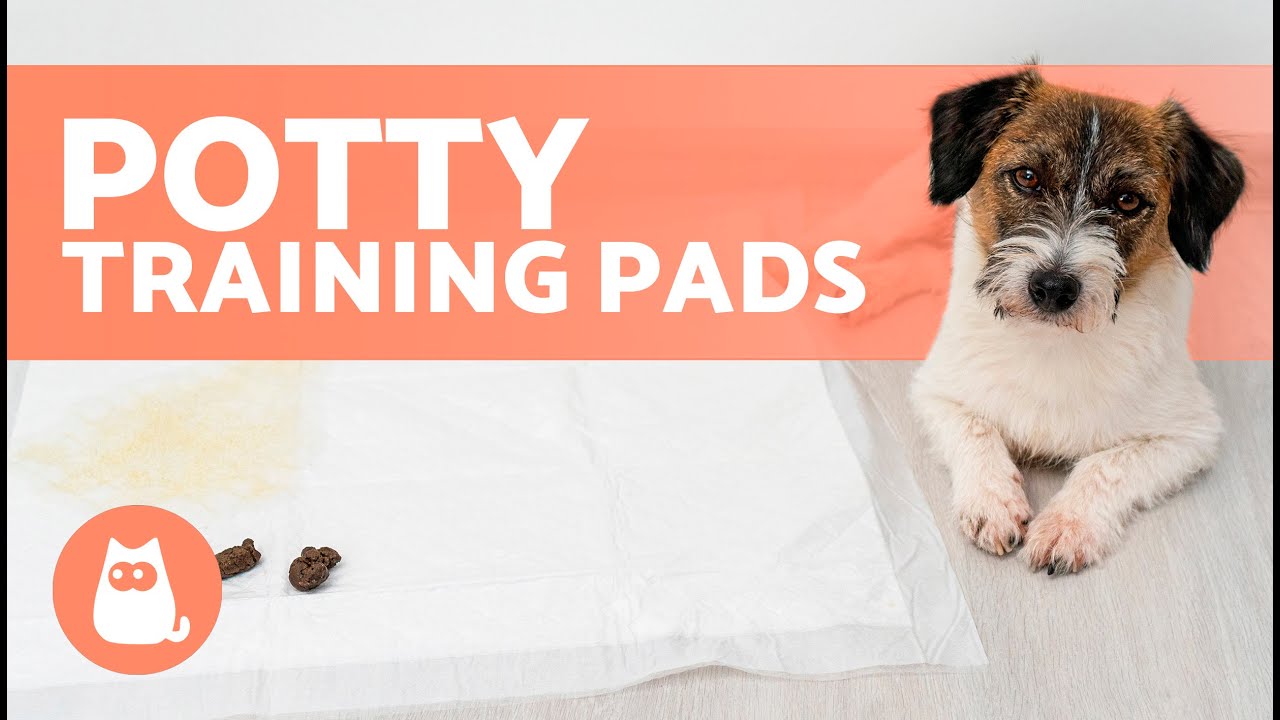
Credit: www.youtube.com
Frequently Asked Questions
How Long Does It Take To Train A Dog To Pee On The Pad?
Training usually takes 1 to 3 weeks with consistent practice. Regularly rewarding your dog speeds up learning. Patience and positive reinforcement are key for success.
What Type Of Pad Is Best For Dog Pee Training?
Choose highly absorbent, leak-proof, and odor-controlling pee pads. Select pads sized appropriately for your dog’s breed and size. Quality pads make training easier and cleaner.
How Often Should I Take My Dog To The Pee Pad?
Take your dog to the pee pad every 1-2 hours initially. Frequent trips help build the habit quickly. Gradually increase intervals as your dog learns.
Can All Dog Breeds Be Trained To Pee On A Pad?
Yes, all breeds can learn with consistent training and patience. Small to medium dogs adapt faster, but large breeds can succeed too. Training methods remain similar across breeds.
Conclusion
Training your dog to pee on the pad takes time and patience. Stay consistent with your routine every day. Reward your dog when it uses the pad correctly. Watch for signs your dog needs to go. Keep the pad clean to encourage use.
Remember, mistakes are normal during training. With calm effort, your dog will learn soon. This habit helps keep your home clean and safe. Keep encouraging your dog, and success will follow.


