

Adopting a dog brings joy, but potty training can feel overwhelming. You want your new furry friend to feel at home, and that starts with teaching them where to go.
Imagine fewer accidents, less stress, and a happy pup who knows exactly what you expect. In this guide, you’ll discover simple, effective steps to potty train your adopted dog quickly and confidently. Keep reading to make this important transition smooth for both of you.

Credit: www.greensafaris.com
Preparing Your Home
Preparing your home is the first step in potty training an adopted dog. Setting up the right environment helps your dog feel safe and understand what to do. A calm, organized space reduces accidents and builds good habits.
Create A Safe Space
Choose a small, quiet area for your dog. Use a crate or a gated corner. This space should be cozy and free from distractions. It helps your dog learn where to rest and where not to go. Keep this area clean and comfortable. Your dog will feel secure and less anxious.
Gather Essential Supplies
Get all the tools you need before training starts. Buy a sturdy crate, pee pads, and cleaning products. Use a leash to guide your dog outside. Have treats ready to reward good behavior. These supplies make training easier and more effective.
Credit: notaria2ibague.com
Establishing A Routine
Establishing a routine is key to potty training an adopted dog. Dogs feel safe and learn faster when they know what to expect. A steady schedule helps your dog understand when it is time to eat and go outside. This reduces accidents and builds good habits.
Set Consistent Feeding Times
Feed your dog at the same times each day. Regular feeding helps control when your dog needs to relieve itself. Avoid free feeding or leaving food out all day. Use a specific spot for feeding to create a clear daily rhythm. This consistency supports your dog’s bathroom schedule and training success.
Schedule Regular Bathroom Breaks
Take your dog outside at fixed times daily. Start with first thing in the morning, after meals, and before bedtime. Short, frequent breaks help your dog learn where to go. Use the same door and spot to avoid confusion. Praise your dog immediately after they go outside to reinforce the behavior.
Recognizing Potty Signals
Recognizing potty signals is a key step in potty training an adopted dog. Dogs often show signs before they need to go outside. Understanding these signals helps prevent accidents inside your home. It builds trust between you and your new pet. Watch closely and learn their unique ways to communicate this need.
Common Signs To Watch
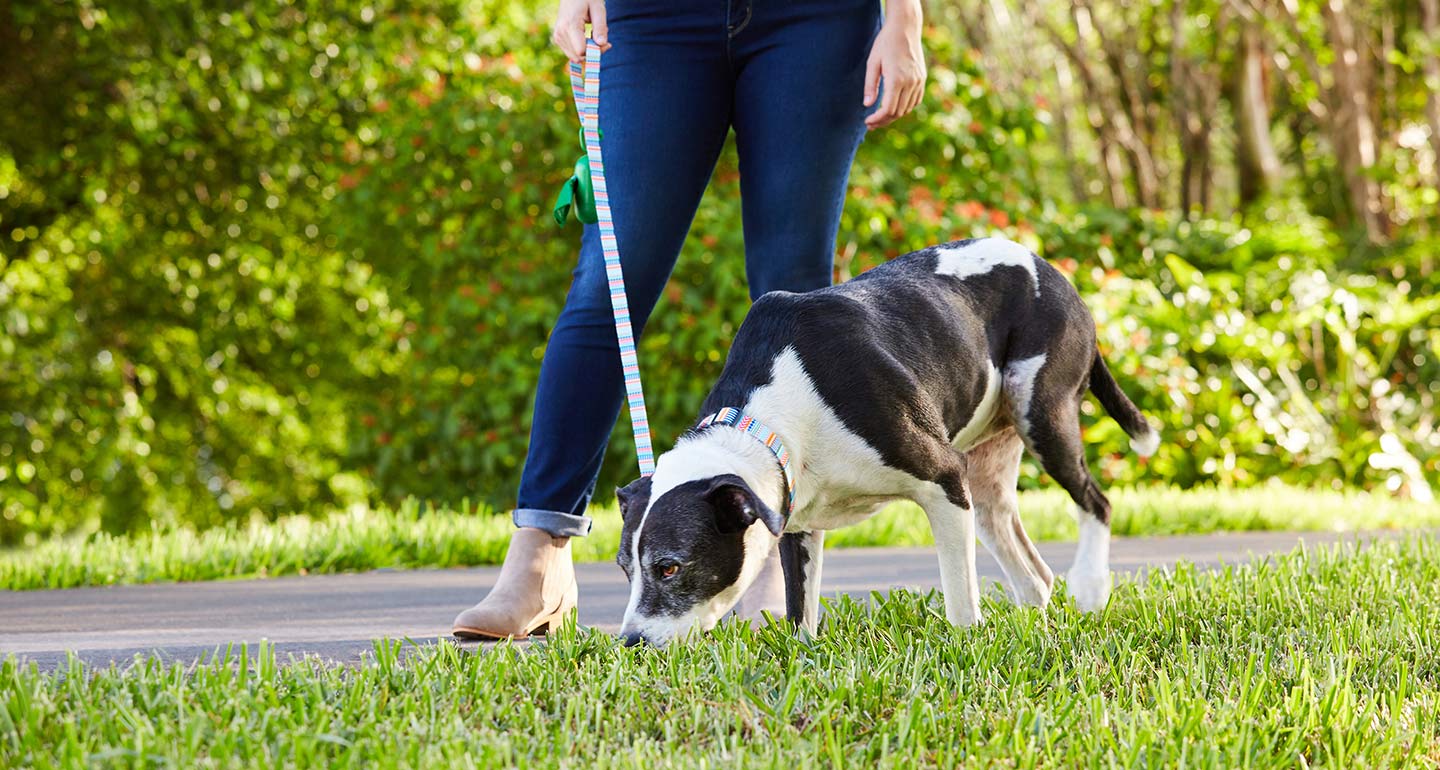
Dogs may sniff the ground or circle around. Some may whine or pace near the door. Others might suddenly stop playing or become restless. Tail wagging can slow or stop as they focus. These are clear signs your dog needs to go out soon.
Responding Promptly
Act fast when you see these signs. Take your dog outside immediately to the potty spot. Praise them warmly after they go in the right place. This positive feedback helps them learn quickly. Consistency makes your dog confident and reduces accidents.
Using Positive Reinforcement
Using positive reinforcement helps your adopted dog learn faster. It creates a happy and safe space for your dog to understand what you want. This method builds trust and makes training less stressful for both of you.
Positive reinforcement means rewarding your dog for good actions. This encourages the dog to repeat those actions. It focuses on what the dog is doing right, not the mistakes.
Rewarding Good Behavior
Give your dog treats or praise when it goes potty outside. Use a calm, happy voice to say “good job” or “well done.” Rewards must come immediately after the good behavior. This helps your dog connect the action with the reward. Small treats work best. Use toys or extra playtime as rewards too.
Consistency is key. Always reward the same behavior. This helps your dog learn what is expected. Praise should be clear and simple. Your dog will start to understand and repeat good potty habits.
Avoiding Punishments
Never punish your dog for accidents. Punishment can create fear and confusion. Dogs may hide accidents or become anxious. This slows down potty training progress.
Focus only on positive actions. Ignore mistakes and guide gently to the right spot. Use patience and kindness. Your dog will feel safe and willing to learn. A calm approach builds confidence and trust.
Handling Accidents Effectively
Accidents are a natural part of potty training an adopted dog. Handling them well helps your dog learn faster. Stay calm and act quickly. This keeps your dog confident and helps prevent repeat mistakes.
Cleaning Techniques
Clean accidents immediately to remove all odors. Use an enzymatic cleaner made for pet messes. Regular cleaners may not remove the smell fully. This could cause your dog to go in the same spot again.
Blot the area with paper towels first. Avoid rubbing, which spreads the mess. Spray the cleaner generously on the spot. Let it sit for several minutes. Then, wipe it up thoroughly. Repeat if needed until the smell is gone.
Maintaining Patience
Patience is key when accidents happen. Avoid yelling or punishing your dog. This causes fear and confusion. Instead, stay calm and gentle. Praise your dog for good behavior.
Remember, your dog is learning new rules. It takes time and consistency. Each accident is a chance to teach. Keep routines steady and remain kind. Your dog will improve with your support.
Adapting To Your Dog’s Personality
Every dog is unique. Their personality shapes how they learn and respond to potty training. Understanding your dog’s character helps create a training plan that fits them well. Adjusting your approach to match their temperament improves success and strengthens your bond.
Tailoring Training Methods
Some dogs are shy and need gentle guidance. Others are energetic and respond well to active play rewards. Watch how your dog reacts to different commands and treats. Use praise and encouragement that suits their mood. Patience is key. Small steps work better than rushing.
Building Trust And Confidence
Adopted dogs may feel unsure in new homes. Building trust takes time. Spend quiet moments together. Let your dog explore at their pace. Use calm voices and soft touches. Celebrate small wins to boost their confidence. A confident dog learns faster and feels safer.
When To Seek Professional Help
Potty training an adopted dog can be tricky. Sometimes, you might try many methods but see little progress. Knowing when to seek professional help can save time and stress. Professionals have tools and skills to handle tough cases. They can guide you and your dog toward success faster.
Recognizing Training Challenges
Some signs show you need extra help. Your dog may keep having accidents inside. Training might confuse your dog or cause anxiety. Health problems can also affect potty habits. If your dog seems scared or avoids going outside, it can be a problem. Consistent setbacks might mean your methods are not working.
Finding The Right Trainer
Choose a trainer with experience in adopted dogs. Look for someone who uses kind and clear methods. A good trainer will understand your dog’s needs and fears. Ask about their approach to potty training and behavior issues. Check reviews or get recommendations from shelters or vets. The right trainer will support you and your dog every step.

Credit: www.equidiversity.org
Frequently Asked Questions
How Long Does Potty Training An Adopted Dog Take?
Potty training an adopted dog usually takes 4 to 6 weeks. Consistency and patience are key during this time. Every dog is different, so progress may vary depending on age, past habits, and training methods.
What Are The Best Potty Training Tips For Adopted Dogs?
Use a consistent schedule for feeding and potty breaks. Praise and reward your dog immediately after they eliminate outside. Supervise indoors closely and use crate training to prevent accidents.
How To Handle Accidents During Potty Training?
Stay calm and avoid punishment. Clean accidents thoroughly with enzymatic cleaners. Redirect your dog to the designated potty spot and reinforce positive behavior consistently.
Should I Use Crate Training For Potty Training?
Yes, crate training helps teach bladder control and prevents accidents. Dogs naturally avoid soiling their sleeping area, making it an effective potty training tool when used correctly.
Conclusion
Potty training an adopted dog takes time and patience. Consistency helps your dog learn faster. Praise and rewards encourage good behavior. Expect accidents; they are part of learning. Keep a calm and positive attitude always. Soon, your dog will understand the routine.
Enjoy the bond you build together. Trust grows with each successful step. Stay patient, and success will come. Potty training strengthens your relationship daily.


