

Training your dog to use puppy pads can make life so much easier for both of you. Imagine coming home to a clean floor, no stress about accidents, and a happy pup who knows exactly where to go.
If you’ve been struggling with house training or need a convenient solution for your puppy, this guide is for you. You’ll discover simple steps and expert tips that anyone can follow. By the end, you’ll feel confident and ready to teach your dog this helpful skill quickly and effectively.
Let’s get started!
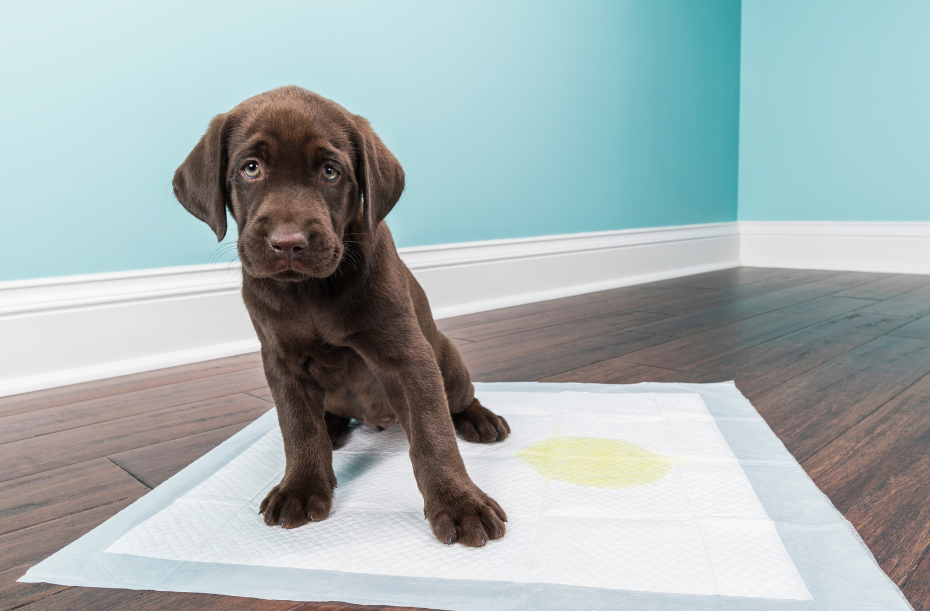
Credit: www.thepuppyacademy.com
Choosing The Right Puppy Pads
Choosing the right puppy pads helps your dog learn faster. Good pads keep your home clean. They protect floors and absorb messes. Pick pads that suit your puppy’s size and habits. The right pads make training easier for both of you.
Material And Absorbency
Choose pads made with soft, non-toxic materials. The surface should be comfortable for your puppy. Pads with strong absorbency stop leaks and odors. Look for layers that lock moisture inside. This keeps floors dry and your puppy happy.
Size And Placement
Pick pads large enough for your dog’s needs. Bigger pads catch more accidents and offer space. Place pads where your puppy goes often. Avoid spots with heavy foot traffic or noise. Clear, quiet places encourage your puppy to use pads.
Eco-friendly Options
Some pads are biodegradable and less harmful to nature. These pads break down faster in landfills. They use fewer chemicals and less plastic. Eco-friendly pads help you care for the planet. They still offer good absorbency and comfort.
Setting Up A Designated Area
Setting up a designated area for puppy pads is a key step in training your dog. It helps your puppy learn where to go and feel safe doing so. This space should be easy for your dog to find and comfortable to use every time. A well-chosen spot makes training faster and less stressful for both of you.
Safe And Comfortable Space
Choose a spot where your puppy feels secure and relaxed. Avoid noisy or busy areas. Make sure the floor is easy to clean. Place soft bedding or a blanket nearby for comfort. Your puppy will be more willing to use the pad in a cozy place.
Consistent Location
Keep the puppy pad in the same spot all the time. Dogs learn by routine. Moving the pad around can confuse your puppy. Pick a quiet corner or a bathroom with low traffic. Consistency helps your dog remember where to go quickly.
Minimizing Distractions
Limit toys, food bowls, and loud sounds near the pad. Too many distractions can make your puppy ignore the area. A calm space helps your dog focus on the training. This way, your puppy learns to use the pad as a bathroom spot.
Introducing Puppy Pads To Your Dog
Introducing puppy pads to your dog is the first step in house training. It helps your dog learn where to go potty inside the house. Starting this process early makes training easier and less stressful for both of you.
Familiarizing Your Dog With Pads
Place the puppy pad in a quiet corner of the room. Let your dog sniff and explore the pad freely. Do not force your dog onto the pad. Praise gently when your dog shows interest. This builds positive feelings toward the pad.
Using Commands And Signals
Choose a simple command like “go potty” or “pad time.” Use the command every time you bring your dog to the pad. Speak in a calm and clear voice. Consistency helps your dog connect the command with the action. Reward your dog immediately after they use the pad.
Encouraging Exploration
Allow your dog to walk around the pad area without pressure. Place treats near the pad to attract attention. Let your dog discover the pad on their own. Repeat visits to the pad help build comfort. Exploration creates a natural habit of using the pad.
Establishing A Routine
Establishing a routine is key to teaching your dog to use puppy pads. Dogs thrive on consistency. A steady schedule helps your dog understand when and where to go. This reduces accidents and builds good habits fast.
Regular Feeding And Potty Times
Feed your dog at the same times every day. This creates a predictable bathroom schedule. After eating, your dog will naturally need to go out. Plan potty breaks around these times to catch your dog’s needs early.
Taking Your Dog To The Pad Frequently
Take your dog to the puppy pad often, especially after meals and naps. Frequent trips help your dog learn the pad’s purpose. Stay patient and guide your dog gently each time. Repetition makes the behavior stick.
Rewarding Successful Use
Praise your dog immediately after using the puppy pad. Give treats or affection to show approval. Positive rewards encourage your dog to repeat the behavior. This builds confidence and speeds up training.
Handling Accidents Effectively
Accidents are part of training your puppy to use pads. Handling them well helps your dog learn faster. Calm and clear steps make the process easier for both of you. This section covers how to manage accidents with care and patience.
Staying Calm And Patient
Stay calm when accidents happen. Yelling or punishing can scare your puppy. Puppies learn best with gentle guidance. Speak softly and use a happy tone. Remember, accidents are normal during training. Patience helps your puppy trust you more.
Cleaning And Removing Odors
Clean accidents quickly and thoroughly. Use a pet-safe cleaner that removes smells. Odors can attract your puppy back to the same spot. Avoid strong ammonia-based cleaners. They smell like urine to dogs. Clean spots well to prevent repeat accidents.
Redirecting To The Pad
After cleaning, guide your puppy to the pad. Pick them up gently or lead them there. Praise your puppy when they use the pad. Reward with a treat or kind words. Repeat this often to build good habits. Consistency helps your puppy understand where to go.
Gradually Reducing Dependency
Reducing your puppy’s reliance on pads is a key step in potty training. This process helps your dog learn to go outside instead. It takes time and patience but leads to better habits. Start small and make changes slowly. This keeps your puppy comfortable and confident.
Decreasing Pad Size Or Quantity
Begin by making the pads smaller. Cut them down gradually or use fewer pads each day. This change encourages your dog to use the remaining pads carefully. It helps your puppy control where to go. Slowly, your dog learns to need less space for potty.
Encouraging Outdoor Potty Habits
Take your puppy outside often. Choose a spot your dog likes. Use praise and treats after they go there. This makes outside a good place to potty. Consistency is important. Keep the routine the same every day. Your puppy will start to prefer outdoors over pads.
Monitoring Progress
Watch your puppy’s behavior closely. Note when accidents happen and where. Check if your dog goes to the pad or outside more. Adjust your training based on what you see. Celebrate small wins. This keeps your puppy motivated and learning well.
Common Challenges And Fixes
Training a dog to use puppy pads is not always smooth. Some common problems can slow progress. Knowing these challenges helps you fix them fast. Patience and clear steps make training easier. Here are common issues and how to solve them.
Puppy Avoiding The Pads
Some puppies refuse to step on the pads. They may find the texture strange or smell unpleasant. Try moving the pad to a quiet, low-traffic area. Use treats or toys to encourage your puppy near the pad. Praise your dog each time it approaches or uses the pad. Clean the pads regularly to avoid bad smells. Change the brand if your dog dislikes the material.
Chewing Or Playing With Pads
Puppies often see pads as toys and start chewing. This behavior wastes pads and creates a mess. Offer plenty of chew toys to divert their attention. Remove the pad if chewing starts and try again later. Supervise your puppy closely during training sessions. Use firm but gentle commands to stop chewing. Consistency helps your puppy understand the pad is not a toy.
Inconsistent Use
Inconsistent use is a frequent problem in pad training. Puppies might use the pad sometimes and miss it other times. Keep the pad in the same spot to build a routine. Take your puppy to the pad often, especially after eating or waking up. Reward every successful use with praise or a small treat. Watch for signs your puppy needs to go. Stick to a schedule to help your puppy learn faster.

Credit: www.youtube.com
:strip_icc()/potty-pad-training-4178382-hero-413f0c1f54ef4a89a18f79d60818f805.jpg)
Credit: www.thesprucepets.com
Frequently Asked Questions
How Long Does Puppy Pad Training Take?
Puppy pad training typically takes 2 to 4 weeks. Consistency and patience speed up the process. Regularly reward your dog for using the pad to reinforce good behavior. Every puppy learns at its own pace.
Where Should I Place Puppy Pads In My Home?
Place puppy pads in quiet, accessible areas. Avoid high-traffic spots to make dogs comfortable. Keep pads away from their food and sleeping areas. Consistent placement helps dogs recognize where to go.
How Do I Encourage My Dog To Use Puppy Pads?
Encourage use by praising and rewarding your dog immediately after use. Gently guide puppies to the pad when they show signs of needing to go. Consistent training and positive reinforcement are key to success.
Can Puppy Pad Training Prevent Accidents Outside The Pad?
Yes, consistent use of puppy pads reduces accidents. Supervise your dog and redirect them to the pad if they attempt elsewhere. Clean accidents thoroughly to prevent repeat spots. Training combined with supervision ensures better results.
Conclusion
Training a dog to use puppy pads takes time and patience. Keep the pads in the same spot to avoid confusion. Praise your dog each time they use the pad correctly. Watch for signs your dog needs to go. Clean accidents calmly and quickly.
Small steps lead to big progress. Stay consistent and gentle throughout the process. Your dog will learn with love and care. Puppy pad training helps keep your home clean. Enjoy the journey of teaching your dog new habits.


