

Training your dog with a shock collar can seem like a big step. You might wonder if it’s the right choice for your furry friend or how to do it safely and effectively.
The good news is, when used correctly, a shock collar can be a helpful tool to improve your dog’s behavior without causing harm. In this guide, you’ll discover simple, step-by-step techniques to train your dog with a shock collar in a way that builds respect and trust.
Keep reading to learn how to make this training work for you and your dog, turning challenges into success.
Choosing The Right Shock Collar
Choosing the right shock collar is key to effective dog training. The right collar fits your dog’s size and temperament. It also works well with the training goals you have. Picking a collar with proper features ensures safety and comfort for your dog. This helps build trust during training sessions.
Types Of Shock Collars
Shock collars come in different types. Some use static shocks, which deliver a mild electric pulse. Others offer vibration or sound signals as warnings. Remote shock collars allow you to control the intensity. Automatic collars activate based on the dog’s behavior. Choose a type that matches your dog’s sensitivity and training needs.
Features To Look For
Look for adjustable shock levels to suit your dog’s size. A collar with a quick response time improves training efficiency. Waterproof collars are best for dogs that play outside. Lightweight collars reduce discomfort during long wear. A clear and easy-to-use remote controller helps you stay in control.
Safety Considerations
Safety must be the top priority. Use the lowest shock level that gets your dog’s attention. Avoid leaving the collar on for more than eight hours. Check the collar regularly for signs of skin irritation. Never use the collar as punishment, but as a training aid. Always observe your dog’s reaction and adjust accordingly.
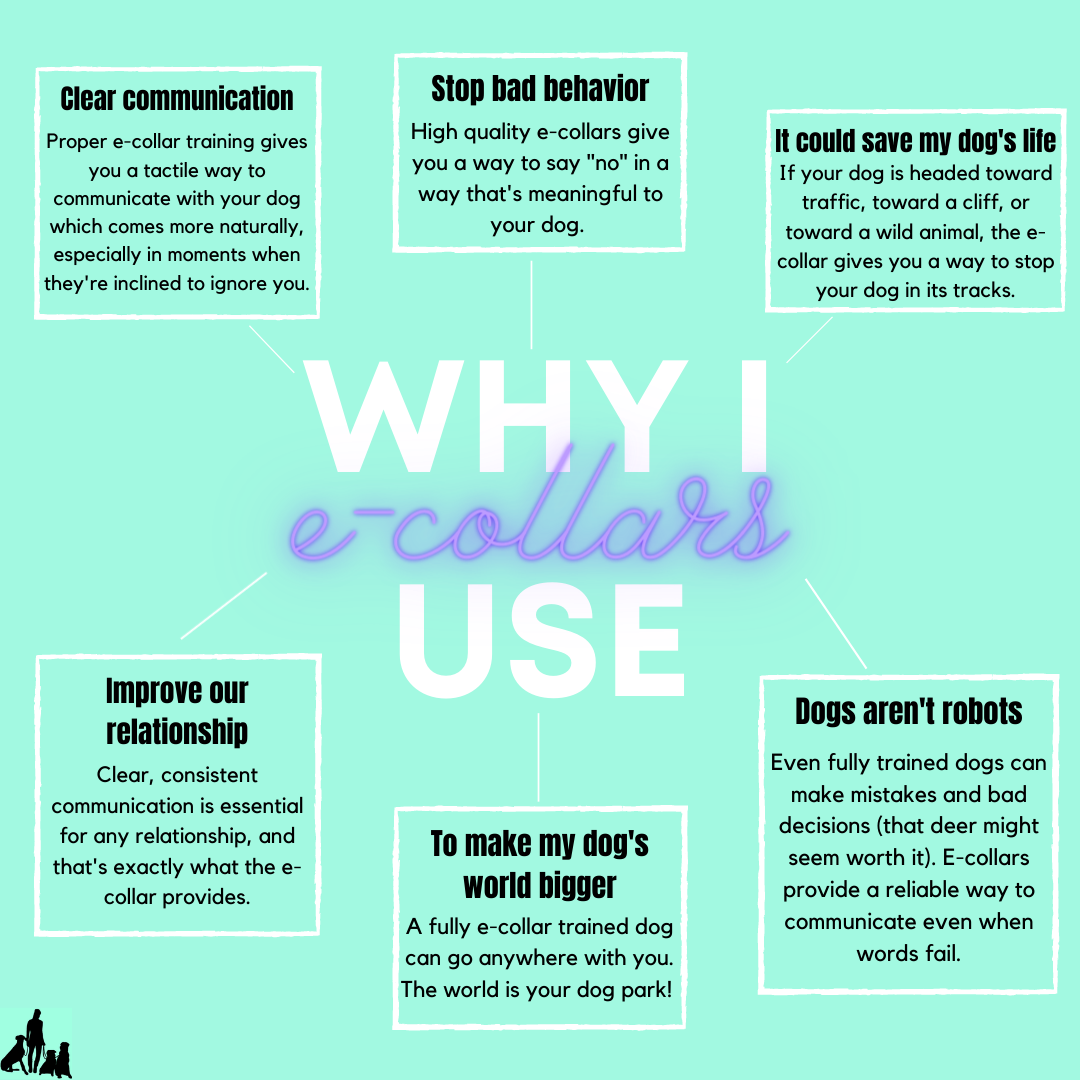
Credit: www.chaostocalmk9training.com
Preparing Your Dog For Training
Preparing your dog for shock collar training is an important first step. It helps your dog feel safe and ready to learn. Taking time to prepare creates a positive experience for both you and your dog. This section covers how to assess your dog’s temperament, introduce the collar, and set clear boundaries.
Assessing Temperament
Not every dog reacts the same to training tools. Watch your dog’s behavior closely. Look for signs of fear or stress. Calm dogs adapt better to new experiences. Nervous dogs may need more time before training starts. Knowing your dog’s mood helps you plan the right approach. Always prioritize your dog’s comfort and safety.
Introducing The Collar
Let your dog see and sniff the collar first. Allow your dog to wear it without turning it on. This helps your dog get used to the collar’s feel. Keep sessions short and positive. Praise your dog for calm behavior. Gradually add the collar’s functions once your dog is comfortable.
Setting Boundaries
Clear rules help your dog understand what is allowed. Use simple commands and consistent signals. Show your dog where it can go and what it can do. Avoid confusing your dog with mixed messages. Consistent boundaries build trust and good habits. Combine collar training with positive reinforcement for best results.
Setting Up The Collar Correctly
Setting up the shock collar correctly is the first step for effective training. A proper setup ensures your dog stays safe and comfortable. It also helps the collar work as intended without causing harm or stress.
Take your time with this process. Check every detail before starting training. A well-fitted collar and correct stimulation level make all the difference.
Adjusting The Fit
Place the collar high on your dog’s neck, just below the ears. It should fit snugly but not tight. You need to fit two fingers between the collar and the neck. Too loose can cause the collar to slip. Too tight can hurt your dog.
Check the fit every few days. Your dog’s neck size may change with growth or weight loss. Always adjust for comfort and safety.
Selecting Stimulation Levels
Start with the lowest stimulation level on the collar. Observe your dog’s reaction carefully. Increase the level only if your dog does not notice the correction. The goal is to get your dog’s attention, not to cause pain.
Each dog reacts differently. Some need only a mild signal. Others may need a bit stronger one. Choose the level that works best for your dog’s size and temperament.
Testing The Device
Test the collar before using it on your dog. Turn it on and feel the stimulation yourself. This helps you understand what your dog will feel. Make sure all parts work well, including the remote and the collar.
Try the collar in a safe area. Use the lowest level to see how your dog reacts. Never leave the collar on your dog without supervision during testing.
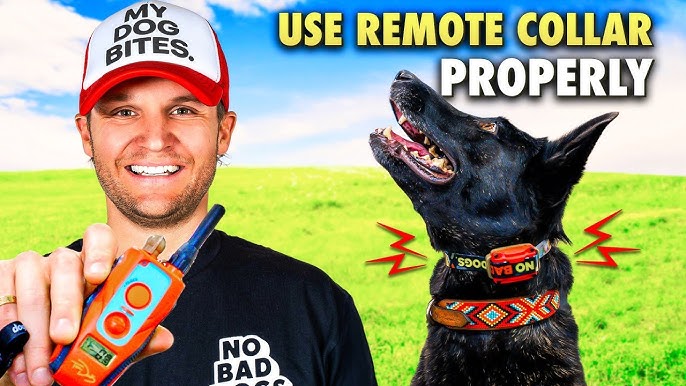
Credit: www.youtube.com
Basic Training Techniques
Basic training techniques set the foundation for effective shock collar training. They help your dog learn commands and understand corrections clearly. Consistency and timing play a big role in this process. Using the right methods makes training smoother and safer for your pet.
Timing The Correction
Timing is key to effective training. The correction must happen immediately after the unwanted behavior. A delay can confuse your dog. Use the shock collar at the exact moment your dog misbehaves. This helps your dog link the correction with the action quickly.
Using Commands Effectively
Commands should be clear and simple. Use the same word for each action every time. Speak in a calm but firm voice. Give one command at a time. Avoid repeating commands to prevent confusion. Your dog learns faster when commands are consistent.
Positive Reinforcement
Reward good behavior to encourage learning. Use treats, praise, or petting after your dog obeys. Positive reinforcement builds trust and motivation. Combine it with corrections for balanced training. This approach helps your dog respond well to the shock collar.
Common Training Challenges
Training a dog with a shock collar can come with some common challenges. These challenges can slow progress or cause confusion for your dog. Knowing these problems helps you stay patient and adjust your methods. The key is to keep training clear and gentle.
Avoiding Overuse
Using the shock collar too much can harm your dog’s trust. It can make your dog scared or anxious. Use the collar only when needed. Short training sessions work best. Reward good behavior often to balance the corrections.
Handling Resistance
Some dogs may resist wearing or responding to the collar. They might ignore the signals or act stubborn. Stay calm and do not force your dog. Try smaller steps and give more time. Pair the collar with treats and praise for better results.
Adjusting Training Approach
Every dog learns differently. Watch how your dog reacts to the collar. Change the shock level if it feels too strong or weak. Use other training tools like verbal commands or hand signals. Keep sessions short and positive to keep your dog engaged.
Maintaining Progress And Safety
Maintaining progress and safety during shock collar training is essential. It helps your dog learn without stress or harm. Consistent care keeps training effective. It also protects your dog’s well-being and trust.
Check the collar often. Adjust settings carefully. Watch your dog’s reactions. Small steps make a big difference over time.
Regular Collar Checks
Check the collar every day. Look for signs of wear or damage. Make sure it fits well but is not too tight. A loose collar can cause errors in training. A tight collar can hurt your dog’s skin. Clean the collar and contact points often. Dirty parts reduce the collar’s effectiveness.
Gradual Reduction Of Stimulation
Start with the lowest stimulation level that works. Do not use high levels at first. Lower the stimulation slowly as your dog learns. This prevents discomfort and fear. The goal is to use the collar less over time. Eventually, your dog should respond with little or no stimulation.
Monitoring Dog’s Behavior
Watch your dog closely during training. Look for signs of stress or fear. Whining, shaking, or avoiding the collar may show discomfort. Stop training if your dog seems upset. Praise and reward good behavior often. Positive feedback helps your dog stay confident and calm.

Credit: www.youtube.com
Frequently Asked Questions
What Is The Best Way To Start Shock Collar Training?
Begin with low intensity and reward good behavior. Gradually increase stimulation if needed. Always monitor your dog’s reactions closely.
Are Shock Collars Safe For All Dog Breeds?
Yes, when used properly, shock collars are safe for most breeds. Adjust settings based on size and temperament to ensure comfort.
How Long Does Shock Collar Training Usually Take?
Training duration varies but typically takes 2 to 4 weeks. Consistency and patience are key to effective results.
Can Shock Collars Replace Traditional Dog Training Methods?
No, shock collars should complement, not replace, positive reinforcement and obedience training for best outcomes.
Conclusion
Training your dog with a shock collar takes patience and care. Always start with low settings to avoid hurting your pet. Use the collar as a tool, not a punishment. Consistency and positive rewards help your dog learn faster. Watch your dog’s reactions closely to adjust training.
Remember, kindness builds trust and good behavior. Practice regularly, but keep sessions short and calm. With time, your dog will respond better to commands. Training should be safe and respectful for both of you. Keep learning and stay patient for the best results.


