If you’re wondering whether male dogs are harder to potty train, you’re not alone. Many dog owners face this question and feel frustrated when their training doesn’t go as smoothly as expected.
You want your furry friend to learn quickly, but sometimes it feels like you’re hitting a wall. What if the answer isn’t just about your dog’s personality but also their gender? Keep reading, because understanding the real differences can save you time, stress, and help you build a stronger bond with your dog faster than you think.
Male Vs Female Potty Training
Potty training male and female dogs can feel quite different for many pet owners. Understanding the differences helps set the right expectations. Both genders can learn, but their training paths may vary due to behavior and biology.
Behavioral Differences
Male dogs often mark their territory by lifting their leg. This habit can cause more frequent accidents indoors. Female dogs usually squat to pee, which is simpler to manage during training. Males might take longer to stop marking inside the house. Patience is key with male dogs during potty training.
Physical Factors
Male dogs have a longer urinary tract than females. This makes it easier for them to hold urine for a while. Female dogs may need to go out more often as they cannot hold urine as long. The difference in anatomy affects how often each needs bathroom breaks. Trainers should plan potty schedules accordingly for each gender.
Common Misconceptions
Many think males are harder to potty train. The truth is both genders learn at similar speeds. Problems often come from behavior, not gender. Training consistency and timing matter more than whether the dog is male or female. Avoid blaming gender; focus on clear, gentle training steps.

Credit: www.reddit.com
Challenges Specific To Male Dogs
Male dogs often face unique challenges during potty training. These challenges can slow down progress and require special attention. Understanding these issues helps owners train their male dogs more effectively.
Male dogs show different behaviors that affect how they learn to potty train. These behaviors stem from natural instincts and biology.
Marking Territory
Male dogs tend to mark their territory by urinating indoors. This behavior is a way to show ownership. It happens even after training begins. Marking is more common in unneutered males. It can confuse owners who expect quick potty training results.
Distractions And Focus
Male dogs get distracted easily during training sessions. They notice sounds, smells, and movements around them. These distractions make it hard to focus on potty commands. Training in a quiet space helps reduce distractions. Short and frequent sessions keep their attention better.
Hormonal Influences
Hormones affect male dogs’ behavior and training pace. Testosterone can increase restlessness and marking. Neutering may reduce these effects but not immediately. Hormonal changes also impact their ability to learn new habits. Patience is key while working through these phases.
Effective Potty Training Techniques
Potty training male dogs can be challenging but effective techniques make it easier. Training needs patience, routine, and clear signals. Consistency helps dogs learn faster. Using rewards encourages good behavior. Safe spaces like crates support the process. These methods build good habits and reduce accidents.
Consistent Schedule
Set regular times for bathroom breaks. Take your dog outside first thing in the morning. After meals, playtime, and naps, bring him out again. A steady routine helps him understand when to go. Consistency reduces accidents and speeds learning.
Positive Reinforcement
Reward your dog immediately after he goes outside. Use treats, praise, or gentle petting. Positive feedback teaches what behavior you want. Avoid punishment. It can confuse and scare your dog. Rewards build trust and encourage repeating good habits.
Crate Training Benefits
Use a crate as a safe, cozy space. Dogs avoid soiling their sleeping area. Crate training helps control bathroom timing. It also prevents accidents when you are away. Introduce the crate gradually and make it comfortable. This method supports potty training success.
Training Tips For Male Puppies
Training male puppies requires special care and attention. They can show unique behaviors that need clear guidance. Using the right methods helps them learn faster and behave well. Consistency and gentle correction make training easier for both you and your puppy.
Handling Marking Behavior
Male puppies may try to mark their territory inside the house. This is normal but needs control early. Watch for signs like sniffing or lifting their leg. Interrupt gently and take them outside immediately. Praise them when they go outside. Use cleaning products that remove smell to prevent repeat marking.
Managing Excitement And Distractions
Male puppies can get very excited and lose focus. Keep training sessions short and fun to hold their attention. Use treats and toys as rewards to encourage good behavior. Practice in quiet places first, then slowly add distractions. This helps them learn to listen no matter the environment.
Patience And Persistence
Training takes time and mistakes happen. Stay calm and do not punish your puppy. Repeat instructions clearly and reward small successes. Patience helps build trust between you and your puppy. Regular practice creates lasting habits and good manners.
When To Seek Professional Help
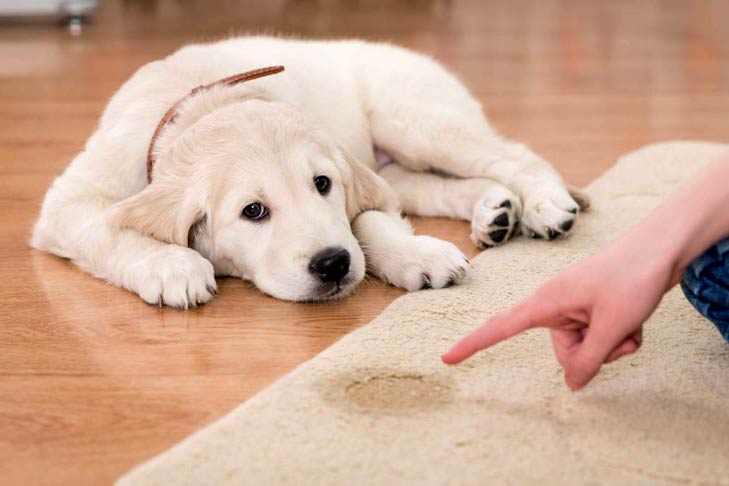
Potty training a male dog can be tricky. Sometimes, you try many methods but see little progress. This is the right time to think about professional help. Experts can spot issues you might miss. They offer guidance that fits your dog’s needs. Knowing when to seek help saves time and frustration.
Identifying Training Roadblocks
Notice if your dog does not improve after weeks. Watch for signs like confusion or fear during training. Some dogs struggle with basic commands or routines. These can block successful potty training. Professionals can find these hidden problems quickly. They adjust training to suit your dog’s pace.
Choosing A Trainer
Pick a trainer with experience in male dog behavior. Ask about their methods and success stories. Choose someone who uses gentle and clear techniques. A good trainer explains steps clearly for owners to follow. Check reviews or ask for recommendations from other dog owners.
Addressing Medical Issues
Sometimes potty problems come from health issues. Urinary infections or bladder problems affect control. A vet check is important if accidents happen often. Professionals can spot signs that need medical care. Fixing health problems helps your dog learn faster.
Credit: www.akc.org
Credit: www.reddit.com
Frequently Asked Questions
Are Male Dogs Harder To Potty Train Than Females?
Male dogs are not necessarily harder to potty train. Training success depends on consistency, patience, and method. Males may mark territory, but with proper guidance, they learn quickly. Each dog is unique, so training results vary by individual temperament and environment.
How Long Does Potty Training A Male Dog Usually Take?
Potty training a male dog typically takes 4 to 6 weeks. Consistent routines and positive reinforcement speed up progress. Some males may take longer due to distractions or marking habits. Patience and persistence are key to successful training.
Does Neutering Affect Male Dog Potty Training?
Neutering can reduce marking behavior in male dogs. It often makes potty training easier by lowering territorial urges. However, neutering alone won’t guarantee quick training success. Consistent training practices remain essential regardless of neuter status.
What Are Common Potty Training Mistakes With Male Dogs?
Common mistakes include irregular schedules, lack of supervision, and inconsistent rewards. Allowing marking behavior to go unchecked also hinders training. Avoid punishment, as it creates fear. Consistency and positive reinforcement are vital for effective potty training in males.
Conclusion
Male dogs may seem harder to potty train, but patience helps. Every dog learns at its own pace. Consistent training and positive rewards work best. Focus on clear signals and routines daily. Stay calm and avoid frustration during training. Soon, your dog will understand where to go.
Remember, love and patience build strong habits. Success comes from steady effort, not quick fixes. Keep trying, and your male dog will learn well.