

Are you wondering when your dog will finally be fully potty trained? You’re not alone.
Potty training can be one of the most challenging parts of bringing a new dog into your home. You want to enjoy your furry friend without worrying about accidents or constant cleanups. But how do you know when the training is truly complete?
You’ll discover the key signs that show your dog has mastered potty training. Keep reading, and you’ll learn how to recognize success and what to do if you’re not there yet. Your stress-free life with your dog starts here.
Potty Training Basics
Potty training is a key step for every dog owner. Teaching your dog where to go helps keep your home clean. It also makes life easier for both you and your pet. Understanding the basics sets a strong foundation for successful training.
Patience and consistency are important during this process. Dogs learn best with clear rules and gentle guidance. Starting with the right tools and methods makes a big difference.
Starting Point For Puppies
Puppies have small bladders and need frequent breaks. Take them outside often, especially after eating or sleeping. Watch for signs like sniffing or circling to know when they need to go.
Choose a specific potty spot outside. Always bring your puppy there to build a habit. Praise and reward them immediately after they go in the right place. This helps them connect good behavior with positive feelings.
Essential Training Tools
Use a crate to help your puppy learn bladder control. Dogs usually avoid soiling their sleeping area. A leash keeps your puppy close during outdoor potty trips. This ensures they stay focused on the task.
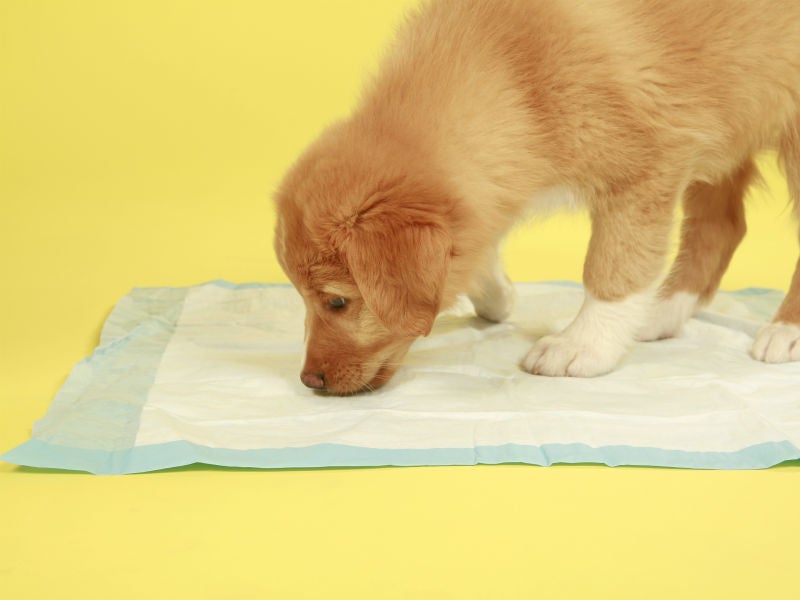
Potty pads work well for indoor training or bad weather days. Clean accidents quickly to remove odors and prevent repeat spots. Treats and toys motivate your dog to follow your training.
Credit: www.akc.org
Typical Timeline For Potty Training
Potty training a dog takes time and patience. The process follows a typical timeline. Knowing what to expect helps you stay calm and consistent. Each stage builds on the last. Progress may vary by dog breed and age. Understanding these phases can ease the journey to a fully potty trained pet.
First Few Weeks
In the first few weeks, puppies learn where to go. Expect many accidents as they adjust. Frequent trips outside are essential. Watch for signs your dog needs to go. Praise and reward success immediately. Routine is key during this stage. Consistency helps your dog form good habits.
One To Three Months
By one to three months, dogs start to hold it longer. Accidents still happen but should decrease. Your dog begins to understand the right place. Keep up regular bathroom breaks. Crate training can support progress. Continue positive reinforcement to encourage good behavior. Patience remains important as learning continues.
Beyond Three Months
After three months, most dogs have better control. Accidents become rare with steady training. Your dog should alert you when it needs out. Some dogs may take longer, especially older ones. Maintain routines and rewards for good habits. Consistent supervision reduces setbacks. Full potty training often happens around six months.
Key Signs Of Full Potty Training
Recognizing when a dog is fully potty trained is important for every pet owner. Clear signs show the dog understands where and when to go outside. These signs help you know your dog is ready to be trusted without constant supervision. Watch for habits and behaviors that prove your dog has learned well.
Consistent Bathroom Habits
A fully potty-trained dog has regular bathroom habits. It will go outside at usual times every day. The dog waits patiently for the right moment to go. This routine shows the dog knows where to relieve itself. Consistency in these habits means the training is successful.
Responding To Commands
Dogs that are fully potty trained listen to your signals. They respond quickly when you say it is time to go out. The dog may even alert you when it needs to use the bathroom. This communication shows the dog understands the training. It helps avoid accidents inside the house.
No Indoor Accidents
One clear sign is the absence of indoor accidents. A fully trained dog will not go inside your home. It holds its bladder until it reaches the correct spot outdoors. This control is a strong sign of complete potty training. It also means less cleaning for you and more peace of mind.

Credit: www.youtube.com
Factors Affecting Training Speed
Potty training a dog does not happen overnight. Several factors influence how fast a dog learns. These factors affect the speed and success of training. Understanding them helps set realistic expectations.
Each dog is unique. Some learn quickly while others need more time. Patience and consistency remain key throughout the process.
Breed Differences
Different dog breeds learn at different speeds. Some breeds are naturally easier to train. Others may take longer to understand rules.
Small breeds often catch on faster than large breeds. Working breeds tend to be more focused and eager to learn. Stubborn breeds might resist training at first.
Knowing your dog’s breed traits helps tailor the training method. This approach improves the chances of quicker success.
Age And Previous Training
Puppies usually take more time to potty train. Their bladder control is still developing. Older dogs might learn faster if they had prior training.
Rescue dogs may have habits to unlearn. Consistent routines help them adjust. Older dogs can adapt well with patience and care.
Age affects attention span and understanding. Keep training sessions short and positive for all ages.
Owner Consistency
Consistent training is the most important factor. Regular schedules create clear expectations for the dog. Inconsistent commands confuse and slow progress.
Every family member must follow the same rules. This unity helps the dog learn faster. Reward good behavior and avoid punishment.
Daily routines and patience lead to steady improvement. Consistency builds trust and confidence in your dog.
Troubleshooting Common Issues
Potty training a dog takes time and patience. Sometimes, even after training, issues appear. These problems can be confusing and frustrating. Understanding common issues helps solve them quickly. Troubleshooting keeps your dog on the right track.
Accidents After Training
Accidents can happen even after your dog is trained. Stress, changes in routine, or health problems often cause this. Puppies may still learn about bladder control. Clean the area well to avoid repeats. Stay calm and continue the training steps. Consistency helps your dog remember good habits.
Regression Signs
Regression means your dog goes back to old behaviors. Watch for signs like more accidents or ignoring commands. Changes in environment or family can trigger this. Illness or pain also cause setbacks. Keep training sessions short and positive. Patience and gentle reminders guide your dog forward.
When To Seek Help
Seek help if accidents become frequent or worsen. Veterinary checks can rule out medical problems. A professional trainer or behaviorist may offer advice. Early support prevents long-term issues. Trust experts to help your dog stay fully potty trained.

Credit: www.reddit.com
Tips To Maintain Potty Training
Maintaining potty training in dogs takes patience and routine. Consistency helps your dog understand what you expect. Small efforts every day keep accidents away. Training does not end once your dog is fully trained. It needs ongoing care to stay effective.
These tips help you keep your dog on track. They build good habits and prevent setbacks. Your dog will stay happy and confident with steady training.
Reinforcing Good Behavior
Notice when your dog goes potty outside. Praise them right after they finish. Use calm words and gentle petting. This shows your dog you approve their action. It makes them want to repeat the behavior. Avoid scolding for mistakes to keep trust strong. Rewarding good behavior is key to success.
Adjusting To Changes
Changes can confuse your dog. Moving to a new home or new schedule affects habits. Keep potty times consistent during changes. Watch for signs your dog needs to go. Take them outside often at first. Patience helps your dog adjust smoothly. Gradual changes keep training steady and clear.
Using Positive Reinforcement
Give treats or toys when your dog pottys outside. Use a happy voice to praise them. Positive reinforcement teaches your dog what is right. It makes learning fun and easy. Avoid punishments that scare or confuse your dog. Focus on rewards to build lasting habits. This method strengthens your dog’s trust in you.
Frequently Asked Questions
How Long Does It Take To Fully Potty Train A Dog?
Most dogs take 4 to 6 months to be fully potty trained. Consistency, patience, and positive reinforcement speed up the process. Some breeds may take longer due to temperament or size differences.
What Signs Show A Dog Is Fully Potty Trained?
A fully potty-trained dog signals when they need to go outside. They avoid accidents indoors and follow a regular bathroom routine. Consistent success over weeks indicates full training.
Can Adult Dogs Learn Potty Training Effectively?
Yes, adult dogs can learn potty training with patience and routine. It may take longer than puppies, but consistent training and rewards lead to success.
What Are Common Potty Training Mistakes To Avoid?
Avoid inconsistent schedules, harsh punishments, and ignoring accidents. These mistakes confuse dogs and delay training. Use positive reinforcement and regular outdoor breaks for better results.
Conclusion
Potty training a dog takes time and patience. Most dogs learn fully between four to six months old. Consistent routines help your dog understand where to go. Accidents may happen, but keep calm and stay positive. Reward good behavior to encourage success.
Every dog is different; some take longer to learn. Trust the process and keep practicing daily. Soon, your dog will be fully potty trained. Enjoy the journey and celebrate small wins along the way.


