

If you want your dog to learn new tricks quickly and happily, using a clicker can be a game-changer. Imagine having a simple tool that helps you communicate clearly with your furry friend, making training less frustrating and more fun.
You’ll discover exactly how to use a clicker for dog training, step by step. By the end, you’ll have the skills to teach your dog good behavior with confidence—and enjoy the process together. Ready to see your dog’s progress like never before?
Let’s dive in!
Benefits Of Clicker Training
Clicker training offers many benefits for both dogs and trainers. It uses a small sound to mark good behavior. This method helps dogs learn faster and more clearly. The clear signals make training less stressful for dogs. It creates a positive and fun learning experience. Below are key benefits of clicker training.
Improves Communication Between You And Your Dog
The clicker sound acts as a clear marker for good behavior. Your dog quickly understands which actions earn rewards. This clarity reduces confusion during training sessions. It strengthens the bond between you and your dog.
Speeds Up The Learning Process
Dogs learn faster with precise feedback. The clicker marks the exact moment your dog does right. This helps your dog connect actions with rewards quickly. Faster learning means less time spent on training.
Encourages Positive Behavior
Clicker training focuses on rewarding good actions. Dogs want to repeat behaviors that bring treats and praise. This builds a positive mindset in your dog. It reduces fear and punishment-based training issues.
Suitable For All Dog Breeds And Ages
Clicker training works well for puppies and older dogs. It fits all breeds and temperaments. The gentle approach is easy for dogs to understand. It adapts to your dog’s pace and learning style.
Helps Solve Behavioral Problems
Clicker training can change unwanted habits. It teaches dogs what behaviors you want instead. Consistent use can reduce barking, jumping, and chewing. It supports a calm and well-behaved pet.
Credit: epegard.fr
Choosing The Right Clicker
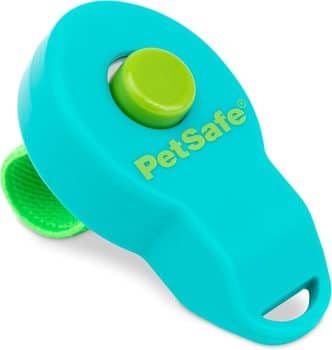
Choosing the right clicker is the first step in effective dog training. A good clicker helps your dog understand commands clearly. It must be easy to use and produce a distinct sound. The right clicker keeps your training sessions smooth and fun.
Sound Quality And Volume
Pick a clicker with a sharp, clear sound. The click must be loud enough to catch your dog’s attention. Avoid clickers that make a soft or muffled noise. Each click should be quick and consistent.
Size And Shape
Choose a clicker that fits comfortably in your hand. Small, lightweight clickers are easy to carry. Rounded edges make handling easier during training. Avoid bulky or heavy clickers that tire your fingers.
Durability And Build
Look for a clicker made from strong materials. Plastic clickers with sturdy buttons last longer. The clicker should withstand drops and frequent use. A well-built clicker saves money over time.
Ease Of Use
Find a clicker with a simple design. One-button clickers work best for beginners. Avoid complicated models with multiple buttons. Your focus should be on training, not on handling the device.
Preparing Your Dog
Getting your dog ready for clicker training is the first step. Preparation helps your dog focus and learn better. It also makes training fun and less stressful for both of you.
Start by creating a calm and comfortable environment. Your dog should feel safe and ready to pay attention. Keep the training sessions short and positive to keep your dog interested.
Setting A Quiet Training Space
Choose a spot with few distractions. A quiet room or a calm corner works well. This space helps your dog listen and watch carefully.
Remove toys and other items that might distract your dog. Keep the area clean and simple. This helps your dog focus on the clicker and your commands.
Gathering Treats And Rewards
Pick small, tasty treats that your dog loves. Use treats that are easy to chew and swallow quickly. This keeps the training flow smooth.
Have treats ready before you start. You can also use praise or petting as rewards. Mixing rewards keeps your dog motivated and happy.
Introducing The Clicker
The clicker is a small device that makes a distinct, sharp sound. It helps dogs learn by marking good behavior clearly. Using the clicker, you give your dog a clear signal that it did something right. This makes training faster and less confusing for your dog.
Before training starts, your dog must understand what the click sound means. You will teach your dog to connect the click with a reward. This is the first step to effective clicker training.
Conditioning Your Dog To The Click Sound
Start by clicking once, then give your dog a treat immediately. Repeat this several times to build a connection. Your dog will soon learn that a click means a treat is coming. This step is called conditioning. It helps your dog pay attention to the click sound.
Keep the sessions short and positive. Use high-value treats your dog loves. This makes the click more exciting and rewarding. Avoid clicking without a treat, so your dog does not get confused.
Timing The Click And Treat
Timing is very important in clicker training. Click the moment your dog does the right thing. Then give the treat right after the click. This tells your dog exactly what action earned the reward.
If you click too late, your dog may not link the click to the correct behavior. Be quick and clear with your timing. Practicing this helps your dog learn faster and enjoy training more.
Basic Clicker Training Steps
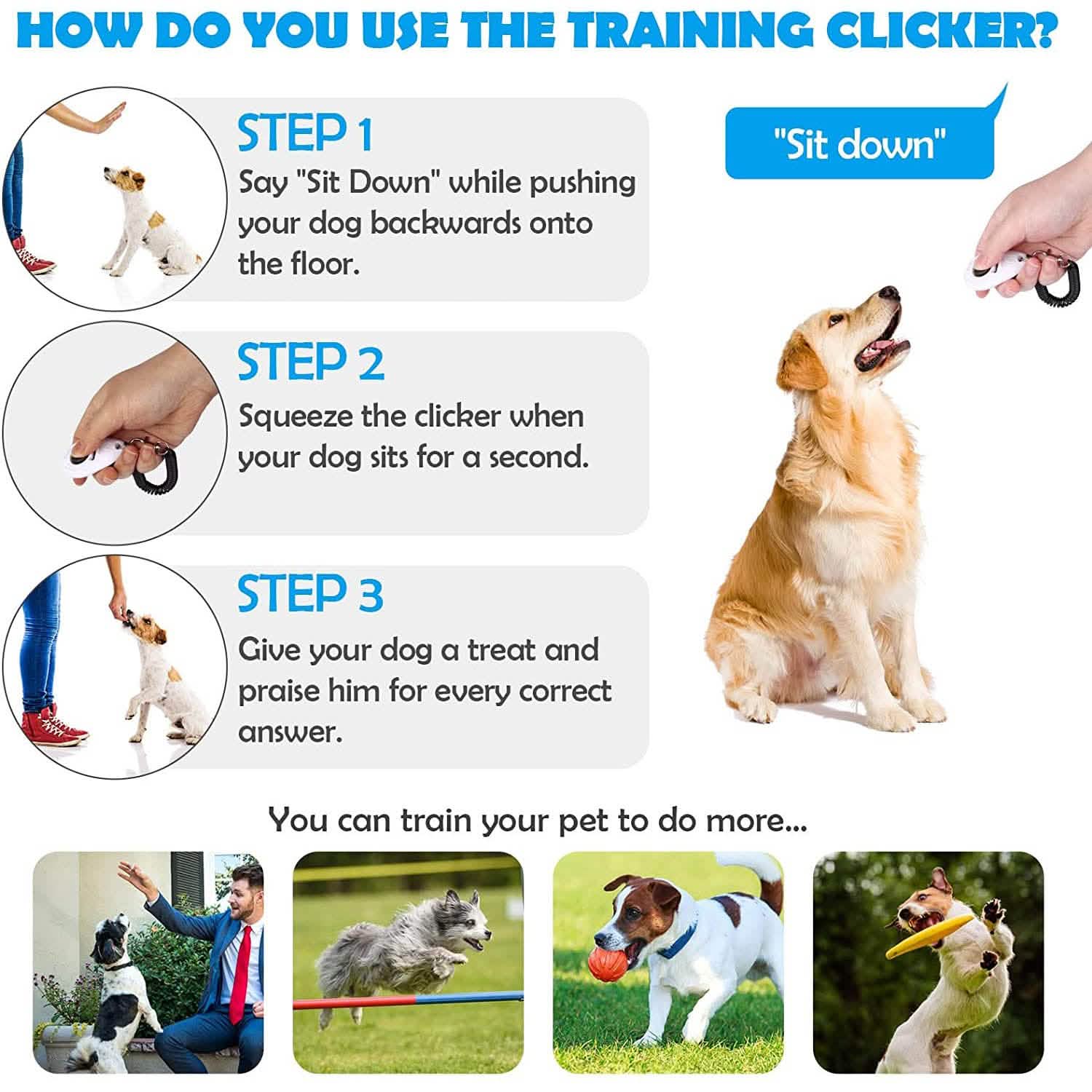
Basic clicker training steps build a strong foundation for dog learning. The clicker marks exact moments your dog does something right. This clear signal helps dogs understand what you want. Consistent use of the clicker speeds up training.
Start with simple commands, reward good behavior, and avoid common mistakes. These steps make training easier and more fun for both you and your dog.
Teaching Simple Commands
Begin with easy commands like “sit” or “stay.” Click the moment your dog performs the action. Follow the click with a tasty treat or praise. Repeat often to help your dog learn the command. Keep training sessions short and positive to maintain interest.
Reinforcing Good Behavior
Use the clicker to reward behaviors you want to see more. Click and treat every time your dog behaves well. This builds a habit of good behavior over time. Avoid giving treats without the click to keep the signal clear. Praise and treats together make learning rewarding.
Avoiding Common Mistakes
Do not click without a treat right after. This confuses your dog and slows learning. Avoid overusing the clicker, which may lose its effect. Stay patient and consistent with your timing. Never use the clicker to punish or scold your dog.

Credit: njdog.com
Advancing Training Techniques
Advancing training techniques with a clicker helps your dog learn complex tasks. It builds on basic commands and makes training more effective. This stage requires patience and clear communication. The clicker marks precise actions, encouraging your dog to repeat good behavior. Two key methods are chaining behaviors and generalizing commands.
Chaining Behaviors
Chaining connects simple actions into a complete task. Each step triggers the next one. For example, teaching your dog to fetch involves several actions: go to the toy, grab it, return, and drop it. Click the dog after each step to show what is right. Repeat until your dog links all steps smoothly. This method helps dogs perform longer, more complex routines.
Generalizing Commands
Generalizing means your dog responds to commands in different places and situations. Dogs can learn a command at home but may not understand it outside. Use the clicker to reward correct responses in various spots. Change the environment, add distractions, and keep clicking for good behavior. This helps your dog listen and obey anywhere, making training practical and reliable.
Troubleshooting Training Challenges
Training a dog with a clicker can be fun but also challenging. Some problems may arise during the process. These challenges can slow down progress or cause confusion for your dog. Troubleshooting helps to solve these issues and keeps training smooth. Here are tips to handle common problems.
Dealing With Distractions
Distractions make it hard for your dog to focus. Noisy places or other animals can pull your dog’s attention away. Start training in a quiet room with few distractions. Use the clicker and treats to reward your dog for paying attention.
Slowly add distractions as your dog improves. Keep sessions short and positive. If your dog loses focus, go back to an easier step. Patience helps your dog learn despite distractions.
Handling Slow Learners
Some dogs take longer to learn new commands. Every dog learns at its own pace. Give extra time and repeat training steps. Use clear and simple commands with the clicker.
Break tasks into smaller steps. Reward small improvements to encourage your dog. Avoid frustration by keeping training sessions short. Celebrate every success, no matter how small.
Maintaining Consistency
Maintaining consistency is key to successful clicker training for dogs. Consistency helps your dog understand what behavior earns a reward. It builds trust and speeds up learning. Without it, training can confuse your dog and slow progress.
Setting A Training Schedule
Set regular times for training sessions. Short sessions, about 5 to 10 minutes, work best. Train your dog daily or every other day. Stick to the same time each day if possible. This helps your dog expect and prepare for training. Consistent timing creates routine and focus.
Tracking Progress
Keep a simple log of each training session. Note what commands your dog learns well. Record any challenges or behaviors needing more work. Tracking progress shows how your dog improves over time. It helps adjust training plans for better results. Review the log weekly to stay on track.
Credit: iheartdogs.com
Frequently Asked Questions
What Is A Clicker In Dog Training?
A clicker is a small handheld device that makes a distinct clicking sound. It marks desired behaviors instantly, helping dogs understand what is rewarded. Using a clicker speeds up training by providing clear communication between you and your dog.
How Do You Start Clicker Training?
Begin by “charging” the clicker, pairing the click sound with treats. Click, then immediately give a treat. Repeat until your dog associates the click with a reward. This foundation makes teaching commands easier and more effective.
Can Clicker Training Help With Bad Behavior?
Yes, clicker training encourages positive behaviors by rewarding them. It focuses on reinforcing good actions rather than punishing bad ones. This approach builds trust and motivates your dog to learn better habits.
How Often Should I Use A Clicker During Training?
Use the clicker every time your dog performs the desired behavior. Consistency helps your dog link the click to a reward. Gradually, your dog will respond to commands without needing a click every time.
Conclusion
Using a clicker helps your dog learn faster and better. It makes training clear and fun for both of you. Be patient and practice regularly to see good results. Small steps lead to big changes in behavior. Keep training short and positive to hold your dog’s attention.
Remember, consistency is key to success with clicker training. Enjoy building a strong bond with your dog through this simple tool. Training becomes easier when your dog understands what you want. Try it today and watch your dog grow smarter and happier.


