

Do you feel overwhelmed when your dog suddenly barks, lunges, or pulls on the leash? If your furry friend reacts strongly to other dogs, people, or noises, you’re not alone.
Training reactive dogs can be challenging, but it’s also possible—and rewarding. Imagine walks that are calm and enjoyable, where you and your dog stay connected instead of stressed. You’ll discover simple, practical steps to help your dog stay focused and relaxed.
Keep reading, and take the first step toward transforming your daily walks into peaceful moments you both look forward to.
Recognizing Reactivity
Recognizing reactivity in dogs is the first step to proper training. Reactivity can cause stress for both dogs and owners. Understanding what triggers your dog helps manage their behavior better. Reactivity is not always aggression but can look similar at times. Knowing the difference keeps training on the right path.
Common Triggers
Many dogs react to specific sights, sounds, or smells. Other dogs passing by can cause reactivity. Loud noises like sirens or fireworks often trigger reactions. Strangers or unfamiliar people may also set off reactivity. Cars, bicycles, or fast movements can make dogs nervous. Each dog has unique triggers to watch for.
Behavior Signs
Reactive dogs show clear signs before acting out. Barking loudly is a common sign. Lunging toward the trigger often follows barking. Growling or snapping can happen but not always. Stiff body posture and intense staring are warning signs. Some dogs pace or whine when reactive. Watch your dog’s body language closely.
Difference Between Reactivity And Aggression
Reactivity is a response to a trigger, not an attack. Aggression is intentional harm or threat. Reactive dogs may bark and lunge but usually try to avoid contact. Aggressive dogs aim to bite or hurt. Reactivity comes from fear or frustration. Aggression often comes from dominance or protection. Knowing this helps you train calmly and safely.
Credit: foxchapelpublishing.com
Preparing For Training
Preparing for training is the first step to help a reactive dog improve behavior. The right setup makes training safer and more effective. It helps your dog feel calm and ready to learn. Preparing well also sets clear expectations for both you and your dog.
This preparation builds a strong foundation for positive progress during training sessions.
Creating A Safe Environment
Choose a quiet place with few distractions. This helps your dog focus better. Remove items that might cause stress or excitement. Use barriers or gates to limit your dog’s space if needed. A calm setting reduces reactive triggers and keeps your dog secure.
Essential Training Tools
Use a well-fitting harness or head halter for control. Have treats ready as rewards for good behavior. A long leash allows safe movement while keeping control. Clickers or markers can help signal correct actions. These tools make training smoother and more effective.
Setting Realistic Goals
Start with simple, clear goals for each session. Focus on small improvements, like staying calm near triggers. Avoid expecting quick fixes; progress takes time. Celebrate every success, no matter how small. Realistic goals keep training positive and prevent frustration.
Basic Techniques
Training a reactive dog requires patience and clear methods. Basic techniques help calm your dog and build trust. These methods focus on changing your dog’s response to triggers. Each step is simple and effective when done correctly.
Positive Reinforcement
Reward your dog for good behavior. Use treats, praise, or toys as rewards. This encourages your dog to repeat calm actions. Avoid punishment; it can increase fear and reactivity. Positive reinforcement builds a strong bond with your dog.
Desensitization
Expose your dog to triggers slowly and at a safe distance. Start with mild exposure to reduce fear. Gradually increase the intensity as your dog stays calm. This helps your dog get used to triggers over time. Patience is key to success in desensitization.
Counter-conditioning
Change your dog’s emotional response to triggers. Pair the trigger with something your dog likes, like treats. This shifts their reaction from fear or anger to positive feelings. Repeat this process often for the best results. Counter-conditioning helps your dog stay relaxed in tough situations.
Advanced Strategies
Advanced strategies help improve your reactive dog’s behavior beyond basic training. These methods focus on control, attention, and managing triggers. They build calmness and confidence in your dog during stressful moments. Patience and consistency are key to success.
Practice these techniques regularly. Small, steady progress leads to lasting change. Let’s explore each strategy in detail.
Impulse Control Exercises
Impulse control helps dogs pause before reacting. Simple exercises like “sit and wait” teach patience. Use treats to reward calm behavior. Gradually increase distractions to strengthen self-control. This reduces sudden reactions in real situations.
Focus And Attention Training
Training your dog to focus on you shifts attention from triggers. Use commands like “look” or “watch me.” Reward your dog for making eye contact. Practice in low-distraction places first. Slowly add more challenging environments to improve focus.
Managing Distance And Thresholds
Distance controls how close your dog is to triggers. Stay outside your dog’s reaction range at first. Observe their body language carefully. Move closer only when your dog stays calm. This prevents overwhelm and helps build positive associations.
Daily Routine Adjustments
Adjusting your daily routine helps manage a reactive dog better. Small changes make big differences in their behavior. These adjustments create a calm and structured environment. Consistency builds trust and reduces anxiety for your dog.
Consistent Exercise
Exercise helps release built-up energy in reactive dogs. Regular walks calm their minds and bodies. Stick to the same time and route daily. Predictability lowers stress and keeps your dog focused. Use exercise to burn off nervous energy before training sessions.
Mental Stimulation
Keep your dog’s brain active with puzzles and training. Mental work tires them out just like physical exercise. Teach simple commands or new tricks every day. Change up toys to keep their interest high. A tired mind reduces reactivity and improves behavior.
Stress Reduction Tips
Create a quiet, safe space for your dog at home. Use calming tools like soft music or a cozy bed. Avoid sudden loud noises or crowded places. Practice deep breathing or gentle petting to soothe your dog. These small steps lower overall stress and promote calmness.

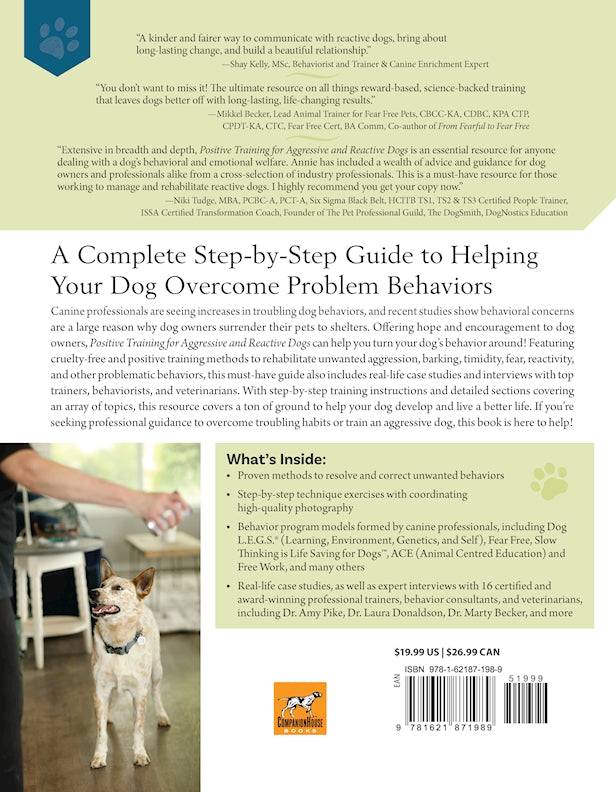
Credit: www.amazon.com
Handling Setbacks
Training reactive dogs is a journey with ups and downs. Setbacks happen. Handling these moments right keeps progress steady. Staying calm helps your dog feel safe. Understanding setbacks makes training easier and less stressful. Here are some key ways to handle challenges during training.
Identifying Triggers Quickly
Spotting what causes your dog to react is crucial. Watch closely for signs like stiff body, barking, or growling. Note where and when these behaviors start. Knowing triggers helps you avoid or work on them. This step saves time and reduces stress for both of you.
Maintaining Patience
Patience is key during setbacks. Dogs learn at their own pace. Keep calm and speak softly. Avoid punishment or harsh tones. Your calm energy helps your dog feel safe and willing to learn. Small steps forward are still progress. Celebrate every little win.
When To Seek Professional Help
Some setbacks need expert support. If your dog’s reactions grow stronger or dangerous, ask for help. Trainers or behaviorists understand how to manage tough cases. Professionals give tools and guidance to keep training safe. Don’t wait too long to get support.
Building Lasting Calm
Building lasting calm in reactive dogs is key to better behavior. It helps dogs feel safe and relaxed over time. Calm dogs respond better to training and daily life. This section explains how to create and keep calm habits.
Creating Positive Associations
Start by linking calm moments to good things. Use treats or toys when your dog stays calm. Choose quiet places with few distractions. Let your dog watch from a distance if needed. Slowly bring them closer as they relax. Repeat this often to build trust and ease.
Reinforcing Good Behavior
Praise your dog immediately when they stay calm. Use gentle voice and soft petting. Avoid punishment or yelling, which causes stress. Reward calm behavior more than reacting to reactivity. Consistency helps your dog learn what is expected. Keep training sessions short and positive.
Ongoing Training And Maintenance
Keep training regular to maintain calm behavior. Practice in new places and different situations. Use calm cues like “sit” or “stay” often. Watch your dog’s body language for stress signs. Adjust training speed if your dog feels overwhelmed. Long-term patience builds steady and calm habits.

Credit: smart.dhgate.com
Frequently Asked Questions
What Causes Dog Reactivity During Training?
Dog reactivity often stems from fear, frustration, or lack of socialization. It triggers an exaggerated response to stimuli like other dogs or noises. Understanding these causes helps tailor effective training methods to manage and reduce reactivity.
How Can I Safely Train A Reactive Dog?
Use positive reinforcement techniques and avoid punishment. Start in low-distraction environments, gradually increasing exposure. Consistency and patience are key. Tools like head halters and leashes also enhance control during training sessions.
What Are Effective Exercises For Reactive Dogs?
Focus on desensitization and counter-conditioning exercises. Gradually expose your dog to triggers at a distance. Reward calm behavior and increase proximity over time. Regular mental and physical stimulation helps reduce stress and reactivity.
When Should I Seek Professional Help For Reactivity?
Seek professional help if your dog’s reactivity worsens or causes safety concerns. Certified trainers or behaviorists provide personalized guidance. Early intervention improves training success and ensures your dog’s well-being.
Conclusion
Training reactive dogs takes patience and clear steps. Consistency helps your dog learn good behavior. Use positive rewards to encourage calm actions. Stay calm yourself to help your dog feel safe. Small progress is still progress. Practice daily and be gentle with mistakes.
Over time, your dog will respond better. Trust in the process and keep trying. A peaceful walk is possible with effort. Your bond with your dog will grow stronger.


