
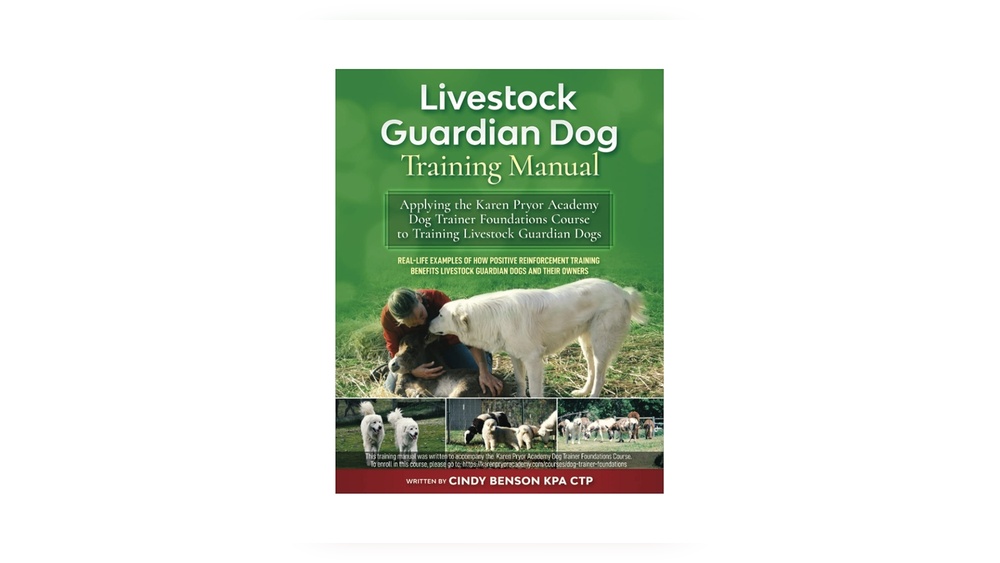
If you have livestock, you know how important it is to keep them safe from predators. A livestock guardian dog can be your best ally in protecting your animals around the clock.
But how do you train a dog to watch over your herd effectively? This guide will walk you through simple, proven steps to turn your dog into a reliable guardian. By the end, you’ll have the confidence to raise a dog that not only protects but also bonds deeply with your livestock.
Ready to learn the secrets of successful training? Let’s dive in.

Credit: www.youtube.com
Choosing The Right Guardian Dog
Choosing the right livestock guardian dog is the first step to protect your animals. Not all dogs fit the role. The right dog keeps predators away and stays calm with your livestock. This choice affects the safety and success of your farm. Consider the breed, personality, and livestock type before deciding.
Popular Guardian Dog Breeds
Some dog breeds are known for guarding livestock well. The Great Pyrenees is calm and watchful. The Anatolian Shepherd is strong and alert. Maremma Sheepdogs are loyal and protective. These breeds have a natural instinct to guard animals. Choosing a popular breed ensures tried and tested protection.
Assessing Temperament And Traits
A good guardian dog must be calm but brave. The dog should not scare the livestock. It needs to be friendly with animals and people. Patience and alertness are key traits. Avoid overly aggressive or timid dogs. The right temperament helps the dog do its job well.
Matching Dog To Livestock Type
Different livestock need different guardian dogs. Sheep may need a gentle protector. Goats may require a more watchful dog. Cattle might need a larger, stronger dog. Match the dog’s size and energy to the animals. This match helps the dog protect without stressing the livestock.

Credit: www.wildtransylvania.com
Preparing Your Property
Preparing your property is key before bringing a livestock guardian dog. The dog needs a safe and familiar place to live and work. Proper preparation helps the dog protect your animals better. It also keeps the dog and livestock safe.
Safe Enclosures And Boundaries
Start by setting up strong fences around your property. Use materials that the dog cannot easily break or dig under. Clear the area of sharp objects and harmful plants. Mark the boundaries clearly so the dog knows where to stay. Secure gates with locks to prevent escapes. This creates a safe space for your dog to patrol.
Introducing The Dog To The Environment
Bring the dog to your property slowly and calmly. Let the dog explore the area at its own pace. Show the dog where the livestock live and where to rest. Spend time with the dog outside so it gets used to the sounds and smells. Watch the dog’s behavior and guide it gently. This helps the dog feel comfortable and confident in its new home.
Early Socialization Steps
Early socialization is the foundation for a well-trained livestock guardian dog. It helps your dog understand its role and build positive relationships. Starting this process early leads to better behavior and trust. This phase shapes how your dog interacts with livestock and people.
Proper early socialization ensures the dog feels comfortable and confident. It reduces fear and aggression toward animals and humans. This section covers two key steps: introducing your dog to livestock and building trust.
Introducing To Livestock
Begin by letting your dog see the livestock from a distance. Allow calm and quiet observation. Gradually shorten the distance over several days. Let the dog sniff and explore around the animals. Always supervise these first meetings closely. Avoid rushing or forcing contact. Watch your dog’s body language for signs of stress. Gentle introductions help the dog accept livestock as part of its environment.
Building Trust And Bonding
Spend time with your dog daily. Use soft tones and gentle touch to create comfort. Play and reward good behavior with treats or praise. Let your dog follow you near the animals. Trust grows through consistent, positive experiences. Avoid harsh commands or punishment. A strong bond makes your dog more loyal and protective. Trust also helps the dog respond well to training commands later.
Basic Training Techniques
Training a livestock guardian dog starts with basic techniques. These build trust and respect between you and your dog. Simple steps create a strong foundation for more complex tasks. Training early ensures your dog protects your animals well.
Obedience Commands
Start with basic commands like “sit,” “stay,” and “come.” Use clear, short words. Repeat commands often. Reward your dog with treats or praise. These commands help control your dog in all situations. Consistent practice makes your dog listen quickly.
Consistency And Patience
Be patient during training sessions. Dogs learn at different speeds. Use the same commands and gestures every time. Avoid changing rules or expectations. Short, frequent training sessions work best. Patience and consistency help your dog understand your needs clearly.
Advanced Guardian Skills
Advanced guardian skills help livestock guardian dogs protect animals better. These skills go beyond basic obedience and trust. They focus on the dog’s ability to patrol, watch, and react to dangers. Training these skills takes time, patience, and clear commands. A well-trained guardian dog keeps livestock safe from predators and threats.
Patrol And Protection Behaviors
Patrolling means moving around the area to check for risks. Teach your dog to walk calmly but alert. Let the dog learn the boundaries of the area to guard. Encourage your dog to watch quietly and report unusual signs. Use rewards when the dog shows good patrol behavior. This helps the dog understand its role in protection.
Responding To Threats
Guardian dogs must react quickly to danger. Train your dog to bark or growl at intruders. The dog should stay calm but firm during threats. Use controlled situations to practice these reactions safely. Teach your dog to return to you after the alert. This training keeps control and stops false alarms.
Common Challenges And Solutions
Training a livestock guardian dog presents some common challenges. These issues can affect your dog’s performance and safety. Understanding these problems helps you handle them better. This section covers two key challenges: aggression and separation anxiety. Each has practical solutions to keep your dog balanced and effective.
Managing Aggression
A guardian dog may show aggression to protect livestock. But too much aggression can cause problems. Watch for signs like growling or biting without reason. Early training helps control these behaviors. Use calm, firm commands to teach limits. Socialize your dog with people and animals. Controlled exposure reduces fear and over-protection. Reward calm behavior to encourage peace. Never punish aggression with violence—it can worsen it. Seek help from a professional trainer if needed. Balanced aggression keeps your dog safe and useful.
Dealing With Separation Anxiety
Guardian dogs often bond closely with their owners. This can cause anxiety when left alone. Signs include barking, whining, or destructive behavior. Start with short separations and increase time gradually. Provide toys and safe spaces to comfort your dog. Keep a regular routine for feeding and exercise. Avoid making a big deal when leaving or returning. This helps your dog stay calm and confident. Consistent training and patience reduce anxiety over time.
Health And Maintenance Tips
Keeping your livestock guardian dog healthy is key to its success. Good health helps the dog protect animals well. Regular care and maintenance keep your dog strong and alert. Here are important tips for health and maintenance.
Regular Vet Care
Take your dog to the vet often. Checkups catch problems early. Vaccines protect against diseases. Parasite control is a must. Fleas, ticks, and worms can harm your dog. Keep the dog’s teeth clean. Dental health affects overall health. Ask your vet about routine tests. Early detection can save lives.
Nutrition And Exercise
Feed a balanced diet made for large dogs. Proper nutrition supports energy and muscle strength. Avoid overfeeding to prevent obesity. Give fresh water all the time. Exercise keeps your dog fit and active. Daily walks and play help build endurance. A tired dog guards better. Adjust exercise based on weather and health.

Credit: littleavalonfarm.com
Frequently Asked Questions
How Do I Start Training A Livestock Guardian Dog?
Begin training early by socializing the dog with livestock. Use positive reinforcement and consistency to build trust. Introduce the dog gradually to the animals it will protect, ensuring supervised interactions at first to foster bonding and appropriate protective behaviors.
What Commands Are Essential For Guardian Dog Training?
Teach basic commands like “sit,” “stay,” and “come” first. Add specific commands such as “guard” and “leave it” later. Clear, consistent commands help the dog understand its role and respond effectively to protect livestock from threats.
How Long Does Training A Livestock Guardian Dog Take?
Training usually takes 6 to 12 months for full effectiveness. Early socialization and continuous reinforcement speed up progress. Patience and consistency are key to developing reliable guarding behaviors in the dog over time.
Can A Guardian Dog Protect Livestock Alone?
Yes, a well-trained guardian dog can protect livestock independently. However, occasional human supervision is recommended to ensure the dog’s safety and adjust training. Guardian dogs work best as part of a comprehensive livestock protection strategy.
Conclusion
Training a livestock guardian dog takes time and patience. Start early and be consistent with your efforts. Use positive rewards to encourage good behavior. Give the dog space to bond with your animals. Watch closely for signs of progress or issues.
Remember, a well-trained guardian dog protects your livestock well. Stay calm and keep training sessions short. Your hard work will pay off in the end. Trust the process and enjoy the journey.


