

Have you ever wondered if it’s okay for your adult dog to eat puppy food? You might think it’s harmless since it’s just food for dogs, but the truth is more important than you realize.
What you feed your dog affects their health, energy, and happiness every day. If you want to keep your furry friend feeling their best, you need to know what’s safe and what could cause problems. Keep reading to discover the surprising facts about adult dogs eating puppy food—and what you should really be feeding your loyal companion.
Differences Between Puppy And Adult Dog Food
Puppy food and adult dog food are not the same. Each type of food is made for a different stage of a dog’s life. Puppies need food that helps them grow strong and healthy. Adult dogs need food that keeps them fit and active. Understanding the differences helps keep your dog healthy and happy.
Nutritional Needs Of Puppies
Puppies need more calories than adult dogs. Their bodies grow fast and need extra energy. They need more protein to build muscles and strong bones. Puppies also need more fat for energy and brain development. Vitamins and minerals help support their immune system and overall growth.
Nutritional Needs Of Adult Dogs
Adult dogs need fewer calories than puppies. Their growth slows down, so energy needs drop. Protein is still important but in smaller amounts. Fat is lower to prevent weight gain. Adult dogs need balanced nutrients to maintain health and support daily activities.
Key Ingredient Variations
Puppy food has higher protein and fat levels than adult food. It contains more calcium and phosphorus for bone growth. Adult dog food has controlled calories and fat for weight management. Ingredients in adult food focus on maintaining muscle and joint health. These differences ensure each dog gets what it truly needs.
Potential Effects On Adult Dogs
Adult dogs eating puppy food can face several effects. Puppy food is rich in nutrients for growing dogs. It has more calories, protein, and fat than adult dog food. This difference can cause problems for adult dogs over time.
Digestive Impact
Puppy food may upset an adult dog’s stomach. The rich ingredients can cause diarrhea or gas. Adult dogs might have trouble digesting the extra fat and protein. This can lead to discomfort or tummy aches.
Weight Gain Risks
Puppy food has more calories than adult dog food. Eating it regularly can cause adult dogs to gain weight. Extra weight puts stress on joints and the heart. Overweight dogs may become less active and face health issues.
Nutritional Imbalance
Puppy food is designed for growth, not maintenance. It may lack some nutrients adult dogs need. Feeding only puppy food can cause a lack of vitamins or minerals. This imbalance can affect an adult dog’s health over time.
When Puppy Food Might Be Okay
Puppy food is designed to help young dogs grow fast. It has more calories and nutrients than adult dog food. Feeding adult dogs puppy food is not always bad. There are some times when it can be okay or even helpful.
Understanding when puppy food might be suitable for an adult dog can prevent health problems. It also ensures your dog gets the right nutrition for its needs.
Short-term Feeding Scenarios
Sometimes, adult dogs need extra calories. This can happen if they are very active or recovering from illness. Puppy food can provide more energy and nutrients during these times. Feeding puppy food for a short time can help the dog get stronger. Always watch your dog’s weight and health during this period.
Special Health Considerations
Some adult dogs have special health needs. Dogs with certain medical conditions may benefit from richer food. Puppy food’s higher fat and protein can support muscle repair and energy. Talk to your vet about your dog’s health before changing food. A vet can help decide if puppy food is right for your dog’s condition.

Credit: www.iams.com
Signs Of Problems After Eating Puppy Food
Adult dogs may sometimes eat puppy food by accident or curiosity. This can cause some problems, as puppy food has more nutrients made for growing dogs. It is important to watch for signs that your dog might be having trouble after eating puppy food. Early spotting of these signs helps keep your dog safe and healthy.
Signs of problems after eating puppy food can show in many ways. Some dogs may have stomach issues, while others might act differently. Knowing what to look for can make a big difference in your dog’s comfort and well-being.
Digestive Symptoms To Watch
Stomach upset is the most common problem after eating puppy food. Look for vomiting or diarrhea. Your dog may also have gas or bloating. These signs mean the food is not agreeing with their system. Loss of appetite or constipation can also occur. Watch your dog’s bathroom habits closely.
Behavioral Changes
Changes in behavior can show discomfort or pain. Your dog may seem restless or tired. Some dogs hide or avoid playing. Irritability or whining can be a sign too. Pay attention if your dog acts different than usual. These changes can point to a problem.
When To Consult A Vet
Contact a vet if symptoms last more than a day. Seek help if vomiting or diarrhea is severe. If your dog stops eating or drinking, call the vet. Sudden behavior changes also need professional care. Early treatment helps avoid serious health issues.
Choosing The Right Food For Your Adult Dog
Choosing the right food for your adult dog is important for their health. Adult dogs have different needs than puppies. Feeding the correct food helps keep your dog active and strong. It supports their energy levels and overall well-being. Understanding what to feed your dog makes a big difference.
Reading Dog Food Labels
Dog food labels show important information. Look for the ingredients list first. High-quality protein like chicken or beef should be near the top. Avoid foods with too many fillers like corn or wheat. Check for vitamins and minerals that support adult dogs. The label also shows calorie content. This helps you feed the right amount for your dog’s size and age.
Consulting With A Veterinarian
Your vet knows what your dog needs. They can recommend the best food based on your dog’s health. Some dogs have allergies or special dietary needs. Vets help create a plan that fits those needs. Regular check-ups make sure your dog stays healthy with the right diet. Always ask your vet before changing your dog’s food.
Adjusting Diet Based On Activity Level
Active dogs need more energy from food. Less active dogs need fewer calories to avoid weight gain. Adjust the amount and type of food to match activity. Puppies’ food has more calories and protein, so adults might not need it. Watch your dog’s weight and energy. Change food portions if your dog’s activity changes.

Credit: shop.bullymax.com
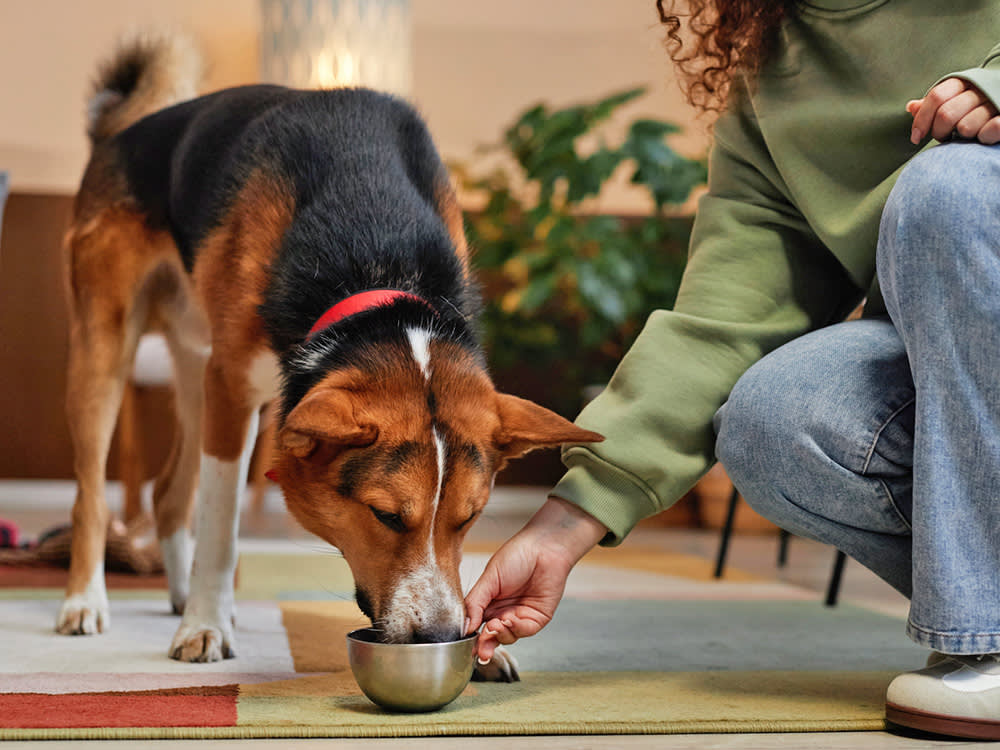
Credit: www.kinship.com
Frequently Asked Questions
Will Puppy Food Harm An Adult Dog’s Health?
Puppy food is richer in nutrients and calories. Feeding it occasionally to adult dogs won’t harm them. However, long-term feeding may cause weight gain or digestive upset due to excess nutrients not needed by adults.
Can Adult Dogs Digest Puppy Food Properly?
Adult dogs can digest puppy food, but the higher fat and protein content may stress their metabolism. It’s safe short-term but not ideal for their balanced diet needs over time.
What Are The Risks Of Feeding Adult Dogs Puppy Food?
Risks include obesity, digestive issues, and nutritional imbalances. Puppy food is designed for growth, so adult dogs may get too many calories and proteins, leading to health problems if fed regularly.
Is It Okay To Feed Adult Dogs Puppy Food Occasionally?
Yes, occasional feeding is generally safe. It can be a treat or used during recovery when extra nutrients help. But it shouldn’t replace a proper adult dog diet regularly.
Conclusion
Adult dogs can eat puppy food once in a while without harm. Puppy food has more calories and nutrients for growing dogs. Eating it regularly may cause weight gain or upset stomachs in adults. Feeding your adult dog the right food keeps them healthy and happy.
Always check with a vet before changing your dog’s diet. Balance matters most for a dog’s well-being. Choose food made for your dog’s age and size. Your dog will thank you with good health and energy.


