

Is your dog still eating the same food you started with months ago? You might be wondering when the right time is to switch adult dog food.
Choosing the perfect moment can make a big difference in your dog’s health and happiness. If you switch too soon or too late, it could upset their stomach or leave them missing essential nutrients. Keep reading, and you’ll discover the clear signs to watch for and simple steps to make the change smooth and stress-free for your furry friend.
Your dog’s well-being depends on it!
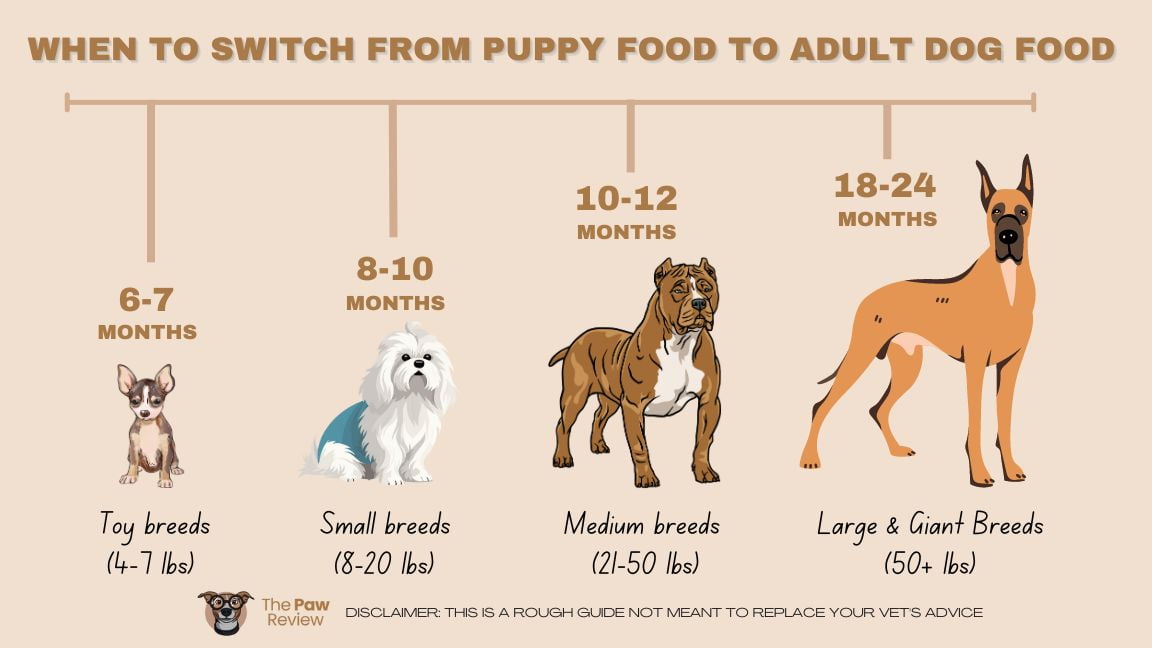
Credit: paw-review.com
Recognizing Nutritional Needs
Recognizing your dog’s changing nutritional needs is key to their health. Dogs grow and change, and their diet must change too. Watch your dog’s body and habits closely. They often tell you what they need.
Changes In Energy Levels
Your dog’s energy can show if their food is right. Less play or more tiredness may mean a diet change is needed. More active dogs may need food with more calories. Older dogs often need fewer calories to avoid weight gain. Notice energy changes and adjust food accordingly.
Weight Fluctuations
Weight gain or loss signals a need to change food. If your dog gains weight, they may eat too many calories. Weight loss could mean they do not get enough nutrients. Regularly check your dog’s weight. Choose food that helps keep a healthy weight.
Coat And Skin Health
Healthy skin and shiny fur show good nutrition. Dry skin, itching, or dull fur may mean poor diet. Essential fatty acids and vitamins support skin and coat health. Switching to food rich in these helps improve their look and feel. Watch your dog’s coat for signs of need.
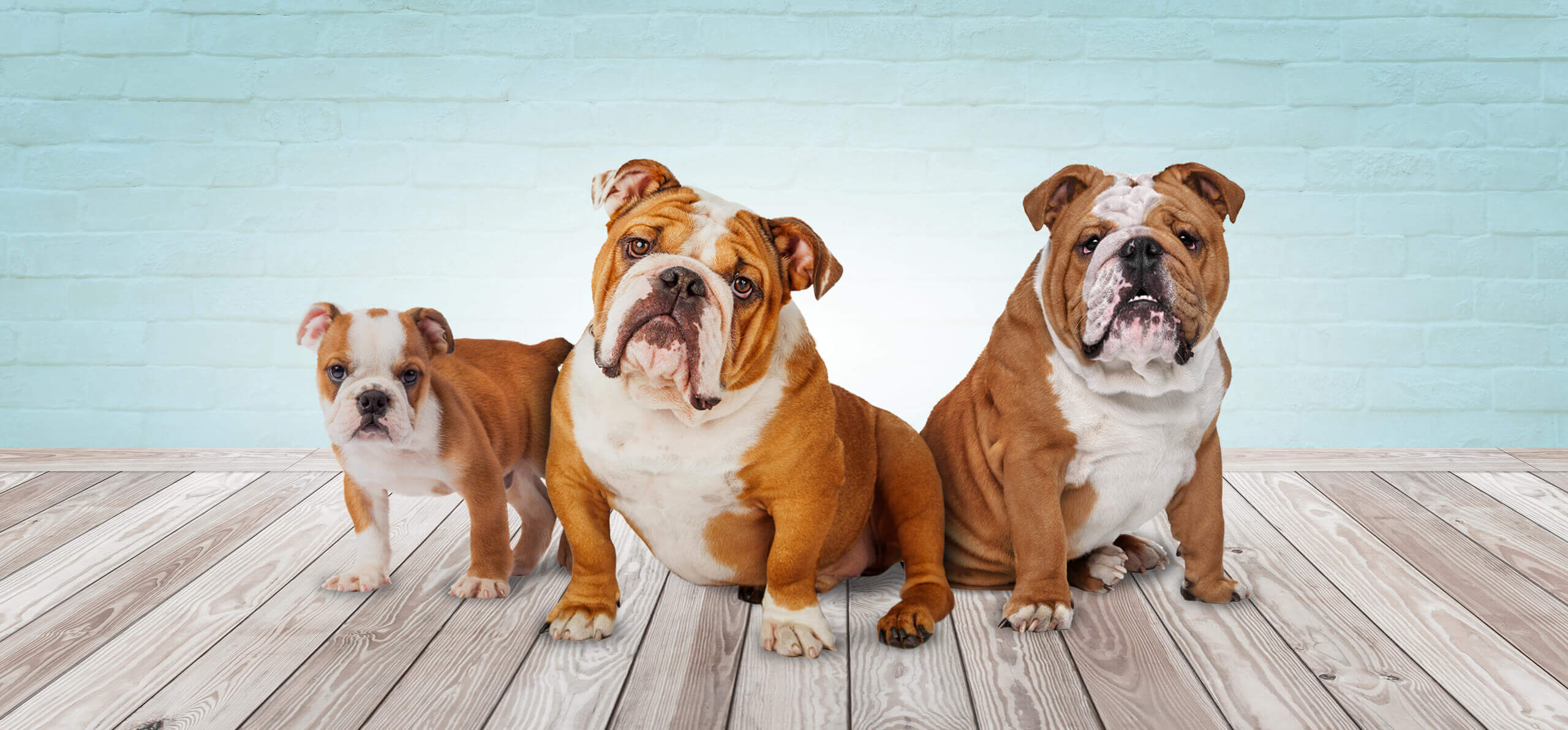
Credit: www.bluebuffalo.com
Behavioral And Digestive Signals
Dogs cannot tell us when they feel unwell or unhappy with their food. Watch their behavior and digestion carefully. Changes here often signal it is time to switch adult dog food. These signs help keep your dog healthy and happy.
Appetite Changes
A sudden loss of appetite can mean your dog dislikes the current food. Eating less or refusing meals often signals a problem. Sometimes dogs eat more but still lose weight. Both changes need attention. Appetite shifts may show the food lacks nutrients or causes discomfort.
Digestive Upset
Watch for vomiting, diarrhea, or constipation. These symptoms suggest your dog’s stomach does not handle the food well. Digestive upset can cause pain and dehydration. It may mean the food is too rich or contains ingredients your dog cannot digest. Switching to a gentler formula often helps.
Food Allergies And Sensitivities
Itchy skin, redness, or ear infections point to food allergies. Some dogs react to common ingredients like chicken or grains. Allergies cause discomfort and make your dog restless. Sensitive digestion may lead to gas, bloating, or soft stools. Identifying allergens and changing food supports your dog’s well-being.
Life Stage And Health Considerations
Choosing the right food for your adult dog depends on their life stage and health. Dogs need different nutrients at different ages. Their health also affects what type of food they should eat. Paying attention to these factors helps keep your dog strong and happy.
Aging And Senior Dog Diets
Older dogs have slower metabolism and less energy. They need food that supports joint health and weight control. Senior dog diets often include more fiber and less fat. These diets help maintain muscle and improve digestion. Switching to a senior diet around age seven can benefit your dog.
Medical Conditions Impacting Diet
Some health problems change a dog’s nutritional needs. Dogs with kidney issues may need low-protein food. Dogs with allergies require special hypoallergenic diets. Heart or liver diseases also call for tailored nutrition. Always follow your vet’s advice on diet changes for health reasons.
Post-illness Or Surgery Nutrition
After illness or surgery, dogs need gentle and nutritious food. Soft, easy-to-digest meals help their recovery. High-protein diets support tissue repair and energy. Hydration is crucial during this time. Gradually return to regular food as your dog heals.

Credit: www.iams.com
Environmental And Lifestyle Factors
Environmental and lifestyle factors play a big role in your dog’s diet needs. Changes in activity, weather, or daily routine can affect how much energy your dog needs. Adjusting dog food helps keep your pet healthy and happy. Watch for signs that your dog’s needs have changed.
Activity Level Changes
Dogs that become more active need more calories and nutrients. This can happen if you start walking more or take your dog to dog sports. Less active dogs need fewer calories to avoid weight gain. Choose a dog food that matches your dog’s current energy level.
Seasonal Adjustments
Cold weather may increase your dog’s energy needs. Dogs burn more calories to stay warm. In hot weather, dogs may eat less but need more water. Switching dog food by season can help balance nutrition with your dog’s needs.
Travel And Routine Changes
Travel and changes in routine can stress your dog. This may affect appetite and digestion. A gentle or easily digestible dog food helps during these times. Keep your dog’s diet stable but adjust for any changes in activity or stress.
Transitioning To New Dog Food
Changing your adult dog’s food requires care and attention. A sudden switch can upset your dog’s stomach and cause digestion problems. Transitioning slowly helps your dog adjust to the new taste and nutrients. This section explains how to change your dog’s food safely and what to watch for during the process.
Gradual Food Introduction
Start by mixing a small amount of new food with the old food. Increase the new food portion every few days. Aim to fully switch over in about one week. This slow change helps your dog’s stomach get used to the new food. Watch if your dog eats well during this time.
Monitoring For Reactions
Check your dog for any signs of discomfort or allergies. Look for vomiting, diarrhea, or itching. Changes in energy or appetite can also signal a problem. Note any unusual behavior and how often it happens. Early detection helps prevent bigger health issues.
Consulting Your Veterinarian
Ask your vet for advice before changing your dog’s food. Your vet knows your dog’s health and dietary needs best. They can recommend the right food and transition plan. Contact your vet if your dog shows negative reactions. Professional guidance ensures a safe food switch.
Frequently Asked Questions
When Is The Right Age To Switch Adult Dog Food?
Most dogs should switch to adult dog food at 12 months. Large breeds may need to switch later, around 18-24 months. Consult your vet for specific timing based on your dog’s breed and health.
How To Tell If My Dog Needs New Food?
Signs include weight changes, digestive issues, or lack of energy. Also, if your dog’s coat dulls or they show allergies, consider switching food. Always observe your dog’s behavior and health closely.
Can Switching Adult Dog Food Improve Health?
Yes, changing food can address allergies, weight, or digestive problems. A proper diet supports energy, coat condition, and overall wellness. Always choose food suited to your dog’s age and health needs.
How To Transition Dog To New Adult Food Safely?
Mix new food gradually over 7-10 days, increasing the new food portion daily. This prevents stomach upset and helps your dog adjust comfortably to the change.
Conclusion
Switching your adult dog’s food at the right time helps keep them healthy. Watch for signs like changes in energy, coat, or digestion. Consult your vet to choose the best food for their needs. Introduce new food slowly to avoid stomach upset.
Regular check-ups ensure your dog stays happy and strong. Remember, good nutrition supports a long, active life. Keep an eye on your dog’s health and adjust their diet as needed. Simple steps make a big difference in your dog’s well-being.


