

If you’ve ever found yourself staring at your dog’s food bowl wondering if it’s okay to switch things up, you’re not alone. Maybe you have some puppy food left over or you’re curious if your adult dog can benefit from it.
You want what’s best for your furry friend, but the question is—can feeding puppy food to an adult dog actually help, or could it cause problems? Keep reading to discover the surprising facts that every dog owner needs to know before making this choice.
Your dog’s health depends on it.
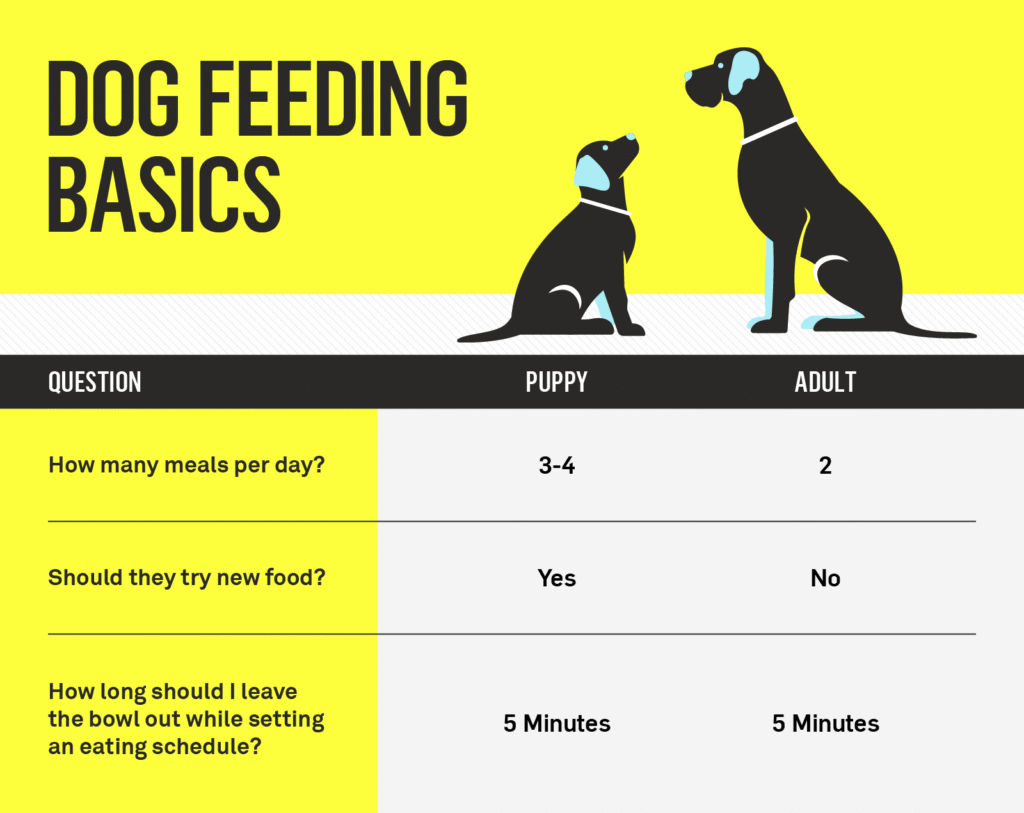
Credit: www.gallant.com
Puppy Food Vs Adult Dog Food
Puppy food and adult dog food serve different purposes. Puppies need extra nutrients to support their fast growth. Adult dogs require balanced nutrition to maintain health and energy. Feeding the right food helps dogs stay strong and happy. Understanding the differences helps you choose the best diet for your dog.
Nutritional Differences
Puppy food contains higher levels of nutrients. These nutrients support bone growth and brain development. Adult dog food has fewer nutrients but focuses on maintaining health. Puppies need more calcium and phosphorus for strong bones. Adult dogs need nutrients that help with metabolism and joint health.
Calorie And Protein Content
Puppy food has more calories to fuel active growth. High protein in puppy food helps build muscles. Adult dog food has fewer calories to prevent weight gain. Protein levels are balanced to support muscle maintenance. Excess calories in adult dogs can cause obesity.
Ingredient Variations
Puppy food often includes ingredients that are easy to digest. It may have added vitamins and minerals for growth. Adult dog food focuses on ingredients that support long-term health. It may contain antioxidants and omega fatty acids. Ingredients differ to meet the changing needs of dogs.

Credit: www.purina.com
Potential Benefits Of Feeding Puppy Food To Adults
Feeding puppy food to adult dogs can sometimes bring benefits. Puppy food has more nutrients and calories. These can help certain adult dogs meet their needs better. Some dogs need extra energy or special care. Puppy food can support these cases well.
Higher Energy Needs
Adult dogs with high energy may require more calories. Puppy food contains more fats and proteins. These help keep active dogs strong and lively. It fuels their daily activities and helps maintain weight. Feeding puppy food can prevent tiredness in these dogs.
Support For Active Or Working Dogs
Working dogs or those with busy routines need extra nutrition. Puppy food provides the protein and vitamins to support muscle health. It helps them recover faster after exercise. Their bodies repair and stay healthy with better food. Puppy food supports endurance and strength.
Growth And Recovery Phases
Adult dogs recovering from illness or surgery need more nutrients. Puppy food offers a higher amount of essential nutrients. It helps rebuild tissues and improve energy levels. Dogs growing into senior age may also benefit. The extra nutrition supports a healthy recovery and growth.
Risks Of Feeding Puppy Food To Adult Dogs
Feeding puppy food to adult dogs may seem harmless. But it has risks that pet owners should know. Puppy food has more calories and nutrients made for growing dogs. Adult dogs need different nutrition to stay healthy. Giving puppy food to adults can cause problems over time.
Excess Calories And Weight Gain
Puppy food contains more calories than adult dog food. Adult dogs do not need these extra calories. Eating too much can lead to weight gain. Extra weight puts stress on joints and organs. Overweight dogs often face health issues like diabetes and heart disease.
Imbalanced Nutrient Intake
Puppy food has more protein and fat for growth. Adult dogs need fewer of these nutrients. Too much protein and fat can upset their digestion. It may cause stomach upset or diarrhea. The balance of vitamins and minerals is also different. This imbalance can affect the dog’s overall health.
Long-term Health Concerns
Feeding the wrong food can harm adult dogs over time. Excess nutrients strain the liver and kidneys. This can lead to organ damage or failure. Long-term feeding of puppy food may cause nutrient deficiencies. These health problems reduce a dog’s quality of life and lifespan.
When Puppy Food Might Be Appropriate
Puppy food is made with extra nutrients to help young dogs grow strong. Adult dogs usually do not need this much nutrition. Still, there are times when feeding puppy food to an adult dog may help. This happens when the dog has special health or weight needs. Knowing these situations helps you choose the right food for your dog’s health.
Underweight Adult Dogs
Adult dogs that are too thin may need more calories. Puppy food has more fat and protein to help dogs gain weight. Feeding puppy food can provide the energy they need to build muscle. This helps underweight dogs reach a healthy size faster.
Senior Dogs With Specific Needs
Older dogs sometimes lose weight or muscle mass. They may need more nutrients to stay strong. Puppy food’s rich formula can support their health during this time. It gives them extra energy to stay active and healthy.
Veterinarian Recommendations
A vet may suggest puppy food for adult dogs with special conditions. Some illnesses or recovery periods need extra nutrition. Always follow the vet’s advice for the best care. They know what is best for your dog’s health.
How To Transition Between Puppy And Adult Food
Changing a dog’s diet from puppy food to adult food needs care. A sudden change may upset their stomach. Proper transition keeps dogs healthy and happy. It also helps them adjust to new nutrients.
Gradual Introduction
Start by mixing a small amount of adult food with puppy food. Increase adult food bit by bit over 7 to 10 days. This slow change helps the dog’s digestive system adapt. Watch for any signs of discomfort or refusal to eat.
Monitoring Health And Behavior
Check your dog’s stool and energy levels daily. Loose stool or vomiting may mean the change is too fast. If the dog seems less active, pause the transition. Contact your vet if problems continue or worsen.
Adjusting Portions
Adult dogs need fewer calories than puppies. Reduce the food amount gradually to avoid weight gain. Follow the feeding guide on the adult dog food package. Adjust based on your dog’s size, age, and activity level.
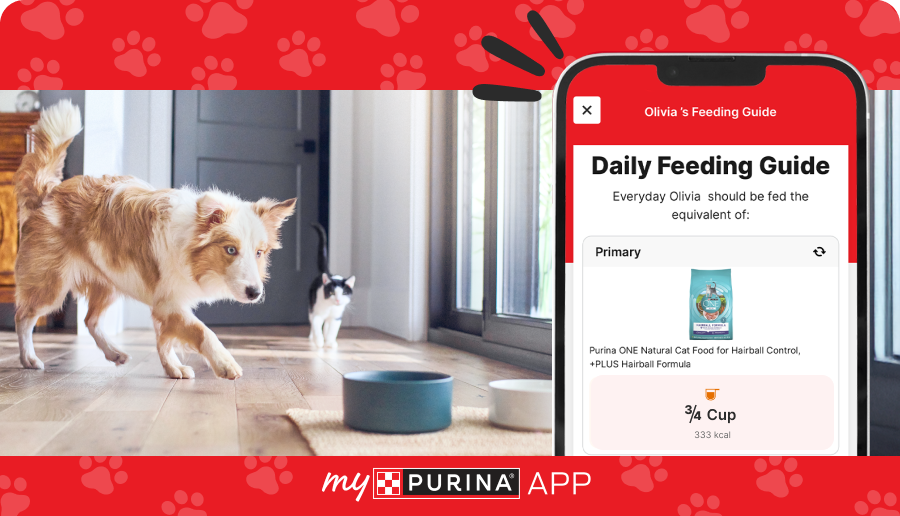
Credit: www.purina.com
Expert Tips For Choosing The Right Dog Food
Choosing the right food for your dog is important for their health and happiness. Dogs need different nutrients at different life stages. Puppies need food that helps them grow. Adult dogs need food that keeps them strong and active. Understanding how to pick the best food can help your dog live a long, healthy life.
Here are some expert tips to guide you in selecting the right dog food for your furry friend.
Reading Pet Food Labels
Pet food labels show important information about ingredients and nutrients. Look for foods with real meat listed first. Avoid foods with too many fillers like corn or soy. Check the guaranteed analysis for protein, fat, and fiber levels. Choose foods with balanced nutrients suitable for your dog’s age and health.
Considering Breed And Size
Different breeds and sizes need different nutrition. Small breeds often need more calories per pound than large breeds. Large breeds benefit from food that supports joint health. Breed-specific formulas can help meet unique needs. Choose food that matches your dog’s breed size and activity level.
Consulting With A Veterinarian
A veterinarian knows your dog’s health best. They can recommend food based on medical history and special needs. Regular check-ups help adjust diet as your dog ages. Never hesitate to ask your vet about feeding puppy food to adult dogs. Their advice ensures your dog gets the right nutrition every day.
Frequently Asked Questions
Can Adult Dogs Eat Puppy Food Safely?
Adult dogs can eat puppy food occasionally, but it’s not ideal long-term. Puppy food has higher calories and nutrients designed for growth. Feeding it regularly may cause weight gain or nutrient imbalance in adults.
What Are The Risks Of Feeding Puppy Food To Adults?
Feeding puppy food to adult dogs can lead to obesity and digestive issues. The excess calories and protein may strain kidneys and cause discomfort. Balanced adult dog food suits mature dogs’ health better.
How To Transition Adult Dogs From Puppy To Adult Food?
Gradually mix adult food with puppy food over 7-10 days. Slowly increase adult food proportion to avoid stomach upset. This helps adult dogs adapt smoothly to the nutritional change.
Is Adult Dog Food Nutritionally Different From Puppy Food?
Yes, adult dog food has fewer calories and different nutrient ratios. It supports maintenance rather than growth. Puppy food contains extra protein, fat, and calories needed for developing puppies.
Conclusion
Feeding puppy food to adult dogs is not ideal for their health. Puppy food has extra nutrients meant for growing pups. Adult dogs need a balanced diet made for their age. Too many calories or nutrients can cause weight gain or health issues.
Always choose food that fits your dog’s life stage. Talk to your vet for the best advice. Healthy food helps your dog stay active and happy. Keep your dog’s diet simple and suitable for adults. Small changes make a big difference in their well-being.


