

Are you wondering if it’s okay for your adult dog to eat puppy food? You might think it’s harmless, but feeding the wrong food could affect your dog’s health in surprising ways.
Understanding what’s in puppy food and how it impacts your adult dog can save you from costly vet visits and keep your furry friend feeling their best. Keep reading to find out what happens when adult dogs eat puppy food and how to make the right choice for your pet’s diet.

Credit: www.iams.com
Nutritional Differences Between Puppy And Adult Food
Adult dogs and puppies have different needs for healthy growth and energy. Puppy food is made with special nutrients to help young dogs grow strong. Adult dog food focuses on keeping dogs healthy and active without too many extra calories. Understanding these nutritional differences helps explain why feeding puppy food to adults might not be the best choice.
Each type of food supports the dog’s stage of life. Puppy food has more calories, protein, and vitamins for growth. Adult food has balanced nutrients for maintenance and overall health. These differences affect a dog’s weight, energy, and wellbeing.
Calorie Content Variations
Puppy food has higher calories than adult food. Growing puppies need more energy for their daily activities. Adult dogs need fewer calories to avoid gaining extra weight. Feeding adult dogs puppy food can cause weight gain and health problems.
Protein And Fat Levels
Puppy food contains more protein and fat. These nutrients help build muscles and support brain development. Adult food has moderate protein and fat to keep dogs fit. Too much protein and fat can strain an adult dog’s body.
Vitamin And Mineral Composition
Puppy food includes extra vitamins and minerals for strong bones and teeth. Calcium and phosphorus levels are higher to support growth. Adult food balances these nutrients for bone maintenance. Too many minerals in adult dogs can lead to health issues.
Potential Effects On Adult Dogs
Adult dogs eating puppy food might face some problems. Puppy food has more calories and nutrients made for growing dogs. This can cause issues for adult dogs that do not need extra energy or protein. Understanding the effects can help keep your dog healthy and happy.
Weight Gain Risks
Puppy food has more fat and calories than adult dog food. Eating too much can cause an adult dog to gain weight. Extra weight puts stress on joints and heart. Obesity can lead to serious health problems later. Feeding adult dogs puppy food often may increase these risks.
Digestive Concerns
Adult dogs may have trouble digesting puppy food. The higher fat and protein content can upset their stomachs. This may cause diarrhea, gas, or vomiting. Some dogs might feel uncomfortable or bloated. Their digestive system is not used to such rich food.
Long-term Health Impact
Consistently feeding adult dogs puppy food can harm their health. Too many nutrients may strain kidneys and liver over time. It can also cause imbalances in vitamins and minerals. This affects their overall well-being and energy levels. Choosing the right food is important for long-term health.
When Puppy Food Might Be Suitable For Adults
Puppy food is rich in nutrients to support growth and energy. Sometimes, adult dogs may benefit from this extra nutrition. Certain situations call for puppy food to help adults stay strong and healthy. Understanding these cases helps pet owners make smart feeding choices.
Growth Or Recovery Phases
Adult dogs recovering from illness or surgery need extra nutrients. Puppy food can provide more protein and calories to aid healing. It supports muscle repair and energy replenishment during tough times. Young adult dogs still growing may also need puppy food.
High Energy Requirements
Active dogs, like working or sporting breeds, burn more calories. Puppy food offers extra energy to meet their daily needs. It helps maintain weight and muscle mass in energetic dogs. Feeding them adult maintenance food might not provide enough fuel.
Veterinary Recommendations
Veterinarians sometimes suggest puppy food for adult dogs. They base this on health conditions or special dietary needs. Always follow professional advice to ensure your dog’s well-being. A vet’s guidance helps avoid nutrition problems and supports recovery.
Alternatives To Puppy Food For Adult Dogs
Adult dogs need food made for their stage of life. Puppy food has extra nutrients for growth, but adults need a balanced diet too. There are many good alternatives to puppy food for adult dogs. These options provide the right nutrition without overloading them with extras meant for puppies.
Balanced Adult Formulas
Adult dog foods have the right mix of proteins, fats, and vitamins. They support steady energy and maintain healthy weight. These formulas avoid too many calories that can cause weight gain. Choosing a balanced adult formula helps keep your dog active and strong.
Specialized Diets For Health Conditions
Some adult dogs need special diets for health issues. Foods for allergies, kidney health, or digestion problems are available. These diets help manage symptoms and improve quality of life. A vet can recommend the best diet based on your dog’s needs.
Homemade And Raw Diet Options
Homemade meals let you control ingredients and freshness. Raw diets include uncooked meat, bones, and vegetables. Both can be healthy if balanced correctly. Consult a vet or pet nutritionist to create safe, nutritious meals for your dog.
Tips For Transitioning Between Dog Foods
Switching your dog from one food to another needs care. Sudden changes can upset their stomach. A smooth change helps your dog adjust well. Watch your dog closely during this time. Small steps make a big difference in health.
Gradual Introduction
Start by mixing a small amount of new food with the old. Slowly increase the new food over 7 to 10 days. This helps your dog’s digestive system adjust. Avoid switching all at once. A slow mix reduces stomach upset and keeps your dog happy.
Monitoring Health And Behavior
Check your dog for any signs of discomfort. Look for vomiting, diarrhea, or loss of appetite. Notice changes in energy or mood. Keep an eye on their stool quality and frequency. Any problems mean you should slow the transition or pause it.
Consulting A Veterinarian
Ask your vet before changing your dog’s food. They can recommend the best food type and transition plan. Vets help if your dog has allergies or health issues. Follow their advice to keep your dog safe and healthy. Regular check-ups support good nutrition and wellbeing.

Credit: www.dogster.com
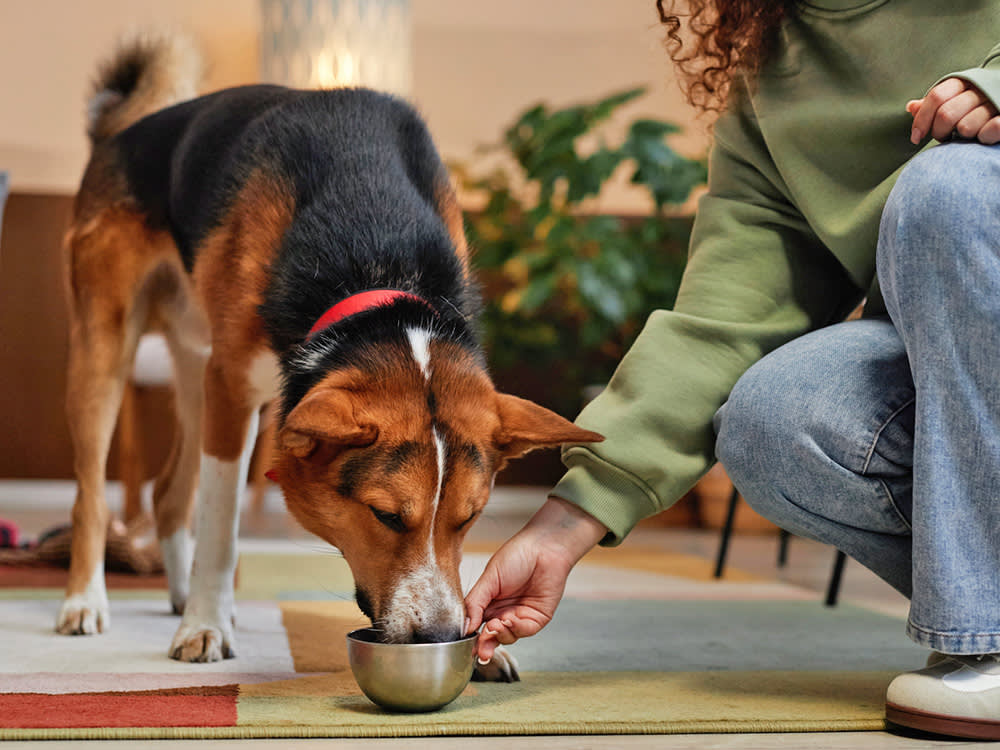
Credit: www.kinship.com
Frequently Asked Questions
Will Adult Dogs Get Sick From Eating Puppy Food?
Adult dogs usually won’t get sick from puppy food if eaten occasionally. Puppy food is richer in calories and nutrients, which may cause minor digestive upset if fed regularly to adults.
Is Puppy Food Safe For Adult Dogs To Eat Daily?
Puppy food is not ideal for daily adult dog diets. It contains higher fat and protein levels that can lead to weight gain and nutrient imbalances in adult dogs over time.
Can Adult Dogs Digest Puppy Food Properly?
Adult dogs can digest puppy food, but it may be harder on their system. The extra nutrients and calories are designed for growing puppies, not maintenance in adult dogs.
What Are The Risks Of Feeding Puppy Food To Adult Dogs?
Feeding puppy food long-term to adults can cause obesity, digestive issues, and nutrient imbalances. Adult dogs require fewer calories and different nutrient ratios than puppies for optimal health.
Conclusion
Adult dogs can eat puppy food occasionally without harm. Puppy food has extra nutrients meant for growing dogs. Feeding it all the time might cause weight gain or upset stomach. Always choose food that fits your dog’s age and health needs.
Watch your dog’s reaction after eating new food. Consult a vet for the best diet advice. Keep your dog happy and healthy with proper meals. Simple choices make a big difference in your dog’s life.


