

Have you ever wondered if hot dogs offer any real nutritional value? You might enjoy them at barbecues or as a quick snack, but do they actually contribute to your health?
Understanding what’s inside that juicy bite can help you make smarter food choices. Keep reading to uncover surprising facts about hot dogs and how they fit into your diet. This could change the way you think about your favorite fast food.
Credit: freshkingston.ca
Nutritional Components In Hot Dogs
Hot dogs are popular fast food enjoyed worldwide. Many wonder if they offer any nutritional benefits. Understanding their nutritional components helps you decide if they fit your diet. Hot dogs contain several key nutrients, but also elements to watch out for.
Protein Content
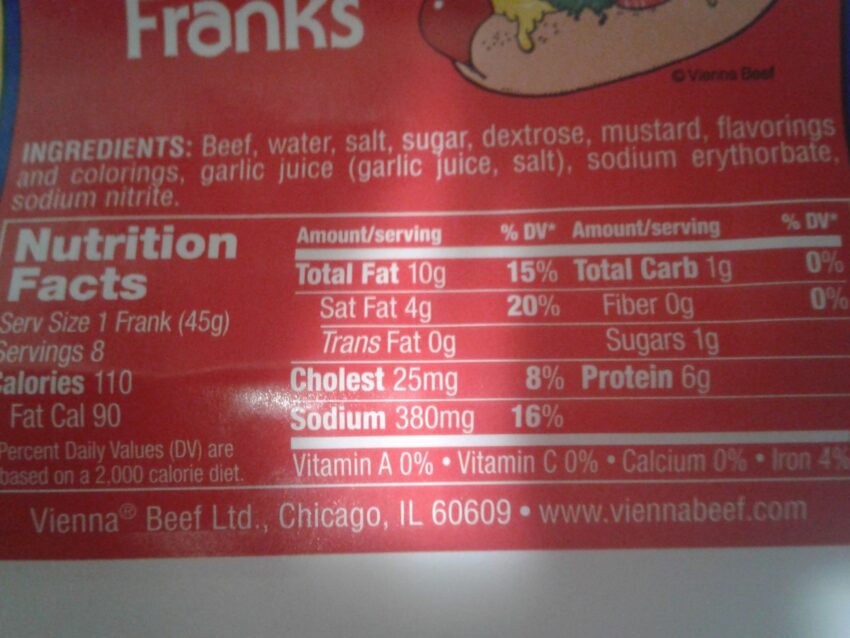
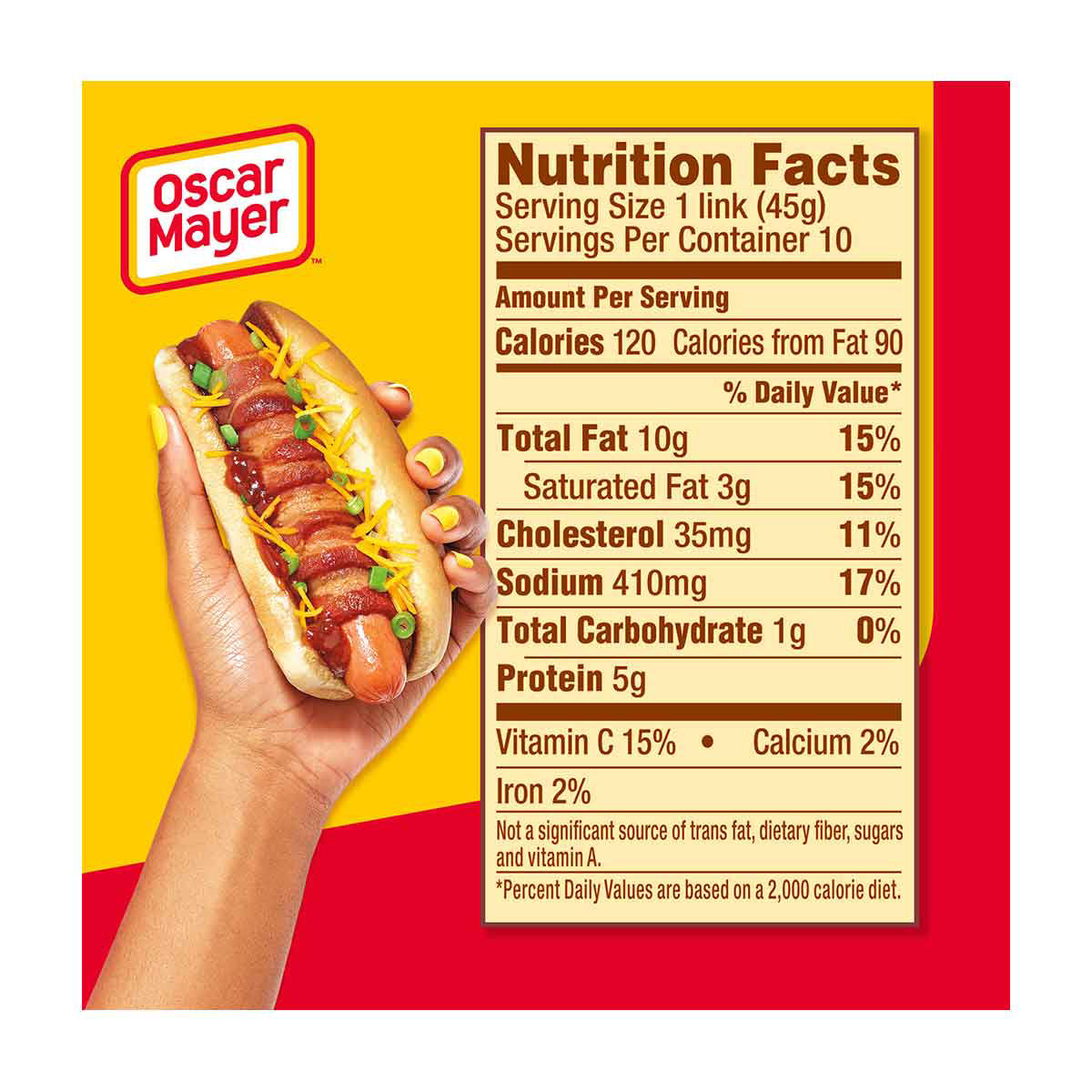
Hot dogs provide a good amount of protein. Protein is important for muscles and body repair. A single hot dog can have around 5 to 7 grams of protein. This helps meet daily protein needs, especially in a quick meal. The protein mainly comes from meat or poultry used in hot dogs.
Fats And Calories
Hot dogs contain fats that add to their calorie count. One hot dog usually has 10 to 15 grams of fat. Some fats are saturated, which should be eaten in small amounts. Calories in hot dogs range from 150 to 250 per serving. This makes them a moderate source of energy but can add up fast.
Vitamins And Minerals
Hot dogs offer small amounts of vitamins and minerals. They contain iron, which helps carry oxygen in the blood. Some B vitamins like B12 and niacin are also present. These nutrients support energy and brain function. Yet, hot dogs are not rich sources of vitamins or minerals.

Credit: www.reddit.com
Comparing Hot Dogs To Other Meats
Comparing hot dogs to other meats reveals key differences in nutrition and quality. Hot dogs are a type of processed meat. Other meats like chicken, beef, and pork often come fresh or minimally processed. This affects taste, nutrition, and how the body uses them.
Understanding these differences helps choose healthier options. It also shows why hot dogs do not provide the same benefits as fresh meats. The next sections explain these points clearly.
Processed Vs. Fresh Meat
Hot dogs are made from ground meat mixed with fillers, salt, and preservatives. This process extends shelf life but can reduce nutrient quality. Fresh meats come directly from the animal with little added. They keep more natural vitamins and minerals.
Processed meats often contain additives like nitrates. These can affect health negatively. Fresh meats do not have these chemicals. They provide cleaner protein and nutrients.
Nutrient Density Differences
Fresh meats have more protein per serving than hot dogs. They also contain important vitamins like B12 and iron in higher amounts. Hot dogs have fewer nutrients and more fat and sodium. This makes them less nutrient-dense.
Choosing fresh meat gives your body better fuel and fewer harmful substances. Hot dogs can fit in a diet but should not replace fresh meats regularly.
Additives And Preservatives Impact
Hot dogs contain many additives and preservatives. These help keep the product fresh and safe to eat. But they also affect the nutritional value of hot dogs. Understanding these impacts helps you make better food choices.
Common Chemicals Used
Hot dogs often contain nitrates and nitrites. These chemicals prevent bacteria growth and add color. Other additives include sodium phosphate and sodium erythorbate. They improve texture and flavor. Artificial flavors and colors are also common. These chemicals do not add nutrients.
Effects On Nutritional Value
Additives can reduce the natural nutrients in hot dogs. Some preservatives may lower vitamin content. Nitrates and nitrites have links to health concerns. They may increase the risk of certain diseases. Excess salt from additives raises sodium levels. High sodium can lead to heart problems. The additives also increase calories without adding nutrition. Overall, these chemicals make hot dogs less healthy.
Health Risks Linked To Hot Dogs
Hot dogs are a popular snack, but they come with some health risks. These risks come from certain ingredients and how hot dogs are made. Understanding these risks helps you make better food choices.
Many people do not know about the impact hot dogs have on health. It is important to learn about the effects on the heart and cancer risks.
Sodium Levels And Heart Health
Hot dogs contain high levels of sodium. Too much sodium raises blood pressure. High blood pressure can lead to heart disease.
Eating hot dogs often can increase heart problems. People with heart issues should avoid eating them.
Checking food labels helps find lower sodium options. This small step protects your heart in the long run.
Cancer Risk Factors
Hot dogs have preservatives like nitrates and nitrites. These chemicals can form harmful compounds in the body.
These compounds increase the risk of certain cancers, especially colorectal cancer. Studies link processed meats to higher cancer chances.
Limiting hot dog intake reduces exposure to these harmful chemicals. Choosing fresh, unprocessed meats is safer for health.
Better Hot Dog Choices
Hot dogs often get a bad reputation for being unhealthy. There are better options that offer more nutrition and less harm. Choosing wisely can make hot dogs a part of a balanced diet. These choices focus on lower salt, fewer chemicals, and healthier ingredients.
Better hot dog choices include low-sodium, organic, and plant-based options. These alternatives provide more nutrients and fewer additives. They can fit into a healthy lifestyle without sacrificing taste or convenience.
Low-sodium And Organic Options
Low-sodium hot dogs reduce salt intake, helping control blood pressure. Organic hot dogs come from animals raised without antibiotics or hormones. They usually have fewer artificial preservatives and additives. These options offer cleaner ingredients and a more natural taste. Choosing them supports better health and reduces exposure to harmful chemicals.
Plant-based Alternatives
Plant-based hot dogs use vegetables, grains, and legumes instead of meat. They contain fiber and less saturated fat. These options can help lower cholesterol and improve heart health. Many plant-based hot dogs mimic the flavor and texture of traditional ones. They suit vegetarians, vegans, and anyone seeking a lighter choice.
Incorporating Hot Dogs In A Balanced Diet
Hot dogs can fit into a balanced diet with careful choices. They provide protein and some vitamins but also contain fats and sodium. Eating them in moderation helps enjoy their taste without overdoing unhealthy parts.
Choosing smaller portions and pairing hot dogs with healthy sides can keep meals nutritious. Balance is key. Treat hot dogs as an occasional food, not a daily staple.
Portion Control Tips
Choose smaller hot dogs or cut regular ones in half. Limit to one hot dog per meal. Avoid eating hot dogs every day. Pay attention to the size of the bun too. Smaller buns reduce extra calories from bread.
Try to eat slowly and stop when full. Drinking water with your meal helps control hunger. These small steps reduce overeating and keep your diet balanced.
Pairing With Nutritious Sides
Serve hot dogs with vegetables like carrots, cucumbers, or salad. These add fiber and vitamins to your meal. Avoid fries or chips as sides often high in fat and salt.
Choose fresh fruit or a small serving of beans for extra nutrients. This mix improves the overall quality of the meal. A colorful plate means more health benefits.
Credit: www.dollargeneral.com
Frequently Asked Questions
What Nutrients Are Found In Hot Dogs?
Hot dogs contain protein, fat, and small amounts of vitamins like B12. They also provide iron and zinc. However, they are often high in sodium and preservatives, which can reduce their overall nutritional value.
Are Hot Dogs A Good Protein Source?
Hot dogs offer moderate protein but are not the healthiest option. The protein comes mainly from processed meat, which may contain additives and lower quality compared to fresh meat.
Do Hot Dogs Contain Vitamins And Minerals?
Yes, hot dogs have vitamins B12 and B6, along with minerals like iron and zinc. However, these nutrients are present in small amounts and should not replace whole food sources.
How Healthy Are Hot Dogs For Regular Consumption?
Regular consumption of hot dogs is not recommended due to high sodium, saturated fats, and preservatives. Eating them occasionally is fine but balanced with healthier foods.
Conclusion
Hot dogs do provide some nutrients like protein and iron. Yet, they also contain fats, salt, and preservatives. Eating them often may not support good health. Choosing fresh, whole foods helps your body more. Enjoy hot dogs occasionally, not as daily meals.
Balance and variety keep your diet strong and healthy. Think about nutrition when you pick your snacks. Small changes make big differences over time. Keep your meals simple and nourishing every day.


