If you have a large breed dog, you probably want the best for your furry friend. One important question is: when should your big dog switch from puppy food to adult food?
Feeding your dog the right food at the right time can impact their health, growth, and energy. Choosing too early or too late might cause problems you don’t want. Keep reading to discover the signs and expert tips to make the switch smoothly, so your dog stays strong and happy for years to come.
Growth Stages Of Large Breed Dogs
Large breed dogs grow at a different pace than smaller dogs. Their bodies need more time to develop strong bones and muscles. Knowing the growth stages helps pet owners provide the right food at the right time. This supports healthy growth and prevents problems later.
Each stage of growth has its own needs. Feeding large breeds adult food too soon or too late can affect their health. Understanding these stages makes switching food easier and better for your dog’s well-being.
Puppy Phase Duration
The puppy phase for large breeds lasts longer than for small dogs. Usually, it lasts about 8 to 12 months. During this time, puppies grow quickly and need special nutrition. Puppy food has more protein and nutrients to support fast growth and strong bones.
Adolescence In Large Breeds
Adolescence in large breeds can last from 12 to 24 months. Growth slows down but bones and muscles still develop. Dogs may look like adults but need extra care. Feeding them the right food supports healthy joints and prevents too rapid growth.
Signs Of Maturity
Signs of maturity include full height and weight. Large breed dogs finish growing around 18 to 24 months. Their energy levels may change and their appetite can decrease. At this stage, switching to adult food is important to maintain health without overfeeding.

Credit: shop.bullymax.com
Nutritional Needs Of Large Breed Puppies
Large breed puppies have special nutritional needs. Their growth is faster and bigger than small dogs. This means they need the right food to support strong bones and muscles. Feeding them correctly helps avoid health problems later.
Understanding these needs helps decide the right time to switch to adult food. It also ensures your puppy grows healthy and happy.
Calcium And Phosphorus Balance
Calcium and phosphorus are key for bone growth. Large breed puppies need the right balance. Too much or too little can cause bone problems. Puppy food made for large breeds has these minerals in safe amounts. This helps build strong, healthy bones without risk of damage.
Protein Requirements
Protein supports muscle development in puppies. Large breeds need enough protein but not too much. Proper protein levels help muscles grow steady and strong. Puppy diets designed for large breeds include the right protein amount. This keeps growth balanced and muscles healthy.
Energy Levels
Large breed puppies have high energy but grow slowly. Their food must provide enough calories to fuel play and growth. Too many calories can cause fast weight gain. This stresses joints and bones. Large breed puppy food has balanced energy to avoid this. It keeps your puppy active and growing at a safe pace.
Risks Of Early Or Late Food Switching
Switching large breed dogs to adult food at the right time is very important. Feeding adult food too early or too late can cause health problems. The balance of nutrients in puppy and adult food is different. Large breeds need careful timing to avoid risks.
Growth Disorders
Large breed puppies grow fast. Too much or too little nutrition can harm their growth. Early switch to adult food may slow growth. Late switch can cause rapid growth. Both can lead to bone and muscle problems.
Weight Management Issues
Large breeds are prone to weight gain. Early adult food may not meet their energy needs. This can cause weight loss and weakness. Late switch means extra calories from puppy food. Excess weight stresses their body and organs.
Joint And Bone Health
Joints and bones need the right nutrients during growth. Wrong food timing affects calcium and phosphorus balance. Early switch may cause weak bones. Late switch can lead to joint pain and arthritis later. Proper nutrition supports strong bones and healthy joints.
Credit: companionpethospital.com
Indicators To Switch To Adult Food
Knowing when to switch your large breed dog to adult food is important. Puppies need special nutrition for growth. Adult dogs need food that supports maintenance and health. Certain signs show the right time to change their diet.
Physical Development Signs
Large breed dogs grow fast in the first year. Their bones and muscles get stronger. When growth slows down, it is time to switch. Look for full adult teeth and steady weight. Their size will not increase much after this stage.
Behavioral Changes
Puppies are very active and playful. Adult dogs often become calmer and less energetic. Notice if your dog rests more or eats less. These changes can mean they need adult food. Adult food supports their slower metabolism and energy needs.
Veterinarian Recommendations
Always ask your vet about the best feeding time. Vets check your dog’s health and growth regularly. They can suggest the right age to switch food. Follow their advice to keep your dog healthy. Regular vet visits ensure proper nutrition and care.
Choosing The Right Adult Food For Large Breeds
Choosing the right adult food for large breed dogs is very important. Their needs differ from small dogs. Large breeds grow slower and have different joint and bone demands. Feeding them the correct food helps keep them healthy and active. It also prevents problems like obesity and joint pain.
Selecting the right formula supports their size and unique health needs. Consider what nutrients and ingredients best suit your dog’s breed and age. This guide helps you pick the best adult food for your large dog.
Key Nutrients To Look For
Protein is essential for muscle strength and repair. Choose food with high-quality animal proteins. Healthy fats provide energy and keep the coat shiny. Look for omega-3 and omega-6 fatty acids. Complex carbohydrates supply steady energy without weight gain. Vitamins and minerals support immune health and bone growth. Calcium and phosphorus balance is vital for strong bones.
Avoiding Common Allergens
Some large breeds may have food allergies or sensitivities. Common allergens include wheat, corn, soy, and dairy. Grain-free options can help reduce allergic reactions. Monitor your dog for itching, ear infections, or digestive upset. Choose foods with limited ingredients to control allergens. Always consult your vet if allergies are suspected.
Special Formulations For Joint Support
Large dogs often face joint problems as they age. Foods with glucosamine and chondroitin help maintain joint health. These supplements reduce inflammation and support cartilage repair. Look for added antioxidants to fight free radicals. Balanced weight control also lessens stress on joints. Feeding joint-supporting food helps your dog stay active longer.
Transitioning Your Dog’s Diet
Changing your large breed dog’s food from puppy to adult is a key step. This shift supports healthy growth and energy needs. Doing it right keeps your dog happy and strong.
Switching diets too fast can upset your dog’s stomach. Careful planning helps your dog adjust smoothly. Watch your dog closely during this time.
Gradual Food Introduction
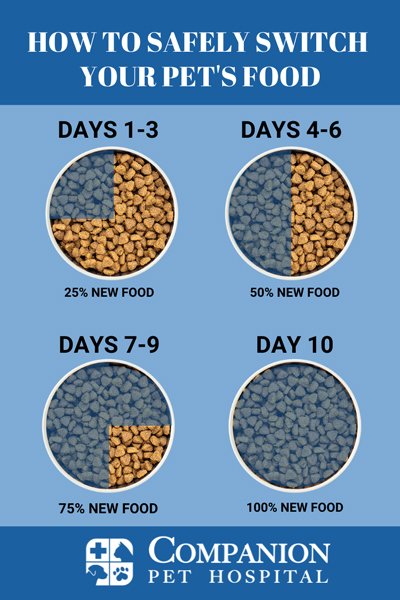
Start by mixing a small amount of adult food with puppy food. Each day, increase the adult food portion slowly. This process usually takes about 7 to 10 days. It helps the dog’s body get used to new nutrients and flavors. Sudden changes can cause stomach aches or diarrhea.
Monitoring Digestive Health
Observe your dog’s stool and appetite daily. Look for signs of diarrhea or constipation. If these occur, slow the transition down. Check for vomiting or lack of interest in food. These signs may mean your dog needs more time. Healthy digestion means your dog is adjusting well.
Adjusting Portion Sizes
Adult dogs need different food amounts than puppies. Start feeding the recommended adult portion size. Watch your dog’s weight and energy levels. Increase or decrease food as needed. Large breeds grow slower, so avoid overfeeding. Balanced portions support healthy bones and joints.
Common Mistakes To Avoid
Switching large breed dogs to adult food is important for their health. Many dog owners make common mistakes during this change. These errors can cause health problems or slow growth. Avoiding these mistakes helps your dog stay healthy and happy.
Rushing The Transition
Switching food too fast can upset your dog’s stomach. Sudden changes may cause diarrhea or vomiting. Change food slowly over 7 to 10 days. Mix small amounts of adult food with puppy food. Gradually increase adult food and decrease puppy food.
Ignoring Weight Fluctuations
Large breed dogs grow at different speeds. Watch your dog’s weight closely during the switch. Sudden weight gain or loss needs attention. Adjust food amounts if your dog gains too much weight. Consult a vet if weight changes are extreme or rapid.
Overfeeding Treats
Treats add extra calories that affect weight. Too many treats can cause obesity and health issues. Limit treats to a small part of daily calories. Choose healthy, low-calorie treats. Balance treats with your dog’s main meals to avoid overeating.
Role Of Regular Vet Checkups
Regular vet checkups play a key role in deciding when large breed dogs should switch to adult food. These visits help monitor your dog’s health and growth closely. Vets provide expert advice based on your dog’s unique needs. This ensures the diet change happens at the right time for their best health.
Tracking Growth Progress
Vets track the growth rate of your large breed dog during checkups. They measure weight, height, and body condition. This data shows if your dog is growing too fast or slow. Such growth patterns help determine the best time to switch food.
Tailoring Diet Plans
Vets create diet plans based on your dog’s age and health. They recommend the right food type and amount. This plan supports steady growth and strong bones. Personalized diet plans reduce risks of obesity or nutrient gaps.
Addressing Health Concerns Early
Regular checkups help spot health issues early. Problems like joint pain or digestive troubles can affect food choices. Early detection allows vets to suggest diet adjustments quickly. This keeps your dog healthy and comfortable during growth.
Credit: companionpethospital.com
Frequently Asked Questions
When Is The Right Age To Switch Large Breed Dogs To Adult Food?
Large breed dogs should switch to adult food between 12 to 18 months. This timing supports healthy growth and joint development. Consult your vet for breed-specific advice to ensure optimal nutrition during this transition period.
Why Is Adult Food Important For Large Breed Dogs?
Adult food provides balanced nutrients tailored for large breed dogs. It helps maintain healthy weight and supports joint health. Feeding age-appropriate food reduces risks of obesity and growth-related issues. Proper nutrition promotes longevity and overall well-being.
How To Transition Large Breed Dogs To Adult Food?
Gradually mix adult food with puppy food over 7 to 10 days. Slowly increase adult food while decreasing puppy food. This method prevents digestive upset and helps dogs adjust smoothly to the new diet.
What Are Risks Of Switching To Adult Food Too Early?
Switching too early can stunt growth and harm joint development. Large breed puppies need specific nutrients during growth phases. Early transition may lead to nutrient deficiencies or excess calories. Always follow vet recommendations to avoid health issues.
Conclusion
Large breed dogs grow fast and need special care. Switching to adult food at the right time helps their bones and joints. Usually, this change happens between 12 to 18 months. Watch your dog’s size and energy to decide the best time.
Feeding the right food keeps them healthy and happy. Always talk to your vet before changing diets. A good diet supports a long, active life for your big dog. Caring for their needs makes a big difference every day.